Listen to this article
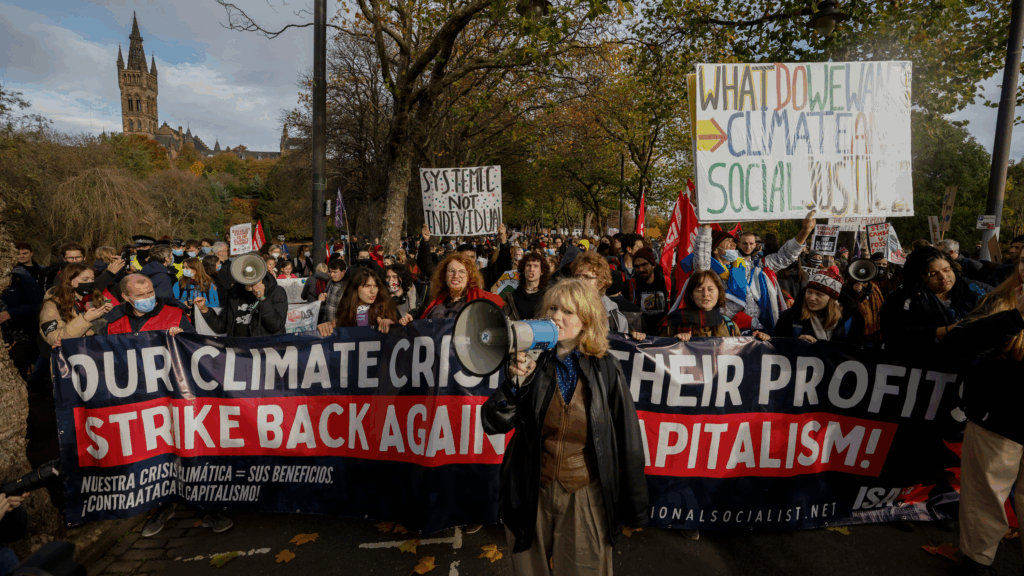
In recent days, the streets of Glasgow have witnessed a powerful display of solidarity and urgency as thousands participated in the Glasgow climate protest, coinciding with the COP30 climate talks across the globe. Organized by groups like Friends of the Earth Scotland, the event has been hailed as the city’s largest climate change protest since COP26, reflecting a growing demand for immediate climate action. Enthusiastic demonstrators filled the city center, with banners proclaiming that “a better world is possible” and performances echoing concerns over projects like the Rosebank oil field. The protest not only highlighted the environmental crises at hand but also showcased the interconnected struggles against socio-political issues, as various groups united under a shared cause. With climate change now an undeniable emergency, the energy and commitment seen in Glasgow signals a crucial turning point in the movement for climate justice.
The recent climate action in Glasgow has galvanized a diverse community passionate about environmental preservation and social justice. Not simply a protest, this demonstration was an emblematic gathering of activists and concerned citizens rallying for sustainable changes in response to the climate crisis, embodying the spirit of the COP30 climate march. Groups like Extinction Rebellion and the Climate and Migrant Justice Organizing Group came together, uniting their voices to demand accountability and transformative climate policies. Their message resonated throughout the city, intertwining the fight against climate disruption with the broader issues facing communities globally. As champions for a sustainable future, participants in the Glasgow climate protest are articulating a collective vision for meaningful action that addresses both ecological integrity and social equity.
Glasgow Climate Protest: A Call for Climate Action
The Glasgow climate protest held recently saw thousands of individuals mobilizing together to voice their concern over the escalating climate crisis. As demonstrators marched through the heart of the city, their collective demand was clear: urgent climate action is needed now more than ever. Organized by groups like Friends of the Earth Scotland, this protest was deemed the largest in Glasgow since the COP26 climate conference, signaling a significant rise in public awareness and commitment to addressing climate change. The enthusiasm of the protesters echoed the ongoing global conversation surrounding climate responsibility, particularly among those directly engaging with the COP30 climate talks happening in Brazil.
Participants of all ages turned out to show solidarity, carrying banners stating “A better world is possible.” This theme resonated throughout the demonstration, emphasizing that solutions to climate change are achievable if we unite our efforts effectively. The vibrant atmosphere was amplified by live music and creative expressions of dissent, including chanted slogans targeting projects like the Rosebank oil field. This aspect of the protest highlighted not just local grievances, but also a global perspective of interconnected challenges in the fight against climate change.
The Impact of COP30 Climate Talks on Local Action
The ongoing COP30 climate talks serve as a critical backdrop to local climate action efforts in Glasgow. Delegates from nearly 200 countries are gathered to negotiate solutions intended to mitigate the effects of climate change globally. However, the protest highlighted a disconnect between the urgency expressed by grassroots activists and the pace of political negotiations at international conferences. The public sentiment in Glasgow is clear: while discussions at COP30 are essential, meaningful actions must occur on local levels, driven by community initiatives and publicly supported policies.
Comments from figures like Caroline Rance of Friends of the Earth Scotland reinforce this need for heightened urgency and accountability. As she stated, public awareness regarding climate issues is “really high,” and citizens are demanding not only acknowledgments of the problems but also demonstrable actions that translate into real change. The spotlight thus turns to local initiatives, including improving public transport and investing in sustainable home solutions, which can collectively contribute to the overarching global objectives set during COP30.
Fostering Unity Through Environmental Justice
Prominent among the messages shared during the Glasgow climate protest was the connection between environmental justice and social justice. Organizations like the Climate and Migrant Justice Organizing Group emphasized the importance of standing together against systemic issues that exacerbate both climate change and human rights violations. This approach encourages a broader coalition of support, illustrating that the fight against climate change is not isolated from other social struggles, such as those faced by marginal communities worldwide.
Solidarity was on full display throughout the protest, with various groups, including the Gaza Genocide Emergency Committee, participating to advocate for a shared vision of justice. Activists stressing the relationship between the activism spotlighted at COP30 and local causes illustrated a deep understanding of the complexities surrounding climate action. To make transformative changes, solidarity amongst different movements is crucial, reinforcing the idea that by uniting localized efforts, greater impact can be achieved.
The Role of Protest in Influencing Policy
Protests like the one in Glasgow play a pivotal role in shaping climate policy and public opinion. They serve as a powerful reminder to government officials and corporate leaders of the urgency surrounding climate issues, compelling them to reconsider and prioritize climate action. As seen during the recent march, participation in such protests can wield considerable influence, especially when backed by strong organizational efforts. The visibility of collective action lays the groundwork for future dialogues and potential policy changes at either local or national levels.
The profound effect protests have on policy cannot be ignored; they catalyze discussions that might otherwise remain stagnant among policymakers. The overwhelming turnout in Glasgow is evidence of a society that is not only ready for change but is actively demanding it. Addressing climate concerns at the policy table requires acknowledging and adapting to the voices emerging from the streets, which advocate for immediate and actionable measures to address climate change.
The Message of Hope: Collective Action Can Drive Change
Amidst the urgency of the climate protest in Glasgow, there was a resounding message of hope and a belief in collective action as a means of driving significant change. The rally featured voices from various speakers who reinforced the idea that when communities unite, they create a formidable force capable of influencing policy and public perception regarding climate issues. The presence of a diverse array of participants, from local activists to representatives from global organizations, underscored the potential for collaborative actions to yield positive outcomes.
This atmosphere of hope was palpably felt throughout the event, as chants and songs encouraged everyone present to see the power within their collective efforts. Coordinated demonstrations across the globe highlight that movements rooted in local contexts can have international consequences, fostering a shared vision of environmental sustainability. It’s at these intersections where real change can begin to take shape, propelling climate action efforts toward transformative successes.
Understanding the Connection Between Climate and Social Issues
The Glasgow climate protest demonstrated clear intersections between environmental and social justice issues. As highlighted by activists, the fight against climate change is intricately linked to various human rights causes, from supporting displaced communities to advocating for gender equality. This holistic approach fosters a deeper understanding of the challenges surrounding climate resilience, showcasing that effective climate action requires addressing social inequities simultaneously. Groups like the Climate and Migrant Justice Organizing Group exemplify this integral connection by driving home the message that ecological resilience is rooted in social justice.
By promoting an inclusive narrative, the protest urged attendees and observers alike to consider how climate action can be a vehicle for wider societal change. For instance, as communities advocate for renewable energy solutions or improved public transit systems, they simultaneously address economic disparities and enhance quality of life for underrepresented groups. It’s not just about saving the planet; it’s about ensuring that all populations have a voice and a stake in the environmental future, which will ultimately contribute to sustainable societal development.
Demonstrating the Power of Public Support for Climate Justice
The sheer number of individuals participating in the Glasgow climate protest serves as a powerful testament to the public’s demand for effective climate justice. As the turnout represented diverse communities coming together, the underlying message was one of unity and urgency to tackle systemic issues that impede climate progress. Demonstrators echoed calls for accountability from local governments and corporations in regard to their environmental responsibilities, indicating a readiness among the populace to hold them accountable for their actions or inactions.
The protest highlighted that public sentiment can significantly influence decision-making processes in relation to climate policy. When communities mobilize and express their demands en masse, it sends a clear message that climate action cannot be sidelined any longer. The collective action of protests, such as what was seen in Glasgow, reaffirms the necessity for both immediate and sustained efforts to rectify the damage caused by climate inaction, thereby reinforcing the idea that a concerted push for climate justice is essential.
The Importance of Grassroots Organizing in Climate Movements
Grassroots organizing remains instrumental in shaping climate movements, as evidenced by the mobilization seen during the Glasgow climate protest. The ability of local communities to coordinate such large-scale actions underscores the significance of community engagement and grassroots activism in driving climate change discourse forward. Groups like Friends of the Earth Scotland play a pivotal role in nurturing this grassroots momentum, connecting with those who may feel disenfranchised or unrepresented in traditional political spheres.
Moreover, grassroots organizing enables diverse voices to contribute to the climate movement, promoting inclusivity and representation in conversations about climate action. The integration of various social issues into the climate justice narrative enhances the movement’s resonance within communities and fosters a sense of collective responsibility. By continuing to empower individuals at the community level, the climate movement stands a greater chance of creating meaningful and lasting impact in the fight against climate change.
Exploring Future Actions Post-COP30 in Glasgow
As the COP30 climate talks unfold in Brazil, the Glasgow protest has sparked conversation about what comes next for local activists striving for climate action. The demands for continued engagement and actionable results will shape the landscape of climate initiatives in Scotland and beyond. This momentum creates a robust environment for policy adoption and innovations aimed at reducing carbon footprints and enhancing sustainability.
Moving forward, it is crucial for local activists to maintain the energy and public support seen during the protest. Strategies to build coalitions between movements addressing social justice and environmental concerns will be imperative as communities push for legislative changes. The determination of protesters in Glasgow highlights the reality that while global dialogues like COP30 set the framework, tangible change on the ground stems from grassroots advocacy and community-led initiatives.
Frequently Asked Questions
What happened during the Glasgow climate protest coinciding with COP30?
During the Glasgow climate protest, thousands marched through the city center in solidarity with global climate action, coinciding with the COP30 climate talks in Brazil. The event highlighted urgent demands for climate action against developments like the Rosebank oil field, emphasizing the connection between environmental justice and human rights.
Who organized the climate actions in Glasgow and what were their main messages?
The Glasgow climate protests were primarily organized by Friends of the Earth Scotland, who noted this as the largest climate march since COP26. Their main messages focused on the urgent need for climate action, advocating for a better world, and raising awareness against the Rosebank oil field and the connections between various social justice issues.
How did protesters in Glasgow express their opposition to the Rosebank oil field?
Protesters in Glasgow expressed their opposition to the Rosebank oil field through chants and creative performances, including children chanting ‘Stop Rosebank, the planet is for everyone.’ A mobile sound system played adapted Christmas carols, transforming traditional lyrics to highlight their environmental concerns.
What role did the COP30 climate talks play in motivating people to participate in the Glasgow climate protest?
The COP30 climate talks served as a rallying point for the Glasgow climate protest, mobilizing individuals who saw the discussions as an opportunity to demand immediate climate action. With sentiment high following the previous climate summit, many felt compelled to advocate for transformative change on the streets of Glasgow.
How do different groups at the Glasgow climate protest connect climate action with social issues?
Various groups, including the Climate and Migrant Justice Organizing Group and the Gaza Genocide Emergency Committee, emphasized the interconnectedness of climate action and social justice. They highlighted that struggles for human rights, such as those in Palestine, are inextricably linked to environmental concerns, reflecting a shared commitment to combatting multiple injustices at once.
What was the scale of participation in the Glasgow climate protest compared to previous events?
The Glasgow climate protest witnessed a significant turnout, being described as the largest since COP26. This indicates a growing public concern about climate change and a readiness to mobilize for urgent climate action amid ongoing global discussions like COP30.
What messages did speakers at the Glasgow climate protest convey?
Speakers at the Glasgow climate protest, including representatives from Friends of the Earth Scotland and other organizations, conveyed messages of urgency around climate action, highlighting the public’s demand for transformative change. They emphasized solidarity across movements and the need to address both environmental and social issues collectively.
What developments in climate negotiations were occurring simultaneously with the Glasgow climate protest?
Simultaneously with the Glasgow climate protest, delegates from nearly 200 countries were attending the COP30 climate talks in Belém, Brazil. These discussions were critical for global climate policy, emphasizing the need to limit global temperature rises and address the ongoing climate emergency.
| Key Points | Details |
|---|---|
| Protest Overview | Thousands protested in Glasgow during COP30 talks. |
| Major Speakers | Dave Moxham (STUC), Peter Kelly (Poverty Alliance), showed solidarity for climate action. |
| Significance of the March | Largest climate march since COP26 in 2021. |
| Key Messages | “A better world is possible” was the central theme. |
| Musical and Creative Elements | A choir sang adapted carols highlighting climate issues. |
| Global Solidarity | Palestinian flags showed solidarity with Gaza amidst climate action. |
| Urgency for Climate Action | Speakers emphasized the need for immediate and transformative change. |
| COP30 Conference Context | Happening in Brazil, continues discussions from Paris Agreement. |
| Challenges Highlighted | UN warns of 1.5°C overshoot; many leaders absent from talks. |
Summary
The Glasgow climate protest demonstrated a strong public demand for urgent climate action, coinciding with the ongoing COP30 climate talks in Brazil. Thousands of participants marched through the city, emphasizing the interconnectedness of climate issues with global social justice causes. Key speakers highlighted the necessity for transformative change and showcased solidarity with communities worldwide facing environmental and humanitarian crises. The protest’s message was clear: a better world is possible if the political will to act decisively on climate issues is present.