
Listen to this article
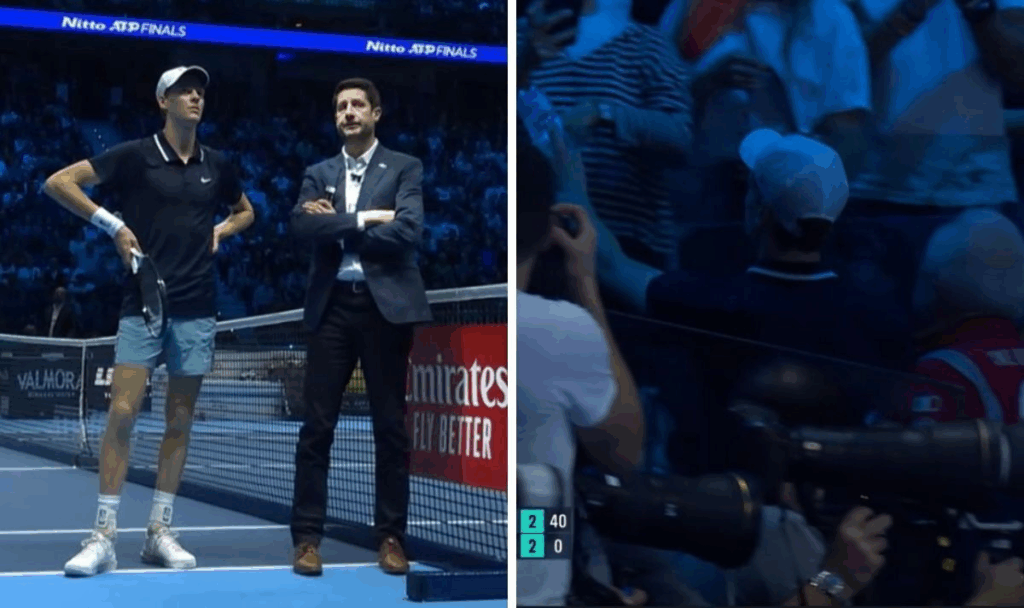
The ATP Finals medical emergency during the semi-final match between Alexander Zverev and Felix Auger-Aliassime brought a shocking pause to high-stakes tennis. In a tense atmosphere where both players were vying for the last semi-final spot, the match was abruptly interrupted by a suspected health crisis among the fans. With the roar of the crowd replaced by confusion and concern, umpire Renaud Lichtenstein swiftly assessed the situation, calling for medical assistance to attend to the ailing spectator. Spectators watched in hushed anticipation as the two tennis stars anxiously awaited the resolution of the unexpected interruption. This incident has sparked considerable ATP Finals news coverage as players and fans alike reflect on the potential risks associated with live sporting events and the importance of swift medical response in tennis court emergencies.
In a dramatic twist at the ATP Finals, a sudden health scare momentarily halted the action on the court, leaving players and spectators bewildered. The unexpected tennis match interruption occurred as umpire Renaud Lichtenstein leapt into action, striving to manage the situation with professionalism and urgency. With Alexander Zverev and Felix Auger-Aliassime in suspense, the tournament’s atmosphere shifted from competitive adrenaline to collective concern for the wellbeing of a member in the audience. As medical staff swiftly descended upon the stands, spectators were reminded of the importance of safety during such intense sporting events. This incident not only highlights the unpredictability of live tennis matches but also reinforces the vital role that medical personnel play in ensuring the health and safety of all attendees.
Understanding the ATP Finals Medical Emergency Incident
During a recent ATP Finals semi-final, the match between Alexander Zverev and Felix Auger-Aliassime was halted due to a medical emergency in the crowd. The interruption occurred at a critical moment in the match when Zverev was poised to serve while the score was 3-4. The unexpected chaos caused confusion among the players, both of whom were waiting for clarification from the chair umpire, Renaud Lichtenstein. This incident underscores how a medical emergency can not only disrupt the event but also elevate the tension for competitors in high-stakes moments.
The quick response of the officials was commendable. Umpire Lichtenstein promptly called for medical assistance, demonstrating the procedural diligence necessary in high-pressure environments such as the ATP Finals. As commentators observed the situation unfold, it became apparent that the medical emergency could have broader implications for the match’s outcome and the players’ mental states. While both players remained focused, the pause symbolized the unpredictable nature of live sports, where safety concerns can momentarily overshadow athletic competition.
The Role of Umpires in Tennis Match Interruptions
In the context of tennis, the responsibility of umpires during medical emergencies is critical. Umpire Renaud Lichtenstein’s decision to halt the match was not taken lightly, as he had to ensure the safety of everyone in attendance, including the players and spectators. By calling for medical aid promptly, he illustrated the core principle of prioritizing health and safety, embodying the essence of sportsmanship that is often overlooked during competitive play. This incident at the ATP Finals serves as a reminder of the umpires’ vital role in crisis management within the sport.
Moreover, umpires must balance the continuity of the match with the urgent need to address emergencies. This was evident as Lichtenstein communicated with both players, ensuring they understood the situation while also managing the surrounding chaos. The ability to maintain the flow of the game after a pause, as he did when he signaled for play to resume, further highlights the complexities of officiating. Effective communication and leadership during such interruptions can mitigate player confusion and help restore focus, allowing competition to resume with minimal disruption.
Impact of Medical Emergencies on Players’ Performance
The occurrence of a medical emergency can profoundly impact athletes’ performances, as evidenced by the recent ATP Finals match. Both Zverev and Auger-Aliassime experienced a moment of uncertainty that could have affected their mental game. Players often rely on their routines and rhythms during matches, and such unexpected interruptions can disrupt their focus. Zverev, who managed to hold serve shortly after the delay, demonstrated resilience; however, Auger-Aliassime’s ability to maintain concentration to secure the first set highlights how players can respond differently to similar situations.
Mental fortitude is a crucial factor in high-stakes matches, especially during the ATP Finals, where pressure peaks. The brief break may have allowed both players a moment to reassess their strategies and invoke that mental strength upon resuming the match. Additionally, the nature of the incident—a medical emergency—can infuse a sobering reality check, reminding players of their vulnerability and the humanity within competitive sports. Each individual’s response to such disruptions showcases their unique coping mechanisms and experience under pressure.
Analyzing Reactions to the ATP Finals Interruption
The reactions from players and commentators during the ATP Finals medical emergency incident were telling of the event’s intensity. Alexander Zverev and Felix Auger-Aliassime exhibited a mix of confusion and concern, a natural response considering their positions in the match. Commentators reflected on this moment with varying degrees of urgency, showcasing their duty to keep audiences informed while respecting the gravity of the situation. This dual perspective highlights the collective emotional investment not just from players but also from viewers around the world.
Additionally, the broadcasting of such medical incidents in live sports raises questions about how disruptions are handled in real-time. The commentary team, including Laura Robson and Jonathan Overend, addressed the unfolding scene with professionalism, navigating the need for information while maintaining sensitivity to the possible implications of a medical emergency. Their insights into the potential delay also underscored the unique challenges faced by sports commentators when balancing live observations with health and safety concerns.
Historical Context of Medical Emergencies in Tennis
Medical emergencies in tennis are not unprecedented, as the ATP Finals continue to be a stage where such incidents can occur. This recent interruption was not an isolated event; another match involving Lorenzo Musetti and Alex de Minaur had similarly paused to address a health issue among spectators just days earlier. These occurrences remind fans and players alike of the need for protocols that prioritize spectator safety during matches. The ATP’s responsiveness to such emergencies illustrates its commitment to ensuring a secure environment.
Additionally, examining historical contexts helps place the importance of medical response in perspective. Incidents in the past, such as player injuries or spectator health issues, have shaped the operational procedures of major tournaments. The ATP Finals have made strides in implementing robust safety measures, which reflects an understanding that sporting events must prioritize the welfare of all involved. As tennis evolves, learning from previous medical emergencies can enhance preparedness and response protocols in future tournaments.
Fan Safety Protocols During Major Tournaments
The safety of fans at major events like the ATP Finals is paramount. Protocols are in place to ensure rapid response to medical emergencies, similar to the incident that occurred during the semi-final match between Zverev and Auger-Aliassime. The ability of tournament staff and medical personnel to react swiftly is crucial in managing any health crises and upholding a safe environment for all attendees. These established safety measures not only protect spectators but also ensure that players can compete without the added distraction of potential hazards.
In recent years, major sporting events have increasingly focused on enhancing safety protocols, especially in response to past incidents. From trained medical teams stationed throughout venues to the integration of advanced communication systems, the ATP Finals exemplify best practices when it comes to crowd safety. Fans can enjoy the thrill of live matches with the reassurance that health emergencies are taken seriously and addressed promptly to minimize disruption. Ongoing training for staff also ensures that everyone is prepared to act swiftly in emergencies, further promoting a safe experience.
The Emotional Toll of Match Interruptions on Players
The emotional toll on players during match interruptions cannot be overlooked. For Zverev and Auger-Aliassime, the momentary halt during their ATP Finals match could have evoked a range of feelings, including anxiety, confusion, and frustration. Athletes train tirelessly to maintain their focus and rhythm, and any disruption often forces them to recalibrate their mindset. Understanding how to handle such interruptions is an integral part of a player’s mental training, allowing them to navigate unforeseen circumstances during competitions.
Moreover, psychological resilience is tested in the wake of incidents like medical emergencies. Players must compose themselves immediately after a pause, drawing on their inner strength to re-engage with the match. The juxtaposition of high competition and emotional response during the ATP Finals showcases the delicate balance athletes must strike. Each player’s unique approach to overcoming temporary mental challenges plays a significant role in their overall performance and demonstrates the broader human experience behind professional sports.
Building Resilience in High-Stakes Tennis Matches
Building resilience is crucial for players competing in high-stakes tournaments like the ATP Finals. The ability to quickly recover from unexpected events such as medical emergencies can define the difference between victory and defeat. For Zverev and Auger-Aliassime, maintaining their composure during the interruption required mental agility. Resilience training, which includes visualization techniques and stress management strategies, is instrumental in preparing athletes for the unpredictable nature of competitive tennis.
Furthermore, fostering a positive mindset in the face of challenges strengthens players’ mental fortitude. Working with sports psychologists, competitors develop tools to remain focused and adaptable, even when their ability to concentrate is tested by events outside their control. By cultivating these skills, players not only enhance their performance on-court but also improve their overall well-being, making resilience an essential component of success at the ATP Finals and beyond.
Looking Ahead: Future Considerations for ATP Finals and Player Safety
As the ATP Finals continue to evolve, future considerations surrounding player safety and crowd management will be paramount. The recent medical emergency incident serves as an important reminder for organizers to review existing protocols and explore further improvements. Ensuring that medical staff and emergency response teams are adequately prepared to handle such incidents effectively can help mitigate the impact of any future disruptions. Evaluating the effectiveness of current guidelines will enhance the overall safety of both players and spectators.
Moreover, the ATP’s commitment to transparency regarding safety measures will foster trust and confidence among fans attending future tournaments. Clear communication about protocols and emergency procedures can ensure that spectators feel secure while enjoying live events. The ATP Finals have always pushed the boundaries of competitive tennis, and maintaining a focus on health and safety will only serve to elevate the experience and uphold the integrity of the sport.
Frequently Asked Questions
What happened during the ATP Finals medical emergency involving Zverev and Auger-Aliassime?
The ATP Finals semi-final match between Alexander Zverev and Felix Auger-Aliassime was temporarily interrupted due to a suspected medical emergency in the crowd. Chairman umpire Renaud Lichtenstein paused the match when spectators were heard shouting and whistling, indicating a possible issue needing medical assistance.
What is the procedure when there is a medical emergency during an ATP Finals match?
When a medical emergency occurs during an ATP Finals match, the chair umpire is responsible for assessing the situation. They may pause the match and call for medical help from officials on-site, ensuring that player safety and spectator well-being are prioritized before resuming play.
How did Zverev and Auger-Aliassime react to the ATP Finals medical emergency?
During the ATP Finals medical emergency, both Alexander Zverev and Felix Auger-Aliassime appeared puzzled as the umpire intervened. They waited for clarification while officials attended to the situation, showing concern but maintaining focus on the match.
What were the impacts of the medical emergency on the ATP Finals match pace?
The medical emergency during the ATP Finals match caused a brief pause in play, which temporarily disrupted the rhythm for both players. Despite the interruption, play resumed shortly afterward, allowing Auger-Aliassime to claim the first set against Zverev.
Have there been other instances of medical emergencies at the ATP Finals?
Yes, there have been other instances of medical emergencies at the ATP Finals. For example, a previous group-stage match between Lorenzo Musetti and Alex de Minaur was also interrupted for nearly nine minutes due to a medical incident involving a spectator.
Who was responsible for calling for medical help during the ATP Finals incident?
Chair umpire Renaud Lichtenstein was responsible for calling for medical help during the ATP Finals incident. He used his walkie-talkie to ask for assistance after sensing a disturbance in the stands, indicating a potential medical emergency.
| Key Points | Details |
|---|---|
| Match Pause | The ATP Finals semi-final match between Zverev and Auger-Aliassime was paused due to a medical emergency in the crowd. |
| Umpire’s Action | Chair umpire Renaud Lichtenstein took prompt action by pausing the match to address the situation. |
| Players’ Reaction | Both players were confused by the sudden interruption and sought clarification from the umpire. |
| Medical Assistance | Medical staff were called to attended to the issue quickly; initial uncertainty surrounded the nature of the emergency. |
| Match Resumption | The match resumed after medical staff addressed the situation, with Zverev later holding serve. |
| Similar Incidents | This incident was not unique, as there was a previous match pause during the ATP Finals for a similar crowd issue. |
Summary
The ATP Finals medical emergency during the semi-final match created a brief yet impactful interruption, highlighting the importance of safety in sports. Players Alexander Zverev and Felix Auger-Aliassime found themselves in a tense situation as the crowd disturbance delayed their match. The prompt action taken by umpire Renaud Lichtenstein ensured that necessary medical help was called, emphasizing the readiness of officials to handle such emergencies. Fortunately, the match resumed quickly, showcasing how professionalism and safety are paramount, even amidst high-stakes competition.

