Listen to this article
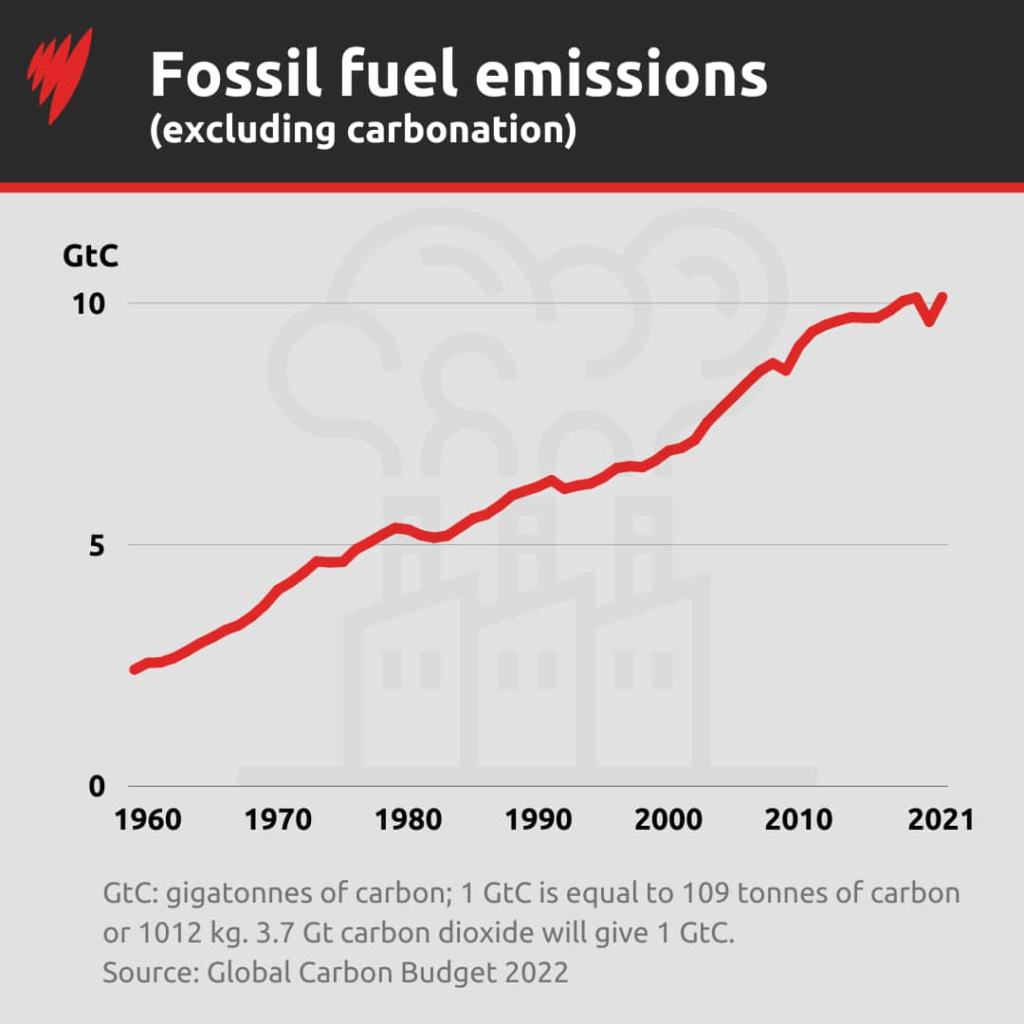
Fossil fuel emissions continue to pose a significant threat to our climate, with projections indicating the highest levels of carbon dioxide emissions ever recorded this year. This alarming trend highlights the slow progress we are making in climate change action, especially as nations gather for the COP30 climate summit in Brazil. However, there is a silver lining; the growth of renewable energy has lessened the pace of emissions over the past decade, offering some hope for the planet. As countries transition towards greener energy solutions, reducing reliance on fossil fuels for electricity generation can play a crucial role in curbing CO2 emissions. It is evident that if we are to change the trajectory of climate change, immediate action and a focus on sustainable energy sources are imperative.
The issue of greenhouse gas release from traditional energy sources is an urgent topic as worldwide reliance on coal, oil, and natural gas continues to impact our environment. As nations strive for a sustainable future, the discussion surrounding fossil energy’s impact on rising carbon levels has gained prominence, especially in light of the upcoming international gatherings like COP30. The transition towards cleaner energy, notably marked by the rapid adoption of solar and wind technologies, is seen as a beacon of hope in mitigating these harmful emissions. Calls for climate responsibility have never been louder, especially as experts analyze the potential of renewable energy growth in shifting the balance toward a healthier planet. Developing strategies to phase out electricity generation reliant on fossil fuels is essential for long-lasting climate solutions.
The Growing Concern of Fossil Fuel Emissions
As the world grapples with the implications of climate change, fossil fuel emissions continue to be a pressing concern. Experts predict that these emissions will surpass all previous records this coming year, underscoring the urgency for climate action. During the UN climate summit COP30 in Brazil, it is clear that while some progress has been made, the global community is struggling to meet established targets for reducing these harmful emissions. The continued reliance on fossil fuels illustrates a significant challenge as nations attempt to balance economic growth with environmental responsibility.
Data indicates that fossil fuel emissions, particularly carbon dioxide, are on track to reach alarming levels. With projections estimating that emissions will hit 38.1 billion tonnes this year, the situation calls for a rapid transformation in energy generation. Despite the stagnation in fossil fuel use for electricity generation due to renewable energy advancements, the overall trend remains troubling, reminding us that more concerted efforts are needed to combat climate change effectively.
Renewable Energy Growth: A Beacon of Hope
Despite the concerning data on fossil fuel emissions, renewable energy growth offers a glimmer of hope in the fight against climate change. The expansion of renewable technologies, particularly solar and wind power, has marked a turning point in the energy sector. As electric cars and heat pumps become more prevalent, the demand for cleaner energy sources has surged, prompting a notable shift away from fossil fuel reliance. This transition not only has environmental benefits but also positions countries to meet their climate obligations more effectively.
The recent findings from clean energy think tank Ember show that electricity generated from fossil fuels is stabilizing, thanks to the remarkable acceleration in solar energy production. This development signifies a crucial shift towards sustainable energy solutions. With many countries notably reducing their fossil fuel emissions while achieving economic growth, it becomes evident that addressing climate change and fostering economic resilience can go hand in hand. As we harness the potential of renewable resources, we can work towards sustainable patterns of development.
The Importance of Climate Change Action
Climate change action is more critical than ever as global temperatures continue to climb, leading to severe weather events and ecological disruptions. Policymakers and environmental groups stress the importance of immediate actions to curb fossil fuel emissions, particularly as the COP30 summit highlights the consequences of inaction. To limit the rise in global temperatures to manageable levels, coordinated efforts across nations are required to enact policies that promote sustainability and reduce carbon footprints.
The daunting reality is that current projections suggest warming could reach up to 2.6°C by the century’s end if present trends persist. This stark warning highlights the dire stakes of our climate situation. It is essential for countries to leverage the technological momentum achieved in recent years—such as advancements in renewable energy—to reverse this trajectory. Failing to implement meaningful climate strategies could lead us to a future marked by increasing temperatures and associated climate catastrophes.
Electricity Generation from Fossil Fuels: Trends and Perspectives
Electricity generation from fossil fuels has faced increasing scrutiny as the world shifts towards more sustainable energy sources. Recent data indicate that the reliance on fossil fuels for electricity is starting to level off, primarily due to the exponential growth in renewable energy technologies. This shift signifies a crucial change in how energy is produced and consumed globally. While fossil fuels have historically dominated the energy landscape, the emergence of renewables highlights a transformative period in energy policy.
The International Energy Agency (IEA) supports the notion that carbon emissions from energy systems, including electricity generation, may peak within a few years. This projection is contingent upon countries adhering to climate commitments and further investing in clean technologies. Renewable energy not only supports electricity generation goals but also plays a pivotal role in decreasing overall carbon dioxide emissions, thus paving the way for a more sustainable global energy future.
The Impacts of COP30 on Global Climate Initiatives
The COP30 climate summit serves as a crucial platform for nations to solidify their commitments to addressing climate change. With the release of alarming reports regarding fossil fuel emissions, this year’s summit emphasizes the need for collective action and accountability. It becomes increasingly clear that the dialogue and decisions made at COP30 will significantly influence the course of global climate initiatives. Countries have an unprecedented opportunity to forge strong agreements that could steer collective efforts away from fossil fuel dependence.
As discussions unfold at COP30, leaders must consider the urgent need for ambitious climate policies that align with the latest scientific insights on emissions reductions. Failure to act decisively could solidify a trend towards higher global temperatures, ultimately jeopardizing any progress made in recent years. The summit highlights the interconnectedness of national strategies and global challenges, reminding us that collaboration is essential for sustained climate progress.
Understanding Carbon Dioxide Emissions: Challenges Ahead
Carbon dioxide emissions remain a focal point in ongoing discussions about climate change and sustainability. With estimates projecting a rise to 42.2 billion tonnes CO2 in 2025, scrutiny around how these emissions are tracked and managed is paramount. The intricate relationship between fossil fuels, land-use changes, and emissions necessitates a comprehensive understanding of their collective impact on the environment. Delaying action on these fronts could exacerbate climate-related issues in the long term.
Moreover, with projections suggesting emissions may stabilize due to renewable energy advances, it is crucial to recognize that this is merely the first step. The true challenge lies in achieving net zero emissions to halt climate changes firmly. Without addressing carbon dioxide emissions at their source, nations risk perpetuating the cycle of warming and environmental degradation. Investing in cleaner energy sources and innovative technologies can facilitate this transition and set the groundwork for a sustainable future.
The Role of Policy in Mitigating Climate Change
Policy plays a critical role in shaping the future of climate action and sustainability. As countries face the pressing challenge of rising fossil fuel emissions, the implementation of sound environmental policies is essential. Effective legislation can promote the growth of renewable energy while providing a framework for reducing dependence on fossil fuels. This shift not only addresses emissions but also encourages innovative solutions for environmental conservation.
The impact of strong policy measures cannot be underestimated. By establishing ambitious climate goals, nations can foster a culture of accountability and propel the growth of green technologies. In light of the COP30 summit discussions, it becomes essential for world leaders to recognize the importance of forward-thinking policies that prioritize both climate change mitigation and economic growth. This strategic alignment will be crucial in determining the future of our planet.
Fossil Fuels and Economic Growth: A Complex Relationship
The relationship between fossil fuels and economic growth has historically been characterized by a dependence that raises critical questions for future sustainability. While fossil fuels have been instrumental in powering economies, the emerging energy landscape reveals that growth can thrive without heavy reliance on these resources. As more countries have demonstrated significant reductions in fossil fuel emissions alongside economic expansion, we see new pathways for growth that prioritize renewable energy and sustainability.
This complex dynamic is further highlighted by recent trends showing a gradual decoupling of economic productivity from fossil fuel consumption. Innovations in technology, driven by the urgent need for climate change action, have opened doors to cleaner energy solutions that bolster economic resilience. The challenge now lies in maintaining this momentum and ensuring that future development strategies align with global climate goals, especially as the world leans toward greener energy solutions.
Looking Ahead: Transforming Energy Systems for a Sustainable Future
The future of global energy systems is at a pivotal crossroads as the impacts of climate change become increasingly apparent. Transitioning towards a sustainable, renewable energy-focused landscape will require collaborative efforts on multiple fronts. The continuous growth of solar and wind power, as evidenced by current trends, suggests that positive changes are attainable with the right investments and commitments at national and global levels.
To achieve lasting progress, there is an urgent need for a concerted shift away from fossil fuel emissions and towards greener alternatives. Engaging in dialogues like those at COP30 is crucial for setting ambitious targets that reflect the urgency of the situation. By leveraging technological advancements and fostering inclusive policies, countries can move closer to realizing a sustainable future where energy generation and climate stability coexist.
Frequently Asked Questions
What are fossil fuel emissions and why are they important in climate change discussions?
Fossil fuel emissions refer to the release of greenhouse gases, primarily carbon dioxide (CO2), during the combustion of fossil fuels like coal, oil, and natural gas. These emissions are crucial in climate change discussions as they are the leading contributors to global warming, making it essential to transition to renewable energy sources to mitigate their impact.
How do fossil fuel emissions compare to renewable energy growth?
Fossil fuel emissions have shown a slower growth rate due to the rapid expansion of renewable energy, particularly solar power. This indicates a potential peak in global emissions, highlighting the increasing importance of renewable energy growth in combating climate change.
What role do fossil fuel emissions play in the COP30 climate summit discussions?
At the COP30 climate summit, fossil fuel emissions dominate discussions as nations assess their commitments to reducing CO2 emissions. The summit aims to address the urgency of implementing climate change action to meet international targets and mitigate the impacts of fossil fuel dependence.
How do fossil fuel emissions from electricity generation impact climate change?
Electricity generation from fossil fuels is a major source of carbon dioxide emissions, significantly impacting climate change. Trends show that emissions in this sector are stabilizing and may even decline, thanks to the growth of renewable energy sources like wind and solar.
What is the predicted future of fossil fuel emissions based on recent analyses?
Recent analyses suggest that fossil fuel emissions could peak in the coming years due to the advancements in renewable energy technology and policies. However, until global carbon dioxide emissions reach net zero, warming will continue, underscoring the need for comprehensive climate action.
What measures can nations take to reduce fossil fuel emissions and promote sustainable energy?
Nations can implement policies that promote renewable energy growth, invest in clean technologies, and establish emissions reduction targets to curb fossil fuel emissions. Collaborative efforts at international summits like COP30 are essential to accelerate these changes and drive climate action.
How do land-use changes affect fossil fuel emissions and overall CO2 levels?
Land-use changes, such as deforestation, can influence carbon dioxide emissions by either increasing or decreasing atmospheric CO2 levels. Recent projections indicate lower emissions from land-use changes this year, which may partially counterbalance rising fossil fuel emissions.
What is the significance of achieving net zero emissions in the context of fossil fuel emissions?
Achieving net zero emissions is critical in the fight against climate change as it means balancing the amount of greenhouse gases produced and removed from the atmosphere. This goal highlights the need to drastically reduce fossil fuel emissions to halt further warming and protect our environment.
What challenges do countries face in reducing fossil fuel emissions while growing their economies?
Countries face the challenge of transitioning to cleaner energy sources while maintaining economic growth. The recent success of 35 nations in reducing fossil fuel emissions without hindering economic development offers a blueprint for balancing these seemingly conflicting goals.
In what ways can technological advancements influence fossil fuel emissions reduction?
Technological advancements, particularly in renewable energy and energy efficiency, play a vital role in reducing fossil fuel emissions by providing cleaner alternatives for electricity generation and transportation, thereby facilitating broader climate change action.
| Key Points | Details |
|---|---|
| Increase in Carbon Emissions | Fossil fuel consumption is expected to release 38.1 billion tonnes of CO2 in 2025, a 1.1% increase from 2024. |
| Mixed Trends in Emissions | Emissions from fossil fuels have grown slower (0.3% per year) in the last decade compared to 1.9% previously, indicating progress. |
| Impact of Renewable Energy | Electricity generation from fossil fuels is level, supported by the rapid expansion of solar power—signifying potential stabilization of emissions. |
| Economic Growth with Reduced Emissions | 35 countries have reduced fossil fuel emissions while growing their economies, nearly double from the previous decade. |
| Urgency of Climate Action | Current policies may lead to warming of 2.6°C by century’s end if no strong action is taken against fossil fuel emissions. |
Summary
Fossil fuel emissions are projected to reach unprecedented levels this year, revealing the slow progress in combating climate change. Despite a minor increase, advancements in renewable energy offer a glimmer of hope for emission stabilization. The current trajectory requires immediate and robust action to meet climate goals and mitigate severe global warming.