
Listen to this article
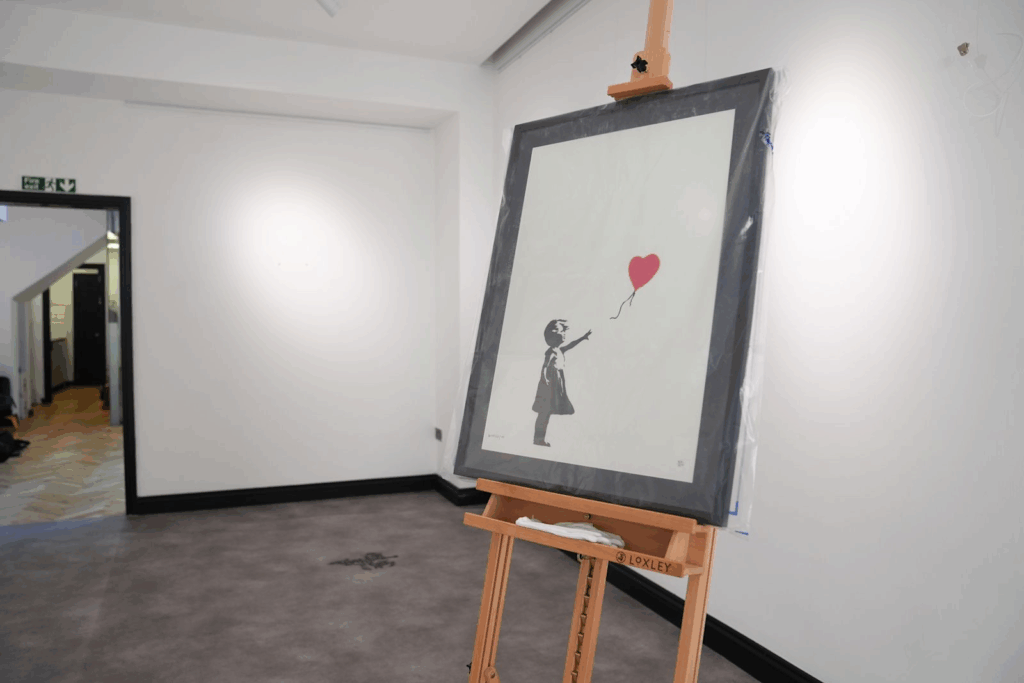
In a striking case that blends the world of art with the underbelly of crime, a man has been sentenced to 13 months in prison for stealing a Banksy print. The theft occurred at the Grove Gallery in Fitzrovia, Central London, where the infamous artwork from the ‘Girl With Balloon’ series was on display. This crime news highlights not only the allure of Banksy’s work but also the desperate lengths to which individuals might go to resolve issues like drug debt crime. Local authorities, including the Metropolitan Police’s Flying Squad, managed to recover the stolen print, valued at approximately £270,000, shortly after the burglary. As Banksy art theft continues to capture public interest, this incident raises questions about the intersection of art and crime in urban settings.
The recent incident involving a stolen Banksy artwork sheds light on broader themes of artistic crime and societal struggles. Known for his provocative street art, Banksy’s creations often attract attention not only for their aesthetic value but also for the controversies they stir. Describing this event as an art gallery theft highlights the complexities of crime in urban environments, especially when tied to issues like financial desperation. The motivations behind this burglary resonate with many as they reflect the harsh realities of those grappling with drug-related debts. When considered from various angles, the theft of such a valuable piece encapsulates a narrative of privilege and plight in modern society.
The Shocking Banksy Print Theft Incident
In a brazen act of art crime, Larry Fraser, a 48-year-old man, stole a valuable Banksy print from the Grove Gallery in Fitzrovia, London. This heist, taking place in September, escalated into a significant crime news story when it became clear that Fraser aimed to pay off a drug debt with his daring act. He smashed through the gallery’s glass door, demonstrating a premeditated strategy to secure the famed ‘Girl With Balloon’ print, valued at an astonishing £270,000. Little did he know, this crime would lead him straight to Kingston Crown Court, where he was sentenced to 13 months in prison.
The theft raised eyebrows not only due to the criminal nature of the act but also because of Fraser’s motive behind the burglary. The prosecution highlighted that Fraser was struggling with personal issues related to drug debt and was facing immense pressure at the time of the crime. Despite his claims of not knowing the exact value of the print until later, the court recognized the gravity of his actions, marking it as a serious non-domestic burglary. This case serves as a stark reminder of the undercurrents leading to crime and how desperation can drive individuals to commit acts they might not normally consider.
Following Fraser’s admission of guilt and the subsequent trial proceedings, the courts took into account the significant implications of art theft not only on the direct victims – in this case, the gallery and the artist’s reputation – but on the broader narrative surrounding art crime. The art community felt the ripples of this incident, as Banksy’s work continues to attract attention and demand due to its social commentaries and impactful imagery. Furthermore, the quick recovery of the artwork by the Metropolitan Police added a sense of resolution to a situation fraught with tension, highlighting law enforcement’s commitment to tackling crime related to valuable pieces of art.
While Fraser’s case concludes with a custodial sentence, it opens the door to larger discussions about the intersection of drug-related crimes and art theft. It emphasizes how socioeconomic factors and personal struggles, including those surrounding addiction and financial difficulties, can push individuals toward crimes of desperation, such as art gallery theft. This incident not only serves as a key case in crime news but also as a focal point for understanding the complexities behind the motivations for such crimes.
The Legal Ramifications of Art Theft
The legal system’s approach to art theft, as exemplified in the case of Larry Fraser, reflects the serious nature of these crimes. When people think of burglary, they often envision traditional robbery; however, the theft of valuable art such as a Banksy print is treated with significant legal repercussions, largely due to its financial and cultural worth. During Fraser’s trial, Judge Anne Brown characterized his actions as brazen and indicative of a high degree of planning, pointing to the seriousness with which art theft is viewed by the judiciary. His previous criminal history, featuring 18 convictions, also played a role in determining the severity of the sentence, emphasizing the need for deterrence against future art crimes.
Moreover, the implications of Fraser’s sentencing extend beyond the individual case. The judicial outcomes associated with art theft deter potential offenders while ensuring that the cultural heritage encapsulated in such artwork is protected. Legal precedents set forth in cases like this highlight the judiciary’s commitment to addressing crimes that affect public interest, safeguarding not just the physical pieces of art but also the legends and stories behind their creation.
In recent years, there has been a growing awareness of the need for specialized laws that address art theft more comprehensively. Art gallery thefts can result in the loss of cultural assets that are irreplaceable and far-reaching in their importance to societal heritage. As courts increasingly recognize the calculated nature of these crimes, there is a movement towards enriching legal frameworks to better guard against art theft. People involved in the art world, including curators and gallery owners, are advocating for stronger regulations to prevent similar incidents in the future, and for stiffer penalties for those involved in art-related crimes.
Fraser’s case, while an unfortunate example of crime emerging from personal trauma, opens the floor for dialogues about the root causes of such criminal behavior. It shows how individuals caught in cycles of addiction and debt can resort to extreme measures. Moving forward, the legal system may benefit from a dual approach to such cases: one that pursues justice for the crime itself while also recognizing the underlying issues faced by the perpetrators, allowing for rehabilitation in conjunction with punishment to break the cycle of crime and addiction.
Art Crime and Its Societal Impact
Art theft, particularly high-profile cases like the theft of a Banksy print, captures the public’s imagination and raises questions about the broader implications of such crimes on society. The impact extends beyond the immediate loss of valuable artwork, stirring conversations around issues such as socioeconomic disparities, the prevalence of drug-related crimes, and the desperation that can lead individuals to commit theft. In the case of Larry Fraser, the motivations underpinning his crime lie in a personal battle against drug debt – a struggle that resonates with many in today’s challenging economic climate. Art theft thus becomes a lens through which we can examine deeper societal issues, illustrating the complex intertwining of crime, poverty, and addiction.
The art world is not just a domain for wealthy collectors and institutions; it often intersects with sociocultural narratives that reflect the struggles of a community. When an esteemed piece of art is stolen, it shocks the collective consciousness and puts a spotlight on the vulnerabilities that exist within our society. The theft of Banksy’s work, particularly given its embedded messages about social issues, highlights how art can transcend its physical value and become a symbol of rebellion, protest, or, in this case, desperation leading to crime.
Furthermore, art theft can also trigger discussions about the responsibilities of galleries and organizations displaying such valuable works. The Grove Gallery, where Fraser committed the burglary, is not only a custodian of art but also a community space that holds cultural significance. As such, the theft serves as a wake-up call for art institutions about the need for enhanced security measures. This incident also emphasizes the responsibility that galleries have in balancing accessibility to art with the imperatives of protection against theft. In moving forward, art institutions must strategize their operations to mitigate risk while fostering a vibrant cultural scene that resonates with the public and nurtures artistic expression.
In conclusion, while the theft of works like Banksy’s print may initially seem like a story of crime and punishment, it quickly evolves into a broader social commentary. By placing this incident within the larger context of society’s struggles with drugs and economic hardship, it becomes clear that art crimes are symptoms of deeper issues, prompting discussions about responsibility, culture, and the lasting impact of art in navigating societal challenges.
Frequently Asked Questions
What is the recent Banksy print theft case about?
The recent Banksy print theft case revolves around Larry Fraser, who stole a limited edition Banksy print from the Grove Gallery in London to pay off a historical drug debt. The theft occurred in September, and Fraser has since been sentenced to 13 months in prison.
How was the Banksy print stolen from the art gallery?
Larry Fraser committed the theft by breaking into the Grove Gallery in Central London. He waited outside for about 10 minutes before using a heavy object to smash the glass door and access the gallery, directly targeting the signed and numbered Banksy print from the ‘Girl With Balloon’ series.
What was the value of the Banksy print that was stolen?
The stolen Banksy print was valued at approximately £270,000. This artwork was a significant part of a £1.5 million exhibition at the grove gallery featuring 13 pieces by the street artist.
What were the circumstances surrounding the Banksy art theft?
The Banksy art theft occurred under circumstances involving pressure linked to Larry Fraser’s historical drug debt. While he claimed he was unaware of the print’s exact value until the day of theft, he acknowledged its potential worth.
What happened to the stolen Banksy print after the theft?
After the theft, the Banksy print was recovered by the Metropolitan Police’s Flying Squad just days later, thanks to information provided by a third party. It was found undamaged hidden in a building in London Docklands.
Was anyone else involved in the Banksy print theft case?
Yes, a second man named James Love was accused of being the getaway driver during the Banksy print theft but was acquitted at trial. The case primarily focused on Larry Fraser, who pleaded guilty to the burglary.
What sentence did Larry Fraser receive for the Banksy print theft?
Larry Fraser received a sentence of 13 months in prison for the Banksy print theft. However, it was mentioned that he might be eligible for immediate release due to the time served under an electronic curfew.
What did the judge say about the seriousness of the Banksy art theft?
Judge Anne Brown remarked that the Banksy art theft was a ‘brazen and serious non-domestic burglary.’ She specified that despite Fraser’s claims of pressure to commit the crime, the offense was too serious for a suspended sentence.
How has the theft affected the value of the Banksy print?
The notoriety gained from the theft may have increased the value of the Banksy print, adding a layer of intrigue to its market potential following the incident.
What were Larry Fraser’s prior legal issues before the Banksy print theft?
Before the Banksy print theft, Larry Fraser had 18 previous convictions, including robbery and unlawful wounding, with his last incarceration occurring in 2002.
| Key Points |
|---|
| Larry Fraser, 48, stole a Banksy print to pay off a drug debt. |
| He broke into the Grove Gallery in London on September 8, 2022. |
| Fraser was sentenced to 13 months in prison for burglary. |
| The artwork, valued at around £270,000, was recovered undamaged. |
| Fraser had a history of crime, with 18 previous convictions. |
| Judge Anne Brown noted the seriousness of the crime during sentencing. |
Summary
The Banksy print theft case has highlighted the serious implications of art crime and the lengths individuals may go to resolve financial pressures. Larry Fraser’s attempt to pay off a drug debt by stealing a valuable Banksy piece resulted in his imprisonment, illustrating the intersection of crime and art. The recovery of the print showcases the swift action of law enforcement but underscores the escalating concerns around the security of high-value artworks.