
Listen to this article
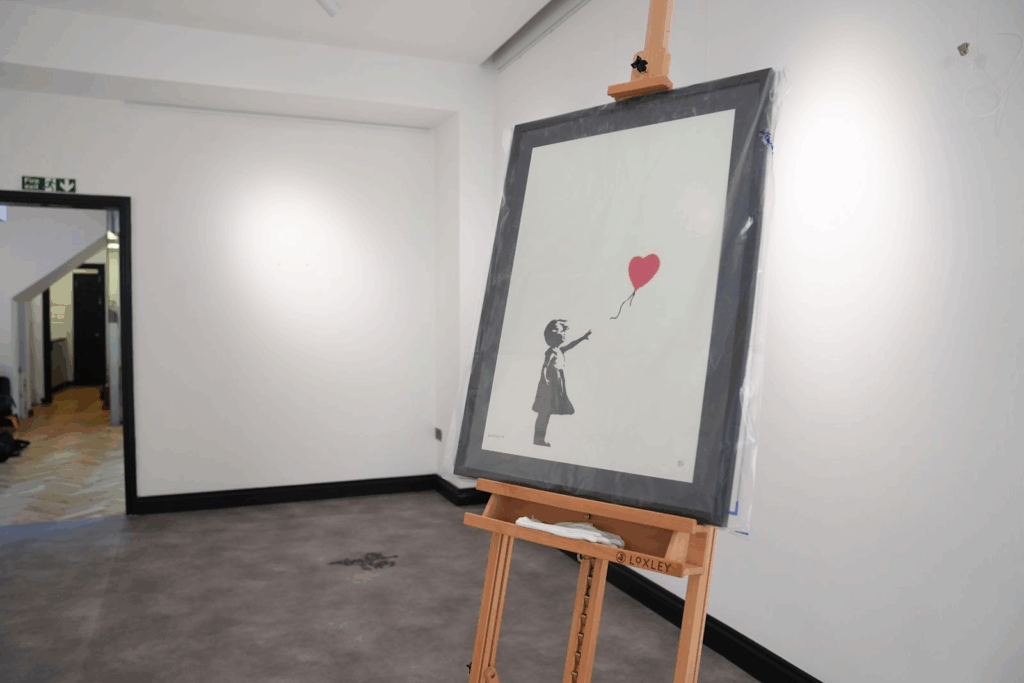
The recent case of Banksy print theft has captured headlines, highlighting the audacity of art crimes in London. In a brazen act, Larry Fraser stole a limited edition print from Banksy’s iconic *Girl With Balloon* series, breaking into the Grove Gallery in Fitzrovia. This shocking incident falls under the broader category of art gallery burglary, raising concerns about security in establishments that house valuable pieces. The theft not only threatened the gallery’s reputation but also sparked significant *London crime news*, underscoring the intersection of art and crime in urban landscapes. Thankfully, the cherished Banksy recovered print was swiftly returned to the gallery, showcasing effective police work, but the repercussions of this crime will resonate in the art community for quite some time.
Recent discussions around the theft of a Banksy artwork have ignited interest in how contemporary art can become a target for crime. This particular incident involved a limited edition piece from the renowned *Girl with Balloon* collection, which was stolen during a nighttime heist at an art exhibition. The event underscores a troubling trend in art-related crimes, with implications for both galleries and collectors. Within this context of art thefts, such incidents often receive coverage in local crime reports, affecting perceptions of safety in cultural spaces. Fortunately, the quick recovery of this Banksy piece reassures the public and the art community about the commitment to preserving invaluable works.
Overview of the Banksy Print Theft Incident
In September 2022, a significant incident occurred at the Grove Gallery in Fitzrovia, London, when a man named Larry Fraser executed a burglary to steal a valuable Banksy print from the acclaimed ‘Girl With Balloon’ series. His actions resulted in a high-profile case that showcased not only the complexities of art crime but also the efforts of law enforcement in tackling such offences. Fraser, motivated by a historic drug debt, was captured on CCTV waiting outside the gallery and subsequently smashed the glass door to gain entry, demonstrating a brazen disregard for the law.
The stolen print, valued at approximately £270,000, was part of a prestigious £1.5 million exhibition featuring 13 of Banksy’s works. The theft not only raised questions about security measures in art galleries but also shed light on the underbelly of crime that often intertwines with the art market. Fraser’s actions were categorized as a serious non-domestic burglary by the judge, highlighting the severity of art theft in contemporary society, particularly within the buzz surrounding Banksy’s controversial and globally recognized art.
Consequences of the Art Gallery Burglary
As a result of the burglary, Larry Fraser was sentenced to 13 months in prison after pleading guilty. The court proceedings revealed his history, including 18 previous convictions, and cited his long-standing battle with drug addiction as a contributing factor to his criminal behaviour. The judge, emphasizing the serious nature of his actions, noted that despite Fraser’s claims of ignorance regarding the artwork’s value, he clearly understood the significance of what he was stealing. This case serves as a stark reminder of the legal implications surrounding art theft and its impact on society.
Following Fraser’s conviction, the stolen Banksy print was recovered just days after the heist, thanks to the swift actions of the Metropolitan Police’s flying squad. The rapid return of the artwork to the gallery not only brought relief to the gallery owner, Lindor Mehmetaj, but also reinforced public trust in law enforcement’s ability to combat art crime. DCI Scott Mather described the operation as testament to the diligent and quick-thinking nature of his team, emphasizing the importance of prompt action in recovering stolen art and maintaining the integrity of cultural institutions.
The Impact of Historic Drug Debts on Crime
Larry Fraser’s case illustrates the profound influence that historic debts can have on an individual’s choices and actions. Many people facing pressure from such debts may resort to criminal activities as a means of financial relief, often without considering the long-term consequences. In Fraser’s situation, his decision to steal a high-value Banksy print indicates a desperation that can be fostered by addiction and financial instability, raising important questions about the societal support systems available to those trapped in cycles of debt and substance misuse.
The intersection of drug addiction and criminal conduct is a challenging issue, and patients often require comprehensive rehabilitation options rather than punitive measures alone. Fraser’s lawyer, Jeffrey Israel, highlighted that the defendant had been making strides to overcome his past struggles, suggesting that a more holistic approach to such issues could yield better outcomes. Addressing the underlying causes of crime, such as addiction and mental health, is essential for reducing recidivism and supporting individuals in their reintegration into society.
The Recovery of Banksy Artwork by Police
The recovery of Banksy’s stolen print was executed within a mere four days and stands as a model of effective police work in art crime cases. The quick response by the Metropolitan Police’s flying squad not only safeguarded the artwork but also preserved the integrity of Banksy’s artistic legacy. Such rapid action is crucial in art theft cases, as the longer the artwork remains in the hands of criminals, the greater the probability that it could be sold on the black market or damaged.
DCI Scott Mather’s comments on the recovery process shed light on the importance of high-profile art pieces like Banksy’s ‘Girl with Balloon.’ The public response and media coverage surrounding these crimes highlight the collective cultural impact of artworks, making their preservation vital. The success of the operation emphasizes how proactive policing can deter future art crimes and assures gallery owners that their valuable collections can be adequately protected.
Public Perception of Banksy and Art Crime
The theft of Banksy’s artwork generated significant media attention, with many people expressing shock and outrage at the crime. As one of the most recognizable and controversial artists of our time, Banksy’s works often provoke strong reactions not just for their artistic merit but also for their social commentary. This incident brought to light broader discussions about the value of art, the lengths individuals go to to claim ownership, and the ethical implications of art theft.
Public sentiment towards Banksy has remained complex; while his art often critiques societal norms, the theft of his work evokes a sense of loss in the art community. Many art enthusiasts and collectors rallied around the cause of recovering the stolen print, showcasing the communal value placed on artistic heritage. The support for the police’s efforts reinforces the idea that art theft is not just a crime against the owner but a crime against culture itself.
Legal Ramifications of Art Theft
Art theft carries significant legal ramifications, with consequences that extend beyond the immediate prosecution of the offender. In cases like that of Larry Fraser, the courts must grapple with the complexities surrounding the value of art, the motivations of the offender, and the wider implications for art galleries. The legal process serves not just to punish but also to set precedents for how the law deals with future incidences of art crime, which increasingly feeds into a larger narrative about cultural preservation.
Furthermore, the growing recognition of art as an asset class has heightened the stakes in discussions related to art theft. Art galleries and collectors are urged to implement stronger security measures, utilize sophisticated tracking systems, and foster relations with law enforcement to safeguard their collections. As the art market evolves, the legal framework must adapt to the realities of art theft, balancing the protection of creative works with the recognition of the socio-economic factors that spurred the crime.
Art Galleries Facing Burglary Challenges
In light of incidents like the Banksy print theft, many art galleries are re-evaluating their security protocols to prevent such burglaries from occurring in the future. The inherent value of artworks, especially those by high-profile artists, makes galleries appealing targets for thieves. Implementing advanced security measures, including surveillance systems and rapid response protocols, becomes crucial in protecting these valuable collections.
Moreover, the incidence of art theft can tarnish a gallery’s reputation and deter future exhibitions, causing an economic ripple effect within the art community. As galleries seek to balance accessibility with security, they must strategize around both the physical protection of their works and the public’s desire to engage with art. This challenge necessitates collaboration between art professionals, security experts, and law enforcement to develop comprehensive solutions.
Banksy’s Legacy Amidst Art Theft Incidents
The events surrounding the theft and recovery of Banksy’s work contribute to his complex legacy in the art world. His pieces are celebrated for challenging societal norms and engaging with pressing social issues, yet they are also embroiled in conversations about art theft and the protection of cultural property. Each incident involving his work raises questions about the commodification of art and the lengths individuals will go to possess it, thus amplifying the discourse surrounding his legacy.
As Banksy’s art continues to resonate with audiences globally, the theft of works like ‘Girl With Balloon’ shines a light on the vulnerability of cultural treasures. It prompts a collective reflection on how society prioritizes the preservation of such works and the importance of ensuring that future generations have access to art that represents their culture. The interplay between art theft and its recovery may ultimately enrich Banksy’s narrative, as it underscores the ongoing relevance of his messages.
Future of Art Theft Prevention Strategies
Looking forward, the conversation around art theft prevention is becoming increasingly critical. With the rise in the value of artworks and the growing sophistication of criminals, galleries need to adopt cutting-edge technology and collaborative approaches to protect their collections. This could include enhanced security systems, better training for gallery staff, and greater awareness of the art market’s dynamics to curb potential thefts.
Additionally, fostering relationships within the art community, including law enforcement and public organizations, can create a united front against art theft. Implementing community engagement programs that raise awareness about the value of art theft prevention can empower art lovers and collectors, ensuring a wider cultural investment in the protection of artistic heritage.
Frequently Asked Questions
What happened during the Banksy print theft at the Grove Gallery?
The Banksy print theft occurred when Larry Fraser broke into the Grove Gallery in Fitzrovia, London, and stole a limited edition print from the ‘Girl with Balloon’ series. This incident took place on September 8, after which Fraser was sentenced to 13 months in prison for his actions.
How was the stolen Banksy print recovered?
The stolen Banksy print, valued at approximately £270,000, was quickly recovered by the Metropolitan police’s flying squad just four days after the theft. Following a tip from a third party, police located the artwork hidden in a building in London Docklands.
What was the motive behind the Banksy art theft?
Larry Fraser claimed that his motive for the Banksy art theft was to settle a historic drug debt. He stated he acted out of pressure and desperation, not realizing the true value of the ‘Girl with Balloon’ print until the day of the burglary.
What charges were brought against the man involved in the Banksy print theft?
Larry Fraser was charged with one count of burglary for the Banksy print theft. He pleaded guilty and received a 13-month prison sentence, while a second man was acquitted of being an accomplice in the crime.
What are the implications of the Banksy print theft for art galleries?
The Banksy print theft has heightened awareness about security measures in art galleries. It underscores the need for galleries to implement robust security protocols to protect valuable artworks, as thefts can significantly impact their reputation and financial stability.
Was the Banksy print damaged during the theft?
No, the Banksy print stolen during the theft was recovered undamaged. DCI Scott Mather noted the swift response of the flying squad in ensuring the artwork was returned to the gallery intact.
What does the recovery of the Banksy print mean for the art community?
The recovery of the Banksy print is seen as a success for the art community, demonstrating the commitment of law enforcement to protect cultural assets. It also brings a sense of relief to galleries and collectors, assuring them that stolen art can be retrieved.
Who is Banksy and why is his art, such as the ‘Girl with Balloon’, significant?
Banksy is a renowned street artist known for his provocative and satirical art pieces. His work, including the ‘Girl with Balloon’, has become iconic and embodies themes of hope and innocence, making it highly sought after in the art world.
What are the potential repercussions for individuals involved in art theft like the Banksy incident?
Individuals involved in art theft, like the Banksy incident, can face significant legal repercussions, including imprisonment and fines. The severity of the offense reflects the value of the stolen artwork and the circumstances surrounding the theft.
| Key Point | Details |
|---|---|
| Larry Fraser’s Crime | Stole a Banksy print from Grove gallery to settle drug debt. |
| Sentence | 13 months in prison. |
| Artwork Valuation | The print is valued at approximately £270,000. |
| Recovery of Artwork | The artwork was recovered by police four days after the theft. |
| Court Remarks | Judge described the act as a serious non-domestic burglary. |
| Previous Convictions | Fraser had 18 prior convictions, last imprisoned in 2002. |
| Role of Second Man | James Love acquitted of being the getaway driver. |
| Police Statement | The flying squad acted swiftly to recover the artwork. |
Summary
The recent Banksy print theft case highlights the seriousness of art crime in modern society. A man named Larry Fraser was sentenced to 13 months in prison after stealing a valuable Banksy print, demonstrating the lengths individuals will go to settle debts. Despite the premeditated nature of the crime, the swift actions of the Metropolitan police led to the quick recovery of the artwork, showing the commitment to preserving artistic integrity and justice.