
Listen to this article
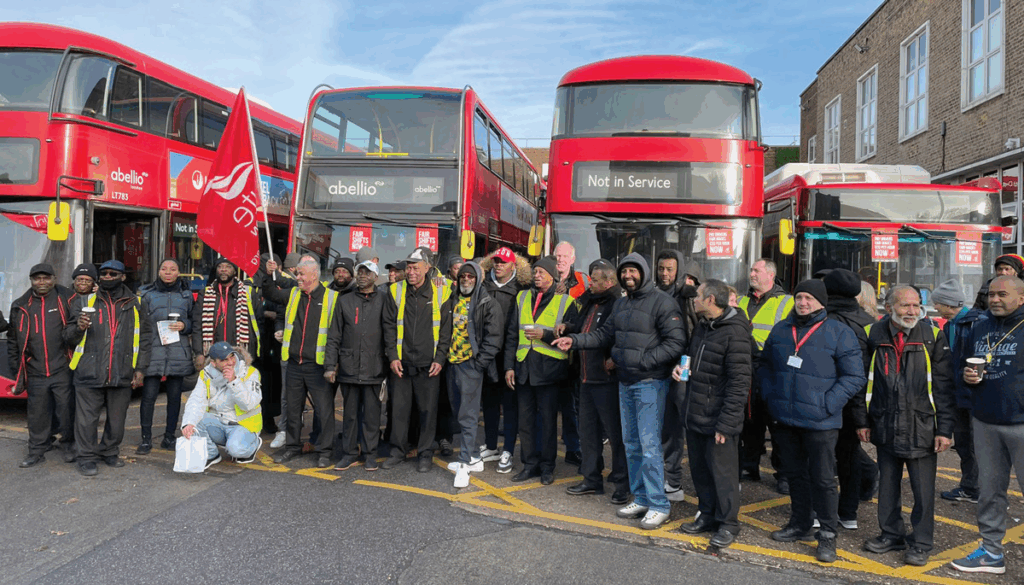
The London bus strike is set to disrupt essential transport services as approximately 350 London Transit workers, including bus drivers and engineers, prepare to walk out in protest over a “disgraceful” pay offer from First Bus. This strike action, organized by the Unite union, will significantly impact London bus service disruption across seven key routes in Southwest, West, and Northwest London. Passengers relying on bus routes such as the 13, 23, and 31 have been warned to expect little to no service, starting from 5 am on each strike day. The tension stems from dissatisfaction with a pay package that fails to meet inflation levels, leaving workers feeling undervalued by a company that has reported substantial profits. In light of these recent developments, the Unite union has pledged to support its members vigorously as they stand against what they perceive as neglect by First Bus management.
The impending labor dispute involving London bus operators reflects a growing sentiment among transit staff who are increasingly frustrated with inadequate compensation. With bus routes in significant areas of London experiencing service shortages due to the ongoing strike, commuters are urged to prepare for potential delays on their daily journeys. The pay dispute, highlighted by the Unite trade union, targets not just financial recognition but the overall treatment of London bus workers in the face of rising living costs. As tensions rise during this industrial action, it is vital for passengers to stay informed about which bus services will be disrupted and to consider alternative travel options. The situation has reignited conversations about worker rights and reflects broader challenges in the transportation sector across the city.
Impact of the London Bus Strike on Local Commuters
The ongoing London bus strike is set to have a significant impact on local commuters, particularly on the affected routes. Transport for London (TfL) has issued warnings that passengers can expect little or no service on key bus routes such as the 13, 23, and 31. This disruption makes it imperative for commuters to seek alternative transportation methods, as the unpredictability surrounding bus schedules can lead to delays and frustrations, especially during peak hours.
Additionally, the strike will not only affect daily commuters but also tourists and visitors in the city, who rely heavily on public transport to navigate London. The reduction in bus services may lead to overcrowded alternatives like Tube and train services as displaced bus passengers turn to these options, further complicating travel throughout the city. It is essential for those affected to plan ahead, potentially allowing extra time for their journeys.
Understanding the First Bus Pay Dispute
The pay dispute affecting First Bus workers has escalated to strike action, with employees expressing their dissatisfaction over what they call a ‘disgraceful’ pay offer. This sentiment is echoed by union leaders and workers alike, who highlight that the proposed compensation failed to match the rising costs of living. The Unite union, which represents the bus drivers and engineers involved, has described the company’s proposals as inadequate, citing that many workers feel undervalued despite their crucial role in London’s public transport system.
The issues surrounding the First Bus pay dispute are compounded by past grievances related to the company’s handling of previous pay offers. Many workers are frustrated that they have not received the back pay they believe they are owed. This unresolved back pay issue has fueled tensions and heightened the probability of recurring strikes, showcasing a deeper issue within the company’s approach towards its employees. As the dispute continues, the Unite union has committed to standing firmly by its members, signaling that this may not be the last of such industrial actions if demands are not adequately met.
Details of the Unite Union Strike Action in London
The strike action organized by the Unite union is a response to ongoing frustrations among London Transit workers regarding pay and working conditions. The upcoming strikes, scheduled between November 14 and 18, will involve approximately 350 workers from the Westbourne Park depot. The united front of drivers, engineers, and storemen showcases a collective dissatisfaction with First Bus, emphasizing worker solidarity in advocating for better compensation and working conditions.
Union leader Sharon Graham has publicly condemned First Bus’s actions, labeling the company’s approach as indicative of broader anti-worker practices. The Unite union’s commitment to supporting its members is crucial as the strike unfolds, and their adherence to collective bargaining principles illustrates an essential dynamic in labor relations within the transport sector. This situation underlines the vital role unions play in negotiating fair labor standards, particularly in industries heavily reliant on public trust and service delivery.
Seven Bus Routes Affected by the Strike
The strike action will disrupt several key bus routes, specifically routes 13, 23, 31, N31, 218, 295, and 452. These routes are essential for many Londoners, connecting them to vital services and locations across the city. The anticipated service disruptions will not only affect regular commuters but also students, the elderly, and individuals who rely on public transport for access to healthcare and other resources.
As a result of the strike, passengers are encouraged to explore alternative transport options during the affected periods. Those using these bus routes should stay informed about service updates and consider adjustments to their travel plans. With potential delays on other public transit options expected due to the increased demand on Tube and rail services, travelers may experience longer journeys and overcrowding. Being proactive and adaptable is crucial for anyone affected by the service disruptions.
Historical Context of Industrial Action in London’s Transport
London has a long history of industrial action driven by labor disputes, particularly within the public transport sector. Previous strikes have drawn considerable attention, as public transit workers often play an essential role in the daily functioning of the city. The grievances surrounding fair pay, working conditions, and the treatment of transit workers are critical themes that have repeatedly surfaced, with unions like Unite taking a prominent role in advocating for workers’ rights.
The 2023 strike action by London Transit workers is not an isolated incident; it stems from earlier protests and industry-wide actions by bus drivers and other transport employees across London. Historical precedents demonstrate that when escalation occurs due to unresolved negotiations, the productivity of London’s transport can stall, prompting widespread discussion around labor rights and corporate responsibility. This trend underscores the importance of proactive dialogue between companies and their employees to prevent future strike actions.
Advice for Passengers During the Strike
Passengers affected by the London bus strike should consider several strategies to mitigate disruptions. First, travelers can check Transport for London’s website or app for real-time updates, which may help in planning their journeys accordingly. Utilizing alternative transport methods, like cycling or ride-sharing services, may also be viable options while bus services are limited.
Furthermore, passengers should anticipate busier travel times on remaining public transport options such as the Tube and rail services, which are expected to experience increased demand. Allowing extra time for journey completion and staying informed about service changes can significantly enhance the travel experience during this period of disruption. Remaining adaptable and exploring different routes can make the impact of the strike more manageable.
The Role of the Unite Union in Worker Advocacy
The Unite union plays a crucial role in advocating for the rights and interests of London bus workers embroiled in the pay dispute. With strong leadership, the union mobilizes its members to stand against inadequate pay offers and poor working conditions, emphasizing solidarity among workers. The union serves not only as a bargaining representative during negotiations but also as a supportive body that helps ensure members are informally educated about their rights.
Moreover, the Unite union’s public statements during disputes shed light on the larger implications of corporate practices on workers’ livelihoods. By bringing such issues to the forefront, they contribute to the discourse surrounding fair employment and dignified working conditions. This advocacy emphasizes the importance of union representation in labor negotiations, particularly within industries like public transportation that are heavily reliant on human resources.
Economic Implications of the Strike
The economic implications of the bus strike extend beyond the immediate inconvenience faced by commuters. With the suspension of services on key bus routes for several days, local businesses that depend on foot traffic generated by bus passengers may also feel the economic pinch. Restaurants, shops, and service providers could see a decrease in customers, highlighting how interconnected public transport is with the local economy.
Additionally, the strike could lead to a surge in demand for alternatives such as taxis or other private transportation options, which may not only increase costs for individuals but also present challenges for overall traffic management in London. This situation reinforces the need for an effective public transport system as a backbone for economic stability and resilience in the metropolitan area, emphasizing that labor disputes must be swiftly addressed to minimize disruption.
Future Negotiations: What Lies Ahead for London Transit Workers?
As the current strike unfolds, the future of negotiations between bus workers and First Bus hangs in the balance. The outcome of this dispute will not only affect the workers directly involved but also set a precedent for other transport unions in London. Stakeholders hope that a resolution can be reached swiftly to restore services and prevent further industrial action, particularly as winter approaches and commuters will be increasingly reliant on public transport.
Looking ahead, it will be essential for the Unite union to engage in constructive dialogue with First Bus to address ongoing pay grievances and improve workplace conditions. Both parties may need to consider innovative solutions that go beyond traditional pay negotiations, possibly exploring comprehensive compensation packages that take into account the cost of living and ensure back pay is honored. This proactive approach may help foster a more cooperative environment for the future, ultimately benefiting both workers and the overall transport system in London.
Public Response to the Strike Action
The public response to the London bus strike has been varied, with many commuters expressing frustration over the disruption. While some sympathize with the bus workers’ call for better pay and conditions, others are concerned about the immediate impacts on their daily routines. This sentiment highlights a significant divide between understanding the workers’ plight and the inconvenience caused by their industrial action.
Social media platforms have also become a space for discourse on the strike, with many users sharing their experiences and opinions about the situation. Some passengers are rallying behind the workers, emphasizing the need for fair pay in the face of rising living costs, while others are venting their frustration over the lack of alternative transport options. This public dialogue reflects the broader conversation about worker rights and the essential role of public transport in urban life.
Frequently Asked Questions
What is happening with the London bus strike this month?
This month, hundreds of London bus workers are set to strike due to a pay dispute with First Bus. Around 350 drivers, engineers, and storemen from London Transit will walk out between November 14 and November 17-18/26-28, leading to significant disruptions in service.
Which London bus routes are affected by the strike action?
The London bus strike will disrupt service on seven bus routes: 13, 23, 31, N31, 218, 295, and 452. Passengers can expect little or no service on these routes during the strike days.
How long will the London bus service disruption last during the strike?
The London bus service disruption due to the strike will start at 5 am on each strike day and will continue until 5 am on the following non-strike day. Night buses and 24-hour services will also be impacted.
What are the reasons behind the First Bus pay dispute leading to the strike?
The First Bus pay dispute is rooted in workers’ dissatisfaction with a proposed pay package deemed ‘disgraceful’ and below inflation. Many workers feel they deserve fair compensation, especially given First Bus’s profits from London bus passengers.
Who is supporting the London Transit workers during the strike?
The Unite union is supporting the London Transit workers during this strike action. General Secretary Sharon Graham criticized First Bus for its treatment of workers and committed to backing the strikers in the ongoing pay dispute.
What should passengers do if they rely on the affected bus routes during the strike?
Passengers relying on the affected London bus routes should plan ahead, consider alternative transportation options, and allow extra travel time, as other bus routes, Tube, and rail services will operate as scheduled but may experience increased demand.
Has there been previous strike action by London bus workers over this pay issue?
Yes, earlier this autumn, over 2,000 London bus workers took industrial action for four days regarding the same pay issue with First Bus, highlighting ongoing concerns about the pay proposal and back pay.
| Key Points | Details |
|---|---|
| Strike Action | Approximately 350 workers will walk out over pay disputes from November 14 to November 17, 18, 26, and 28. |
| Affected Routes | Service will be impacted on seven key routes: 13, 23, 31, N31, 218, 295, and 452. |
| Reasons for Strike | Workers are dissatisfied with a ‘disgraceful’ pay offer below inflation, leading to discontent among drivers, engineers, and storemen. |
| Union Statement | Sharon Graham from Unite union criticized First Bus for not valuing its workers amidst rising living costs. |
| Impact on Services | Disruption begins at 5 am on strike days and affects night buses and 24-hour services, requiring passengers to allow extra travel time. |
Summary
The London bus strike is causing significant disruptions as approximately 350 workers take a stand due to grievances over their pay. This strike action, taking place between November 14 and late November, will severely impact seven key bus routes, leaving passengers with little or no service. The ongoing dispute has highlighted serious concerns about workers’ remuneration in the face of rising living costs, as union leaders emphasize the need for fair compensation. Passengers are strongly advised to plan their journeys accordingly!