Listen to this article
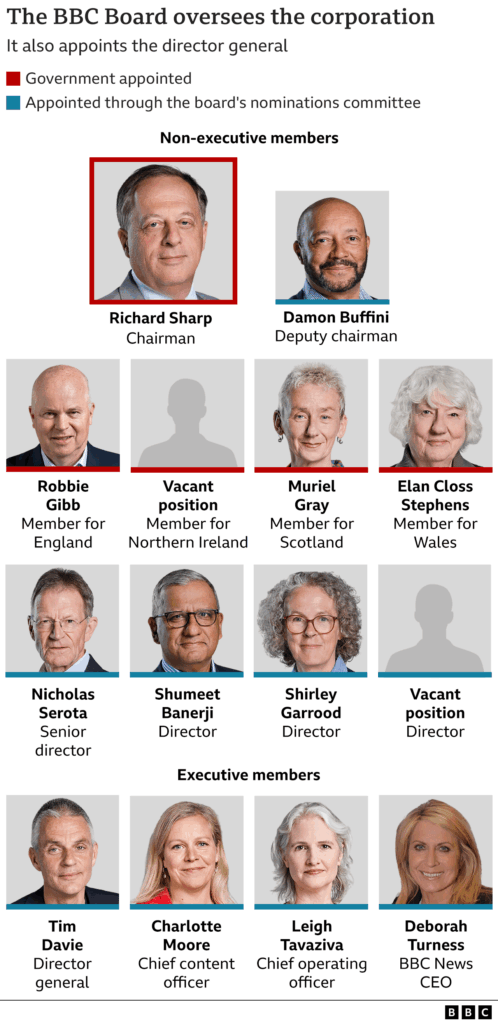
BBC board appointments are under intense scrutiny, as Culture Secretary Lisa Nandy raises pertinent concerns about potential political influence affecting the integrity of the corporation. Her alarming comments come on the heels of the recent resignation of director-general Tim Davie, whose tenure was marred by editorial controversies including a high-profile Panorama episode with President Trump. Nandy emphasizes the importance of appointing board members with strong journalistic backgrounds to bolster BBC impartiality in a rapidly changing media landscape. With ongoing debates about the alignment of BBC leadership with political interests, the issue of editorial standards at the BBC has never been more critical. As Nandy insists on addressing these leadership concerns, the future of the BBC’s reputation and trustworthiness hangs in the balance.
The recent discussions surrounding the appointments to the BBC board highlight a significant issue in public broadcasting. With increasing apprehension over political interference, voices like Lisa Nandy are pushing for a critical reevaluation of how board members are selected. Ensuring that those at the helm have the requisite journalistic integrity is crucial for maintaining a fair and impartial media organization. Additionally, scrutiny regarding the underlying editorial practices at the BBC and the previous tenure of under-qualified appointees further complicates the narrative of accountability. These challenges spotlight the urgent need for transparent policies and robust standards to safeguard the BBC’s role as a trusted news provider.
The Impact of Political Appointments on BBC Trust
Culture Secretary Lisa Nandy’s recent remarks shed light on the critical relationship between political appointments and public trust in the BBC. She articulated legitimate concerns regarding the influence that political figures have over the BBC board. With the resignation of director-general Tim Davie and the even more troubling allegations surrounding editorial integrity, it’s essential to investigate how these appointments may affect the perception of impartiality within the organization. Political appointments could undermine the independence of news coverage by creating a perception of bias, making Nandy’s comments particularly relevant amid ongoing discussions about the BBC’s editorial standards.
Nandy’s call for strong journalistic leadership comes at a time when the BBC is grappling with maintaining its integrity. The lingering questions about the motives behind recent political appointments, such as that of Sir Robbie Gibb, underscore the challenges the BBC faces in preserving its reputation for unbiased reporting. A transparent selection process that prioritizes journalistic integrity over political affiliations is pivotal in mitigating any threats to public trust, especially in light of rising skepticism regarding the association between political influence and editorial decisions.
Strengthening Editorial Standards at the BBC
As highlighted by Nandy, one of the pressing challenges for the BBC is the need to reinforce its editorial standards to ensure impartiality and credibility. Following the controversies surrounding editorial decisions, especially with high-profile figures like President Trump, the BBC’s leadership must prioritize establishing clear guidelines that uphold journalistic fairness. The need for these strengthened standards aligns with the broader objective of maintaining a well-respected public broadcaster that is trusted by its audience. Without this, the corporation’s capacity to navigate the political landscape without succumbing to bias will remain in question.
In addition to maintaining editorial guidelines, the BBC must also foster an environment that encourages transparency and accountability among board members. This includes addressing the concerns surrounding appointments influenced by political affiliations, as emphasized by Nandy. By ensuring that leadership positions are filled with qualified individuals who prioritize journalistic ethics over political pressures, the BBC can reinforce its mission to provide impartial news coverage that audiences hang their trust upon. Such measures are particularly critical in the pursuit of restoring faith in the organization amidst ongoing discussions about leadership accountability and editorial integrity.
Concerns Over BBC Leadership and Impartiality
The ongoing scrutiny of BBC leadership speaks to a broader concern regarding the impartiality of the network. Nandy’s reference to Sir Robbie Gibb’s political ties and how they may impede the BBC’s independence signifies a major challenge for the organization’s integrity. Leadership appointments that appear politically motivated not only raise questions about the board’s impartiality but also evoke skepticism regarding the ethical decision-making within the organization. To address these leadership concerns effectively, the BBC must enforce more rigorous checks and balances that ensure the selection process is devoid of political influence.
Moreover, the criticism towards the BBC board is not solely about political appointments; it also relates to the perception that certain figures affiliated with Labour have previously benefitted from less scrutiny in their appointments. This disparity raises questions about consistent standards in leadership appointments and the principles being upheld by the organization. It’s imperative for the BBC to establish a more coherent approach towards maintaining impartiality—one that competently addresses team structure while also striving for universal editorial standards, thereby ensuring that all board members remain aligned with the corporation’s core values.
Navigating Political Influence at the BBC
Nandy’s insights on political influence reflect the substantial pressures that public broadcasters face in maintaining their independence. The relationship between political figures and the BBC can sometimes unfold in ways that compromise the network’s journalistic autonomy. During the upcoming charter review, it will be essential to explore how various political influences intersect with the BBC’s objectives of neutrality and fairness in reporting. By tackling the underlying issues of political favoritism within board appointments, the BBC can manifest a clearer commitment to impartiality.
The ongoing dialogue regarding political influence necessitates that the BBC take proactive measures in its governance framework. Without establishing robust policies to limit political encroachment, the BBC risks that its credibility may continue to deteriorate in the eyes of the public. This is a pivotal moment for the BBC not only to set forth a transparent appointment process but also to reiterate its dedication to impartial journalism—a commitment that must be safeguarded against any shifting political winds.
The Role of Public Perception in BBC Editorial Standards
Public perception plays a crucial role in shaping the landscape of media trust, particularly for state-funded entities like the BBC. As Nandy articulated, when political influences and board appointments override editorial autonomy, public confidence in the corporation can wane significantly. The BBC must prioritize ensuring that its journalistic integrity is not viewed through a political lens, as this perception can directly impact audience engagement and trust levels. Addressing public concerns about impartiality is vital for the BBC to maintain its standing as a leading news provider.
Furthermore, the BBC needs to implement strategies that directly respond to public feedback regarding its editorial policies and board selections. By engaging with audiences and emphasizing accountability in its governance, the corporation can rectify misconceptions about political affiliations among its board members. The importance of restoring trust cannot be overstated; it requires a concerted effort to demonstrate that editorial standards are upheld unwaveringly, even amid external pressures and influences.
Calls for Change in BBC Governance
Reflecting on Nandy’s comments, it is apparent that there is a mounting call for significant reform in BBC governance. For the BBC to thrive as a public institution, the ongoing debates surrounding board appointments and political affiliations require immediate attention. Stakeholders across the creative industry, including unions like Bectu, are pushing for clearer guidelines that delineate the boundaries of political influence within the corporation. This movement signals a need for transparency in governance that ensures leaders prioritize journalistic values.
The demand for change is not simply about removing contentious figures; it is about constructing a governance model that genuinely reflects the principles of an impartial broadcaster. By engaging in this discourse, the BBC can not only address existing concerns but also pave the way for future board appointments that align with its mission of providing fair and unbiased reporting. This proactive approach will ultimately reaffirm the BBC’s commitment to operational excellence and integrity within the media landscape.
Reassessing the Future of BBC Leadership
Looking ahead, the future of BBC leadership appears to be at a crossroads, necessitating a comprehensive reassessment. Nandy’s remarks serve as a catalyst for discussions not only about who occupies the board but also the competencies required for these positions. The need for leadership that upholds journalistic tenets has never been more critical as the media landscape faces rapid changes and increasing public scrutiny. The BBC must take this opportunity to articulate a vision for its governance that reflects a steadfast commitment to impartiality and integrity.
Additionally, as the BBC navigates challenges related to its editorial framework, it must also consider how future leadership can adapt to address the evolving expectations of its audience. Effective governance hinges on the alignment of leadership with the core values of journalism, which includes the dedication to unbiased reporting and editorial excellence. This reassessment process could yield a more resilient organization that is better equipped to handle political pressures while fostering public trust in its operations.
Maintaining the BBC’s Independence
The discourse surrounding BBC leadership inevitably brings us back to the corporation’s independence from government influence. Nandy’s statements notably highlighted the necessity for the BBC to operate autonomously, without the constraints of political pressures that can compromise its editorial integrity. The significance of preserving this independence is critical, especially in the face of external criticisms regarding board appointments that may appear politically charged.
To maintain its independence, the BBC must continue to champion transparency in its operations, ensuring that the selection process for board members reflects its commitment to impartial journalism, rather than political allegiance. Upholding such tenets will not only enhance the reputation of the organization but also reassure the public of the BBC’s dedication to delivering credible news content devoid of bias—an essential quality for a public service broadcaster.
Addressing Scandals and Restoring Integrity at the BBC
In light of recent scandals that have cast shadows on the BBC’s editorial practices, restoring integrity has become a pressing concern. The implications of editing decisions and the scrutiny surrounding prominent figures have led to uncomfortable questions about the BBC’s adherence to its own ethical standards. Nandy’s advocacy for strong leadership aligns with the urgent need to re-establish trust with the audience and reinforce accountability in programming decisions.
The road to restoring integrity involves not only revisiting and reforming editorial policies but also ensuring that any governance changes take into account the lessons learned from past controversies. The engagement of leadership that prioritizes ethical journalism is a core component of an effective strategy to mitigate the fallout from these scandals. Ultimately, a commitment to integrity will serve as the backbone of the BBC as it seeks to move past its challenges and continue its legacy of trustworthy public service broadcasting.
Frequently Asked Questions
What concerns did Lisa Nandy raise regarding political influence on the BBC board appointments?
Lisa Nandy expressed significant concerns about how political appointments to the BBC board could undermine public trust in the corporation. This concern has been amplified by the resignation of director-general Tim Davie, which was influenced by leaked memos revealing editorial issues. Nandy advocates for a more transparent and robust selection process for BBC leadership, emphasizing the need for strong journalistic backgrounds among board members to protect the integrity and impartiality of the BBC.
How does Lisa Nandy’s stance on BBC board appointments relate to BBC impartiality?
Lisa Nandy’s stance highlights the importance of maintaining BBC impartiality in the face of political appointments. She has argued that such appointments could affect public perception and trust in the BBC, particularly following controversies like the editing decisions in a Panorama episode. Nandy’s calls for BBC leadership with journalistic expertise aim to reinforce the organization’s commitment to impartial programming and uphold high editorial standards.
What specific actions are being called for regarding the BBC’s leadership and board appointments?
Calls for action include the removal of board members like Sir Robbie Gibb, who is perceived to interfere with the BBC’s political boundaries. Organizations like the Bectu union assert that Gibb’s presence diminishes staff confidence in BBC leadership and compromises its impartiality. This calls into question the processes and criteria governing BBC board appointments, especially in light of concerns about past political affiliations.
What role do editorial standards play in the ongoing discussions about BBC leadership?
Editorial standards are central to the discussions about BBC leadership and board appointments. Lisa Nandy emphasized the need to strengthen these standards to ensure that the BBC can navigate controversies effectively and maintain its journalistic integrity. Given recent scandals and heightened scrutiny, reinforcing these standards is seen as crucial for preserving the corporation’s credibility and independence from political influence.
How does political influence affect public trust in the BBC according to recent discussions?
Recent discussions, particularly those involving Lisa Nandy, suggest that political influence over BBC board appointments can significantly erode public trust. The perception that board members could act in the interest of political agendas—rather than upholding impartial journalism—can lead to skepticism from audiences. This underscores the critical need for transparency and a robust selection process for BBC leadership to enhance the corporation’s credibility.
What implications do recent appointments have for BBC’s editorial independence?
Recent appointments, especially those scrutinized for potential political biases, raise critical implications for the BBC’s editorial independence. Lisa Nandy’s concerns emphasize that such appointments could compromise the BBC’s ability to operate free from government influence, risking public confidence in its impartiality and integrity. The call for leaders with strong journalistic backgrounds is aimed at countering these risks and reinforcing the standards expected from a public broadcaster.
| Key Point | Details |
|---|---|
| Concerns about Political Appointments | Culture Secretary Lisa Nandy expressed concerns that political appointments to the BBC board may undermine public trust. |
| Resignation of Tim Davie | Tim Davie resigned after a leaked memo revealed editorial issues, including edits in a Panorama episode featuring President Trump. |
| Need for Strong Journalistic Leadership | Nandy emphasized that future BBC leaders should have strong journalistic backgrounds, especially amid recent scandals questioning impartiality. |
| Scrutiny of Sir Robbie Gibb | Sir Robbie Gibb has faced criticism for allegedly overstepping political boundaries as a BBC board member appointed by the previous government. |
| Challenges to Board Member Removal | The charter governing the BBC makes it difficult to remove board members unless they demonstrate unfitness for service. |
| Bectu’s Call for Removal | The union Bectu is calling for Gibb’s removal, claiming his presence undermines staff confidence in BBC leadership. |
| Editorial Standards Strengthening | Nandy acknowledged the need for stronger editorial standards to navigate challenges and maintain integrity. |
| BBC’s Independence | Nandy affirmed the BBC’s operational independence from government influence, despite ongoing discussions with the US regarding Trump. |
| Overall Concern for Public Broadcasting | Nandy’s comments highlight the broader concern regarding political influence and the necessity for high editorial standards to foster public trust. |
Summary
BBC board appointments have come under intense scrutiny following concerns raised by Culture Secretary Lisa Nandy about the potential for political influence undermining public trust in the corporation. This concern is particularly salient in light of recent events, including the resignation of director-general Tim Davie and ongoing discussions of the current board’s impartiality. With calls for stronger editorial standards and an examination of the processes that govern board member selection, it is clear that positioning the BBC as a beacon of journalistic integrity remains critical for its future credibility and audience trust.