Listen to this article
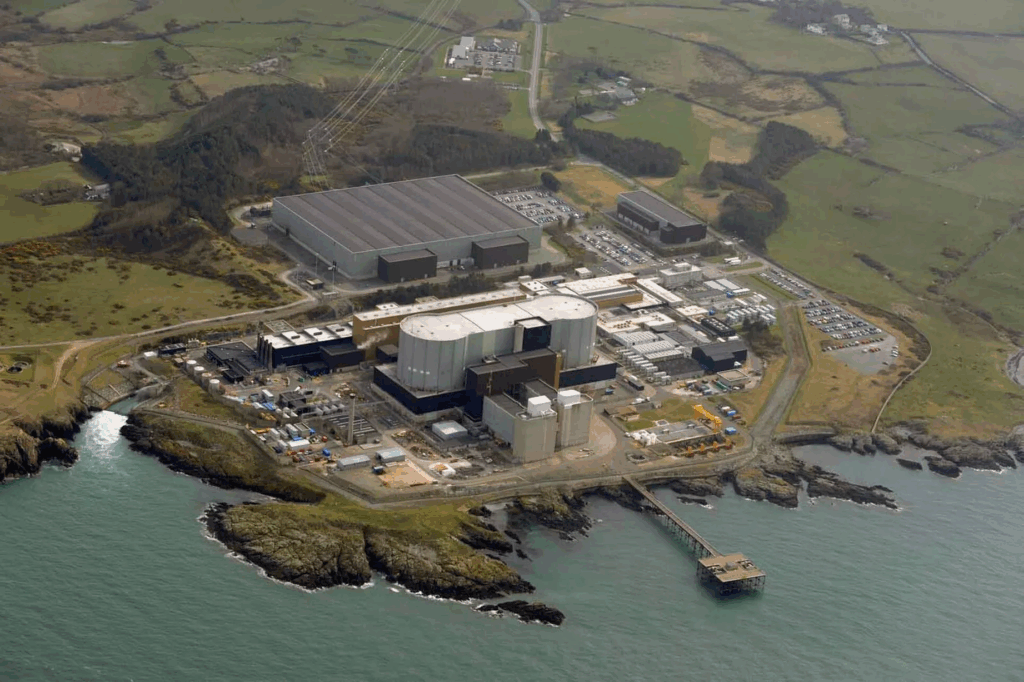
Wylfa Nuclear Power Plant is poised to become a cornerstone of Anglesey’s energy landscape, potentially generating thousands of jobs and attracting significant investment. Set on the northern coast of Wales, this innovative facility will feature the UK’s first small modular reactors (SMRs), a groundbreaking move for the nuclear energy sector. With plans to start construction soon and ambitions to power millions of homes by the mid-2030s, Wylfa is a pivotal development in the larger narrative of nuclear energy in Wales. The project is supported by the government’s commitment through Great British Energy-Nuclear, indicating a progressive shift towards sustainable power solutions. As discussions continue around Wylfa’s role in fostering local employment and driving investment, the project’s significance is undeniable in the context of Great British Energy-Nuclear and Anglesey’s ambitions.
The establishment of Wylfa Power Station symbolizes a transformative era for energy production in Wales, particularly in the Anglesey region. This pioneering facility aims to integrate cutting-edge small modular reactors (SMRs) into the UK’s energy mix, representing a significant departure from traditional large-scale nuclear operations. The anticipated influx of investment and job opportunities from the construction and operation of this plant could have far-reaching implications for local communities. Moreover, as discussions evolve around the future of nuclear power in the UK, the Wylfa project stands as a potential model for similar developments across the nation, highlighting the essential role of nuclear energy in achieving energy independence and sustainability.
The Future of Nuclear Energy in Wales: A Focus on Wylfa
The Wylfa Nuclear Power Plant is poised to revolutionize the energy landscape in Wales, marking a significant turning point in the nation’s approach to nuclear power generation. With the ambitious plan to construct small modular reactors (SMRs), the site is set to harness advanced technology to provide cleaner, more efficient energy. As a part of this initiative, Wylfa is expected to lead the charge towards a more sustainable future by contributing to Wales’s energy independence and addressing the growing demand for electricity across the UK.
This investment not only promises to deliver a significant boost to nuclear energy in Wales but also creates an array of job opportunities, approximately 3,000, benefiting the local economy. The introduction of SMRs, the first of their kind in the UK, underlines a pivotal shift towards scalable and manageable nuclear solutions. As the UK government, under the banner of Great British Energy-Nuclear, strives to rekindle its position as a global nuclear leader, Wylfa remains at the forefront of this endeavor.
Job Creation and Economic Impact of the Wylfa Project
The construction of the Wylfa Nuclear Power Plant is a catalyst for unprecedented job creation in Anglesey and the surrounding regions. As noted, the project aims to employ approximately 3,000 individuals directly, which serves as a lifeline for the local economy. Moreover, the ripple effect of such significant job creation will likely extend to related sectors, stimulating small businesses and enhancing local supply chains. This revitalization is critical for a region that has faced economic challenges in recent years.
Additionally, the £2.5 billion investment from the UK government is expected to attract further investment opportunities to the area. The influx of jobs and capital can potentially transform Anglesey into a hub for nuclear innovation. With partnerships with local colleges for training programs, there is also a concerted effort to equip the local workforce with the necessary skills to take on roles within this new emerging field, thus ensuring that the benefits of the Wylfa project are long-term and sustainable.
The Role of Small Modular Reactors in the UK’s Energy Strategy
Small modular reactors (SMRs) play a pivotal role in the UK’s strategy to modernize and diversify its energy portfolio. These reactors offer a flexible, smaller scale alternative to traditional nuclear power plants, making them easier and more cost-effective to build. The adoption of SMRs at the Wylfa Nuclear Power Plant heralds a significant technological advancement that aligns with the UK’s commitment to low-carbon energy solutions. By investing in this innovative technology, Wales positions itself as a leader in the next generation of nuclear energy.
Moreover, the deployment of SMRs not only aligns with environmental goals but also addresses concerns regarding energy security and reliability. As energy demands rise, the ability of SMRs to be constructed off-site and then assembled on location offers significant advantages in terms of time and cost efficiency. This strategic choice for Wylfa marks an essential step in ensuring that nuclear energy remains a viable, sustainable option for years to come in the UK.
Investment Opportunities and Challenges at Wylfa Nuclear Power Plant
While the Wylfa Nuclear Power Plant signifies a monumental investment towards the future of nuclear energy, it also presents unique challenges that the project must navigate. Securing the necessary regulatory approvals and establishing supply chain partnerships are paramount to the project’s success. The government’s allocation of £2.5 billion signals strong support, yet the physical execution of the project involves meticulous planning and timely implementation to avoid delays.
In addition to these operational challenges, public perception and environmental concerns related to nuclear energy cannot be overlooked. Critics of the Wylfa project have raised valid points regarding long-term waste management solutions and the impact on renewable energy initiatives. Balancing these concerns while pursuing aggressive timelines for construction will test the resilience and commitment of all stakeholders involved in the development of Wylfa.
Local and National Support for the Wylfa Initiative
The Wylfa nuclear initiative has garnered strong support from various sectors, reflecting a collective vision for revitalizing the Welsh energy sector. Prominent political figures, including Prime Minister Sir Keir Starmer, have publicly endorsed the project, heralding it as a critical step towards re-establishing the UK’s leadership in nuclear energy. The collaborative efforts between the government and Great British Energy-Nuclear embody the commitment to infrastructural development that has the potential to enhance Wales’ energy independence.
Local voices, including First Minister Eluned Morgan and MP Llinos Medi, have emphasized the importance of Wylfa not just for energy production but also for the lasting socio-economic benefits it symbolizes for the Anglesey community. Their advocacy highlights the necessity for local communities to reap tangible gains from such developments, ensuring that the benefits of job creation and investment foster long-term growth in the region.
Technological Innovations and Their Impact on Wylfa Plant Operations
Technological innovations are central to the operation and efficiency of the Wylfa Nuclear Power Plant, particularly in the context of small modular reactors. These SMRs are designed with cutting-edge technology, promoting safer and more efficient nuclear energy production. The modular concept allows for quick assembly and integration into existing energy grids, minimizing construction time compared to traditional nuclear plants. This paradigm shift is welcomed not only for operational efficiency but also for the potential it holds for enhancing energy resilience.
The integration of advanced monitoring systems and automated technology in the operation of SMRs ensures that the Wylfa facility can operate under stringent safety regulations, minimizing risks associated with nuclear energy. This embracing of new technologies aligns with global trends towards smarter energy solutions, reinforcing the narrative that nuclear power, when executed correctly, can be a reliable and sustainable energy source for the future.
Community Concerns and Opposition to Nuclear Developments
Despite the hopeful outlook for the Wylfa project, significant community concerns persist regarding the implications of nuclear energy development in Anglesey. Local groups, including the People Against Wylfa-B campaign, argue that the anticipated environmental and safety risks outweigh the economic benefits presented by the plant. They advocate for investment into renewable energy sources, which are perceived as more sustainable and environmentally friendly options for energy generation.
Critics also highlight the unresolved issues pertaining to nuclear waste management as a pivotal point in the debate surrounding nuclear energy in the UK. Their calls for greater transparency and a commitment to ensuring robust oversight resonate deeply within the community, suggesting that local acceptance of the Wylfa project hinges on addressing these crucial concerns. The ongoing dialogue between developers and residents will be vital in shaping the future of nuclear energy on Anglesey.
Regulatory Framework and Approval Process for Wylfa
Navigating the regulatory framework is crucial for the successful development of the Wylfa Nuclear Power Plant. The approval process entails rigorous assessments that ensure compliance with safety, environmental, and operational standards. As the project gears up for construction, obtaining these approvals becomes an intricate task that requires collaboration with multiple regulatory bodies, including the UK Office for Nuclear Regulation. The emphasis on adhering to stringent protocols serves to instill confidence among stakeholders and the public regarding the plant’s safety and effectiveness.
Moreover, engaging with local communities and stakeholders throughout the regulatory process is essential to foster public trust. Transparency in communications, facilitated through public consultations and information sessions, can help demystify the project and address any concerns that may arise. Establishing a solid regulatory foundation not only streamlines project timelines but also lays the groundwork for responsible and responsive management of the Wylfa Nuclear Power Plant.
The Legacy of Wylfa and Its Role in Energy Independence
The legacy of the Wylfa Nuclear Power Plant extends beyond mere power generation; it symbolically represents a renewed commitment to achieving energy independence for the UK. Historically, the decommissioned Wylfa facility played a significant role in supplying energy to Welsh communities. Its redevelopment into a state-of-the-art power station signifies a turning point in returning the region to its roots as a hub for reliable energy production.
Additionally, the Wylfa project aligns with national objectives to reduce reliance on fossil fuels while promoting a mix of energy sources, including nuclear and renewables. This positioning as a low-carbon energy provider enhances the UK’s capacity to meet climate change targets while ensuring a stable energy supply for future generations. The collaborative efforts surrounding Wylfa underscore the importance of strategic planning grounded in sustainability, technology, and community engagement.
Frequently Asked Questions
What is the significance of the Wylfa Nuclear Power Plant for nuclear energy in Wales?
The Wylfa Nuclear Power Plant is set to be a groundbreaking facility for nuclear energy in Wales, marking the deployment of the UK’s first small modular reactors (SMR). This project is pivotal as it aims to generate power for approximately three million homes while supporting local economic growth through job creation and substantial investments.
How will the Wylfa investment create jobs on Anglesey?
The Wylfa investment is expected to generate around 3,000 jobs during its construction and operations, providing a significant boost to local employment on Anglesey. This initiative reflects the commitment to nuclear energy in Wales and aims to foster a skilled workforce by collaborating with local colleges for training opportunities.
What are small modular reactors (SMRs) and how will they be used at Wylfa?
Small modular reactors (SMRs) are a new generation of nuclear reactors designed to be smaller and more flexible than traditional plants. At Wylfa, the plan includes the installation of the UK’s first SMRs which will produce reliable, low-carbon energy, helping tackle energy independence while creating jobs and supporting local infrastructure development.
What benefits does the Wylfa Nuclear Power Plant project bring to the local community?
The Wylfa Nuclear Power Plant project is anticipated to bring a ‘once-in-a-generation’ boost to the local community by creating thousands of jobs, encouraging supplier development, and attracting billions in investment. Local leaders, like Wales’ First Minister, advocate for ensuring that residents gain lasting benefits from this nuclear development.
How does the Great British Energy-Nuclear initiative relate to Wylfa Nuclear Power Plant?
The Great British Energy-Nuclear initiative is a government-backed effort focused on revitalizing the UK’s nuclear capabilities, with the Wylfa Nuclear Power Plant as a flagship project. This initiative underscores the government’s commitment to investing in nuclear energy, which is seen as a vital part of the UK’s energy strategy.
What are some concerns raised about the Wylfa Nuclear Power Plant and its small modular reactors?
Concerns raised about the Wylfa Nuclear Power Plant include the reliance on new and unproven SMR technology and the absence of a long-term solution for nuclear waste management. Additionally, some critics advocate for increased focus on renewable energy sources, such as wind and solar, rather than investing in nuclear.
When is construction of the Wylfa Nuclear Power Plant expected to begin?
Construction of the Wylfa Nuclear Power Plant is scheduled to begin next year, with aims to generate electricity by the mid-2030s, thus promising to advance Wales’ position in the nuclear energy sector significantly.
What historical context surrounds the Wylfa Nuclear Power Plant project?
The Wylfa Nuclear Power Plant project comes after years of neglect in the UK’s nuclear sector, where previous plans for large-scale reactors were abandoned. Its development marks a renewed commitment to nuclear energy, with the hope of restoring Britain’s former leadership in this field.
What role does the Welsh government play in supporting the Wylfa Nuclear Power Plant?
The Welsh government, led by First Minister Eluned Morgan, actively supports the Wylfa Nuclear Power Plant project, advocating for its benefits to the local economy while seeking additional investment and ensuring that the community directly benefits from job opportunities and infrastructural development.
How does the Wylfa Nuclear Power Plant fit into the broader UK energy strategy?
The Wylfa Nuclear Power Plant is a key component of the UK’s strategy to achieve energy independence and transition to low-carbon energy sources. It represents an effort to modernize the nuclear sector while also facilitating economic growth and regional development in North Wales.
| Key Points | Details |
|---|---|
| Wylfa Nuclear Power Plant | A new nuclear power station being built on Anglesey, to create 3,000 jobs and billions in investment. |
| Location and Design | The facility will host the UK’s first small modular reactors (SMRs), potentially expanding to eight. |
| Construction Timeline | Construction begins next year; electricity generation aimed for the mid-2030s. |
| Government Involvement | The project is backed by a £2.5 billion investment from the UK government and Great British Energy-Nuclear. |
| Job Creation | Expected to provide jobs for decades and to supply power to about three million homes. |
| Local and Political Support | Supported by local leaders including the First Minister and various stakeholders, despite some opposition. |
| Criticism and Opposition | Concerns raised regarding reliance on unproven technology and lack of long-term nuclear waste storage solutions. |
| Future Prospects | The project may lead to further exploration of large-scale nuclear plants across the UK. |
Summary
The Wylfa Nuclear Power Plant is poised to be a transformative project for the Anglesey region, promising significant job creation and investment. As the UK’s pioneering facility to utilize small modular reactors, it aims to enhance energy independence while addressing previous challenges in nuclear energy development. This initiative not only underscores the commitment to modernizing the UK’s energy infrastructure but also highlights ongoing conversations around sustainable energy solutions and local economic benefits. With construction set to commence soon, the Wylfa Nuclear Power Plant marks a significant step forward in the nation’s energy strategy.