Listen to this article
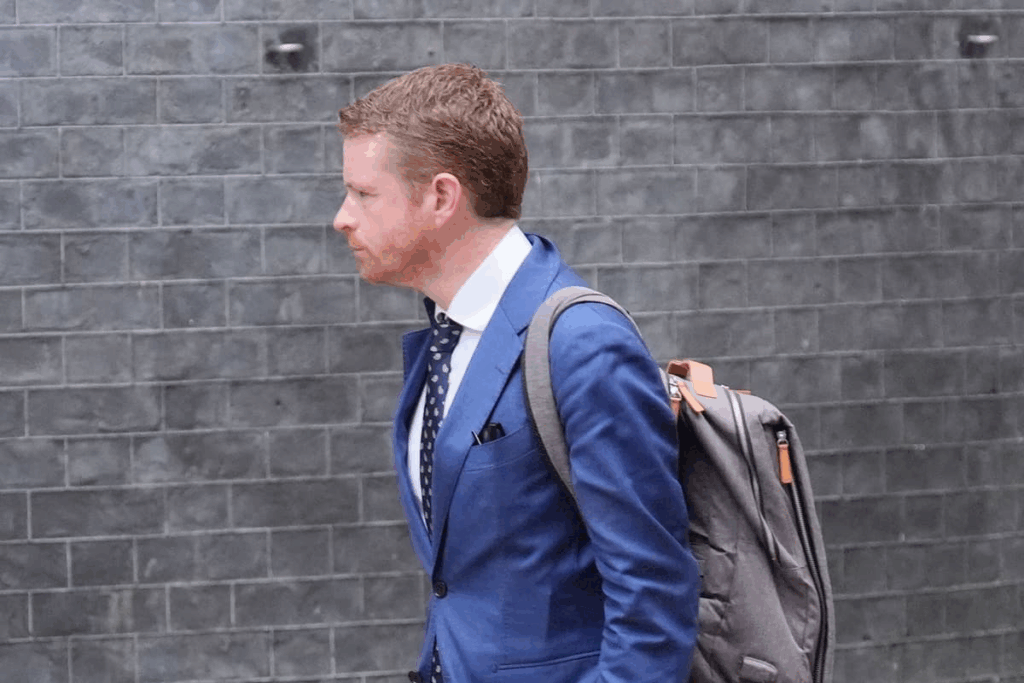
In the whirlwind of UK politics news, Morgan McSweeney, Sir Keir Starmer’s Chief of Staff, has found himself at the center of controversy. Recently, allegations surfaced suggesting that McSweeney was involved in orchestrating briefings against cabinet ministers, a claim he has firmly denied. Sources close to him have asserted that he had no role in the leaks and emphasized that he will not be leaving his key position. The recent turmoil has raised questions about the dynamics within the Labour leadership as Starmer confronts potential threats from his own team. With McSweeney’s reputation under scrutiny, the Prime Minister has reiterated his support for his Chief of Staff, stating, “I have confidence in my whole team.”
Morgan McSweeney, known as the right-hand man to Sir Keir Starmer, has become an integral figure in the discussions surrounding recent governmental briefings. Amidst the clamor for transparency and accountability within the cabinet, his role has drawn both support and suspicion. As these events unfold in UK political discourse, the narrative surrounding McSweeney reveals the complexities of political strategy and communication in leadership frameworks. With accusations flying about the sources of leaks affecting cabinet ministers, it becomes crucial to understand the legacies and relationships that underpin these governmental operations. The growing tensions illustrate how internal politics can greatly influence public perception and the stability of the government.
Understanding the Role of Morgan McSweeney in UK Politics
Morgan McSweeney serves as Chief of Staff to Sir Keir Starmer, leading the operational strategy within the Labour Party at a crucial time in UK politics. As Chief of Staff, McSweeney is responsible for overseeing government briefings and coordinating communications that resonate with both party members and the broader public. Amidst the ongoing briefing wars, McSweeney’s position has been scrutinized, with some suggesting he is connected to leaks against cabinet ministers, including notable figures such as Health Secretary Wes Streeting. However, sources close to McSweeney have firmly stated he was not involved in any of the leak controversies, reinforcing his credibility in an increasingly tense political environment.
The significance of McSweeney’s role cannot be overstated, especially in the context of government dynamics. Starmer’s leadership is characterized by a commitment to transparency and accountability, which places additional pressure on individuals in key positions like McSweeney. In recent weeks, as tensions have risen within the cabinet, particularly regarding challenges to Starmer’s authority, McSweeney’s response to these challenges will determine not only his own future but the stability of Starmer’s leadership as well. Clear communication and maintaining trust in his team are paramount for navigating these political challenges.
Implications of Leaks in Government Briefings
Leaks within government briefings create a significant ripple effect in UK politics, particularly as they relate to challenges against leadership. The controversy surrounding the recent leaks aimed at cabinet ministers highlights the fragile balance of power within the Labour Party. When information is leaked to journalists, it can undermine not only individuals’ credibility but also the collective strength of the administration. Starmer’s insistence that no briefings came from Number 10 illustrates the serious implications surrounding accountability in government. The fallout from such leaks can shift public perception and fuel rivalries within the party, posing risks to the party’s cohesion and effectiveness.
Moreover, leaks can often be a double-edged sword. While they can provide useful transparency to the public, they can equally sow distrust among colleagues. The ongoing disputes over the disclosures reinforce the necessity for stringent measures that hold individuals accountable for their actions in government. Starmer’s commitment to addressing these breaches is crucial as it not only shapes public opinion but also establishes a precedent for how similar matters will be handled in the future. As the pressure mounts for those involved, the ramifications of these incidents will likely continue to influence the direction of UK politics.
Sir Keir Starmer’s Leadership Style and Challenges
Sir Keir Starmer’s leadership style has been put to the test amidst criticisms and challenges regarding his management of the Labour Party. While striving to maintain a robust public image and solidify his position, Starmer is encountering the complexities of navigating internal dissent, especially with cabinet ministers expressing concerns over leaked briefings. His insistence on transparency and accountability, as reflected in his statements regarding the importance of addressing leaks, signifies a decisive approach to governance. This strategy is essential in rallying both supporter confidence and party unity as he confronts challenges from within.
Starmer’s recent proactive stance, including reassuring his team and addressing potential leaks, highlights his commitment to maintaining order in the party. The balance between managing internal relationships and presenting a united front is critical, given the scrutiny that follows any leaks. As the Labour leader engages with both allies and opponents, the effectiveness of his leadership will hinge on his ability to foster trust and mitigate the fragmentation engendered by breaches of confidentiality. Ultimately, how Starmer addresses these challenges could define his legacy as a leader in a pivotal time for UK politics.
Cabinet Ministers’ Reactions to Current Affairs
The reactions of cabinet ministers to the recent leaks reflect a growing unease within the Labour Party and the implications of leadership challenges. Figures such as Wes Streeting have publicly voiced their concern, with some demanding accountability and urging for rapid resolutions to the leaks. These calls for action underscore an underlying tension that threatens the cohesion of the government. Streeting’s remarks about the situation being ‘yesterday’s news’ point to an attempt to downplay the internal conflict while acknowledging the serious implications it carries for the party’s future.
Furthermore, Energy Secretary Ed Miliband’s perspective on the matter reveals a sense of urgency to resolve these issues amicably. His emphasis on the need to learn from the episode speaks to a broader desire among cabinet members to reinforce party unity and maintain focus on governance over political infighting. As ministers navigate the fallout from leaks, their public remarks will significantly impact public sentiment towards the administration. Consequently, how they collectively respond to these internal challenges could define their political trajectories within the party.
The Importance of Trust in Political Leadership
In the realm of UK politics, trust remains a cornerstone of effective governance and leadership. The recent briefing wars and subsequent accusations against figures like Morgan McSweeney have put this trust under scrutiny. When leaks emerge, they can erode confidence not only in individual politicians but also in the entire administrative structure. As Prime Minister, Sir Keir Starmer recognizes the dangers posed by a fractured trust environment, which can lead to greater conflict and a loss of direction for the government. Maintaining integrity and fostering an atmosphere of mutual respect are critical to sustaining effective governance.
Moreover, the ability to manage trust among different factions within the party greatly influences overall leadership effectiveness. As pressures mount from internal dissenters and external critics, Starmer’s challenge is to cultivate unity and focus on policy priorities rather than personal rivalries. Clear lines of communication, both internally and externally, can help reinforce stakeholder trust and ensure that everyone is on the same page. Ultimately, building resilience through trust is essential for navigating turbulent political waters and achieving meaningful progress on important issues affecting the nation.
The Role of Media in Political Discourse
The media plays a powerful role in shaping political discourse, particularly through the dissemination of information regarding government briefings and internal conflicts. As reflected in the recent BBC reports, journalists often serve as intermediaries between the public and political leaders, highlighting the need for transparency and accountability. The relationship between politicians and the media can be contentious, especially when leaks challenge the credibility of individuals like McSweeney or raise questions about the Prime Minister’s leadership. In this landscape, how the media reports on these issues directly influences public perception and political outcomes.
Furthermore, the ability of media outlets to investigate and report on sensitive issues contributes significantly to the democratic process, fostering informed citizenry. However, this relationship must be handled with care, as sensationalism can exacerbate conflicts and lead to further divisions within government ranks. As political leaders like Starmer navigate these media interactions, they must balance the need for openness with the necessity of protecting sensitive information. The outcome of this careful negotiation will ultimately determine how effectively leaders can mobilize public support while managing the complexities of governance.
Collaboration and Rivalry Among Labour Party Members
The dynamics of collaboration and rivalry within the Labour Party have been highlighted in recent weeks as the party grapples with internal challenges following the briefings against cabinet ministers. Prominent figures, including Wes Streeting and Ed Miliband, have publicly expressed the need to address the sources of these leaks. Their calls for accountability not only reflect their concerns for party unity but also expose the underlying tensions inherent in political collaboration. The ability to work together towards common goals while addressing dissenting opinions remains a significant hurdle for Starmer’s administration.
As the party seeks to maintain cohesion in the face of leaks and rivalries, it becomes essential for leaders to foster an environment conducive to open dialogue. Encouraging collaboration among Labour Party members, while simultaneously addressing any dissenting voices, can help cultivate a more united front. Moving forward, the capacity for party leaders to balance collaboration with rivalry will be a key determinant of their success in navigating the tumultuous political landscape of the UK.
Public Trust and Political Accountability
Public trust in political leaders is paramount for any government aiming to achieve its goals. Sir Keir Starmer’s response to recent leaked briefings reflects his understanding of the critical need for transparency and accountability within his administration. As calls for action grow louder among Labour MPs, Starmer must navigate these challenges while reinforcing a message of integrity. The public’s perception of trustworthiness can significantly influence electoral outcomes and party loyalty, making it essential for leaders to uphold their commitments to ethical governance.
Moreover, public scrutiny of political actions reinforces the importance of accountability among government officials. When politicians fail to uphold ethical standards, as purported by the recent leaks, they risk alienating their supporters and damaging the party’s public image. Starmer’s proactive approach to managing potential sources of dissent within the party must be coupled with a commitment to accountability and reconciliation. Ultimately, how effectively the Labour Party can rebuild public trust will play a pivotal role in shaping its trajectory in UK politics.
The Impact of Political Infighting on Governance
Political infighting can significantly hinder effective governance, as illustrated by the recent controversies surrounding leaked briefings in the Labour Party. These internal conflicts often distract from the party’s primary responsibilities, such as policy development and addressing pressing national issues. When members focus on personal rivalries rather than teamwork, it can lead to a fragmented approach to governance that fails to serve the public’s best interests. Sir Keir Starmer’s administration is currently facing the challenge of overcoming these distractions to ensure that the government remains focused on delivering results.
Furthermore, addressing the impact of political infighting requires strong leadership and a clear strategy for conflict resolution. Starmer’s commitment to managing dissent while promoting collaboration will be essential for restoring harmony within the party. As cabinet ministers continue to navigate the fallout from leaked briefings, finding common ground and working towards shared objectives will be vital for maintaining the efficacy of governance. The ability to move past infighting and refocus on collective goals will ultimately determine the sustained success of Starmer’s leadership.
Frequently Asked Questions
Who is Morgan McSweeney in relation to Keir Starmer?
Morgan McSweeney serves as the Chief of Staff to Keir Starmer, the leader of the UK Labour Party. His role involves managing strategic operations within Starmer’s office and supporting the party’s objectives in UK politics.
Is Morgan McSweeney leaving his position as Chief of Staff?
No, Morgan McSweeney is not leaving his role as Chief of Staff. Reports confirm that he will remain in his position despite recent political turmoil and briefings regarding cabinet ministers.
What controversy involves Morgan McSweeney and government briefings?
Morgan McSweeney has been implicated in controversy surrounding alleged briefings against cabinet ministers. However, sources state that he was not involved in these leaks and has done nothing wrong.
How does Morgan McSweeney’s role affect UK politics news?
As Chief of Staff to Keir Starmer, Morgan McSweeney plays a significant role in shaping UK politics news through strategic decision-making and orchestrating the party’s response to political events.
What did Keir Starmer say about his confidence in Morgan McSweeney?
Keir Starmer expressed his full confidence in Morgan McSweeney, stating that he works closely with his team and prioritizes their collaborative efforts to focus on serving the country amidst current challenges.
How are government briefings related to Morgan McSweeney?
Government briefings, particularly surrounding cabinet ministers, have been a source of controversy implicating Morgan McSweeney. However, he has been cleared of responsibility for any negative briefings circulating in the media.
What did sources say regarding Morgan McSweeney’s involvement in leaks?
Sources close to Morgan McSweeney have categorically stated that he was not involved, directly or indirectly, in any leaks or briefings against cabinet ministers, reinforcing his position as Chief of Staff.
What steps is Keir Starmer taking regarding the briefing war involving Morgan McSweeney?
Sir Keir Starmer has publicly assured that he will address anyone responsible for leaking information about ministers, emphasizing his commitment to maintaining integrity within his government team, including Morgan McSweeney.
Why is Morgan McSweeney under scrutiny in recent UK politics?
Morgan McSweeney is under scrutiny due to allegations of leaking information about cabinet ministers. However, these allegations have been denied, and he has support from allies within the party.
What impact does Morgan McSweeney’s position have on Labour’s strategy in UK politics?
Morgan McSweeney’s role as Chief of Staff is pivotal in shaping Labour’s strategy and response to political challenges, particularly in managing public perception and internal party dynamics as seen in the recent briefing incidents.
| Key Point | Details |
|---|---|
| Morgan McSweeney’s Status | McSweeney will not be leaving his role as Chief of Staff to Prime Minister Starmer and was not involved in the controversy around cabinet minister briefings. |
| Allegations Against McSweeney | He is accused by some government members of leaking briefings against ministers, which he denies. Sources close to him insist he has done nothing wrong. |
| Starmer’s Response | Sir Keir Starmer has publicly stood by McSweeney and assured that the briefings in question did not come from Downing Street, stating that he will act against any leaks. |
| Party Reaction | Labour MPs are urging accountability for the source of the leaks, while some consider the controversy as overly dramatized. Ed Miliband says lessons must be learned. |
| Criticism from Opposition | The Conservative leader Kemi Badenoch has accused Downing Street of hiding the chaos and division within the government stemming from these leaks. |
| Public Perception | The situation is considered damaging, and former Chancellor Jeremy Hunt has noted the incident highlights the troubles within No 10. |
Summary
Morgan McSweeney remains a pivotal figure as Chief of Staff to Prime Minister Sir Keir Starmer amidst the current political turmoil regarding cabinet briefings. Despite the allegations targeting him, McSweeney is expected to continue in his role, with strong insistences from those close to him about his innocence in the matter. The Labour Party faces significant scrutiny, yet Starmer’s commitment to transparency and accountability marks a crucial point in addressing this controversy.