
Listen to this article
Fare evasion has emerged as a significant issue affecting London’s public transport system, particularly within the Transport for London (TfL) network. With an estimated 3.5% of fares evaded in the year leading up to March 2025, the situation has prompted calls for stronger measures, including taller barriers to deter fare dodging. This ongoing challenge raises concerns about London transport safety, as fare dodging not only undermines revenue but also places an unnecessary burden on law-abiding passengers. TfL has allocated significant resources—nearly £14.2 million aimed at tackling fare evasion—showing commitment to enhancing public transport enforcement and reducing the evasion rate significantly. Increasing awareness of barriers to fare evasion is essential for fostering a culture of compliance among commuters, ensuring everyone contributes fairly to the cost of travel in the city.
The phenomenon of fare dodging, commonly identified as unauthorized travel on public transport, poses a substantial challenge for transportation authorities in London. Alternative terms like fare avoidance and ticket evasion relate closely to the actions of individuals who bypass payments, often resulting in financial strains on the city’s transport infrastructure. With mounting evidence that evasion rates can significantly harm public transport funding, solutions such as enhanced barriers and dedicated enforcement teams become crucial. There is a pressing need for the implementation of practical measures aimed at improving overall safety on London’s transport systems while maintaining a fair system for all commuters. This strategic approach not only addresses the immediate impacts of fare dodging but also encourages a responsible travel culture among passengers.
Understanding Fare Evasion on London Transport
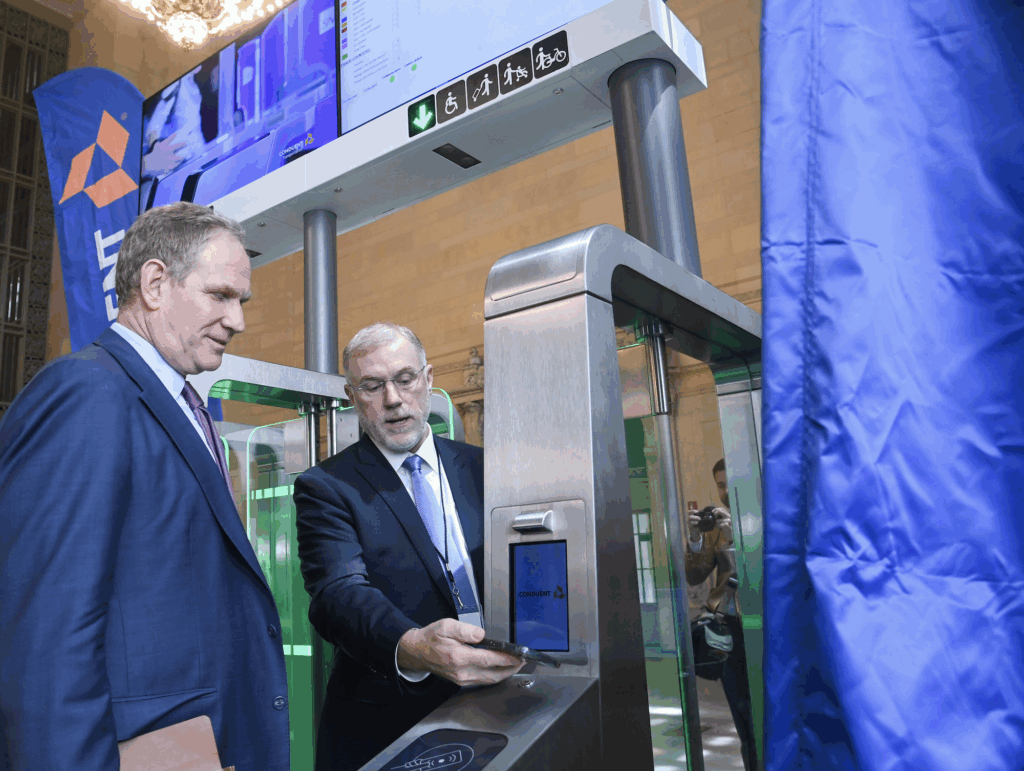
Fare evasion is a growing concern for Transport for London (TfL), with reports indicating that approximately 3.5% of fares were evaded in the 2023-24 period. This issue not only affects the financial sustainability of London’s transport system but also places a burden on honest passengers who end up subsidizing the costs incurred by fare dodgers. Proposals from City Hall Conservatives, advocating for taller ticket barriers and specialized fare evasion teams, aim to address this increasing trend, highlighting the need for stricter measures to deter such unlawful behavior.
The recent surge in prosecutions for fare evasion, marking the highest in six years, illustrates the seriousness of the problem. Despite TfL implementing a data-driven strategy that successfully reduced the fare evasion rate slightly from 3.8% to 3.5%, critics argue that more needs to be done. Engaging in public transport enforcement will be vital, as continuing fare evasion not only undermines the transport system but erodes public trust in London’s transport safety.
Frequently Asked Questions
What are the recent measures taken by TfL to combat fare evasion?
Transport for London (TfL) is implementing various strategies to combat fare evasion, including taller ticket barriers, dedicated fare evasion teams at stations, and a focused enforcement approach. These measures aim to reduce the fare evasion rate, which currently stands at 3.5%, down from 3.8% in the previous year.
How does fare evasion impact London transport safety?
Fare evasion undermines London transport safety as it can lead to increased fare rates for honest passengers and reduced investment in public transport services. By tackling fare evasion, TfL aims to enhance overall safety, cleanliness, and reliability of public transport in London.
What are the consequences of fare dodging on TfL services?
Consequences for fare dodging include a £100 penalty fare, which is reduced to £50 if paid within 21 days. This financial repercussion is part of TfL’s effort to deter fare evasion and ensure accountability among passengers.
What is the goal of TfL in reducing fares evasion by 2030?
TfL aims to reduce fare evasion from 3.4% to 1.5% by 2030. However, critics argue that this target may not be achievable based on current trends of fare dodging and public concerns surrounding enforcement.
Are there barriers to fare evasion enforcement on London transport?
Yes, barriers to fare evasion enforcement include public perception of insufficient action and the need for better staffing and technology to monitor and deter fare dodgers effectively. Ongoing discussions surrounding the implementation of taller barriers and increased staff presence highlight these challenges.
What role do dedicated fare evasion teams play in public transport enforcement?
Dedicated fare evasion teams are essential for monitoring high-risk areas within the TfL network. They focus on locations where fare evasion is prevalent, leveraging technology and professional investigators to enforce regulations and deter potential evaders.
How effective are current strategies in reducing TfL fare evasion?
Current strategies have shown some effectiveness, with the fare evasion rate dropping to 3.5%. TfL continues to refine its approach, utilizing a data-driven strategy and increasing enforcement efforts to tackle the issue of fare dodging more effectively.
What are the public proposals to improve fare evasion solutions?
Public proposals to improve fare evasion solutions include enhancing barrier heights, investing in advanced monitoring technology, and increasing the visibility and presence of enforcement teams at stations to deter fare dodging incidents.
What statistics exist regarding fare evasion prosecutions on the Tube?
The number of prosecutions for fare evasion on the Tube reached its highest level in six years during 2023-24. This increase reflects a growing effort to enforce fare payment and hold evaders accountable.
How can Londoners contribute to fighting fare evasion on public transport?
Londoners can contribute to fighting fare evasion by reporting violations they witness and supporting TfL’s efforts for stricter enforcement measures and community outreach programs aimed at raising awareness about the importance of fare compliance.
| Key Point | Details |
|---|---|
| Fare Evasion Rate | An estimated 3.5% of fares were evaded in the year to March 2025. |
| Prosecutions | The number of fare evasion prosecutions on the Tube reached its highest level in six years in 2023-24. |
| TfL’s Response | TfL stated its ‘data-driven strategy’ has reduced the fare evasion rate from 3.8% to 3.5%. |
| Cost of Enforcement | TfL spent £14.2m on fare dodging enforcement on the Tube and £7.7m on the bus network in 2023-24. |
| Penalty Fares | Penalty fares are £100, reduced to £50 if paid within 21 days. |
| Future Goals | TfL aims to reduce fare evasion from 3.4% to 1.5% by 2030. |
| Political Views | Conservatives criticize TfL, calling for taller barriers and dedicated teams to prevent fare evasion. |
| Response from TfL | TfL emphasizes fare evasion is a crime and outlines its strategies to combat it. |
Summary
Fare evasion remains a pressing issue within London’s public transport system. Recent calls for taller barriers and enhanced enforcement highlight the ongoing struggle against fare evasion, which reportedly affects 3.5% of all fares. Despite efforts by Transport for London (TfL) to address this problem, including increased prosecutions and financial investments in enforcement, challenges persist. As the debate continues, it is clear that a more effective strategy is required to mitigate fare evasion and restore public confidence in the integrity of the transport system.