
Listen to this article
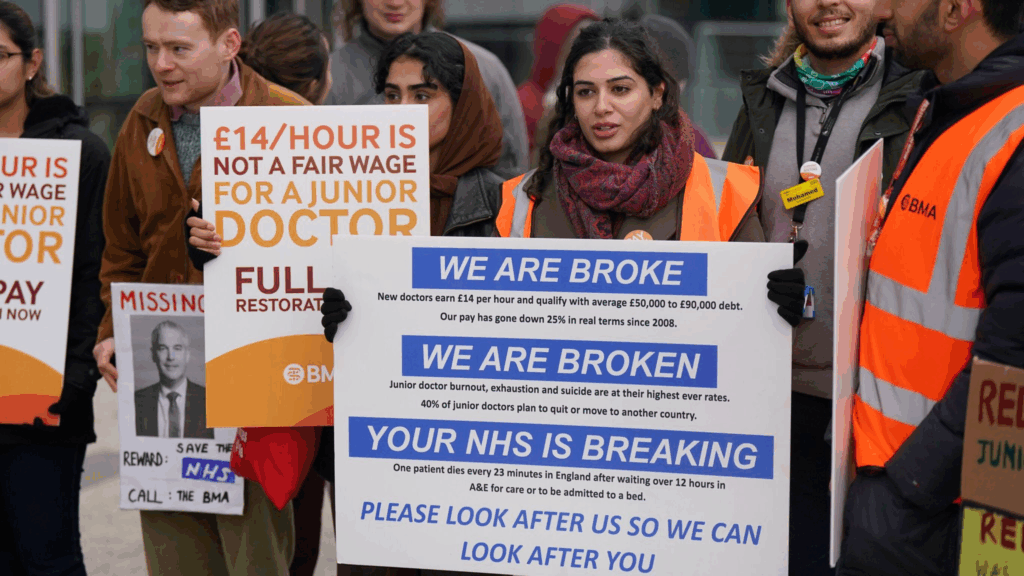
The ongoing NHS doctors strike highlights an escalating crisis within the UK’s healthcare system, as both leaders and practitioners warn of potentially devastating consequences if industrial action persists. Approximately 77,000 resident doctors are poised to down tools starting Friday, exacerbating existing healthcare disruptions caused by ongoing staffing shortages and NHS staff cuts. The NHS Confederation and NHS Providers have starkly indicated that continued strikes could force health trusts to reduce frontline staff and prioritize emergency cases, significantly warming up the ongoing debate surrounding NHS funding and resource allocation. With an estimated financial burden of £300 million from recent strikes, the implications of this industrial action are profound, leaving many patients facing longer waits for necessary treatments. As the situation unfolds, the future of not only the funding but also the quality of care within the NHS hangs in the balance.
In the midst of growing tensions surrounding NHS operations, the current episode of resident doctors striking represents a pivotal point in the discourse on healthcare quality and staffing issues. The healthcare system, already strained by previous NHS industrial actions, faces an uphill battle against staff shortages and budgetary constraints, underpinning a larger conversation about the sustainability of the NHS. This strike serves not just as a protest but as a critical juncture for healthcare management — where the stakes have escalated due to ongoing disputes over pay and working conditions. As thousands prepare to walk out, discussions about the future of healthcare in the UK intensify, raising questions about the balance between fair compensation for medical professionals and the health service’s capacity to deliver timely care to the public. With various stakeholders urging for a resolution, the interplay of economics and healthcare remains a pressing concern for the NHS.
Understanding the NHS Doctors Strike
The NHS doctors strike, which has garnered significant media attention, highlights the ongoing tensions between healthcare professionals and government officials over pay and working conditions. With approximately 77,000 resident doctors poised to participate in this industrial action, the implications extend far beyond the picket lines. Health leaders have expressed concern that the prolonged nature of these strikes could potentially lead to NHS staff cuts, exacerbating existing issues within the healthcare system. As the National Health Service struggles under financial pressures, the effects of this strike could ripple through every level of patient care.
The strike, now in its thirteenth iteration since March 2023, signifies the urgency felt by resident doctors regarding their remuneration and working conditions. With each strike day contributing an estimated £300 million to the NHS’s financial burdens, the stakes are tremendously high, not just for the doctors, but for patients awaiting treatment. The ongoing industrial action raises critical questions about how the NHS can maintain its services during this period of disruption, emphasizing the delicate balance between advocating for fair treatment of NHS staff and ensuring continued access to healthcare for patients.
Impact of the NHS Industrial Action on Patients
The ramifications of the NHS industrial action are becoming increasingly evident, particularly for patients who may experience delays in treatment. During the last strike, for instance, over 54,000 scheduled appointments and procedures were cancelled, leaving many in limbo. As healthcare disruptions continue, patients who rely on timely interventions for their conditions face growing uncertainty. The NHS Confederation has warned that if strikes prevail, wait times for appointments and surgeries may significantly increase, putting patients at risk of worsening health conditions during prolonged periods without care.
Furthermore, the potential for NHS staff cuts resulting from ongoing strikes could inflict lasting damage on the healthcare system. With budget constraints being a major concern, the ability of the NHS to staff hospitals appropriately becomes compromised. For instance, if the NHS cannot cope with the economic strain caused by strikes, the workforce may diminish at a time when it is needed most. Ultimately, patients are caught in the middle of this dispute, highlighting the need for resolution that protects both the rights of NHS staff and the well-being of those relying on its services.
Frequently Asked Questions
What is the impact of the NHS doctors strike on healthcare disruptions?
The NHS doctors strike is expected to significantly disrupt healthcare services, leading to postponed appointments, procedures, and an increase in waiting times. Last strike, over 54,000 appointments were canceled, and ongoing industrial action may exacerbate these healthcare disruptions as funding remains tight.
How many resident doctors are participating in the NHS industrial action?
Approximately 77,000 resident doctors are participating in the NHS industrial action, with thousands expected to strike for five days, starting on Friday. This large-scale participation underlines the ongoing pay disputes affecting NHS staff.
How does the NHS Confederation view the strikes by resident doctors?
The NHS Confederation warns that the ongoing strikes and NHS staff cuts may have severe repercussions on the health service’s finances and operational capacity, urging both sides to return to negotiations to avoid further damage to patient care.
What are the consequences of the NHS doctors strike on patient care?
Consequences of the NHS doctors strike on patient care include extended waiting times for treatment, potential cancellations of essential medical procedures, and an overall strain on healthcare resources, as health leaders express concern about maintaining service levels during industrial action.
Why are NHS doctors striking over pay?
NHS doctors are striking over pay due to ongoing disputes regarding compensation levels not keeping pace with inflation. The British Medical Association (BMA) argues that resident doctors require a 26% pay increase to restore their earnings, which has led to the current industrial action.
What are the potential long-term effects of the NHS doctors strike on NHS staffing levels?
The potential long-term effects of the NHS doctors strike on staffing levels may include increased NHS staff cuts, as financial pressures mount due to the costs incurred from industrial action. Health leaders warn that continued disruption could compromise service delivery.
How has the NHS Confederation responded to the current doctors strikes?
The NHS Confederation has expressed serious concerns over the financial impact of the current doctors strikes, stating that each strike further strains already stretched budgets, which could lead to more NHS staff cuts and service reductions if not addressed.
How does the government relate to the current NHS industrial action and doctors’ pay?
The government has maintained a firm stance regarding NHS doctors’ pay, with Health Secretary Wes Streeting stating that negotiations are non-negotiable despite the significant pay increases received by doctors in recent years. This rigidity may contribute to the ongoing industrial action.
What should patients do during the NHS doctors strike?
Patients are advised to continue seeking care and attend scheduled appointments unless indicated otherwise. For emergency situations, they should use services like 999 or A&E, while NHS 111 remains available to assist with any immediate healthcare needs during the strike.
| Key Points | Details |
|---|---|
| Strike Overview | NHS doctors are striking for five days starting Friday over pay disputes. |
| Participants | Approximately 77,000 resident doctors across hospitals and community services. |
| Impact of Strikes | Possible staff cuts, reduced appointments, and increased waiting lists for patients. |
| Financial Consequences | Each strike event costs NHS around £300 million, which could lead to tighter budgets and staffing reductions. |
| Current Situation | The last strike led to over 54,000 canceled or rescheduled procedures. |
| Public Opinion | Polling indicates that a significant percentage of doctors may prefer to end the strike. |
Summary
The NHS doctors strike highlights the critical situation facing the healthcare system as resident doctors take industrial action to demand fair pay and working conditions. With over 77,000 doctors potentially participating, there are severe implications for NHS services, including increased patient waiting times and potential staff cuts. The financial impact of these strikes is significant, with estimates indicating costs could reach £300 million, exacerbating existing pressures on an already strained NHS budget. As the situation unfolds, it remains essential to balance the concerns of healthcare professionals with the urgent need for patient care.