
Listen to this article
The latest NHS emergency care performance data reveals profound challenges facing hospitals across England, particularly in how timely patients are treated in A&E departments. With only 29% of patients at Kingston Hospital seen within four hours, the figures starkly contrast with the national average of 74.1%, underscoring the strain on emergency services. Compounding these issues, the NHS performance figures indicate persistent waiting lists for routine treatments and concerning trends in cancer treatment delays. As A&E performance continues to plummet, patients face lengthy waits, with over 54,000 experiencing delays exceeding 12 hours in a single month. In this context, understanding the dynamics of NHS emergency care performance is crucial to addressing the urgent healthcare needs of the population.
Emergency healthcare in the NHS context encompasses the urgent treatment provided in A&E departments, where patients often face significant delays that affect their well-being. Recent hospital performance metrics highlight the immediate struggles within the emergency care framework, marked by long waiting lists and inefficiencies in treating critical conditions, including cancer. The continued rise in hospital waiting times poses a serious concern for patients reliant on rapid medical response. Moreover, setbacks in urgent medical care spotlight the urgent need for systemic improvements in how emergency services are delivered. As we dissect the current state of NHS emergency care, it becomes increasingly important to focus not only on response time but also on enhancing overall patient experiences.
Current NHS Emergency Care Performance
The latest NHS emergency care performance figures indicate a significant crisis within certain hospitals, particularly in London. Kingston Hospital exemplifies this issue, recording the lowest percentage of patients seen within the four-hour window for A&E visits, with only 29% successfully admitted, transferred, or discharged. This performance starkly contrasts the national average of 74.1%, highlighting the urgent pressure faced by emergency departments. Other hospitals, such as Moorfields Eye Hospital, showcase high efficiency, managing to see 96.7% of patients swiftly. This discrepancy raises critical questions about resource allocation and management within the emergency care sector.
The challenges faced by NHS emergency services extend beyond just A&E performance metrics; they are symptomatic of broader systemic issues. With rising patient numbers and increasing demand on services, many hospitals are struggling with ensuring timely care, which can lead to dire consequences for patient outcomes. Addressing these disparities is essential for improving emergency care performance throughout the NHS.
Challenges in NHS Emergency Care Services
The NHS emergency care challenges are manifold, characterized by excessive waiting times, strained resources, and the ongoing impact of hospital capacity limits. Notably, in October, over 54,000 patients faced waits of over 12 hours in A&E, an increase from the previous month. This trend raises alarms regarding patient safety and care quality, as it can lead to deteriorating health conditions for individuals in need of immediate assistance. Furthermore, the growing waiting list for treatments beyond emergency care, totaling approximately 7.39 million, underscores the widespread inefficiencies hampering NHS performance.
Another critical aspect of these challenges is the urgent cancer treatment delays that many patients face. Despite a slight decline in the routine hospital treatment waiting list, the urgent cancer referral performance remains concerning, with only 73.9% of patients receiving a timely diagnosis. Compounded with A&E delays, this situation illustrates a severe bottleneck in the healthcare system that necessitates strategic reforms and enhancements. Identifying and implementing solutions to these challenges is imperative for restoring public trust in NHS emergency services.
Impact of Waiting Lists on NHS Patients
The impact of hospital waiting lists on patients within the NHS is profound, particularly as routine treatments and emergency care are crucial for public health. With around 1,489 patients waiting over 18 months for routine care, these figures highlight a system under serious strain. Extended waiting times can lead to worsening medical conditions and increased anxiety among patients, thereby affecting their overall well-being. The situation is exacerbated in emergency departments where timely intervention is critical; delays can lead to severe patient outcomes.
Ultimately, the consequences of lengthy waiting lists extend beyond the immediate health of the population. They strain NHS resources, hinder the ability to deliver prompt care, and may contribute to a cycle of dissatisfaction and distrust among patients with regard to NHS services. Addressing these waiting lists is not only vital for improving NHS performance but also for the overall health and morale of patients who depend on these critical services.
The Importance of Timely Cancer Treatment
Timeliness in cancer treatment is crucial, as early interventions can significantly improve patient outcomes. Current statistics show that only 73.9% of patients referred urgently for suspected cancer are diagnosed or ruled out within 28 days, falling below the health authorities’ target. These delays can mean life or death for many individuals, reinforcing the importance of streamlining processes within the NHS to ensure that patients receive prompt and effective care.
The ongoing delays in cancer treatments not only impact individual patients but also reflect broader inefficiencies in the healthcare system that need immediate addressing. Efforts must be intensified to meet set benchmarks for urgent referrals and diagnoses, which includes investing in necessary resources, training personnel, and adopting innovative health technology solutions. With the majority of cancer patients relying on timely access to care, addressing this issue head-on is paramount.
Addressing Ambulance Response Times
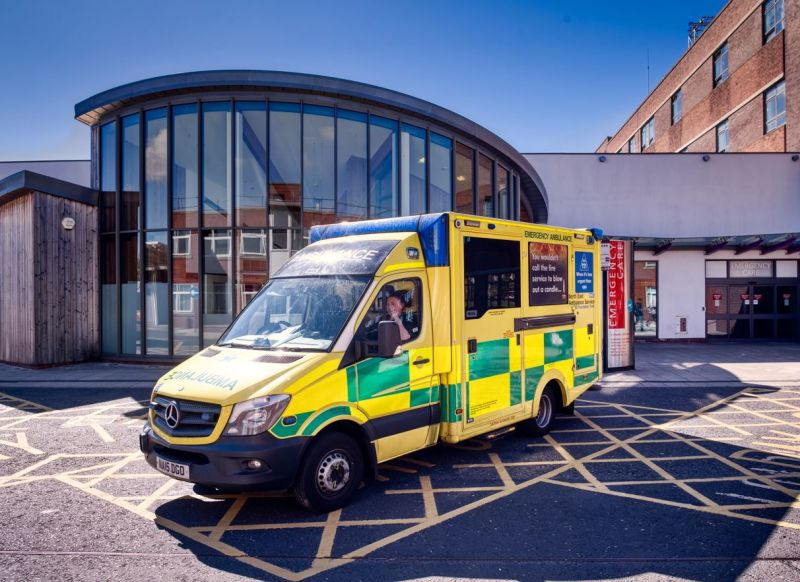
Ambulance response times have significant implications for emergency care performance within the NHS. As of the latest report, the average response time for life-threatening emergencies stands at over eight minutes, which falls short of established targets. These delays can critically impact patient outcomes, particularly in emergencies where every second counts. The increase in ambulance call-outs coupled with workforce shortages presents a need for urgent reforms in how emergency medical services are operated and managed.
Improving ambulance response times requires not just an increase in personnel and resources but also a strategic redesign of processes within emergency medical services. Enhancing coordination between ambulances and hospitals can help create a more efficient pipeline for patient care. Policymakers must prioritize these enhancements to ensure that emergencies are met with adequate response capacity, thus improving overall NHS emergency care performance.
Systemic Issues Facing NHS Trusts
The latest performance figures from the NHS reveal systemic issues that are contributing to the decline in care efficiency across various London hospitals. The stark differences in performance metrics, particularly in emergency care, indicate a discrepancy in resources, management, and patient care protocols among NHS trusts. As Kingston Hospital struggles with A&E performance while other trusts excel, it points to a pressing need for redistributing resources and best practices to ensure high-quality care across the board.
Systemic problems within NHS trusts extend beyond isolated performance figures; they emphasize a need for a coordinated approach to healthcare delivery. Addressing these disparities requires not only immediate interventions but long-term strategies focused on fostering collaboration, sharing key performance indicators, and improving training across trusts. Moreover, transparency in reporting and accountability can pave the way for enhanced performance metrics, thereby creating a more equitable healthcare system for all patients.
Long-term Solutions for NHS Efficiency
Finding long-term solutions for improving NHS performance requires a multifaceted approach, addressing both immediate and systemic issues. Key strategies include increasing funding for critical services, enhancing workforce training, and implementing technology-driven solutions to improve efficiency. Additionally, developing integrated care pathways that ensure seamless transitions between emergency and routine care can greatly enhance patient experiences and outcomes.
It’s equally important for stakeholders—including government authorities, healthcare providers, and patient advocacy groups—to collaborate and share insights on best practices. Continuous evaluation of performance metrics and patient outcomes will enable the NHS to adapt and respond proactively to emerging healthcare challenges. By committing to these long-term solutions, the NHS can improve care delivery, reduce waiting lists, and ultimately restore public confidence in its ability to meet the healthcare needs of the population.
Public Trust in NHS Performance
Public trust in NHS performance is crucial for the confidence of patients who depend on these services. The current challenges, such as rising waiting lists and emergency care performance, risk undermining this trust. A transparent approach that communicates these challenges alongside ongoing efforts for improvement is essential. Engaging the public in dialogue about NHS performance can help restore faith, particularly in the context of emergency services and cancer care, where timely interventions are critical.
To rebuild public trust, the NHS must prioritize effective communication and accountability in addressing delays and inefficiencies. Regular public updates on progress towards meeting targets, improvements in care standards, and evidence of positive changes can cultivate a renewed confidence in NHS capabilities. A proactive engagement approach, including patient feedback and community involvement, will also play a pivotal role in shaping a more responsive healthcare system that meets the expectations of its users.
The Future of NHS Emergency Care
The future of NHS emergency care hinges on the ability to effectively address current inefficiencies and embrace innovations that enhance patient care. As the healthcare landscape evolves, integrating technology such as telemedicine and AI diagnostics could streamline processes, reduce waiting times, and improve patient engagement. These advancements promise to create a more responsive emergency care system equipped to handle increased demand while prioritizing patient safety and outcomes.
Furthermore, a focus on preventive care and community health initiatives can alleviate pressure on emergency departments. Configuring healthcare services around patients’ needs can minimize unnecessary A&E visits, ultimately improving NHS emergency care performance. By envisioning a future where emergency care is not just reactive but proactive, the NHS can better adapt to challenges ahead and ensure that all patients receive the timely care they deserve.
Frequently Asked Questions
What are the latest NHS emergency care performance figures for hospitals in England?
The latest NHS emergency care performance figures reveal ongoing challenges, with only 74.1% of patients seen within four hours at A&E nationwide. Specific hospitals, like Kingston Hospital in London, reported as low as 29% of patients meeting this target, highlighting significant disparities within the NHS trusts.
How has NHS performance in A&E changed recently?
NHS performance in A&E shows concerning trends with increased waiting times. In October, 54,314 patients waited over 12 hours for care, reflecting an increase from the previous month. This challenge underscores the need for the NHS to enhance its emergency care processes.
What are the emergency care challenges faced by NHS hospitals?
Emergency care challenges for NHS hospitals include rising patient volumes, long wait times in A&E, and significant backlogs for urgent cancer referrals. Only 73.9% of patients referred urgently for suspected cancer received timely diagnoses, which is below the expected target.
What impact do hospital waiting lists have on NHS emergency care performance?
Hospital waiting lists directly impact NHS emergency care performance by increasing patient backlogs in A&E. Currently, around 7.39 million treatments are pending for 6.24 million patients, resulting in longer wait times and heightened pressures on emergency departments.
Are there specific NHS trusts that perform better in emergency care?
Yes, certain NHS trusts, such as Moorfields Eye Hospital, have performed exceptionally well, with 96.7% of patients seen within the four-hour A&E timeframe. This contrasts starkly with underperforming hospitals, emphasizing variability in NHS emergency care performance.
What are the expected response times for NHS ambulances in emergencies?
NHS ambulance response times for life-threatening emergencies should ideally be around eight minutes. However, current data shows that average response times are still below target standards, which raises concern regarding the efficiency of emergency care delivery.
How do cancer treatment delays affect NHS emergency care performance?
Cancer treatment delays significantly affect NHS emergency care performance by exacerbating wait times for urgent referrals and diagnostics. With only 73.9% of patients receiving diagnoses within the expected 28 days, the strain on emergency resources intensifies as patients seek faster care.
| Key Performance Area | Current Metrics | National Average/Targets |
|---|---|---|
| Percentage of Patients Seen Within Four Hours at A&E (Kingston Hospital) | 29% | 74.1% (National Average) |
| Percentage of Patients Diagnosed for Urgent Cancer Referrals | 73.9% | 75% (Target) |
| Total Waiting List for Routine Treatments | 7.39 million treatments for 6.24 million patients | |
| Patients Waiting Over 18 Months for Routine Care | 1,489 patients | |
| Patients Waiting Over 12 Hours in A&E (October) | 54,314 patients | 44,765 (September) |
| Average Ambulance Response Time for Life-Threatening Emergencies | 8 minutes and 1 second | Below Target Standards |
Summary
NHS emergency care performance has revealed significant challenges facing hospitals and emergency services in England. With Kingston Hospital’s alarming figure of only 29% of A&E patients seen within the four-hour benchmark, compared to a national average of 74.1%, it highlights a critical issue. The statistics indicate persistent backlogs, particularly regarding urgent cancer referrals, and the pressing need for improvements in response times and patient flow across NHS trusts. The data underscores the urgent requirement for strategic enhancements to effectively manage the demands on emergency care and improve patient outcomes.