
Listen to this article
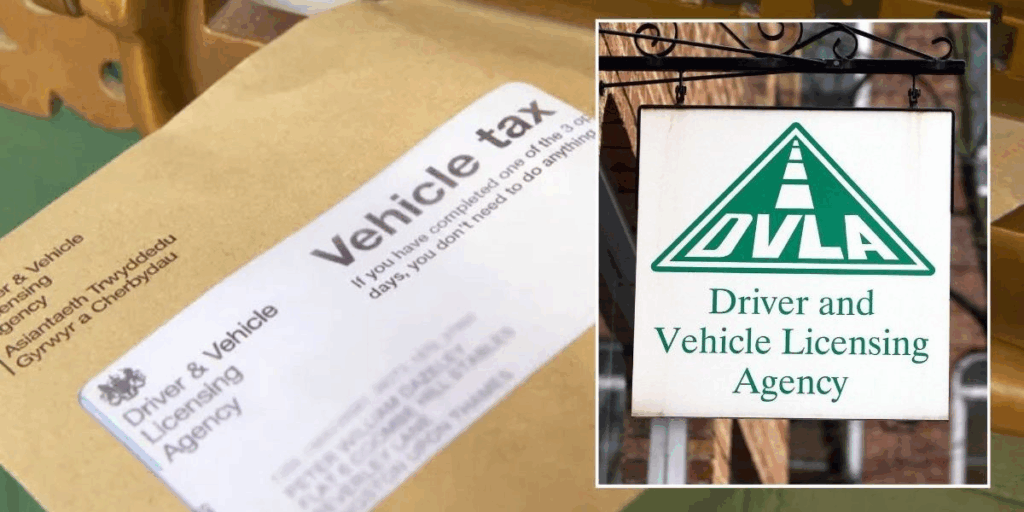
The DVLA vehicle tax warning has emerged as a critical alert for drivers across the UK, highlighting the potential consequences of neglecting vehicle taxation. As estimates suggest that nearly 500,000 vehicles on Britain’s roads are currently untaxed, the risk of incurring a £1,000 fine looms large for many motorists. The Driver and Vehicle Licensing Agency emphasizes that it is the responsibility of the registered keeper to ensure their vehicle is properly taxed to avoid hefty penalties. Recent communications from the DVLA serve as a stark reminder that failing to comply can lead to severe financial repercussions, especially for those unsure about their vehicle tax status. Therefore, it is imperative for drivers to know how to tax your vehicle promptly and to remain vigilant about any vehicle tax reminder notices they may receive.
In light of the recent DVLA alert regarding vehicle taxation, it’s essential for car owners to recognize the importance of keeping their tax updated to avoid a vehicle tax fine. The warning about untaxed vehicles in the UK has raised concerns as the threat of a DVLA fine warning increases among motorists. Staying informed about the nuances of car tax can prevent unintentional violations and save individuals from unnecessary fines. Moreover, knowing how to tax your vehicle and understanding any applicable exemptions are vital for maintaining compliance with UK road regulations. As changes to car tax rules come into effect, drivers must equip themselves with the information needed to navigate these challenges efficiently.
Understanding the DVLA Vehicle Tax Warning
The recent warning issued by the DVLA highlights a critical issue affecting many drivers across the UK. With estimates suggesting that almost 500,000 vehicles are currently untaxed, it’s paramount for vehicle owners to understand their responsibilities. The DVLA has stated that failing to tax your vehicle could result in a hefty fine of up to £1,000, which may not only impact your wallet but also your driving record. Staying informed about vehicle tax laws and following the provided regulations can help you avoid such penalties.
The DVLA’s alert serves as a reminder that vehicle tax compliance is non-negotiable. Whether you own a car, van, or any other vehicle, it is the registered keeper’s responsibility to ensure proper taxation. Furthermore, the DVLA has made it easier for drivers to manage their vehicle tax obligations online, emphasizing the importance of taking action promptly. Regular checks on your tax status and timely renewals are vital steps to ensure that you remain compliant with UK vehicle tax regulations.
Consequences of Ignoring Vehicle Tax Reminders
Ignoring vehicle tax reminders can lead to severe financial repercussions. The DVLA has implemented strict measures to enforce vehicle tax laws, making it crucial for drivers to stay informed and proactive about their tax status. Those who fail to comply with vehicle tax regulations risk not only fines but also the potential for enforcement actions like clamping or removal of their vehicle. With hundreds of thousands of untaxed vehicles on the roads, the likelihood of facing a DVLA fine warning escalates, making adherence to tax laws even more critical.
Additionally, driving an untaxed vehicle can result in points on your driving license, complicating matters further. The consequences do not only stretch to fines and legal issues; they can also affect your insurance premiums and overall driving experience. Consequently, ensuring that your vehicle is taxed is not just about complying with the law; it’s also an essential part of responsible vehicle ownership.
How to Tax Your Vehicle Effectively
Taxing your vehicle in the UK has never been easier thanks to the DVLA’s online services. To avoid the pitfalls of untaxed vehicles, drivers need to familiarize themselves with the procedures for taxing their vehicles, which can now be done in a few simple steps online. You will need your vehicle’s registration number and possibly details of the most recent tax payment. It’s imperative to keep your information updated to ensure that you receive timely vehicle tax reminders and alerts from the DVLA.
For those who might be facing financial challenges, it’s essential to note that there are certain exemptions available, especially for individuals with disabilities. However, registration for these exemptions is still mandatory. Ensuring timely taxation not only protects you from fines but also allows you to drive legally and safely on the roads. If you have any questions regarding how to tax your vehicle, consider reaching out to the DVLA or visiting their official website for comprehensive guidance.
Dealing with DVLA Vehicle Tax Fines
Receiving a DVLA vehicle tax fine can be disheartening; however, it’s essential to understand the process of contesting or managing these fines. If you believe you’ve received a penalty in error, the first step is to contact the DVLA for clarification. Documentation proving that your vehicle was taxed or valid reasons for an overlook may help in resolving the issue. Staying organized with your vehicle’s tax records can provide critical support during disputes over fines.
In case the fine is legitimate, it’s important to act swiftly to avoid further complications, such as increased fines or legal actions. Most penalties can be settled easily if addressed promptly. You can often arrange a payment plan for larger fines if necessary, ensuring that your financial situation can accommodate these obligations. Understanding your rights and the available options can significantly aid in managing your DVLA tax fine situation effectively.
Exceptions to Vehicle Tax Rules
While the general rule is that all vehicles must be taxed to be legally operable on UK roads, there are specific exceptions that drivers should be aware of. For instance, individuals driving to a pre-booked MOT test may do so without having their vehicle taxed, but caution must be exercised during the journey. If you stop anywhere along the way or deviate from the direct route, you risk incurring penalties. It’s vital to remain informed about such exceptions to avoid inadvertent violations.
Another exception includes certain vehicles that may be completely exempt from vehicle tax, particularly those designated for disabled users. However, even in these cases, proper application must be submitted to benefit from these exemptions. Staying updated with the latest regulations and potential changes in vehicle tax laws can help drivers navigate their responsibilities effectively while enjoying the perks of available exemptions.
Importance of Regular Vehicle Tax Checks
Regular checks on your vehicle tax status are crucial for every vehicle owner. Not only do these checks help ensure that you remain compliant with legal requirements, but they also provide peace of mind while driving. Knowing your vehicle’s tax status can significantly reduce the stress associated with unexpected fines or penalties. Use DVLA online tools to periodically verify your tax status and set reminders for when your tax renewal is due.
Failure to conduct regular checks can lead to unintentional lapses in vehicle tax, which can manifest as fines and other penalties. The best approach is to remain proactive, ensuring that you are always informed about your tax status and upcoming deadlines. Regular reviews of your vehicle tax can help keep your ownership experience smooth and hassle-free, thus allowing you to focus on enjoying your time on the road.
Recent Changes to Car Tax Regulations
With the recent changes to car tax regulations introduced in April, it’s more important than ever for vehicle owners to stay informed. These changes may impact your vehicle tax obligations and could lead to additional costs previously not incurred. For many motorist, the modification in taxation laws means re-evaluating how you manage your vehicle’s tax payments and ensuring compliance with the updated rules.
Staying abreast of amendments in vehicle tax policies can save you from future complications and fines. It’s advisable for drivers to review the DVLA’s updates and adjust their vehicle tax strategies accordingly. Understanding these changes enables drivers to make informed decisions, potentially avoiding the pitfalls associated with untaxed vehicles and DVLA warnings.
The Role of the DVLA in Vehicle Taxation
The DVLA plays a pivotal role in vehicle taxation across the UK, serving as the central authority for vehicle registration and tax collection. By enforcing regulations, the DVLA helps maintain order on the roads and ensures that all vehicle owners contribute fairly to road maintenance and safety. Their comprehensive online services allow for easy access to information regarding tax payments, deadlines, and penalties, making it more user-friendly for drivers.
Moreover, the DVLA provides guidelines and resources designed to educate vehicle owners about their responsibilities. This initiative is crucial for preventing issues related to untaxed vehicles, which could lead to significant fines. By utilizing the services and resources provided by the DVLA, vehicle owners can stay compliant, ultimately fostering a safer driving environment for everyone.
Preparing for Upcoming Vehicle Tax Deadlines
Preparing for upcoming vehicle tax deadlines is fundamental for every motorist wishing to avoid potential fines. Creating a personalized calendar or setting automatic reminders on your devices can ensure that you never miss a renewal date. By being proactive and planning ahead, you can effectively manage your vehicle tax responsibilities without the last-minute rush that may lead to costly penalties.
Additionally, taking time to review your vehicle’s tax history and understanding your obligations can help streamline the process. For those unsure about the procedures, the DVLA’s online platform can offer guidance on how to tax your vehicle, providing a straightforward path to compliance. Staying organized and informed about your vehicle tax duties allows for a more pleasant driving experience and reduces the risk of encountering DVLA fines.
Frequently Asked Questions
What is the DVLA vehicle tax warning about untaxed vehicles in the UK?
The DVLA vehicle tax warning highlights that nearly 500,000 vehicles in the UK are currently untaxed, putting their owners at risk of facing a £1,000 fine. The DVLA emphasizes the importance of taxing your vehicle to avoid penalties.
What happens if I don’t comply with the DVLA vehicle tax reminder?
Failure to comply with the DVLA vehicle tax reminder can result in a penalty of up to £1,000 if you are found driving an untaxed vehicle. It’s crucial to ensure your vehicle is taxed, even if no payment is due.
How can I avoid a DVLA fine warning regarding my vehicle tax?
To avoid a DVLA fine warning, make sure your vehicle is properly taxed by checking your vehicle tax status online and ensuring payment is made by the due date. If you don’t owe any tax, you must still apply to officially tax your vehicle.
What should I do if I’ve received a DVLA fine warning for an untaxed vehicle?
If you receive a DVLA fine warning for an untaxed vehicle, you should immediately tax your vehicle online. You may also want to contact the DVLA to clarify the status of your vehicle tax and understand your options.
Can I drive an untaxed vehicle to an MOT test according to DVLA regulations?
According to DVLA regulations, you are allowed to drive an untaxed vehicle to a pre-booked MOT test. However, this exemption is only valid if you do not stop anywhere else along the journey.
Are there exceptions when it comes to the DVLA vehicle tax law?
Yes, there are exceptions to the DVLA vehicle tax law. Certain vehicles, or those belonging to individuals with specific disabilities, may not require tax payments, but an application must still be made to reflect this status.
How have the changes to car tax rules impacted DVLA vehicle tax warnings?
Recent changes to car tax rules introduced in April may now require some vehicle owners who were previously exempt from paying vehicle tax to start covering this expense, leading to more DVLA vehicle tax warnings.
Where can I check the status of my vehicle tax to heed the DVLA vehicle tax warning?
You can check the status of your vehicle tax online through the DVLA website to ensure you are in compliance and to avoid any potential vehicle tax fines.
What does the DVLA say about taxing your vehicle online?
The DVLA encourages motorists to tax their vehicles online, stating, ‘You must tax your vehicle, even if you don’t have to pay anything.’ This is part of their campaign to reduce the number of untaxed vehicles on the road.
What penalties do I face if I drive an untaxed vehicle in the UK?
Driving an untaxed vehicle in the UK can lead to a penalty of up to £1,000 as stated in the DVLA vehicle tax warning, making it crucial for vehicle owners to ensure compliance.
| Key Point | Details |
|---|---|
| Urgent DVLA Warning | The DVLA warns that nearly 500,000 vehicles in the UK are currently untaxed and at risk of fines. |
| Fine for Untaxed Vehicles | Motorists can face a penalty of up to £1,000 for driving an untaxed vehicle. |
| Responsibility of Vehicle Keepers | It is the registered keeper’s responsibility to ensure that their vehicle is properly taxed. |
| Tax Application Requirements | Even if no tax is owed, an application must be made to ensure compliance. |
| Exceptions to the Rule | You may drive without tax if heading to a pre-booked MOT test, but stopping along the way voids this exemption. |
| Changes in Tax Rules | Recent changes might affect those who previously did not have to pay vehicle tax. |
Summary
The DVLA vehicle tax warning highlights the critical importance of ensuring that all vehicles on the road are properly taxed to avoid substantial penalties. With an alarming number of untaxed vehicles on Britain’s roads, motorists must take immediate action to comply with regulations and prevent facing fines. The DVLA’s reminder serves as a crucial nudge for vehicle owners to check their tax status and remain informed about changing regulations surrounding vehicle taxation.