
Listen to this article
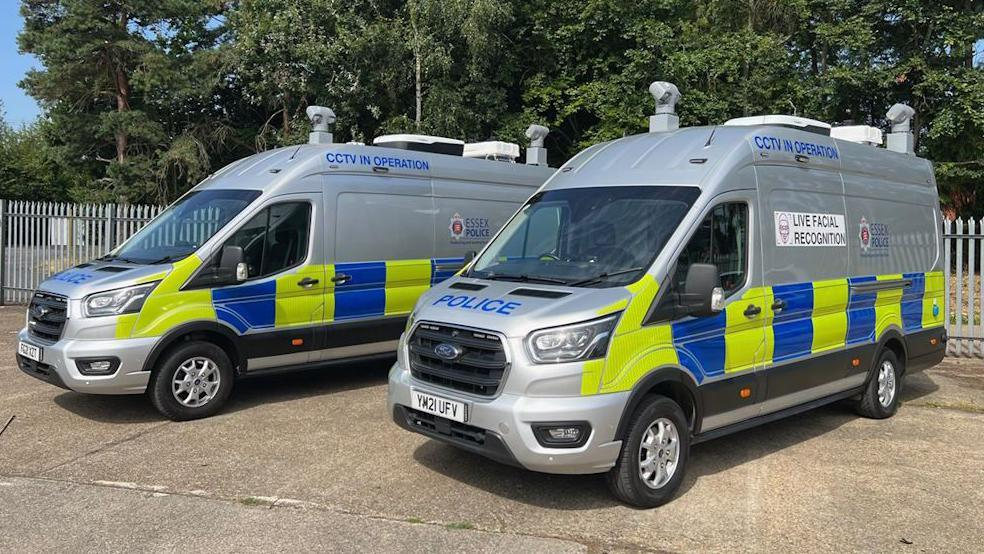
Facial recognition vans are transforming police technology across the UK, aiming to enhance public safety and law enforcement efforts. Recently, seven police forces, including Greater Manchester and West Yorkshire, have received these innovative vehicles as part of a facial recognition pilot program funded by the Home Office. Equipped with advanced facial recognition software, these vans allow officers to scan the surroundings, identifying individuals on watchlists with astonishing accuracy. While previous implementations have received mixed reactions, improvements in live facial recognition capabilities have boosted confidence among police departments. This latest initiative seeks to leverage cutting-edge technology to pursue criminals and provide reassurance to communities regarding police presence.
These mobile surveillance units, often referred to as biometric monitoring vans, are at the forefront of modern policing strategies. Designed to integrate seamlessly with existing law enforcement capabilities, these sophisticated vehicles utilize cutting-edge image analysis tools to aid in crime prevention. As police forces expand their use of this technology, concerns regarding privacy and civil liberties continue to emerge. However, supporters argue that the innovative use of biometric data is essential for enhancing public safety and tackling serious crime. With their deployment, police are eager to showcase the benefits of this technology and communicate transparently with the public regarding its use.
Introduction of New Facial Recognition Vans
In an effort to enhance public safety and crime prevention, seven police forces across the UK are preparing to introduce new facial recognition vans. This initiative, part of an expanded pilot program, aims to improve the capabilities of law enforcement agencies in identifying wanted individuals through advanced technology. The police forces in Greater Manchester, West Yorkshire, Bedfordshire, Surrey, Sussex, Thames Valley, and Hampshire will benefit from these state-of-the-art vehicles, equipped with the latest facial recognition software.
With cameras mounted on top of these vans, officers can conduct real-time scans of individuals in public spaces, particularly focusing on those listed on police watchlists. This proactive approach to policing not only serves to apprehend suspects but also acts as a deterrent against criminal activity. The integration of facial recognition technology signifies a landmark shift in how UK police forces utilize data and technology to bolster their operations.
Impact of Live Facial Recognition Technology
Live facial recognition (LFR) technology has received significant attention due to its implications for privacy and civil liberties. While proponents argue that it enhances the efficiency of law enforcement by potentially reducing crime rates, critics raise concerns about the accuracy of such systems. For instance, during trials conducted at notable events like the Notting Hill Carnival, past criticisms regarding high false alert rates were underscored. However, advancements in facial recognition software have reportedly resulted in a drastic reduction in these inaccuracies, with some forces reporting a false alert rate as low as 0.0003% after millions of scans.
The ongoing evolution of LFR technology makes it an appealing tool for UK police forces, who aim to refine their capabilities while being conscious of public sentiment. Striking a balance between effective policing and respecting individual rights remains a challenging task for law enforcement agencies. Ultimately, the implementation of these new facial recognition vans signifies a commitment to leveraging innovative technologies in the pursuit of safer communities.
Funding and Support for Facial Recognition Initiatives
The rollout of facial recognition vans has been made possible through funding provided by the Home Office, emphasizing the government’s support for employing cutting-edge technology in policing. This financial backing underlines the importance placed on public safety and the need for law enforcement to adapt to modern challenges. As UK police forces navigate a complex landscape of crime prevention, the introduction of these vans represents a critical investment in advanced police technology.
With the introduction of these new resources, police departments are poised to enhance their operational effectiveness. The targeted use of facial recognition software aligns with broader governmental objectives to ensure public security while maintaining transparency and accountability in police activities. This structured financial framework is crucial for ensuring that law enforcement agencies can effectively address crime in increasingly sophisticated ways.
Public Perception and Response to Facial Recognition Technology
The deployment of facial recognition vans has sparked diverse reactions from the public, stirring debates on civil liberties and the role of technology in policing. While many citizens appreciate the potential for enhanced security, others express concerns regarding privacy violations and the accountability of law enforcement agencies. Civil liberties groups have been vocal in critiquing the use of facial recognition systems, reflecting worries about historical inaccuracies and potential racial biases.
To address these concerns, police officials have pledged to maintain transparency regarding the deployment of facial recognition technology. Chief Inspector Andy Hill has emphasized that the technology will only be utilized in a measured manner, with comprehensive testing conducted to bolster public confidence. Open communication regarding the operations and results of these facial recognition vans is imperative in fostering trust between law enforcement and the communities they serve.
Future Directions for Facial Recognition Software
As facial recognition technology continues to evolve, its future applications in policing are set to expand dramatically. The ongoing improvements in the software’s accuracy and efficiency present exciting possibilities for crime prevention and investigation. The rollout of facial recognition vans across several UK police forces serves as a pioneering step towards fully integrated police technology solutions, potentially transforming the landscape of law enforcement.
Looking ahead, the experiences gathered from the new pilot program will inform further enhancements in policy and technology deployment. The continuous feedback loop between police operations, public concerns, and technological advancements will be essential in ensuring that facial recognition software is utilized ethically and effectively. Ultimately, the goal is to harness the power of these innovations in a way that prioritizes safety without compromising civil liberties.
The Role of Police Watchlists in Facial Recognition
Integral to the functionality of facial recognition vans is the use of customized police watchlists. These lists are populated with the identities of individuals considered to pose a risk to public safety, such as wanted suspects and those subject to specific court orders. When a police van scans the faces of passersby, it automatically compares them to the watchlist, alerting officers to potential matches for further investigation.
This proactive strategy allows law enforcement to target specific individuals of interest, thereby enhancing the efficiency of police operations. Importantly, access to sensitive personal data is controlled, ensuring that only individuals with legitimate law enforcement purposes can utilize this information. The careful management of police watchlists paired with facial recognition technology underscores a thoughtful approach to modern policing.
Collaboration Between Police Forces and Technology Developers
The successful implementation of facial recognition technology in policing relies heavily on collaboration between law enforcement agencies and technology developers. This partnership is crucial for ensuring the software meets the practical needs of police forces while addressing public concerns regarding privacy and civil liberties. By working alongside experts in technology, police forces can foster more effective outcomes in crime prevention and law enforcement operations.
Furthermore, this collaboration is essential for ongoing training and development in using facial recognition technology. Continuous education ensures that officers are proficient in utilizing the software correctly, minimizing risks of misidentification or misuse. The ongoing dialogue between police and technology companies marks a significant step towards creating a more accountable system that respects individuals’ rights while leveraging innovative crime-fighting tools.
Ethical Considerations in Facial Recognition Deployment
As facial recognition technology becomes increasingly prevalent, ethical implications must be at the forefront of discussions surrounding its deployment. Concerns about racial bias and inaccurate identification outcomes have led to calls for stricter regulations and oversight in the use of such technology by police forces. Addressing these ethical considerations is paramount to ensure public trust remains intact as these new systems are integrated into policing.
Law enforcement agencies are urged to develop policies that prioritize transparency and accountability in their use of facial recognition software. Engaging with communities to discuss the implications of such technology can help mitigate fears and promote understanding of its intended use. By prioritizing ethics alongside technological advancements, police forces can harness the benefits of facial recognition while safeguarding the rights of the individuals they serve.
Public Awareness and Education on Live Facial Recognition Technology
Educating the public about live facial recognition technology is crucial to demystify its application in policing and promote informed discussions about its use. Clear communication regarding how the technology works, its benefits, and its limitations can empower citizens to engage constructively in conversations surrounding law enforcement practices. Such awareness initiatives can also help dispel misconceptions and foster a nuanced understanding of the role of technology in enhancing public safety.
Furthermore, police forces should create opportunities for community engagement, allowing individuals to ask questions and express concerns directly to law enforcement officials. By providing accessible information and ensuring transparency, police can build stronger relationships with communities while addressing potential fears about surveillance and privacy violations. Ultimately, public education serves as a vital tool in balancing security and civil liberties in the context of advanced policing technologies.
Frequently Asked Questions
What are facial recognition vans used for by UK police forces?
Facial recognition vans are utilized by UK police forces to identify individuals on their watchlists using live facial recognition technology. These vans are equipped with cameras that scan the surrounding areas, allowing officers to track and verify the identities of wanted persons in real-time.
How does live facial recognition technology in police vans work?
Live facial recognition technology in police vans captures video footage of individuals in public spaces and compares their facial features against a pre-uploaded database of watchlisted individuals. When a match is detected, officers receive alerts to investigate further.
What police forces in the UK are using new facial recognition vans?
New facial recognition vans are being deployed by Greater Manchester, West Yorkshire, Bedfordshire, Surrey, Sussex, Thames Valley, and Hampshire police forces, adding to existing programs in the Metropolitan Police, South Wales Police, and Essex Police.
What are the concerns associated with facial recognition software used in police technology?
Concerns related to facial recognition software include potential inaccuracies, high false alert rates, and issues of racial bias. Critics, including civil liberties groups, argue that the technology’s history of unreliability can lead to wrongful identifications and exacerbate disparities.
What are the benefits of deploying facial recognition vans by police?
The use of facial recognition vans offers several benefits, including enhanced crime detection capabilities, the ability to quickly locate high-risk individuals, and increased public reassurance of police presence in crime prevention efforts.
How does the public get informed about facial recognition van deployments?
Police forces publish deployment schedules for facial recognition vans on their websites at least seven days in advance. Additionally, signage is displayed in areas designated as live facial recognition zones to inform the public about the active monitoring.
What safeguards are in place regarding data privacy when using facial recognition vans?
Facial recognition vans are designed to delete images of individuals not triggering alerts within one second, ensuring that the privacy of innocent civilians is protected while maintaining accountability and transparency about their operations.
How effective has facial recognition technology been in the UK based on recent reports?
Recent reports indicate that facial recognition technology used by police forces in the UK has a very low false alert rate, with a reported 0.0003% from over three million scans, suggesting significant improvements in accuracy compared to earlier implementations.
| Key Point | Details |
|---|---|
| Deployment of New Vans | Seven police forces will now utilize new facial recognition vans in the UK. |
| List of Police Forces | Greater Manchester, West Yorkshire, Bedfordshire, Surrey, Sussex, Thames Valley, and Hampshire. |
| Funding Source | The rollout is funded by the Home Office as part of an expanded pilot program. |
| Mixed Reactions | The existing facial recognition vans have received varied public responses regarding their usage and effectiveness. |
| False Alert Rate | The software used has a reported false alert rate of 0.0003% based on prior tests. |
| Concerns Raised | Civil liberty groups have expressed concerns about potential inaccuracies and racial biases in the software. |
| Public Engagement | Police will have signage and information available for the public about facial recognition use during deployments. |
| Implementation Plan | Ten new vans will be deployed across the seven police centers, with plans to maintain public transparency. |
Summary
Facial recognition vans are becoming a significant tool for police forces across the UK as they are rolled out to seven additional police areas. These vans utilize advanced software to scan public spaces for individuals on watchlists, enhancing law enforcement capabilities. Despite concerns raised by civil liberties advocates regarding inaccuracies and bias, police representatives assert improvements have been made and that transparency will be prioritized in their operations. With the introduction of these facial recognition vans, authorities aim to boost crime investigation efforts while attempting to reassure the public of their commitment to safety.