
Listen to this article
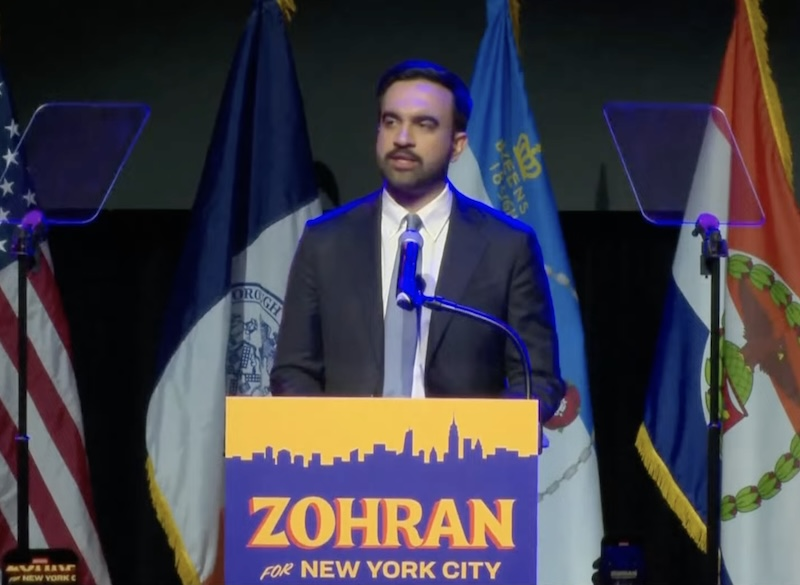
Zohran Mamdani has electrified the New York political landscape with his recent victory as the city’s new mayor, marking a significant shift towards progressive leadership in 2026. As a self-proclaimed socialist mayor, Mamdani’s tenure will be scrutinized closely, especially with the looming presence of Donald Trump and the ideological conflicts that may arise from their opposing views. With a campaign that resonated deeply among young voters and a promise of ambitious policies, he aims to tackle pressing urban issues such as affordability and social equity. His appeal, evidenced by his ability to captivate approximately 50% of the electorate, is not just a product of his message but also of his charismatic persona that rivals even the most prominent political figures. As New York braces for the impact of Mamdani policies, the city watches closely how he will navigate the challenges of a divided political climate and the complexities of urban governance.
The emergence of Zohran Mamdani as a radical leader in New York politics signals a transformative era for the city, particularly as it intertwines with the broader narrative of American governance. Known as the first Muslim mayor, Mamdani is expected to prioritize radical reforms and engage in a contentious rivalry with Donald Trump, who poses a significant obstacle to his socialist agenda. With a unique ability to reach out to younger demographics, Mamdani’s campaign echoes the desires of a new generation for affordable housing and social justice reforms. As he prepares to take the helm of a bustling metropolis, the implications of his administration’s policies on the future of New York City remain to be seen amid a backdrop of increased polarization. Observers will be keenly aware of how Mamdani’s approach will not only shape urban policies but also influence the broader political landscape across the United States.
Zohran Mamdani: New York’s First Muslim Mayor
Zohran Mamdani’s election as New York City’s first Muslim mayor marks a significant milestone in the city’s history. At only 34 years old, Mamdani has captured the imagination of a diverse electorate yearning for change. His radical socialist manifesto, emphasizing the need for affordability, social justice, and a progressive vision, has resonated particularly well with younger voters. The young demographic, often dubbed the ‘Key to Tomorrow’, has propelled Mamdani into political stardom, demonstrating their support through creative campaign merchandise such as the trending ‘Hot Girls for Zohran’ T-shirts.
Though he has entered the mayoral race as a newcomer with limited political experience, Mamdani’s charisma and captivating messaging have significantly elevated his profile. His ability to connect with the electorate, particularly the younger generations disaffected by economic disparities and political corruption, positions him as a beacon of hope for many. As New Yorkers prepare for the fresh leadership under Mamdani, observers are eager to see how his vision for a more equitable city unfolds against the backdrop of both local and national political landscapes.
Navigating Trump’s Crosshairs: Challenges for Mamdani
As Mamdani embarks on his mayoral journey, he faces potential challenges as he positions himself against the often aggressive political maneuvers of Donald Trump. The former president has already threatened to leverage federal funding as a means of exerting pressure on the new administration. This tense dynamic raises important questions about how Mamdani will maintain his progressive agenda while navigating Trump’s unpredictability. The clash between Mamdani’s socialist policies and Trump’s nationalist posture highlights a broader ideological conflict that could have significant implications for city policies and federal funding.
Moreover, the expectations surrounding Mamdani’s administration are high, particularly regarding his ambitious promises related to affordability and social services. If Mamdani’s government is perceived as ineffective or unable to execute its plans, Trump and his allies will undoubtedly capitalize on this narrative to undermine his leadership. Conversely, if Mamdani can successfully implement key initiatives like universal childcare or a rent freeze, he could fortify his position against potential federal opposition and set a strong precedent for future progressive policies.
A Vanguard of Affordable Living in NYC
Mamdani’s election campaign placed a strong emphasis on addressing New York City’s soaring cost of living. He has been vocal about his commitment to making the city more affordable for its residents, particularly in low-income neighborhoods that have long been overlooked. With promises like ‘fast and free’ public transport and a freeze on rent for stabilized apartments, Mamdani is setting ambitious goals that directly challenge the status quo. His focus on affordability resonates deeply with voters in neighborhoods that have faced gentrification and economic decline.
Yet, implementing such sweeping reforms requires careful planning and resources. Critics have raised concerns about the feasibility of Mamdani’s proposals, particularly with the potential for significant tax increases to fund ambitious social programs. Increasing city corporation taxes and imposing higher taxes on affluent individuals could provoke backlash from wealthy New Yorkers and businesses, who might seek to relocate. Balancing these initiatives with the city’s economic realities will be one of Mamdani’s most significant challenges as he seeks to deliver an equitable living arrangement for all residents.
The Response of Young Voters to Mamdani’s Vision
One of the remarkable aspects of Mamdani’s victory is the overwhelming support he garnered from young voters in New York City. His campaign effectively tapped into the aspirations of a generation grappling with economic insecurity and systemic injustices. By leveraging social media and contemporary campaign strategies, Mamdani’s radical socialist vision resonated with those seeking a fresh narrative different from conventional politics. Many young voters identified with his straightforward approach to social issues, from housing to education, viewing him as a true ally in their fight for a better future.
The involvement of young people in Mamdani’s election indicates a potent shift in civic engagement and political activism. Their enthusiasm can be attributed to a broader cultural movement that prioritizes equity and social justice. With young voices becoming increasingly influential in shaping political discourse, Mamdani’s mayoralty could signal a larger trend where progressive leaders adopt platforms appealing to the values and concerns of this generation, thereby reaffirming young voters’ role as key political players in New York and beyond.
Mamdani’s Policies: A Risky yet Rewarding Approach
Mamdani’s proposed policies reflect a bold approach to governance that prioritizes bold interventions and expansive social programs. The potential risks associated with financing such initiatives—especially amid an uncertain economic landscape—are real and could lead to substantial financial repercussions for the city. Critics warn of the possibility that radical changes without careful resource allocation could lead to fiscal instability. Yet, Mamdani’s supporters argue that these initiatives are vital for reversing systemic inequalities and uplifting marginalized communities.
The effectiveness of Mamdani’s tenure will largely hinge on his ability to deliver on his promises. By focusing on essential services like public transportation and childcare, he has the opportunity to create tangible improvements in the lives of everyday New Yorkers. However, if his administration fails to secure the necessary funding or deliver results, public sentiment could quickly shift, with political opponents eager to capitalize on any shortcomings. Thus, while Mamdani’s vision for New York is undeniably ambitious, its successful execution will determine both his legacy and the city’s economic future.
The Ideological Clash with Trump’s Administration
Mamdani’s emergence as mayor coincides with a deeply polarized political climate, often delineated by stark contrasts between progressive and conservative ideologies. As a self-proclaimed socialist, Mamdani presents an ideological challenge to Trump’s national narrative, which tends to view government intervention skeptically. This ideological rift not only positions Mamdani against Trump but could also influence his approach to domestic policies shaped by competition and opposition at the federal level.
The ongoing conflict between Mamdani and Trump could redefine the discourse surrounding municipal governance in America. As Mamdani implements progressive reforms, he may find himself in a continuous battle to prove his policies’ value against a backdrop of potential federal antagonism. This tension might inspire others in urban governance to adopt similar confrontational stances, thereby escalating the stakes in the national dialogue over cities’ autonomy and control vs. federal oversight.
Zohran Mamdani and the Global Political Landscape
Mamdani’s ascension is not merely a local phenomenon; it echoes a wider trend of progressive leaders gaining traction in global cities. His victory could symbolize a shift toward more radical, left-leaning governance as urban centers confront the challenges of inequality, climate change, and social justice. The nexus of global events and local realities underscores how Mamdani’s policies might both influence and be influenced by international movements advocating for progressive reforms.
Furthermore, aligning himself with a global cohort of progressive leaders could enhance Mamdani’s ability to navigate crises that require international cooperation, such as climate action and immigration reform. As cities around the world grapple with similar issues, Mamdani’s leadership could pave the way for collaborative and innovative solutions that transcend borders. This interconnectedness suggests that Mamdani’s policies reflect not just a municipal agenda but a broader vision for progressive governance in the modern era.
Mamdani’s Cultural Impact on New York’s Progressive Discourse
As Mamdani steps into his role, he carries with him the potential to reshape the cultural conversation surrounding progressivism in New York City. His unorthodox background and relatable persona have provided a fresh image for socialist politics, appealing to broader demographics disillusioned with traditional political figures. By emphasizing conversations about accessibility, inclusivity, and the needs of everyday citizens, Mamdani may very well inspire a renaissance of leftist ideals in NYC, attracting attention from across the nation.
The way Mamdani engages with issues like identity politics or gentrification speaks volumes about the evolving nature of social justice discourse. His approach, which seeks to de-emphasize polarizing debates, showcases a new tactic in navigating cultural divides. By focusing on solutions rather than engaging in divisive rhetoric, Mamdani could lead a cultural turnaround that reshapes how progressive agendas are communicated and received by the public.
Anticipating Future Challenges: The Road Ahead for Mamdani
As Mamdani prepares to assume office, he must brace for a range of challenges that could affect his administration’s success. The immediate task will be to establish a strong rapport with stakeholders, including local governors and city bureaucrats, to ensure that his ambitious agenda can effectively be implemented. Navigating complex relationships with entities opposed to tax increases or social reforms will require strategic negotiation skills and an ability to build broad coalitions.
Moreover, Mamdani must anticipate public responses to his policies and remain adaptable to adjust strategies that resonate with constituents. As the political climate evolves, he must be prepared to recalibrate his messaging to maintain public support and engage constructively with those skeptical of his agenda. The capacity to manage expectations while delivering meaningful results will play a critical role in determining the longevity and effectiveness of his administration.
Frequently Asked Questions
Who is Zohran Mamdani and what is his background?
Zohran Mamdani, a 34-year-old radical socialist, is set to become the first Muslim mayor of New York City on January 1, 2026. He was born in Kampala, Uganda, and moved to New York at age seven. Before entering politics, he worked as a housing counselor, advocating for low-income homeowners in Queens.
What are the key policies proposed by Zohran Mamdani?
Mamdani’s policies include ambitious proposals such as ‘fast and free’ public transportation, a rent-freeze on stabilized apartments, universal childcare, and subsidized grocery stores. His plans aim to address affordability in a city where living costs are soaring.
How did Zohran Mamdani resonate with young voters during his campaign?
Mamdani’s campaign message focused on affordability and addressing the high cost of living, which resonated with young voters, earning him 50% of the electorate and the support of four out of five young voters who were captivated by his charm and relatable campaign.
What challenges might Zohran Mamdani face in office, particularly concerning Donald Trump?
As mayor, Mamdani may face significant challenges, including conflicts with Donald Trump, who has threatened to withhold federal funding from New York. Their diametrically opposed views—Mamdani’s global outlook versus Trump’s nationalism—could create a confrontational political environment.
What impact will Zohran Mamdani’s socialist policies have on New York City’s economy?
Mamdani’s socialist policies, such as raising corporate taxes and imposing taxes on high earners, could potentially drive wealthy residents and businesses out of New York. The effectiveness of his policies will largely depend on his ability to implement them without causing economic strain.
How does Zohran Mamdani plan to finance his proposed policies?
To finance his expansive social programs, Mamdani proposes raising corporation taxes from 7.25% to 11.5% and increasing taxes on incomes over $1 million, aiming to generate the necessary revenue while courting potential backlash from affluent residents.
What is the significance of Zohran Mamdani’s election as a progressive leader in New York?
Mamdani’s election represents a shift towards progressive, socialist leadership in a major U.S. city, signaling a potential increase in policies prioritizing social equity and economic justice, which may set a precedent for similar movements throughout the country.
How has the media portrayed Zohran Mamdani’s rise to power?
Media portrayals of Mamdani range from highlighting his impactful policies and appeal to young voters to scrutinizing his qualifications and potential conflicts with established political figures like Trump, reflecting both enthusiasm and skepticism surrounding his rapid rise in politics.
What cultural dynamics are at play with Zohran Mamdani’s leadership?
Mamdani’s leadership aligns with a cultural movement that prioritizes social justice and equality, and he appeals to younger voters who seek authentic representation. This could potentially spark renewed discussions around identity politics and cultural awareness in New York City.
What are the potential consequences of Zohran Mamdani’s policies for New Yorkers?
The potential consequences of Mamdani’s policies include enhanced social services and improved affordability for low-income residents, but also the risk of economic resistance from wealthier individuals and businesses that may see an exit from the city.
| Key Points |
|---|
| Zohran Mamdani elected NYC Mayor, first Muslim in office, starting January 2026. |
| Mamdani gained popularity through a message focusing on affordability and living costs. |
| His campaign resonated especially with young voters, securing 50% of the electorate in a close race. |
| Proposed radical policies including free public transport, universal childcare, and tax increases on corporations and high earners. |
| Challenges include potential backlash from Trump and wealthy residents considering leaving NYC. |
| Mamdani’s success could influence London’s real estate market as outflow from NYC is speculated. |
| His message deliberately avoided identity politics to appeal to a broader demographic. |
| Critics claim he faces accusations of antisemitism and addressing contentious cultural issues. |
| The mayor’s success depends on managing expectations and delivering on key promises without overextending. |
Summary
Zohran Mamdani’s victory in the New York City mayoral election marks a historic moment as he prepares to take office as the first Muslim mayor of the city in January 2026. His unique approach and focus on affordability have profoundly resonated with the city’s younger electorate. However, as he navigates his new role, challenges from political adversaries like Donald Trump and criticisms regarding his proposed policies may shape his administration’s trajectory. Mamdani’s ability to effectively manage the big promises of his radical platform while maintaining public confidence will be crucial for ensuring a positive impact on the city.