
Listen to this article
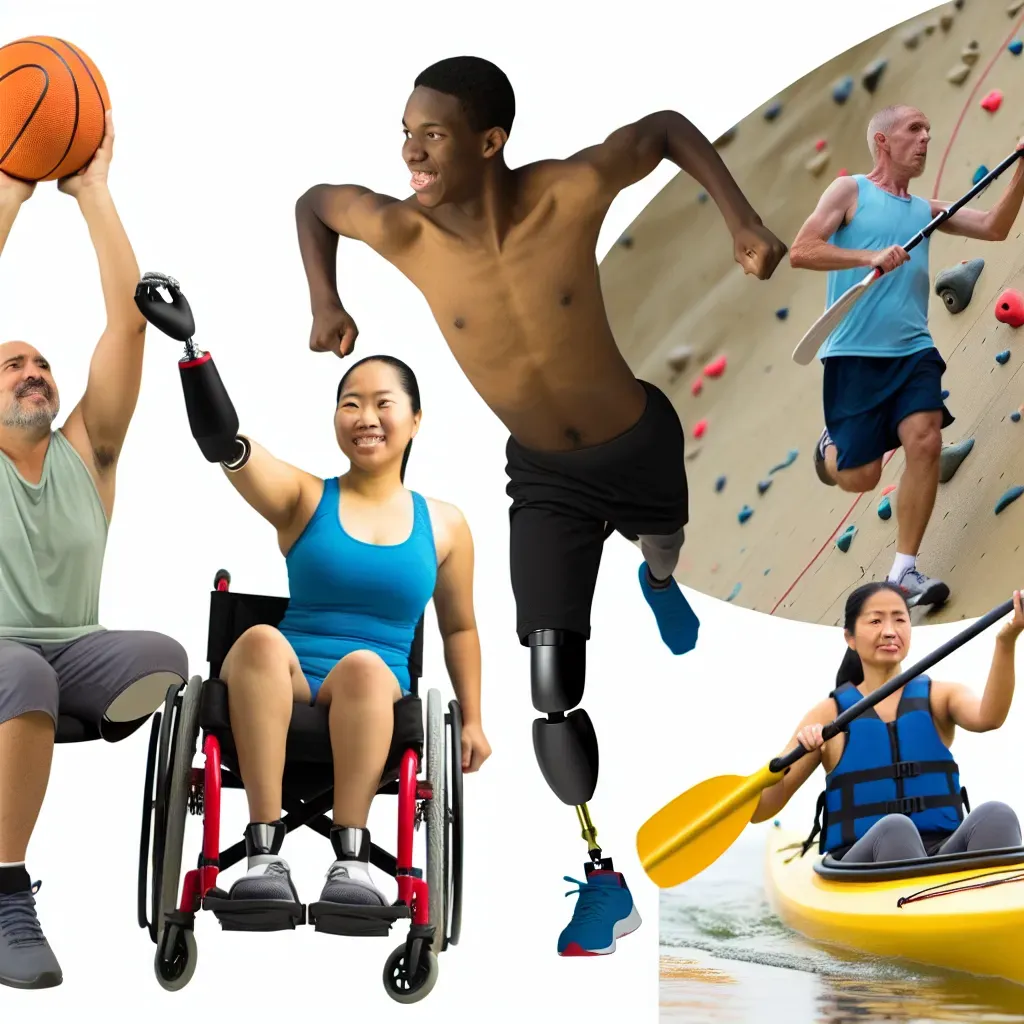
Adaptive sports are transforming the landscape of athletics, making it possible for individuals with disabilities to engage fully in sports and experience competitive joy. These inclusive sports, often referred to as adaptive athletics, provide essential opportunities for many, offering not only the thrill of competition but also significant health benefits and community connection. Through adaptive sports, athletes can participate in activities like wheelchair basketball and sitting volleyball, promoting participation in disability sports that empower and inspire. Programs such as the Paralympics highlight the extraordinary capabilities of disabled athletes, demonstrating that sports are truly for everyone. By embracing adaptive sports, we champion a culture of inclusivity and redefine what it means to participate in athletics.
Athletics for all, encompassing terms like inclusive sports and disability sports, aims to break the barriers of participation for individuals with varying physical abilities. The framework of adaptive athletics highlights the importance of modifying traditional sports to ensure every person can join in, whether through specialized equipment or adjusted rules. Such initiatives not only foster athletic development but also create an environment where therapy through sports can thrive, promoting both physical and mental wellness. Events like the Paralympics serve as a powerful reminder that competition can be accessible to everybody, reinforcing the idea that sports is a platform for everyone. Through this lens, we can deeply appreciate the universal right to engage in sporting activities, pushing forward the narrative that inclusivity is achievable in every community.
The Evolution of Adaptive Sports
Adaptive sports have significantly evolved over the decades, beginning with limited opportunities for athletes with disabilities. Initially, these sports were often informal and lacked structure. However, the 1948 Stoke Mandeville Games pioneered organized competitive events for disabled veterans, laying the groundwork for what we now recognize as adaptive athletics. The formation of the International Paralympic Committee in 1989 further transformed adaptive sports into a global movement, enabling better organization, competitive integrity, and representation of athletes worldwide.
As the Paralympic Games gained media attention, substantial progress occurred, both in terms of participation and societal perception. The inclusion of adaptive sports in major international competitions has shown that athletes with disabilities can perform at elite levels. This evolution has not only inspired new athletes but also garnered support from various organizations and communities committed to promoting sports for everyone. As a result, the landscape of adaptive sports continues to expand, providing more individuals than ever with the opportunity to engage, compete, and thrive.
Frequently Asked Questions
What are adaptive sports and how do they promote inclusivity?
Adaptive sports are modified versions of traditional sports designed for athletes with disabilities. They promote inclusivity by allowing everyone, regardless of physical ability, to participate in athletic activities, fostering community engagement and personal well-being.
How do adaptive athletics benefit individuals with disabilities?
Adaptive athletics help individuals with disabilities improve their physical health, enhance mobility, and boost mental well-being by offering structured opportunities for physical activity, social interaction, and a sense of accomplishment.
What is the role of the Paralympics in promoting adaptive sports?
The Paralympics play a crucial role in promoting adaptive sports by showcasing the talents of athletes with disabilities on an international stage, raising awareness and changing perceptions of what individuals with disabilities can achieve.
Are there financial assistance programs for adaptive sports equipment?
Yes, many organizations provide financial assistance and grants to help cover the costs of adaptive sports equipment, making it more accessible for athletes with disabilities to participate in competitive sports.
How can community awareness improve participation in adaptive sports?
Raising community awareness about adaptive sports can challenge misconceptions about disabilities, encourage inclusivity, and inspire individuals with disabilities to engage in sports, ultimately leading to greater participation.
What types of sports fall under the category of disability sports?
Disability sports, or adaptive sports, include activities like wheelchair basketball, sitting volleyball, para-athletics, and many more adapted versions of traditional sports to accommodate athletes with varying disabilities.
How can I get involved in supporting adaptive sports in my community?
You can get involved by volunteering with local adaptive sports programs, attending events to support athletes, and spreading awareness about adaptive sports through social media and community outreach.
What are some popular events in the adaptive sports arena?
Popular events in adaptive sports include the Paralympic Games, the Special Olympics, and the Invictus Games, which highlight the capabilities of athletes with disabilities and promote global awareness.
What barriers do athletes face when trying to participate in adaptive sports?
Barriers include lack of accessible facilities, financial constraints for adaptive equipment, and societal stigma leading to misconceptions about the abilities of athletes with disabilities.
Why is therapy through sports important for individuals with disabilities?
Therapy through sports is vital for individuals with disabilities as it not only enhances physical fitness and mobility but also contributes to psychological well-being, social integration, and increased quality of life.
| Key Aspects of Adaptive Sports |
|---|
| Definition and Purpose of Adaptive Sports |
| Adaptive sports are modifications of traditional sports designed for athletes with disabilities. |
| Key Examples |
| Wheelchair basketball, sitting volleyball, para-athletics, etc. |
| Importance of Inclusivity |
| Enhances health, promotes social interaction, and shifts societal perceptions. |
| Global Programs |
| Special Olympics, Invictus Games, USARS. |
| Barriers to Participation |
| Lack of facilities, financial constraints, and societal stigma. |
| Initiatives to Overcome Barriers |
| Awareness campaigns, funding, and facility modifications. |
Summary
Adaptive sports serve as a pivotal force in promoting inclusivity within athletics. Over the years, the evolution of adaptive sports has transformed traditional perceptions, encouraging the participation of individuals with disabilities. From the inception of modified sports to the establishment of renowned programs like the Paralympics, the journey highlights significant milestones in empowering athletes. The importance of fostering an inclusive environment remains central, as barriers such as accessibility and societal acceptance have been progressively addressed. As adaptive sports continue to evolve, they embody the spirit of determination and resilience, paving the way for a future where every individual can participate in athletics, regardless of their physical abilities.

