Listen to this article
UK mortgage rates are a pivotal element in the journey of home buying, influencing not only the affordability of properties but also the long-term financial health of homeowners. With rates that can fluctuate based on economic conditions and central bank policies, understanding how UK mortgage rates affect your monthly payments is essential for anyone considering a home loan. These rates dictate how much of your payment contributes towards interest versus the principal balance, ultimately determining the overall cost of borrowing. This blog post dives into the intricate relationship between UK mortgage rates and monthly payments, offering proven mortgage strategies to help you save on interest over time. Whether you’re a first-time buyer or looking to refinance, knowing how to navigate these rates can significantly impact your financial future.
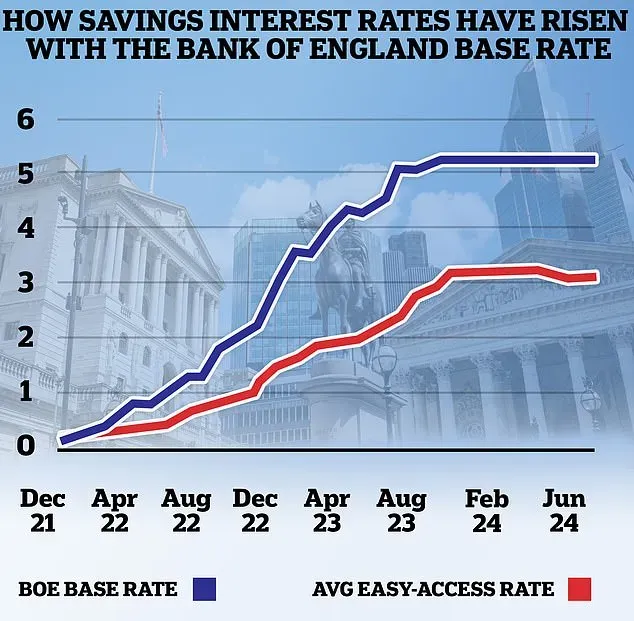
Exploring the realm of home financing in the UK often revolves around understanding the various home loan rates available. These fluctuate depending on a multitude of factors, including the state of the economy and recent decisions made by the Bank of England. For potential homeowners, the influence of these prevailing mortgage interest rates on monthly payment obligations is crucial. In this discussion, we will analyze key variables affecting mortgage rates and suggest strategic approaches aimed at reducing costs. By familiarizing yourself with different mortgage types and their implications, you can better position yourself to secure a favorable deal.
The Relationship Between UK Mortgage Rates and Monthly Payments
Understanding the relationship between UK mortgage rates and monthly payments is essential for potential borrowers. Mortgage rates are typically determined by economic conditions, inflation, and the policies set forth by the Bank of England. When mortgage rates increase, the interest portion of your monthly payment rises, which can lead to slower progress in paying off your principal balance. Conversely, lower mortgage rates can mean more of your payment applies towards the principal, accelerating your path to owning your home outright.
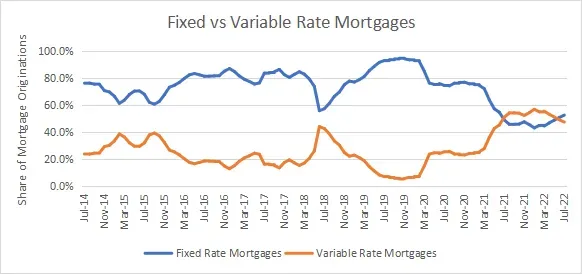
Furthermore, the type of mortgage you choose can exacerbate or mitigate the impact of these rates on your payments. For instance, fixed-rate mortgages provide stability by locking in an interest rate for a set term, protecting you from fluctuations in the market. On the other hand, variable-rate mortgages can expose you to rate increases, leading to uncertainty in your monthly budgeting. Knowing how each type affects your monthly obligations allows you to strategically plan your mortgage application.
Frequently Asked Questions
How do UK mortgage rates affect my monthly payments?
UK mortgage rates play a crucial role in determining your monthly payments, as they dictate how much of your payment goes toward interest versus the principal. Higher rates result in more interest, increasing your monthly financial commitment.
What strategies can I use to save on UK mortgage rates?
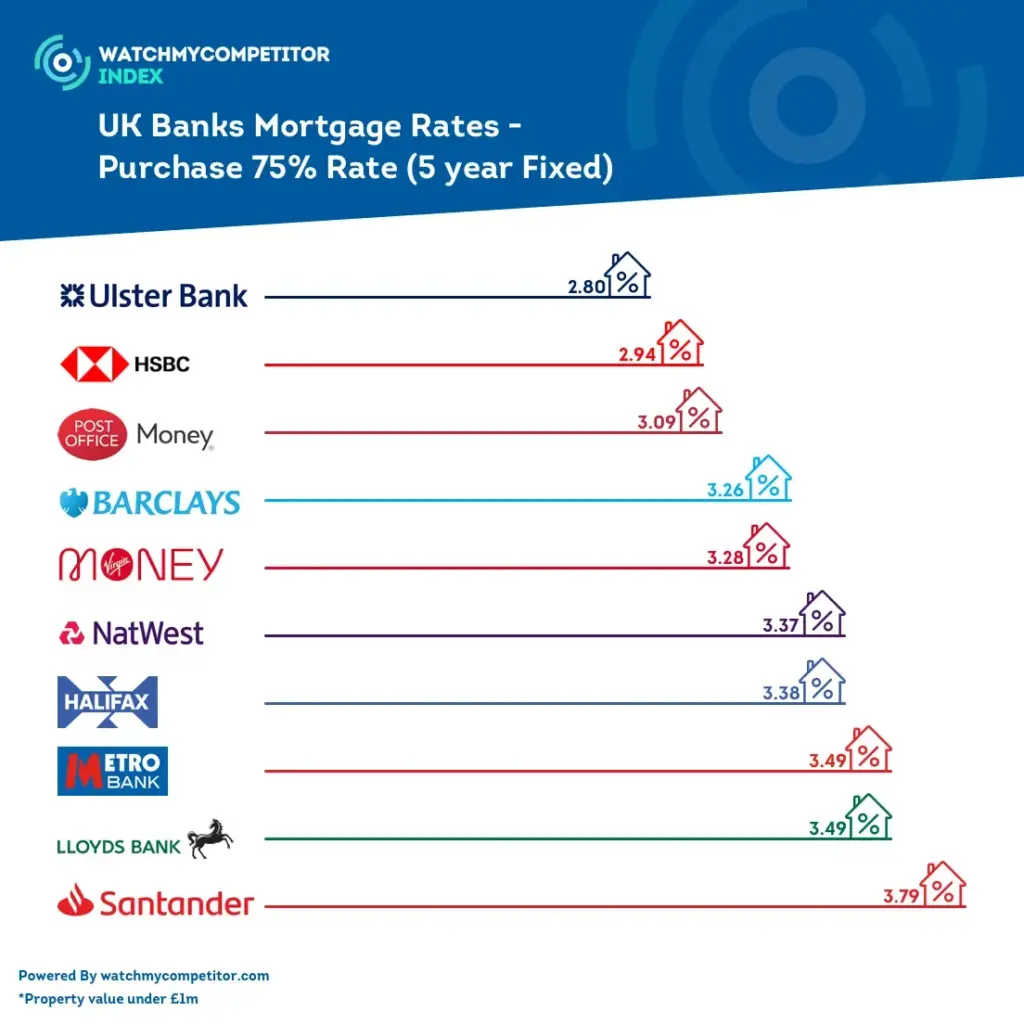
To save on UK mortgage rates, consider shopping around for competitive rates, making a larger deposit to lower your loan-to-value ratio, and exploring remortgaging options if rates decrease. These strategies can help reduce your monthly payments significantly.
Can I lock in my UK mortgage rate for better monthly payments?
Yes, many lenders allow you to lock in your UK mortgage rate for a limited time before closing. This can help protect you from future rate increases, thus stabilizing your monthly payments in a fluctuating market.
What impact do variable-rate UK mortgages have on monthly payments?
Variable-rate UK mortgages can lead to unpredictable monthly payments since they adjust based on market conditions. While they may start lower than fixed-rate options, they can increase significantly if interest rates rise, affecting your budget.
Is it worth remortgaging to save on UK mortgage rates?
Remortgaging can be a worthwhile strategy to save on UK mortgage rates, especially if current rates are lower than what you secured previously. However, be sure to assess any early repayment charges and overall costs before making the decision.
How can making extra payments on my mortgage save me money?
Making extra payments on your UK mortgage helps to reduce the principal faster, decreasing the total interest paid over time. This approach can lead to significant savings on monthly payments, ultimately shortening the loan term.
| Key Point | Details |
|---|---|
| Types of Mortgages | Fixed-rate and variable-rate mortgages are the main types, influencing payment stability. |
| Impact on Monthly Payments | The mortgage rate directly affects monthly payments through interest distribution. |
| Savings Strategies | Shop for rates, consider larger deposits, adjust terms, and monitor economic indicators. |
| Early Repayment Charges | Remortgaging could incur penalties during rising rates, affecting overall savings. |
| Extra Payments | Paying extra can reduce the principal and overall interest over time. |
Summary
UK mortgage rates can significantly shape your financial commitments and monthly payments. Understanding the factors affecting these rates is essential for any potential home buyer. With strategies such as shopping around for the best rates, opting for larger deposits, and actively managing your mortgage terms, you can effectively save on monthly payments. It is crucial to remain proactive in monitoring economic indicators that impact mortgage rates, ensuring you can make informed decisions that will benefit your long-term financial health.