Listen to this article
The Bank of England interest rate is a pivotal factor that influences various aspects of the UK economy, particularly mortgage affordability. As the central bank adjusts this base rate, it has direct implications for consumers attempting to navigate the housing market. Rising interest rates generally lead to increased borrowing costs, making it more challenging for would-be homeowners to secure affordable mortgages. This dynamic not only affects monthly payments, but can also impact the behavior of lenders, who may tighten their lending criteria as rates climb. Ultimately, understanding the interplay between the Bank of England rates and mortgage costs is essential for anyone looking to enter or remain in the competitive UK housing market.
Considered synonymous with the financial heartbeat of the UK, the base interest rate set by the central bank profoundly affects lending practices and consumer borrowing. As the financial institution evaluates key economic indicators and adjusts these rates, the ripple effects can be seen across the housing landscape. For homebuyers, the implications are significant; higher rates can strangle mortgage affordability and alter financial planning strategies dramatically. It is important for prospective buyers to comprehend how these rate changes translate into their borrowing power and monthly commitments. Navigating this intricate web of economic factors requires a keen understanding of interest rate impacts and how they shape one’s ability to afford a home.
Understanding the Bank of England Interest Rate and Its Impact on Mortgages
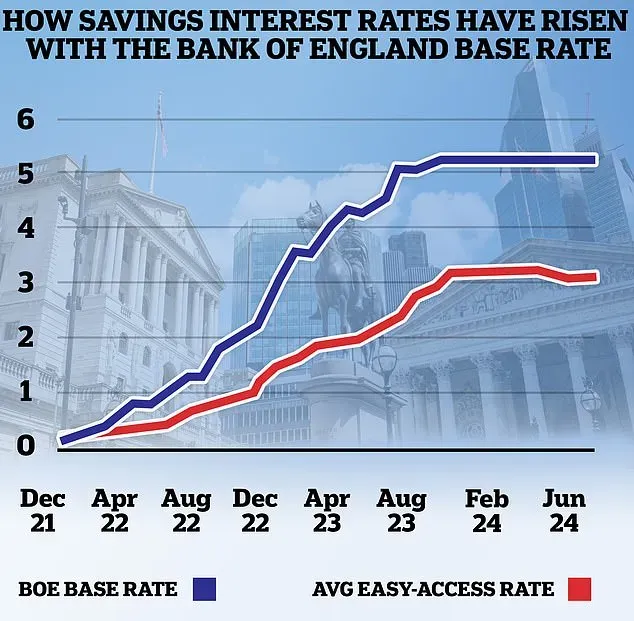
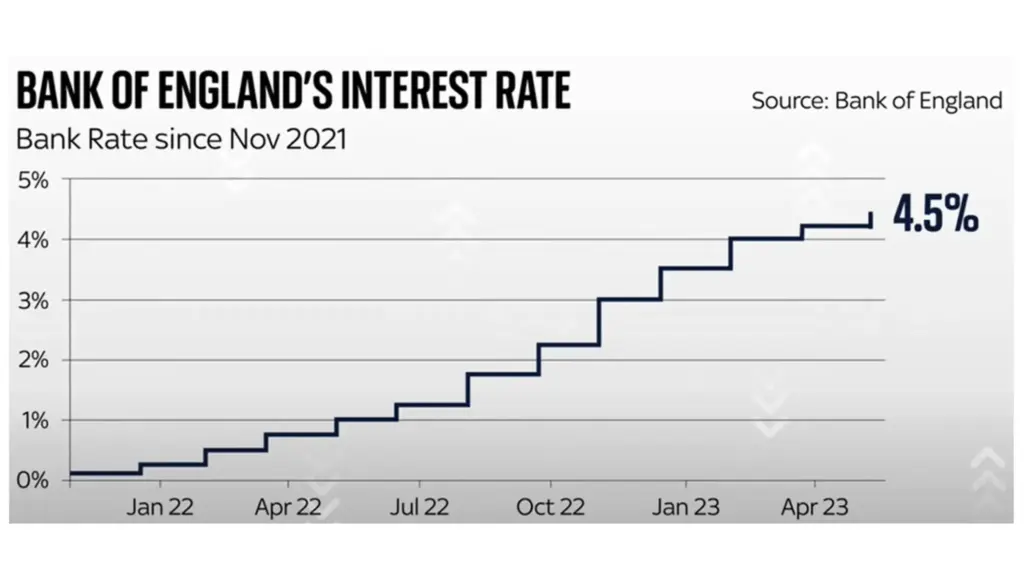
The Bank of England interest rate directly influences the economy, particularly within the housing sector. This base rate is crucial as it determines how much banks will charge consumers for loans, including mortgages. When the BoE raises or lowers its interest rates, it sends ripples through the mortgage market, impacting everything from average monthly payments to overall loan affordability. For potential homebuyers, fluctuations in the Bank of England interest rate can mean the difference between purchasing their dream home or delaying their plans.
The ongoing adjustments made by the Bank of England are informed by economic indicators like inflation and employment levels. A higher interest rate often discourages borrowing, leading to a cooling effect in the housing market. Conversely, a decrease can stimulate home purchases, making mortgage products more appealing. Understanding this interaction helps borrowers anticipate changes in their borrowing costs and aids them in making informed decisions about their homebuying journey.
The Effects of Rising Interest Rates on Borrowing Costs
As interest rates climb, the cost of borrowing increases significantly, causing a direct impact on mortgage affordability. Higher rates amplify the interest charges on loans, making housing less accessible for first-time buyers and even constraining options for current homeowners looking to remortgage. For many borrowers, a 1% rise in interest rates could escalate their monthly outgoings considerably, placing additional strain on already stretched budgets.
Moreover, lenders typically respond to rising interest rates by tightening their lending criteria. This means that while potential buyers with good credit may still find mortgage options available, those with marginal credit histories could face more significant hurdles. As a result, it’s essential for buyers to understand how current interest rates influence their borrowing capacity, ensuring they remain informed and prepared for potential financial adjustments.
Navigating Mortgage Affordability Amid Economic Shifts
Mortgage affordability becomes a pressing issue when interest rates rise unexpectedly. For many families, allocating a monthly budget to account for higher repayments can prove challenging, especially in an environment where living costs are also on the rise. Prospective homebuyers must prioritize understanding their financial situation. This involves evaluating current income against expenses, considering how future interest rate fluctuations might affect their ability to make mortgage payments.
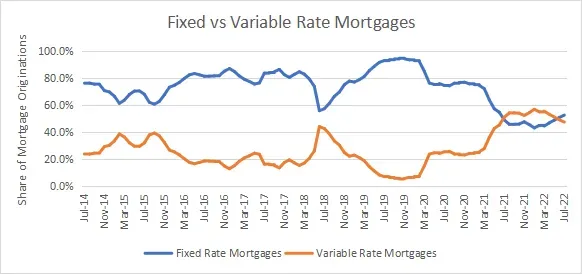
Adopting a proactive approach to managing mortgage affordability could include selecting fixed-rate mortgages to avoid the unpredictability of interest rises. This choice allows borrowers to have consistent payment amounts throughout the loan period, providing peace of mind amidst financial uncertainty. Furthermore, speaking to a financial advisor can offer tailored strategies to help navigate the complexities of homeownership, making the dream of owning a house more achievable.
The Connection Between Interest Rates and the UK Housing Market
The interplay between interest rates set by the Bank of England and the UK housing market is intricate. When rates are low, the housing market tends to flourish, as more buyers can afford mortgages, leading to increased demand for properties. However, as rates increase, potential buyers may hesitate, fearing the amplified costs associated with higher borrowing expenses. This reduced activity can lead to a slowdown in the housing market, affecting property prices and the overall economic climate.
Understanding these dynamics is crucial for both buyers and investors looking to navigate the market effectively. Homebuyers in particular need to remain aware of how shifts in interest rates may influence their purchasing decisions and future prospects in property ownership. Educating oneself on these trends enables smarter financial planning and can mitigate the risks associated with sudden market changes.
Strategies for Effective Mortgage Management in Changing Times
In an environment of rising interest rates, it becomes imperative for homeowners and potential buyers to adopt strategic measures to manage their mortgage commitments. One effective strategy is to establish a comprehensive budget that incorporates anticipated changes in monthly mortgage payments. By forecasting potential scenarios, borrowers can better prepare themselves for any financial stress that inflation or changing interest rates may bring.
Additionally, engaging with mortgage professionals can provide vital insights into the best products available in the current market. They can guide borrowers on the benefits of fixed-rate versus variable-rate mortgages, as well as help them understand the long-term implications of their choices. Increased awareness of their options allows individuals to make more informed decisions that suit their financial needs.
Staying Aligned with Financial Changes: Future Predictions
As we look toward the future, predictions regarding the Bank of England’s interest rates remain uncertain. Experts suggest that ongoing economic conditions will dictate potential rises or falls in rates in the coming months. For homebuyers and homeowners alike, staying up-to-date with these developments is crucial for effective financial planning and mortgage management.
Being proactive in this landscape involves not just monitoring rates but also understanding their broader economic implications. Factors such as regional housing demands and inflation trends can all affect mortgage affordability. Homebuyers should adopt a flexible approach, allowing them to adapt their strategies based on how interest rates evolve over time.
Frequently Asked Questions
What is the current Bank of England interest rate and how does it affect mortgage affordability?
As of October 2023, the Bank of England interest rate has been adjusted to address economic conditions. This rate directly impacts mortgage affordability, as higher rates increase monthly repayments due to higher interest payments on loans, forcing potential homebuyers to re-evaluate their budgets.
How do changes in the Bank of England interest rate influence borrowing costs for UK homebuyers?
When the Bank of England adjusts its interest rate, borrowing costs for homebuyers change accordingly. An increase in interest rates results in higher costs associated with loans, including mortgages, which can reduce the borrowing capacity of individuals looking to purchase homes.
Can rising Bank of England rates lead to a slowdown in the UK housing market?
Yes, rising Bank of England rates can lead to a slowdown in the UK housing market. As mortgage affordability decreases due to higher interest rates, potential buyers may withdraw from the market, leading to reduced demand and potential stagnation in home prices.
What strategies can homebuyers use to manage mortgage affordability amid fluctuating Bank of England interest rates?
Homebuyers can manage mortgage affordability by budgeting wisely, considering fixed-rate mortgages to lock in current rates, increasing savings for larger deposits, and seeking advice from mortgage advisors to choose the best options in light of changing Bank of England rates.
How does the Bank of England interest rate impact everyday borrowers beyond mortgages?
The Bank of England interest rate influences borrowing costs across various loans including personal loans and credit cards. As rates rise, the costs for all borrowing typically increase, affecting consumer spending and overall financial stability.
What should first-time homebuyers consider regarding Bank of England interest rates?
First-time homebuyers should closely monitor Bank of England interest rates as they influence mortgage affordability. To navigate potential future increases, it might be advantageous to secure a fixed-rate mortgage now or consult with a financial advisor for tailored strategies.
| Key Point | Explanation |
|---|---|
| What is the Bank of England Interest Rate? | The base rate at which the BoE lends to banks, influencing borrowing costs for financial products, including mortgages. |
| Impact on Interest Payments | Higher interest rates increase monthly mortgage repayments, significantly affecting affordability. |
| Effect on Borrowing Capacity | Rising rates may lead lenders to tighten criteria, reducing the amount they are willing to lend. |
| Market Dynamics | Increased rates can decrease housing demand as buyers hesitate due to affordability concerns, potentially impacting home prices. |
| Bank of England’s Role | The BoE sets interest rates based on economic indicators like inflation and employment to stabilize the economy. |
| Current Trends | Interest rates are at a crucial juncture. Predictions suggest adjustments based on economic forecasts and inflation pressures. |
| Strategies for Homebuyers | Consider budgeting, opting for fixed-rate mortgages, increasing savings, and seeking professional advice for better financial management. |
Summary
The Bank of England Interest Rate plays a crucial role in determining mortgage affordability for homebuyers throughout the UK. As the BoE adjusts its base rate, it directly influences borrowing costs, which in turn affects not only how much individuals can afford to pay monthly but also the overall dynamics of the housing market. Higher interest rates typically result in increased expenses for lenders, leading to higher mortgage rates for borrowers. Consequently, the ability to secure a mortgage can become more challenging as lenders reassess risk and affordability criteria. Understanding these factors enables potential homebuyers and homeowners to make informed decisions in managing their finances effectively. With the current climate of anticipated rate fluctuations, it is important for individuals to stay informed and consider strategic financial measures to navigate their mortgage commitments.