Listen to this article
High credit card interest rates pose a significant financial challenge for many consumers navigating the world of credit. Often, individuals find themselves trapped in a cycle of debt due to the exorbitant rates charged on their outstanding balances. These rates, which can soar above 25% in some cases, translate to high costs that can exponentially increase the amount owed over time. Understanding how these high credit card interest rates work is crucial for anyone looking to manage their finances effectively. In this article, we will delve into the hidden costs associated with soaring interest rates and explore strategies to break free from the grip of high-cost credit.
When discussing excessive credit card fees, terms like escalated finance charges and steep annual percentage rates come to mind. These financial burdens can stem from various sources, including deferred payments and hidden fees that accumulate unnoticed. It’s essential to recognize the impact that inflated interest rates can have on one’s overall fiscal health and creditworthiness. As we unpack the implications of these financial charges, it becomes evident that consumer awareness and proactive management strategies are necessary to avoid the pitfalls associated with high-cost credit options. In the following sections, we will highlight the importance of understanding interest rates and their potential long-term effects.
High Credit Card Interest Rates: A Financial Burden
High credit card interest rates can lead to a severe financial burden for consumers. When individuals rely on credit cards for everyday purchases but fail to pay off their balances in full, they quickly find themselves trapped in a cycle of debt. For example, a credit card with an interest rate of 25% can accumulate significant interest over time, especially when only minimum payments are made. This means that what started as a manageable debt can snowball into an overwhelming financial obligation, often forcing individuals to divert funds from savings or essential expenses to cover these mounting costs.
Furthermore, high interest rates do not merely impact monthly payment amounts; they also have far-reaching implications for a consumer’s overall financial health. Carrying a balance on high-interest credit cards can compromise one’s credit score due to increased credit utilization, which discourages lenders from offering favorable rates on future loans. As a result, consumers may be stuck in a precarious financial state which restricts their ability to invest in significant life events such as buying a home or funding education.
The Compounding Cost of Carrying Debt
The compounding cost of carrying credit card debt can intensify quickly, leading to a scenario where the original balance seems insurmountable. For instance, if a consumer has a balance of $5,000 with a 20% APR and only makes minimum payments, they may end up paying thousands in interest over time. This reality often results in consumers feeling as though they are constantly chasing their repayments, leading to further financial distress. Consequently, as payments are diverted towards interest accrued, it becomes increasingly difficult to make any significant progress towards reducing the principal amount owed.
Moreover, this compounding effect emphasizes the importance of understanding not just how interest rates work, but also the impact of time on credit card debt. The longer one takes to pay off a balance, the more expensive it becomes due to the accumulating interest. This reality serves as a wake-up call for many consumers, highlighting the urgency of paying off credit card debt quickly, ideally before the balance begins to grow exorbitantly due to continued interest accrual.
Understanding Credit Utilization and Its Impact
Credit utilization refers to the ratio of your outstanding credit balances to your total available credit, and it plays a crucial role in determining your credit score. Lenders prefer to see a credit utilization ratio below 30%, as higher levels can signal financial instability and lead to increased interest rates on future borrowing. High credit card interest rates can exacerbate this situation; as balances rise and payments are missed, the ratio increases, further damaging a consumer’s credit score and inhibiting their financial growth.
The consequences of a high credit utilization rate extend beyond just credit scores. Individuals who maintain high balances on their credit cards may find it challenging to qualify for personal loans or mortgages due to perceived financial risk. Therefore, addressing high credit card balances, especially those tied to high-interest rates, becomes critical not just for personal finances, but also for future financial endeavors.
The Hidden Fees that Complicate Credit Card Debt
In addition to high credit card interest rates, consumers must be vigilant about hidden fees that can complicate their repayment journey. Common fees include late payment charges, cash advance fees, and foreign transaction fees, which can significantly inflate the cost of owing money on a credit card. For instance, if a consumer frequently travels internationally and incurs a 3% fee on purchases, these additional costs can exacerbate their existing debt, especially when piled on top of already high-interest rates.
Understanding these hidden fees is critical for effective debt management. Many consumers find themselves shocked after receiving their statements, realizing how quickly fees can accumulate. By being aware of these potential charges, individuals can make more informed choices about credit card usage—whether it means setting payment reminders or avoiding certain transactions that could lead to costly fees.
Mental Health Implications of Credit Card Debt
The psychological impact of high credit card debt can’t be overlooked. Carrying significant balances—especially those with high interest rates—can lead to increased levels of stress and anxiety. The constant worry about how to make payments, coupled with the fear of damaging one’s credit score, can take a toll on mental well-being. Many individuals report feeling overwhelmed and even depressed when confronted with their credit card debts, highlighting the importance of addressing this issue holistically rather than just focusing on the financial aspects.
Moreover, the mental burden of debt can create a vicious cycle, as stress may lead individuals to make impulsive financial decisions—such as relying on credit cards for additional purchases—that further exacerbate their financial situation. Thus, seeking professional guidance or support networks can be as important as developing a repayment plan, ensuring that consumers address both their mental health and their financial futures.
Effective Strategies to Combat High Interest Debt
To effectively combat high credit card interest rates and the associated debt, consumers can implement several strategic measures. One of the most effective strategies is to pay more than the minimum payment each month; this can drastically reduce the total interest paid over time and help lower the principal balance quicker. Additionally, looking into balance transfer options—where one can transfer existing debt to a credit card with a lower interest rate—can also provide welcome relief and facilitate faster repayment.
Creating a comprehensive budget is another essential strategy for managing credit card debt. By analyzing spending habits and prioritizing debt repayments within a budget, consumers can allocate more resources towards tackling high-interest balances. This proactive approach not only supports financial recovery but can also instill a sense of financial discipline, helping individuals avoid falling into the trap of high credit card interest rates once again.
Frequently Asked Questions
What are the typical high credit card interest rates consumers should expect?
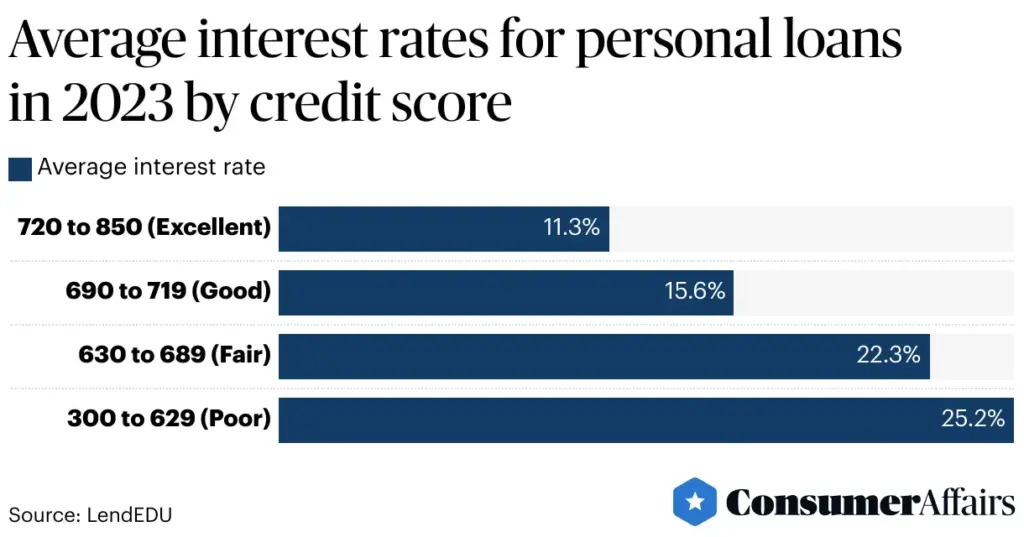
High credit card interest rates typically range from 15% to 25%, depending on the card issuer and your credit score. Some credit cards may even charge rates higher than 25%, making it vital for consumers to understand the potential costs.
How do high credit card interest rates affect my overall debt repayment?
The impact of high credit card interest rates can be substantial as they accumulate quickly, especially if you carry a balance. For example, a balance of $5,000 at a 20% interest rate can lead to over $1,000 in interest charges annually if only minimum payments are made.
What are the hidden fees associated with high credit card interest rates?
In addition to high interest rates, many credit cards come with hidden fees such as late payment penalties, cash advance fees, and foreign transaction fees, all of which can significantly increase the overall cost of using credit cards.
How can high credit card interest rates impact my credit score?
High credit card interest rates can lead to increased balances, which negatively influence your credit utilization ratio. If your utilization exceeds 30%, it could lower your credit score, making future borrowing more expensive.
What strategies can I implement to manage high credit card interest rates effectively?
To manage the burden of high credit card interest rates, consider paying more than the minimum payment, transferring balances to lower-rate cards, creating a strict budget, or seeking assistance from financial advisors for tailored strategies.
What psychological effects can arise from high credit card interest rates and debt?
Carrying high credit card debt associated with high interest rates can lead to stress, anxiety, and depression. The pressure of debt often results in poor financial decision-making, exacerbating the overall financial situation.
| Key Point | Explanation |
|---|---|
| Understanding Credit Card Interest Rates | Credit card interest rates (APRs) vary from 15% to 25% and can lead to significant debt if balances are carried month-to-month. |
| The Accumulative Effect of Interest | Interest on carried balances can lead to thousands in added costs, perpetuating a cycle of debt. |
| Impact on Credit Scores | High balances can lower credit scores, affecting future loan eligibility and interest rates. |
| Hidden Fees and Penalties | Credit cards often have fees like late payment fees and foreign transaction fees that can increase total costs. |
| Psychological Effects of High Debt | Debt-related stress can lead to anxiety and poor financial decision-making. |
| Strategies to Manage Credit Card Debt | Tips include paying more than the minimum, considering balance transfers, budgeting, and seeking professional help. |
| Importance of Financial Literacy | Understanding credit terms and management strategies helps mitigate risks associated with credit card use. |
Summary
High credit card interest rates can pose serious financial risks to consumers. The hidden costs associated with these rates, such as accumulating interest, potential damage to credit scores, and various fees, can compound quickly, leading to substantial debt. To navigate these challenges effectively, consumers should prioritize financial literacy, actively manage their credit utilization, and employ practical debt repayment strategies. By doing so, they can minimize the impact of high credit card interest rates on their financial well-being.