
Listen to this article
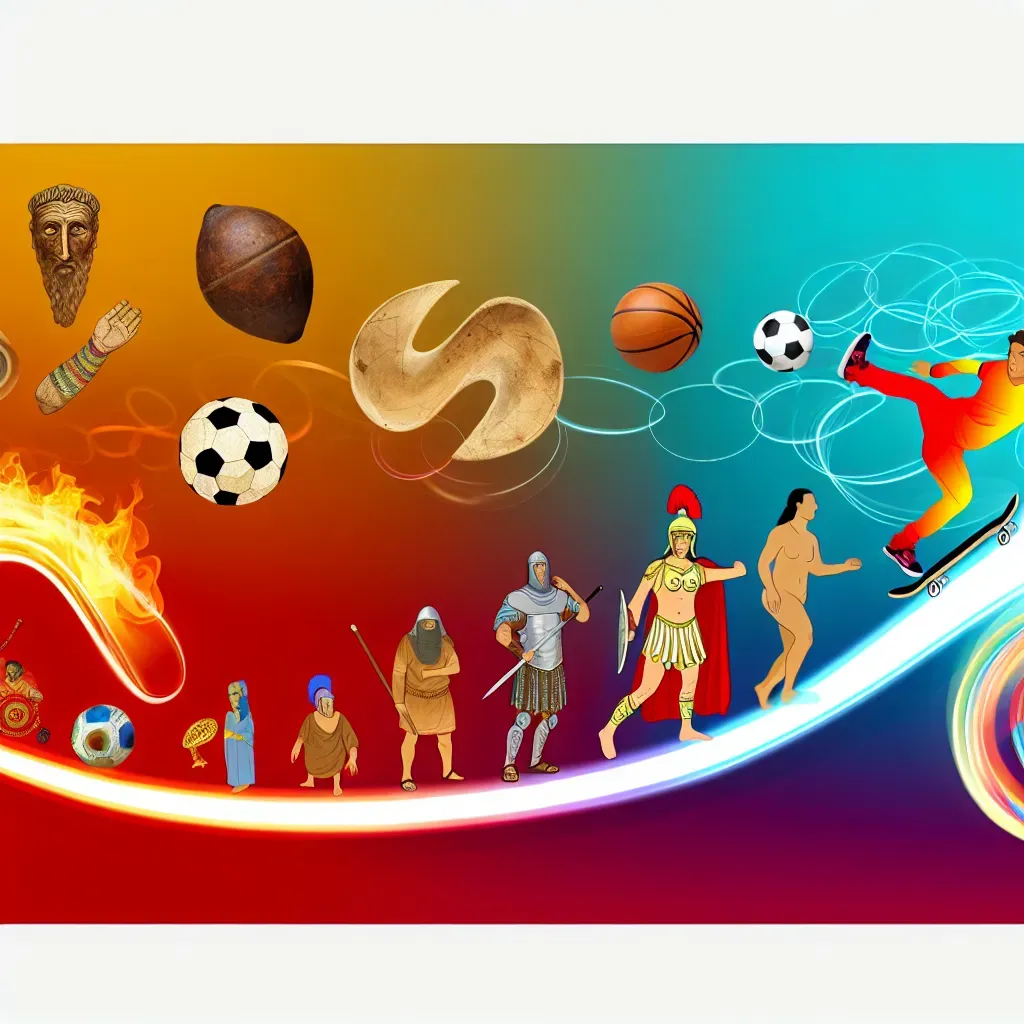
The Evolution of Sport is a captivating narrative that echoes through the annals of history, revealing the ways in which athletic competitions have transformed from rudimentary tribal contests into the sophisticated global events we witness today. From the ancient games of Greece and Rome to modern competitions like the Olympics, the history of sports reflects the cultural and societal shifts that have occurred over millennia. Sporting events have not only entertained but also functioned as important rites of passage, showcasing human strength and skill throughout the ages. Today, as we delve deeper into the evolution of sport, we will explore how ancient traditions laid the groundwork for professional leagues and international competitions, and how sports technology continues to redefine the playing field. Join us as we embark on this journey through time, examining the past and contemplating the future of sports, while celebrating the rich tapestry of folk sports that enrich our global heritage.
The progression of athletic pursuits has witnessed remarkable changes throughout different eras, establishing a rich legacy that has shaped contemporary sports. Examining the timeline of these physical activities reveals an intricate relationship between ancient customs, emerging sports technologies, and the rise of professional athletics. Historically, competitive events served as a microcosm of society, highlighting not only physical prowess but also cultural values and community bonds. Today, as we reflect on the roots of recreational games and the influence of the Olympics history, it is clear that these elements continue to forge connections between past and present. Understanding this evolution offers valuable insights into the current landscape and future trajectories of sporting endeavors globally.
Ancient Games: The Birth of Sport
The ancient games of civilizations such as Mesopotamia marked the inception of organized sports over 5,000 years ago. These early contests were integral to societal functions, often held during religious ceremonies or community festivals. They varied widely, from ritualistic wrestling to team games that showcased strength and endurance, illustrating how sports were not just entertainment but also a means of social cohesion.
In Egypt, historical records depict sports like running and swimming, which were essential in training warriors. These ancient games represented not only the athletic capabilities of individuals but also the cultural values of their societies. Archaeological artifacts show that sports were an essential part of life in ancient times, reflecting their significance in daily and spiritual practices.
The Olympics: A Historic Milestone in Sports
The inception of the Olympic Games in 776 BC epitomized the celebration of athletic prowess in ancient Greece. These games fostered a competitive spirit among the city-states and set the foundation for modern competitive sports. Athletes competed not only for glory but also for a chance to bring honor to their homelands. This tradition of unity among competitors remains a cornerstone of the modern Olympic movement.
As the Olympics evolved throughout history, they mirrored cultural and political dynamics of the eras in which they took place. The revival of the Olympics in the 19th century led to a global framework for sports that still influences competitions today. The Olympic Games have become a symbol of international cooperation and athletic excellence that resonates across different cultures and nations.
The Rise of Folk Sports in the Middle Ages
Following the decline of formal sporting events after the fall of the Roman Empire, folk sports emerged in the Middle Ages as community-centric games. These activities were often tied to local traditions and festivals, providing entertainment and an opportunity for community bonding. Jousting, archery, and various ball games became popular, highlighting the adaptability of sports to local customs and societal needs.
Folk sports were crucial for promoting physical fitness, teamwork, and community pride. They laid the groundwork for organized sports by encouraging participation at a grassroots level, fostering skills that would eventually become prevalent in more regulated sports. The evolution from these local games to modern leagues exemplifies how cultural heritage shapes contemporary sports.
Modern Sports: Standardization and Professionalism
The 19th century heralded a pivotal shift in the landscape of sports with the industrial revolution. The establishment of formal rules and regulatory bodies transformed various games into organized sports, reflecting the era’s emphasis on order and structure. Baseball’s first codified rules and the formation of the Football Association were significant milestones that paved the way for professional leagues.
This transformation coincided with societal shifts as urbanization and increased leisure time allowed for mass participation in sports. The establishment of professional leagues during this era was crucial for athletes seeking to turn their passions into livelihoods. The newfound popularity and profitability of sports laid the foundation for the expansive sports culture we experience globally today.
Technological Advancements Transforming Sports
As the 20th century unfolded, the intertwining of sports and technology revolutionized the way audiences engaged with athletic events. From radio broadcasts to television coverage, these advancements made sports accessible to a broader audience, transforming them from local spectacles into global phenomena. Iconic athletic moments captured on screen created a shared experience among fans worldwide, strengthening the cultural significance of sports.
Innovations in sports technology, such as instant replay systems and analytics, have further elevated athletic performance and fan engagement. Advanced training equipment enables athletes to optimize their performance while wearable tech tracks metrics for better health monitoring. This evolution showcases how technology not only influences the gameplay but redefines the spectator experience.
The Globalization of Sports: A New Era
The latter half of the 20th century marked a significant turning point in the globalization of sports, witnessing the emergence of professional leagues that transcended borders. The National Football League (NFL) and English Premier League (EPL) have become household names, advocating for a competitive spirit and providing lucrative opportunities for athletes. This evolution reflects the intersection of culture, commerce, and community amidst growing international interest.
Major international events, such as the FIFA World Cup and the Olympics, serve not only as celebrations of athletic prowess but also as stages for cultural diplomacy. The participation of diverse nations fosters a sense of global unity and pride, transcending geographical and cultural barriers. This interconnectedness underscores the evolving nature of sports as a global entity and its potential to influence societal values.
Ethics in Modern Sports: Navigating Complexities
As sports gained prominence, ethical considerations emerged at the forefront, with issues of fairness, inclusivity, and integrity challenging established norms. Doping scandals and calls for gender equality have intensified discussions surrounding the responsibilities of athletes and organizations to uphold ethical standards. Efforts to promote inclusivity in sports, such as the push for equal pay, signify a critical shift towards accountability in the sporting world.
The evolving landscape necessitates that both athletes and institutions take initiative in addressing social issues. Movements against racism and the promotion of mental health have become pivotal in shaping public perceptions of sports, transforming them into platforms for advocacy. As we progress, the relevance of ethics in sports will undoubtedly influence future developments and societal expectations.
The Future of Sports: Embracing Change
Looking ahead, the future of sports appears adaptive and innovative, particularly with the rise of e-sports and virtual competitions. As digital natives increasingly engage with sports, the traditional model of physical competitions is being augmented by new forms of entertainment. The integration of technologies like augmented and virtual reality will likely redefine how fans experience sports, enhancing engagement and interactivity.
Furthermore, there is a growing focus on health and well-being within sports, with an emphasis on physical and mental wellness for athletes. This trend suggests a shift towards more holistic approaches in athletic training, prioritizing the athlete’s overall health rather than mere performance outcomes. The future of sports holds immense promise for further evolution, influenced by technological advancements and ongoing societal changes.
Conclusion: The Impact and Legacy of Sports
The evolution of sport, spanning from ancient rituals to the professional landscape we recognize today, illustrates humanity’s adaptability and resilience. Sports have the unique power to unite diverse populations, celebrate achievements, and foster a sense of belonging. This ongoing journey highlights how sports reflect our societal values and cultural narratives, influencing generations across the globe.
As we navigate the changing dynamics of sports, from ethical considerations to technological advancements, their significance remains unwavering. The legacy of sports will continue to inspire and shape cultural identities, ensuring that they remain integral to societal foundations as we move towards the future.
Frequently Asked Questions
What is the significance of the ancient Olympics in the evolution of sport?
The ancient Olympics, beginning in 776 BC, were pivotal in the evolution of sport, establishing a competitive arena that united various Greek city-states in celebration of athletic prowess and cultural identity. This event set the foundation for modern competitions, emphasizing the importance of organized sports.
How did ancient games influence the development of modern competitions?
Ancient games, such as those played by the Egyptians and Greeks, laid the groundwork for modern competitions by introducing structured rules and celebratory events. These early forms of sports highlighted physical skill and community involvement, themes that persist in today’s athletic events.
What role did folk sports play in the evolution of sport during the Middle Ages?
Folk sports emerged in the Middle Ages as communities engaged in traditional games, fostering social cohesion and cultural identity. These local competitions reflected societal values and contributed to the evolution of sport by emphasizing teamwork and community bonds.
How did the industrial revolution impact the evolution of sport?
The industrial revolution ushered in a new era in the evolution of sport by standardizing rules and establishing formal governing bodies. This period saw the birth of organized leagues, such as baseball and football, which transformed local recreation into structured, competitive sports.
What innovations in sports technology have influenced modern sports?
Sports technology has profoundly impacted the evolution of sport by enhancing performance and fan engagement. Innovations such as instant replay, wearable training devices, and broadcasting advancements have made sports more accessible and exciting for audiences worldwide.
How have professional leagues contributed to the evolution of sport?
Professional leagues, such as the NFL and EPL, have significantly contributed to the evolution of sport by commercializing athletic competition, offering substantial player contracts, and expanding global reach. These leagues have created a culture of professional sports that appeals to millions.
What ethical considerations have emerged in the evolution of sport?
The evolution of sport has brought ethical considerations into focus, particularly regarding doping, gender equality, and inclusivity. These issues have prompted important discussions and policies aimed at promoting fair play and social responsibility within the sporting community.
In what ways have the Olympics evolved in the context of modern sports?
The Olympics have evolved from their ancient roots to become a global spectacle, showcasing elite athletes and fostering international unity. Modern Olympics continue to adapt by incorporating new sports and addressing contemporary values such as inclusivity and athlete mental health.
What trends are shaping the future of sports?
The future of sports is being shaped by trends such as the rise of e-sports, advancements in virtual and augmented reality, and an increased focus on health and wellness. These developments are likely to transform how sports are played, viewed, and experienced by fans.
How does the evolution of sport reflect changes in societal values?
The evolution of sport mirrors changing societal values, illustrating shifts in cultural, technological, and ethical standards. From ancient rituals to modern professional leagues, sports continue to evolve in response to new ideas about competition, community, and social equity.
| Period | Key Points |
|---|---|
| Ancient Civilizations | Emergence of organized sports, such as running and wrestling in early Mesopotamia (3000 BC) and ancient Egypt. |
| The Olympics | Inception of the Olympic Games in 776 BC, promoting athletic competition and unity among Greek city-states. |
| Middle Ages | Rise of folk sports such as jousting and archery, reflecting social and community ties. |
| 19th Century | Standardization of sports rules and formation of governing bodies, notably in baseball and football. |
| Technological Advancements | Impact of radio and television on sports broadcasting and audience reach. |
| Globalization | Emergence of professional leagues and international competitions, enhancing cultural exchange through sports. |
| Modern Ethical Issues | Discussion around doping, gender equality, and inclusivity within the sports community. |
| Future Trends | Growth of e-sports and innovations in fan engagement and health awareness. |
Summary
The Evolution of Sport illustrates a remarkable journey through history, beginning from ancient games played in Mesopotamia around 3000 BC. As civilizations advanced, organized competition flourished, notably with the establishment of the Olympic Games in Greece in 776 BC, which fostered unity and athletic celebration. Despite the decline of structured sports during the Middle Ages, folk games emerged, reinforcing community spirit. The 19th century heralded the birth of modern sports with standardized rules and professional leagues. The introduction of technology revolutionized sports broadcasting and increased accessibility. Globalization further elevated the status of sports on an international scale, promoting cultural exchange. Currently, critical ethical considerations shape the sports landscape, pushing for inclusivity and equality. Looking forward, the future holds promise with innovations in e-sports and health-oriented initiatives, ensuring sports remain a vital part of human society.

