Listen to this article
Life insurance UK rates are crucial for anyone looking to protect their family’s financial future. Understanding the various factors affecting life insurance premiums can provide you with insight into how to secure the best coverage at an affordable price. From age and health status to lifestyle choices and occupation, these elements significantly influence UK life insurance costs. Moreover, knowing how to lower life insurance rates, such as improving your health or comparing multiple insurers, can help you save money on your premiums. As you navigate the world of life insurance, being informed will empower you to make the most informed decisions for you and your loved ones.
When thinking about securing coverage for your loved ones, understanding life assurance rates is essential. The cost associated with life cover can vary widely based on numerous criteria influencing coverage value. Factors such as personal health, job risks, and even family history play a pivotal role in determining your life protection costs. Additionally, learning how to decrease insurance expenses through proactive health management and policy comparisons is invaluable. By familiarizing yourself with these concepts, you can ensure that you select a robust financial safety net that fits your budget and needs.
Understanding Life Insurance Premiums
Life insurance premiums can vary significantly based on a myriad of factors that insurers consider when underwriting policies. At a basic level, premiums are the payments policyholders make to maintain their coverage, and these payments are calculated based on the perceived risk associated with the insured individual. Key factors such as age, health, and lifestyle choices directly influence the calculations, and understanding these elements can empower consumers to seek policies aligned with their financial goals.
Moreover, individuals must recognize that life insurance is not a one-size-fits-all product. Each applicant is evaluated on unique criteria, resulting in distinct premiums tailored to individual circumstances. For instance, younger applicants typically enjoy lower rates due to statistically lower mortality risk, while those with healthier lifestyles benefit from reduced premiums. As such, aspiring policyholders should reflect on their health and lifestyle to maximize their understanding of how premiums are determined.
Key Factors Influencing Life Insurance Rates
Numerous variables come into play when determining life insurance rates, making it essential to understand each one. Age is a primary consideration, with younger individuals often benefiting from lower costs due to their longer life expectancy. Following age, health conditions and medical history are critical; applicants with a clean bill of health can often negotiate better rates compared to those with chronic conditions or high-risk behaviors such as smoking.
Additionally, factors like occupation can significantly sway premiums. Those in high-risk jobs may face higher rates due to increased chances of health complications or accidents associated with their employment. Lifestyle choices also contribute—smokers, for instance, are generally charged higher premiums. A comprehensive understanding of these factors not only helps consumers anticipate costs but can also guide them on how to manage their health and lifestyle choices to potentially lower their insurance rates.
The Importance of Coverage Amount
Determining the right amount of coverage is fundamental to any life insurance decision. Individuals must assess their financial responsibilities, including debts, family care, and other obligations, to ensure that the selected coverage adequately reflects their needs. Higher coverage amounts typically equate to higher premiums, but opting for a policy that falls short can jeopardize the financial security of loved ones in the event of an untimely passing.
In addition, it is vital to evaluate the family’s financial situation realistically. For example, families with dependents may need more coverage compared to individuals with fewer financial responsibilities. Thus, whenever assessing insurance options, it’s wise to perform a thorough needs analysis which can help individuals strike a balance between affordability and having sufficient coverage to protect their loved ones.
Strategies to Lower Life Insurance Premiums
Many individuals may wonder how to lower their life insurance rates effectively. One key strategy is to lead a healthier lifestyle; engaging in regular exercise, maintaining a balanced diet, and avoiding harmful habits like smoking can significantly influence the premium calculations. Insurers often reward applicants who take commendable steps towards better health with reduced premiums, making lifestyle changes not only beneficial for health but financially advantageous as well.
Another effective strategy is to shop around and obtain quotes from multiple insurers. Rates for the same level of coverage can vary widely across companies, and thus, comparing different quotes can uncover less expensive options. Additionally, consulting with an insurance broker who understands the ins and outs of the industry might yield personalized recommendations that suit both needs and budget, helping policyholders secure the best available rates in the market.
Understanding Policy Types and Their Impact
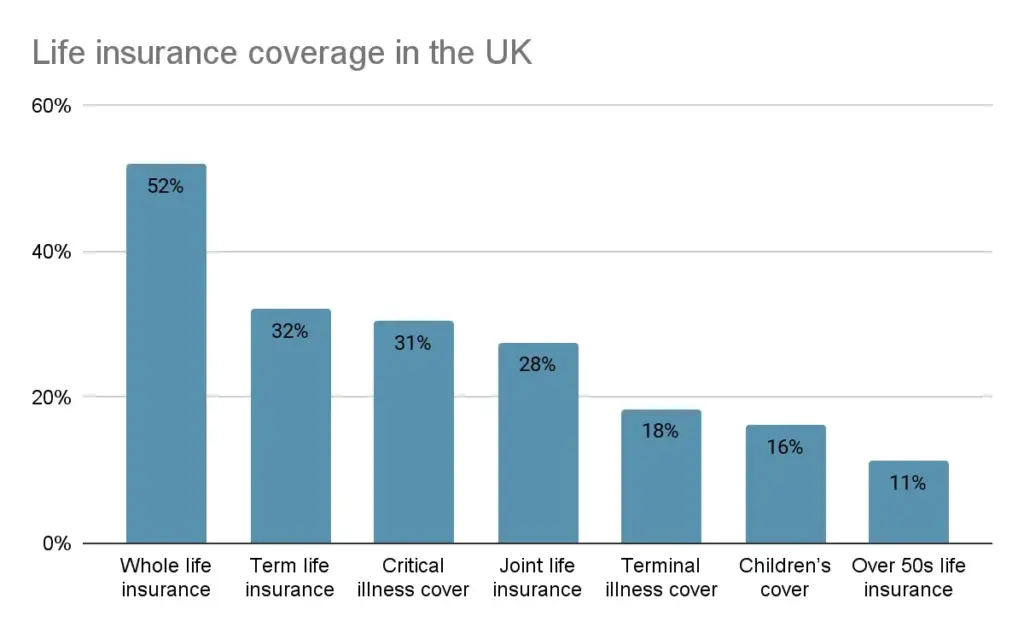
The type of life insurance policy selected plays a critical role in determining premiums, and awareness of the differences can significantly impact cost. For example, term life insurance is often more affordable because it provides coverage for a specified period and does not accumulate cash value. In contrast, whole life insurance, while offering lifelong coverage and potential cash value accumulation, comes with higher premiums due to its complex nature and benefits.
Different policy structures may also cater to varying consumer needs. For instance, those seeking lower immediate costs may prefer term life, while individuals looking for lifelong protection and investment potential might gravitate towards whole life or universal life policies. Therefore, careful consideration of the types of policies available, alongside their associated costs, is essential for securing an appropriate and sustainable life insurance solution.
Impact of Gender on Life Insurance Costs
While often overlooked, gender is a significant factor in life insurance pricing. Statistically, women tend to outlive men, leading insurers to offer lower premiums for female policyholders. This pricing disparity underscores the importance of understanding how gender may influence life insurance costs and how it might affect individual circumstances when seeking coverage.
Furthermore, companies might also consider additional factors related to gender, such as occupation and health trends, which can further differentiate premium rates. For example, women may engage in healthier lifestyle practices, potentially translating into lower insurance costs. Recognizing these gender-related factors can help consumers make educated comparisons when evaluating life insurance options and aiding their financial decisions.
Frequently Asked Questions
What factors affect life insurance UK rates?
Life insurance UK rates are influenced by several factors including your age, health and medical history, occupation, lifestyle choices (like smoking), coverage amount, policy type, gender, family medical history, and Body Mass Index (BMI). Understanding these elements can help you choose the right policy and potentially lower your premiums.
How can I lower my life insurance premiums in the UK?
To lower your life insurance premiums in the UK, consider improving your health through lifestyle changes, such as exercising regularly and eating a balanced diet. Additionally, shopping around for quotes from different insurers and consulting with an insurance broker can help you find more competitive rates.
What are typical life insurance UK costs for different age groups?
Typical life insurance UK costs vary greatly by age. Generally, premiums are lower for younger individuals, as they are statistically healthier and have a lower risk of death. As you age, premiums increase due to the heightened risk of health issues.
How does my occupation impact life insurance UK rates?
Your occupation can significantly impact your life insurance UK rates. Jobs that are considered high-risk, such as those in construction or emergency services, often lead to higher premiums due to the increased likelihood of accidents or health issues associated with those jobs.
What defines the coverage amount in life insurance UK rates?
The coverage amount in life insurance UK rates refers to the total sum that will be paid out to your beneficiaries upon your death. Generally, higher coverage amounts lead to higher premiums, so it’s important to assess your family’s financial needs before deciding on the appropriate coverage.
How do lifestyle choices affect life insurance premiums in the UK?
Lifestyle choices have a direct impact on life insurance premiums in the UK. Factors like smoking habits, exercise levels, and overall health can lead to variations in rates. Smokers, for instance, typically face higher premiums as they are considered higher risk for health complications.
| Key Factors | Impact on Premium |
|---|---|
| Age | Younger individuals generally pay lower premiums due to lower statistical risk of death. |
| Health and Medical History | Individuals in good health and without pre-existing conditions receive lower rates. |
| Occupation | High-risk jobs can lead to increased premiums due to higher potential for accidents or health issues. |
| Lifestyle Choices | Smokers and those with unhealthy lifestyles typically face higher rates due to increased health risks. |
| Coverage Amount | Higher coverage amounts usually result in higher premiums. |
| Policy Type | Different policies (term vs. whole life) affect rates, with term being more affordable in most cases. |
| Gender | Women often pay lower premiums than men due to longevity statistics. |
| Family Medical History | A family history of serious illness can lead to higher risk assessments and thus higher premiums. |
| BMI (Body Mass Index) | Higher BMI can result in increased premiums because of associated health risks. |
| Additional Riders | Adding riders increases coverage but also raises premium costs. |
Summary
Life Insurance UK Rates are influenced by numerous factors that determine how much you will pay for coverage. Understanding these factors is crucial for selecting the right policy that fits your needs and budget. Key elements such as age, health status, occupation, and lifestyle choices significantly impact your premiums. By optimizing these factors where possible, such as improving health and comparing quotes, you can find competitive rates that provide financial security for your loved ones. By being informed about these aspects, you can make proactive decisions to ensure your life insurance policy meets your family’s future needs.