Listen to this article
Long-term investing in the UK is a strategic approach that can significantly enhance your financial standing over time. By committing to investments for extended periods, often five years or longer, you harness the power of compounding growth while navigating market fluctuations with resilience. This investment philosophy encourages patience and informed decision-making, allowing investors to capitalize on economic shifts and corporate success stories. In this guide, we will explore expert tips tailored for successful long-term investing in the UK, equipping you with the insights needed to secure a prosperous financial future. From setting clear financial goals to maintaining a diversified portfolio, each aspect will bring you closer to achieving your wealth-building ambitions.
When considering routes to financial success, strategic asset allocation becomes paramount, often referred to as the cornerstone of sound investment practices. Emphasizing a sustained commitment to buying and holding assets can amplify returns, especially amidst the inherent volatility of the market. This approach not only serves as a safeguard against the ups and downs but also fosters an environment where investments can naturally appreciate without the stress of short-term fluctuations. Understanding this methodology, often associated with wealth management in the UK, allows investors to lay a solid foundation for their financial objectives. As we delve deeper into effective investing strategies, you’ll discover how to cultivate enduring wealth through disciplined planning and mindful execution.
Understanding the Fundamentals of Long-Term Investing
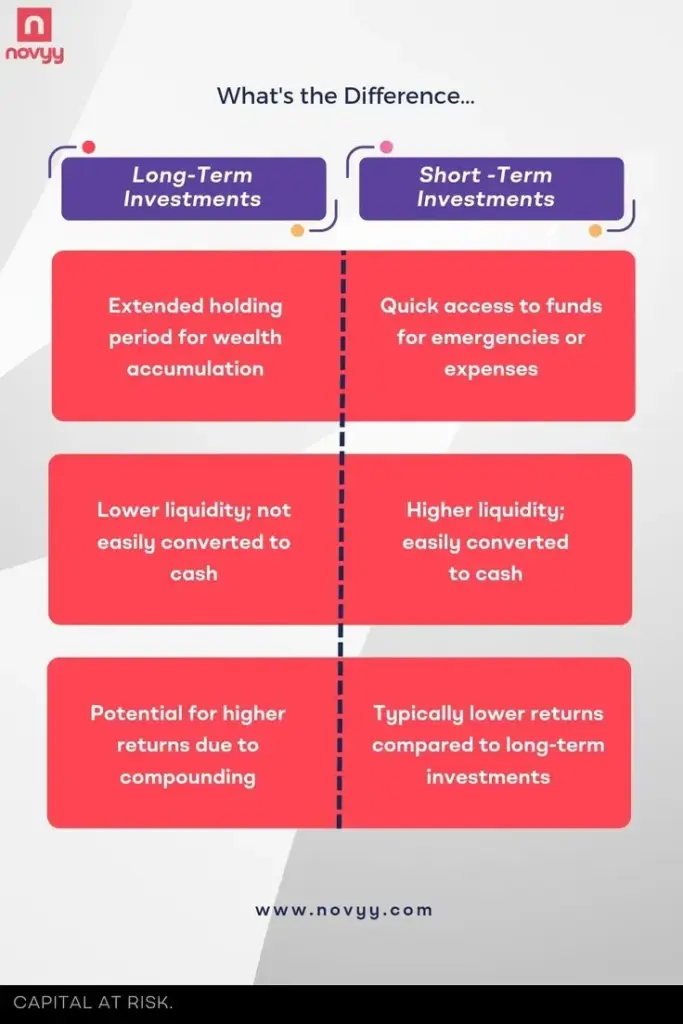
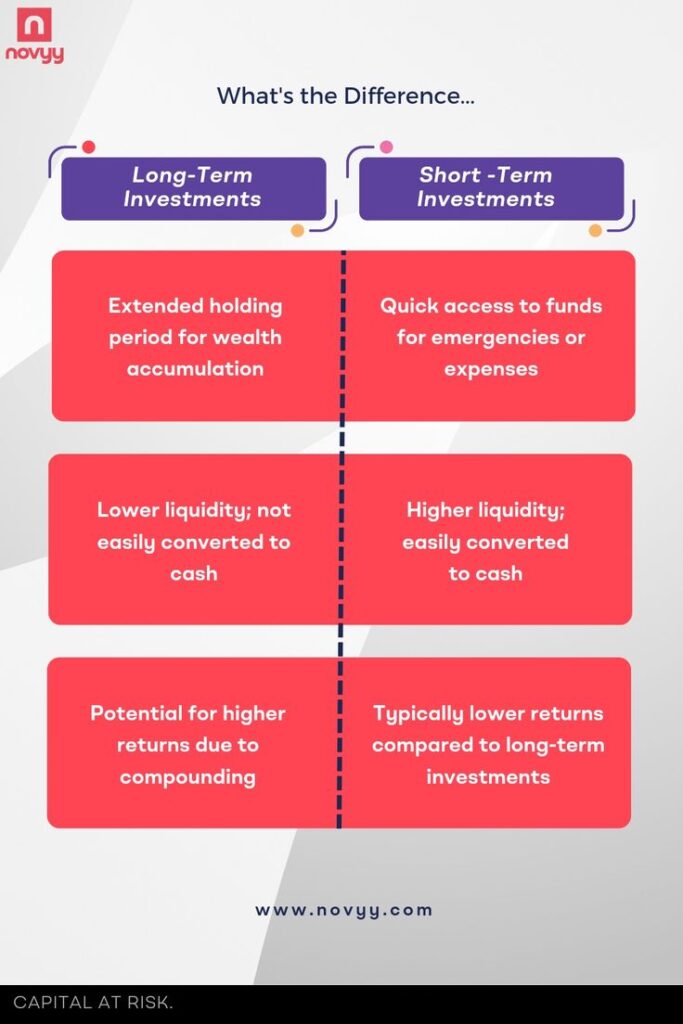
Long-term investing is a strategic approach that emphasizes the importance of patience and discipline. Investors commit to holding their assets for several years, ideally beyond five, to weather the uncertainties of the market. This time horizon allows for taking advantage of compounding returns, which can significantly enhance the value of the initial investment. Moreover, by maintaining a long-term perspective, investors are less likely to be influenced by short-term volatility that can lead to impulsive financial decisions.
For instance, during economic downturns, many investors may panic and sell their holdings to minimize losses. However, those who adhere to the principles of long-term investing understand that market fluctuations are part of the investing landscape. By resisting the urge to sell and remaining committed to their original strategies, they can often see their portfolios regain value over time as markets recover.
Setting Clear Financial Goals for Your Investments
Establishing clear financial goals is essential before you start investing. This involves pinpointing what you want to achieve and devising a roadmap to get there. Whether your goals are aimed at retirement, saving for a home, or funding your children’s education, defining these objectives provides a direction for your investment choices. This clarity not only influences the types of investments you select but also helps assess the risk levels you’re prepared to accept.
For example, if your goal is to save for a child’s college education in 15 years, your investment strategy might involve a different asset allocation than preparing for retirement in 30 years. With a well-defined goal, you’ll be more motivated to stick to your investment plan and can better evaluate your progress over time.
The Importance of Diversification in Your Portfolio
Diversification is a cornerstone of a robust investment strategy, especially for long-term investing in the UK. By spreading your investments across various asset classes, including stocks, bonds, and real estate, you can minimize risk while maximizing returns. This strategy prevents overexposure to any single investment, safeguarding your portfolio against severe market downturns that can occur unexpectedly.
For instance, if the stock market experiences a decline, having a diversified portfolio that includes bonds or real estate can help cushion the impact on your overall investment value. This balanced approach not only enhances potential returns but also instills confidence in your long-term strategy, as you are not solely reliant on market performance in one sector.
Researching Quality Investments for Longevity
In the realm of long-term investing, the quality of your selected assets is paramount. Conducting thorough research allows you to identify investments that are likely to remain viable over an extended period. Look for companies with consistent earnings growth, strong balance sheets, and effective management teams. Investing in fundamentally sound projects increases the probability of better returns as these companies are often better equipped to navigate economic cycles.
Moreover, understanding the broader market context is crucial when deciding on your investment assets. With rigorous research, you can discern trends that indicate the potential for long-term growth, ensuring that your investments will benefit from significant appreciation over time. This proactive approach helps mitigate risks associated with unreliable or underperforming investments.
Staying Informed While Avoiding Emotional Decisions
Knowledge is power in the world of investing. Staying informed about market trends, economic indicators, and global events can greatly influence your investment decisions. However, while being educated is essential, it is also critical to avoid allowing emotions to drive your actions. Investors often fall into the trap of making hasty decisions during market highs and lows, which can jeopardize their long-term financial goals.
To counteract emotional investing, establish a well-defined investment strategy and adhere to it regardless of market sentiment. Regularly reassess your portfolio, but do so with a rational mindset focused on your long-term objectives. By keeping abreast of market conditions while resisting the urge to react impulsively, you will foster a more disciplined and successful investing approach.
Consulting Financial Advisors for Tailored Guidance
Navigating the complexities of long-term investing can be daunting, particularly for beginner investors. Consulting with a financial advisor can provide invaluable insights and personalized strategies tailored to your unique financial situation. These professionals can guide you through the intricacies of investment options, helping you make informed decisions that align with your objectives.
Financial advisors have a wealth of experience and access to tools that can optimize your investment portfolio. They can provide recommendations based on comprehensive market analyses and help you implement a strategy that balances risk and return effectively. With their assistance, you can avoid common pitfalls that may derail your investment journey and instead focus on achieving your long-term financial aspirations.
Frequently Asked Questions
What are the key principles of long-term investing in the UK?
Key principles of long-term investing in the UK include setting clear financial goals, diversifying your portfolio across various asset classes, researching quality investments, staying informed about market trends, utilizing tax-advantaged accounts like ISAs and pensions, maintaining a long-term perspective, regularly reviewing and rebalancing your portfolio, seeking professional guidance, avoiding emotional investing, and being patient and persistent in your investment strategy.
How can I set clear financial goals for long-term investing in the UK?
To set clear financial goals for long-term investing in the UK, identify specific objectives such as saving for retirement, buying a home, or funding education. Establish a timeline for each goal and determine the amount you wish to accumulate by that date. Having well-defined goals will help tailor your investment strategy and keep you focused throughout your investment journey.
Why is diversification important in long-term investing in the UK?
Diversification is crucial in long-term investing in the UK because it spreads investment risk across different asset classes, such as shares, bonds, property, and commodities. This approach mitigates the impact of market downturns on any single investment and enhances potential returns, ensuring that your overall portfolio remains resilient against volatility.
What are ISAs and how do they benefit long-term investing in the UK?
ISAs, or Individual Savings Accounts, are tax-efficient investment accounts that allow UK investors to grow their money without paying tax on interest, dividends, or capital gains. By utilizing ISAs for long-term investing in the UK, you can maximize your returns while minimizing tax liabilities, making them a valuable tool in achieving your financial goals.
How often should I review and rebalance my portfolio in long-term investing in the UK?
In long-term investing in the UK, it’s advisable to review and rebalance your portfolio at least annually or whenever there are significant changes in market conditions or your financial circumstances. Regular assessment helps ensure your investments align with your goals and risk tolerance, allowing you to capitalize on opportunities and maintain a balanced portfolio.
What role does patience play in successful long-term investing in the UK?
Patience is a vital component of successful long-term investing in the UK, as it allows investors to endure market fluctuations without panic-selling. By remaining focused on long-term goals and understanding the compounding effects of reinvested dividends and growth, investors can enhance their wealth over time, making patience a key factor in achieving financial objectives.
| Key Point | Description |
|---|---|
| Understanding Long-Term Investing | Long-term investing involves holding assets for five years or more to grow value and benefit from compounding. |
| Set Clear Financial Goals | Define specific financial goals such as saving for retirement or education, tailoring your investment strategy accordingly. |
| Diversify Your Portfolio | Spread investments across various asset classes to reduce risk and enhance potential returns. |
| Research and Choose Quality Investments | Conduct thorough research on investment options to select high-quality assets with strong performance records. |
| Stay Informed and Adapt | Remain updated on market trends and economic changes, adapting your strategies while avoiding emotional reactions. |
| Utilize Tax-Advantaged Accounts | Take advantage of ISAs and pensions in the UK for tax-efficient investing, maximizing returns and minimizing liabilities. |
| Maintain a Long-Term Perspective | Focus on long-term goals and avoid selling during market downturns to benefit from compounding effects. |
| Regularly Review and Rebalance Your Portfolio | Periodically check your portfolio performance and make necessary adjustments to stay aligned with your goals. |
| Seek Professional Guidance | Consult financial advisors for personalized strategies and insights into investment opportunities. |
| Avoid Emotional Investing | Maintain discipline and avoid making impulsive investment decisions based on market emotions. |
| Be Patient and Persistent | Successful investing takes time and requires endurance through market fluctuations to achieve financial goals. |
Summary
Long-term investing in the UK can pave the way to financial security and growth when executed thoughtfully. It is essential to establish clear financial goals, diversify your investments, and consistently stay informed about market trends and economic shifts. By leveraging tax-efficient accounts and maintaining a disciplined, long-term perspective, investors can significantly improve their chances of achieving success. Furthermore, regularly reviewing your portfolio and seeking professional guidance can enhance your strategy amid changing market conditions. Ultimately, the journey of long-term investing is about patience and persistent effort that leads to a prosperous financial future.