Listen to this article
UK loan interest rates are a crucial aspect of the financial landscape that can significantly affect borrowers’ expenses. These rates are shaped by various elements, including the policies set by the Bank of England, which directly influence the cost of borrowing money across the country. Understanding these dynamics is vital, especially in a fluctuating economic environment characterized by factors like inflation and economic growth. Additionally, individual circumstances, such as your credit score and the type of loan sought, also play a pivotal role in determining the interest rates you might encounter. By staying informed about the current trends in UK loan interest rates, you can make strategic decisions that align with your financial goals.
In the UK, the interest rates on loans represent the price you pay to borrow money, influencing everything from mortgages to personal loans. These financial charges are typically determined by several economic indicators, including the prevailing base rate established by the Bank of England and the overarching conditions in the economy. Borrowers with varying credit scores will find that their individual financial profiles can impact the rates they are offered, while inflationary pressures and loan types will further contribute to the variations in these charges. As you consider your options for borrowing, understanding the interplay of these factors will empower you to navigate the loan landscape effectively, securing the most favorable terms available.
Understanding How the Bank of England Affects Loan Interest Rates
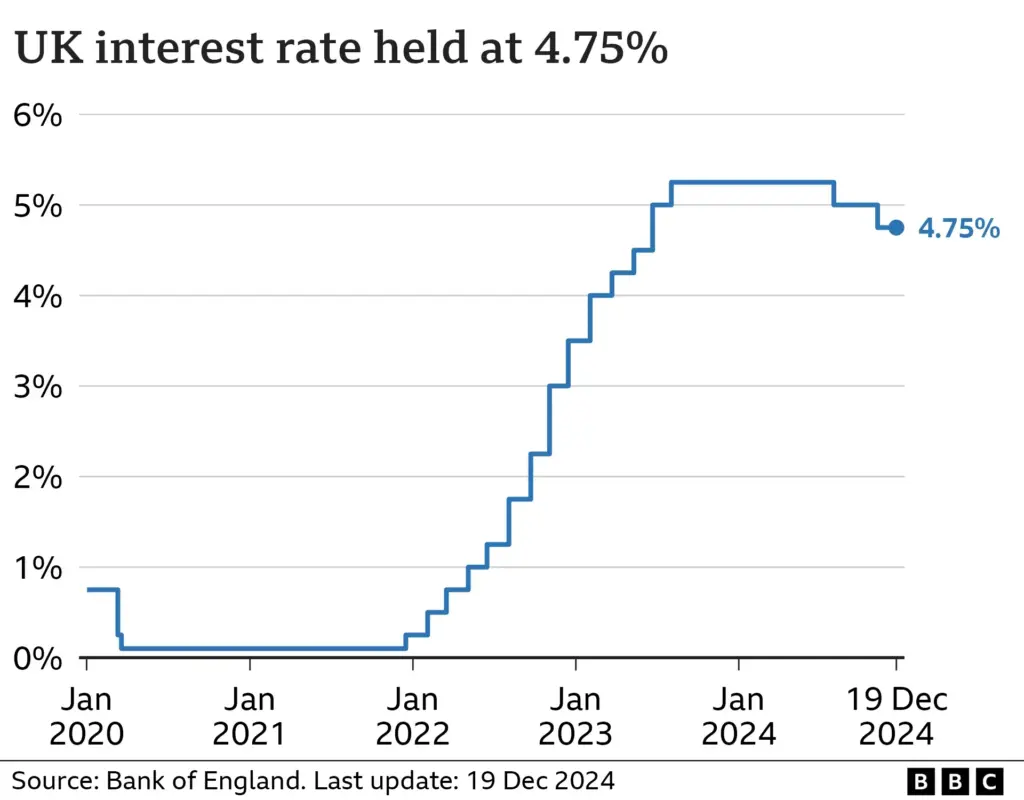
The Bank of England (BoE) plays a pivotal role in shaping the financial landscape of the UK through its influence on interest rates. By setting the base rate, the BoE directly impacts the interest rates charged by banks and financial institutions for loans. A decision to increase the base rate typically results in higher borrowing costs, as lenders adjust their rates in response to the BoE’s monetary policy. This relationship shows how intertwined the performance of the economy, inflation control, and public borrowing costs can be, making it crucial for borrowers to keep an eye on BoE announcements.
Conversely, when the BoE lowers the base rate, it often leads to reduced interest expenses for potential borrowers. This scenario encourages spending and investment, which can stimulate economic growth. Moreover, understanding this relationship allows borrowers to time their loan applications strategically. For instance, a borrower who applies when the BoE reduces interest rates may obtain a more favourable loan package, ultimately saving money over the repayment period.
Influence of Inflation on UK Loan Interest Rates
Inflation is a significant factor that lenders consider when determining the interest rates they offer. When inflation rises, the cost of living increases, prompting lenders to raise their loan interest rates. This adjustment ensures that they are compensated for the loss of purchasing power that occurs as money’s value diminishes over time. Therefore, it is vital for borrowers to be aware of inflation trends, as these trends directly influence the loan’s total repayment cost.
Conversely, during periods of low inflation, lenders may maintain or even reduce their interest rates to attract borrowers. This scenario creates opportunities for consumers to secure loans at lower costs. It’s essential for borrowers to analyse economic conditions relating to inflation before committing to a loan to observe potential changes in interest rates that could affect their financial situation.
Impact of Economic Growth on Borrowing Costs
Economic growth plays a crucial role in shaping loan interest rates. When the economy is thriving, consumer and business confidence tends to rise, resulting in increased borrowing for investment and consumption. Lenders often respond by raising interest rates, capitalising on the heightened demand for loans. Understanding this dynamic can help borrowers anticipate fluctuations in borrowing costs based on economic indicators, such as GDP growth or consumer spending trends.
On the other hand, during periods of economic contraction, lending activity usually slows down, and lenders may lower interest rates to encourage borrowing. This tactic is often part of broader monetary policy measures aimed at stimulating the economy. Borrowers should stay informed about economic indicators and trends to identify optimal times for securing loans to benefit from potentially lower interest rates.
The Role of Credit Score in Determining Loan Rates
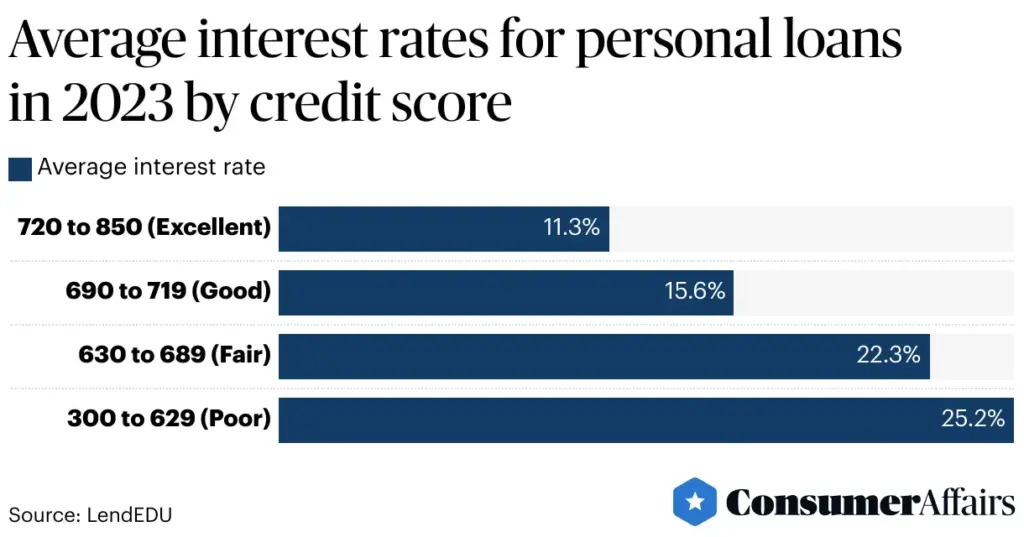
A borrower’s credit score is one of the most influential factors dictating the interest rate applied to a loan. This score reflects an individual’s creditworthiness, derived from their credit history, outstanding debts, and repayment habits. Generally, those with higher credit scores are considered lower risk by lenders, leading to more favourable loan terms and lower interest rates.
Conversely, individuals with lower credit scores may face higher interest rates or even difficulties in obtaining loans. This correlation underlines the importance of maintaining a good credit record, by promptly paying bills and managing debts responsibly. Potential borrowers should regularly review their credit reports for discrepancies and take steps to improve their credit scores prior to applying for a loan, ensuring they secure the best possible deal.
Comparing Different Types of Loans for Optimal Rates
When considering a loan, understanding the various types available and their associated interest rates is essential. For instance, secured loans tend to have lower interest rates compared to unsecured loans due to the collateral backing them, reducing the lender’s risk. This aspect makes secured loans, like mortgages, an appealing option for large purchases, as they provide better rates for responsible borrowers.
On the other hand, unsecured loans, such as credit card debt or personal loans, usually come with higher interest rates due to the lack of collateral. Borrowers should compare different loan types and consider their personal financial situations to select the most cost-effective borrowing option. A thorough comparison can save significant amounts in interest payments over time.
How Loan Term Affects Interest Rates and Repayment
The length of time taken to repay a loan, commonly referred to as the loan term, significantly influences the interest rates applied. Generally, shorter-term loans tend to carry higher interest rates as they pose a greater risk for lenders. This situation arises because the shorter repayment period does not provide borrowers ample time to demonstrate their ability to repay.
In contrast, longer loan terms often attract lower interest rates, as lenders view them as less risky, given the extended timeframe for repayment. However, while lower rates on longer loans may seem appealing, borrowers should weigh this against the total interest paid over the loan’s lifetime, which can accumulate significantly. It’s crucial for borrowers to carefully consider their repayment term to align it with their financial capability and long-term financial goals.
Frequently Asked Questions
What role do UK interest rates play in determining loan costs?
UK interest rates are crucial in determining the total cost of a loan. When you borrow money, the interest rate indicates how much you’ll pay back in addition to the principal amount. Higher UK interest rates typically result in more expensive loans, while lower rates can decrease borrowing costs significantly.
How does the Bank of England influence UK loan interest rates?
The Bank of England sets the base rate, which directly influences UK loan interest rates. When the BoE raises this base rate, lenders usually follow by increasing their loan interest rates, making borrowing more expensive. Conversely, a decreased base rate often leads to lower costs for loans in the UK.
How does inflation affect loan interest rates in the UK?
Inflation is a key factor in determining UK loan interest rates. As inflation rises, lenders may increase interest rates to compensate for the reduced purchasing power of money over time. This means that during periods of high inflation, borrowers can expect higher loan interest rates.
What impact does a borrower’s credit score have on UK loan interest rates?
A borrower’s credit score significantly influences the interest rates they receive on loans in the UK. Typically, higher credit scores result in lower UK loan interest rates, as lenders see these borrowers as lower risk. Conversely, a poor credit score may lead to higher rates or even loan denials.
What are the different types of loans and their interest rates in the UK?
In the UK, different types of loans come with varying interest rates. Secured loans, like mortgages, usually have lower interest rates compared to unsecured loans, such as personal loans, because they are backed by collateral, reducing lender risk.
How do loan terms affect UK loan interest rates?
The term length of a loan influences UK loan interest rates. Generally, short-term loans carry higher interest rates due to increased lender risk, while long-term loans may have lower rates, as they offer borrowers a longer repayment period, which can lower the risk of default.
| Factor | Description |
|---|---|
| Bank of England Base Rate | The interest rate set by the BoE which influences all lending rates in the economy. |
| Inflation | Rising prices lead lenders to adjust interest rates to protect profit margins. |
| Economic Growth | Stronger economies may see lenders raise rates due to increased borrowing demand. |
| Borrower’s Credit Score and History | Higher scores often qualify for lower rates, reflecting assessed risk. |
| Loan Type | Secured loans (e.g., mortgages) generally have lower rates compared to unsecured loans. |
| Loan Term | Short-term loans may carry higher rates due to increased risk. |
Summary
UK loan interest rates are influenced by several key factors, including the Bank of England’s base rate, inflation trends, economic growth, and individual borrower circumstances such as credit scores. These elements combined dictate how much interest borrowers will pay over time. It’s crucial for anyone considering a loan in the UK to understand these dynamics, as this knowledge can lead to more informed financial decisions and significant savings on loan costs. By staying informed about these factors, borrowers can better navigate their options and make the most suitable choices for their financial state.