Listen to this article
Long Term Investing UK presents a powerful avenue for individuals seeking to achieve lasting financial security through strategic investment approaches. By focusing on this strategy, investors can leverage the best investment strategies that align with their long-term financial goals, whether it’s investing for retirement or building wealth. Engaging in long term investment benefits not only mitigates risks associated with volatile markets but also fosters portfolio diversity, allowing you to maximize returns over time. As we explore UK investment tips throughout this discussion, you’ll discover how patience and informed decisions can lead to significant financial growth in the UK. Embrace the long term investing approach and unlock the potential for a secure financial future.
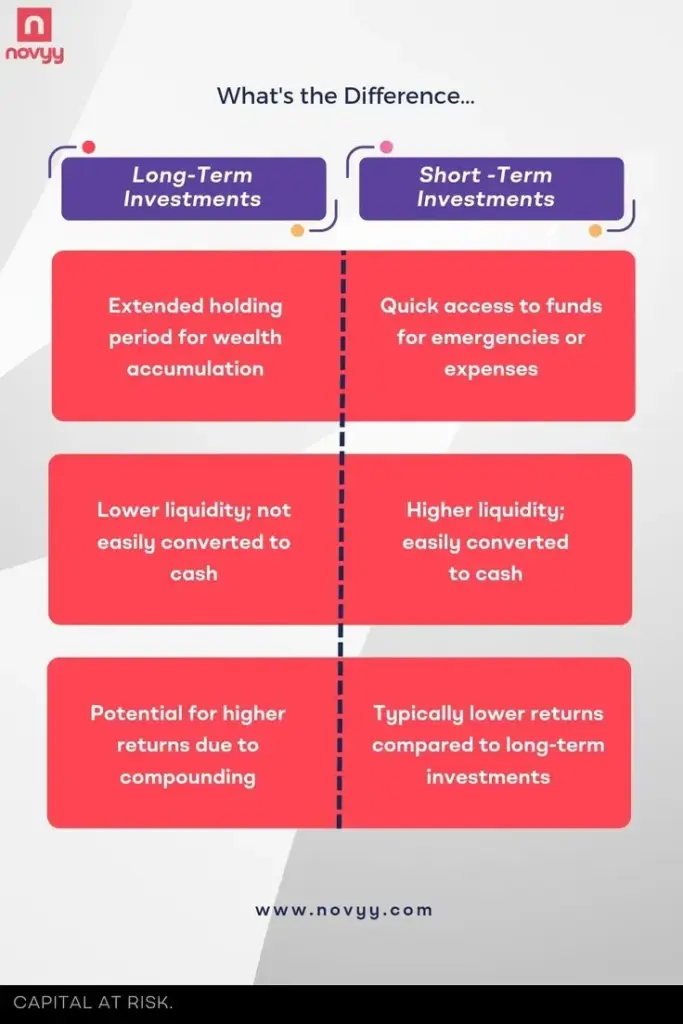
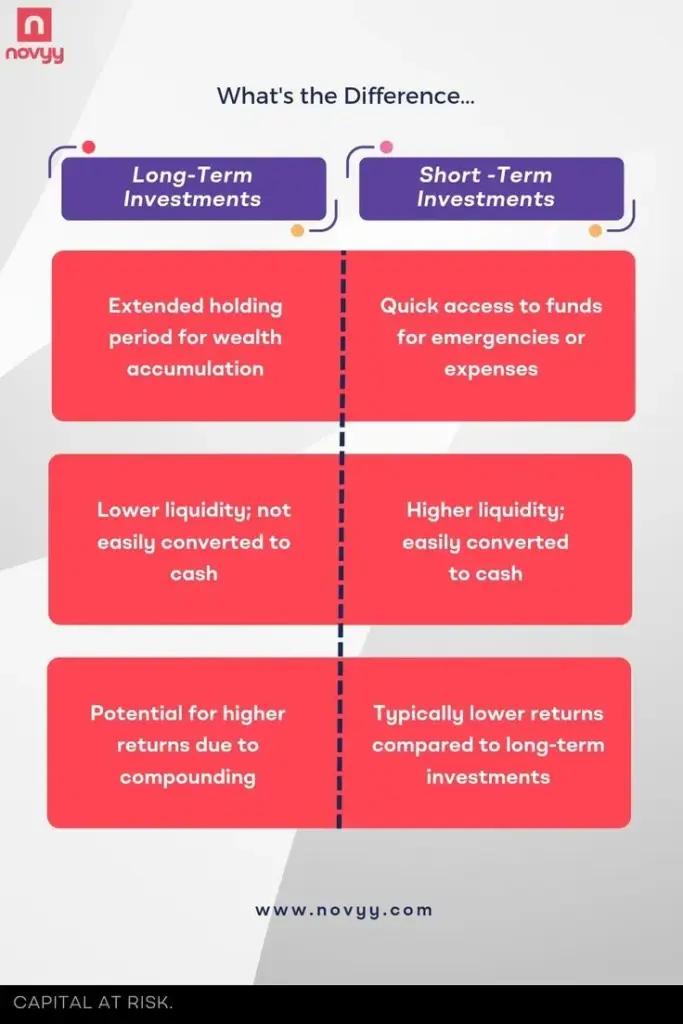
When it comes to investing in the financial landscape of the UK, taking a long term approach is essential for cultivating substantial wealth. This method of asset allocation focuses on placing your capital in various investments with the intention of holding them for extended periods, often five years or more. Such a disciplined strategy offers rich dividends in the form of compounding returns, while also reducing the effects of market fluctuations on your investments. Incorporating techniques for investment diversification and establishing clear financial objectives become crucial in this journey. By understanding alternative investment terms and concepts, you can navigate the complex world of wealth accumulation with greater confidence and clarity.
The Importance of Setting Clear Financial Goals for Long Term Investing
Setting clear financial goals is crucial for successful long term investing in the UK. A well-defined objective helps you determine your investment strategy and shapes the types of assets you should consider. Whether you aim to save for retirement, a child’s education, or a future property purchase, your specific goals will dictate how you allocate your resources over time. For instance, a retirement fund may require a different asset model compared to a short-term savings goal. Therefore, setting goals not only influences your investment choices but also provides a benchmark to measure your progress.
In addition to defining your goals, it’s vital to establish a timeline. Knowing when you need your funds can help determine your risk appetite and the kind of investments that align with your objectives. If you’re investing for retirement that’s 20 years away, you might embrace a more aggressive strategy, focusing on capital appreciation. In contrast, a goal set within the next few years might warrant a more cautious approach. By aligning your investment strategies with clear financial goals, you ensure that your long term investing journey is both organized and purposeful.
Diversification: A Key Strategy for a Robust Investment Portfolio
Diversification is a tried-and-true strategy that significantly reduces risk while enabling financial growth in the UK. By spreading investments across various asset classes such as stocks, bonds, real estate, and commodities, you shield your portfolio from the volatility associated with any single investment. This principle of not putting all your eggs in one basket minimizes the potential for loss and maximizes the potential for gains—especially important in a market as dynamic as the UK’s.
Moreover, portfolio diversity also allows you to tap into different market sectors and geographic areas. For example, while UK stocks may perform well, emerging markets or international assets might provide additional return opportunities. Utilizing investment vehicles like index funds or exchange-traded funds (ETFs) can simplify this process, ensuring that your portfolio remains well-rounded and aligned with your long term goals without overwhelming management.
Conducting Thorough Research: The Backbone of Smart Investment Decisions
In the realm of long term investing, thorough research is indispensable. Understanding the characteristics of different investment options allows you to make informed decisions that align with your financial strategy. Research goes beyond merely looking at historical performance; it involves analyzing market trends, assessing potential risks, and projecting future outcomes. Utilizing resources such as financial news, analytic tools, and expert opinions can provide valuable insights that inform your choices and enhance your investment effectiveness.
Additionally, being well-informed helps you adjust your strategies based on changing market conditions. The UK market, influenced by both domestic and international factors, can shift rapidly. By keeping an eye on economic indicators and sector developments, you can make timely adjustments to your portfolio that capitalize on emerging opportunities rather than falling victim to pitfalls.
Dollar-Cost Averaging: Mitigating Risks in Volatile Markets
Dollar-cost averaging is a robust strategy that involves investing a fixed sum at regular intervals, regardless of market conditions. This method not only alleviates the pressure of trying to time the market but also allows investors to accumulate more shares when prices are low and fewer when prices are high, smoothing out the fluctuations of stock prices over time. This is particularly beneficial in the unpredictable landscape of UK investing, where market volatility can create anxiety for many investors.
Furthermore, implementing this strategy encourages a disciplined approach to investing. By committing to regular investments, you build financial habits that can lead to sustained growth. Paired with a long term investment mindset, dollar-cost averaging can significantly enhance your portfolio’s resilience and potential returns over the years.
The Role of Emotional Discipline in Long Term Investing
Emotional discipline is a critical component of successful long term investing. The investment landscape can evoke strong emotional responses, particularly during market downturns or when faced with enticing trends. Many investors fall prey to panic-selling when markets dip or engage in impulsive buying during upswings. However, maintaining a calm demeanor and adhering to your investment strategy can mitigate risks and ensure that your portfolio remains aligned with your long-term objectives.
In essence, long term investing requires a commitment to your initial plan and consistent evaluation of market trends without falling into emotional traps. By focusing on your overarching goals, staying informed, and thinking long-term, you can navigate your investment path successfully, ultimately leading to better financial outcomes in the UK.
Tax Efficiency: Maximizing Returns through Smart Investment Choices
Understanding tax efficiency is vital for optimizing long term investing in the UK. Investing through tax-advantaged accounts like ISAs (Individual Savings Accounts) or pensions allows investors to maximize their returns by minimizing tax liabilities. For example, any gains made within an ISA are free from capital gains tax, which can significantly enhance your overall financial growth.
In addition, being aware of the various taxes applicable to your investments can help you strategize effectively around your portfolio. For instance, long term capital gains taxes are generally lower in the UK than short-term rates, underscoring the benefits of maintaining a long-term approach. By prioritizing tax-efficient investment strategies, you not only improve your returns but also contribute to a more secure financial future.
Frequently Asked Questions
What are the best investment strategies for long term investing in the UK?
The best investment strategies for long term investing in the UK include establishing clear financial goals, developing a diverse portfolio across different asset classes, conducting thorough research on investment options, and employing dollar-cost averaging. These strategies are designed to enhance financial growth and mitigate risks associated with market fluctuations.
What are the long term investment benefits in the UK?
Long term investment benefits in the UK include reduced risk from market volatility, compounding returns that lead to exponential growth, lower costs due to decreased trading fees, and greater peace of mind from remaining focused on long-term objectives rather than responding to short-term market changes.
How can I effectively diversify my investment portfolio for long term investing in the UK?
To effectively diversify your investment portfolio for long term investing in the UK, consider spreading your investments across various asset classes such as stocks, bonds, real estate, and index funds. This approach not only helps to mitigate risks but also enhances the potential for returns over time.
What UK investment tips should I follow for investing for retirement?
For investing for retirement in the UK, tips include starting early to benefit from compounding, using tax-efficient accounts like ISAs and pensions, regularly contributing to your investment plan, diversifying your portfolio, and staying informed about market trends. These practices can significantly enhance your retirement savings.
How does long term investing contribute to financial growth in the UK?
Long term investing contributes to financial growth in the UK by allowing investors to capitalize on compound interest over time, reduce tax liabilities through tax-efficient accounts, and minimize stress from market volatility. By sticking to a well-researched investment strategy, long term investors can achieve substantial returns.
What are some common mistakes to avoid in long term investing in the UK?
Common mistakes to avoid in long term investing in the UK include failing to diversify your portfolio, reacting emotionally to market fluctuations, not researching investments thoroughly, neglecting to review your portfolio regularly, and overlooking the importance of tax efficiency in maximizing returns.
| Key Point | Description |
|---|---|
| Understanding Long Term Investing | Involves holding investments for five years or more, allowing for compound growth. |
| Benefits of Long Term Investing | Includes reduced risk, compounding returns, lower costs, and more peace of mind. |
| Best Practices | Establish goals, diversify portfolio, research investments, invest regularly, control emotions, review fees, adjust portfolio, aim for tax efficiency, educate continuously, and be patient. |
Summary
Long term investing in the UK is a strategic approach that allows individuals to harness the potential for growth through disciplined practices. By establishing clear financial goals, maintaining a diverse and balanced portfolio, and prioritizing education on market trends and associated fees, investors can optimize their returns over time. Understanding the benefits of compounding and being patient through the market’s fluctuations are crucial to achieving financial success. As you embark on your long-term investment journey, remember that a well-considered strategy not only enhances your financial future but also provides peace of mind against the volatility of the market.