Listen to this article
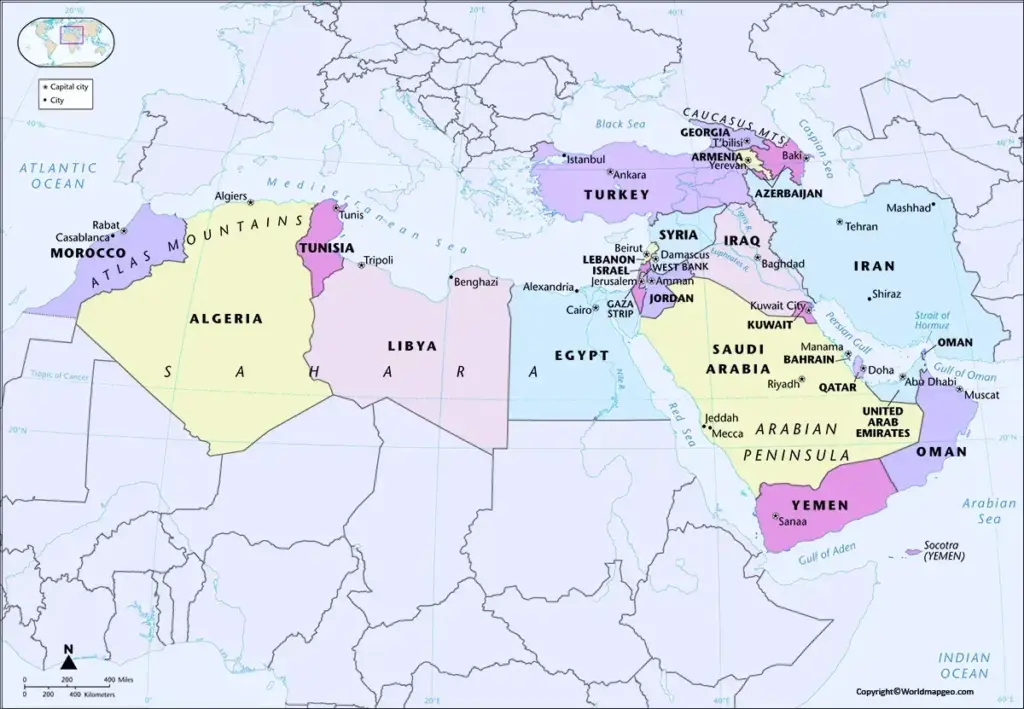
Middle East news plays a crucial role in shaping our understanding of regional dynamics and their global implications. The intricate relationship between Middle East politics and the ongoing conflicts, particularly the Israeli-Palestinian issue, remains a focal point in international discourse. As we delve into the latest updates, we also observe how Middle East economics is shifting, influenced by initiatives like Saudi Arabia’s Vision 2030. Furthermore, discussions around women’s rights in the Middle East are gaining momentum, reflecting societal changes and demands for equality. With climate change impacting the region’s stability, understanding these interconnected topics is more essential than ever.
Updates from the Middle Eastern region continue to reveal a tapestry of complex interactions and narratives that influence the world stage. Current events reflect ongoing social and political developments, from the contentious Israeli-Palestinian situation to the economic diversification efforts of the Gulf Cooperation Council. As the society grapples with pressing issues like women’s rights and environmental challenges, there is a growing acknowledgment of the region’s rich cultural contributions. The evolving landscape necessitates an informed perspective on these developments, emphasizing the importance of staying attuned to regional affairs.
Understanding Political Dynamics in the Middle East
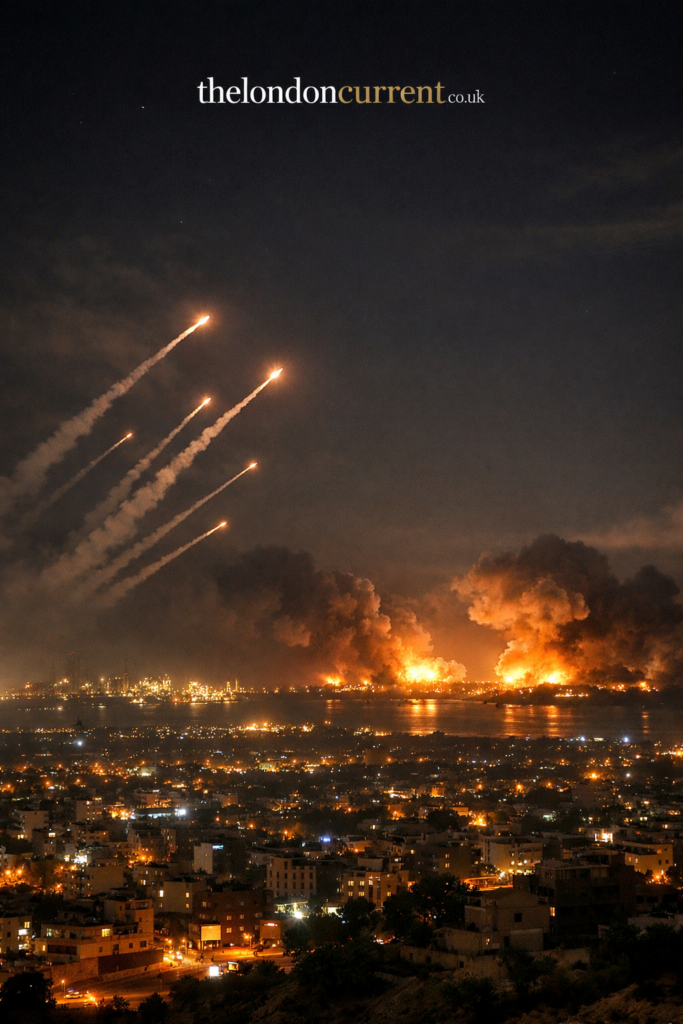
The political landscape in the Middle East is characterized by shifting alliances and increasing unrest. Nations such as Iran and Iraq face significant internal challenges stemming from economic grievances and calls for reform. These challenges often manifest in protests, with citizens demanding better governance and accountability from their leaders. Understanding these political dynamics is crucial as they can spill over into regional conflicts, affecting stability not just in those countries, but also in their relationships with neighbors.
In addition, the complexity of Middle Eastern politics is compounded by external influences and interventions from global powers. While countries search for more democratic practices, foreign interests often complicate local political efforts. For instance, U.S. policies can significantly impact democratic movements, especially in countries where American foreign relations sway local governance. Observing these dynamics allows for a more nuanced understanding of the broader implications for global security and relations.
Economic Challenges and Opportunities in the Middle East
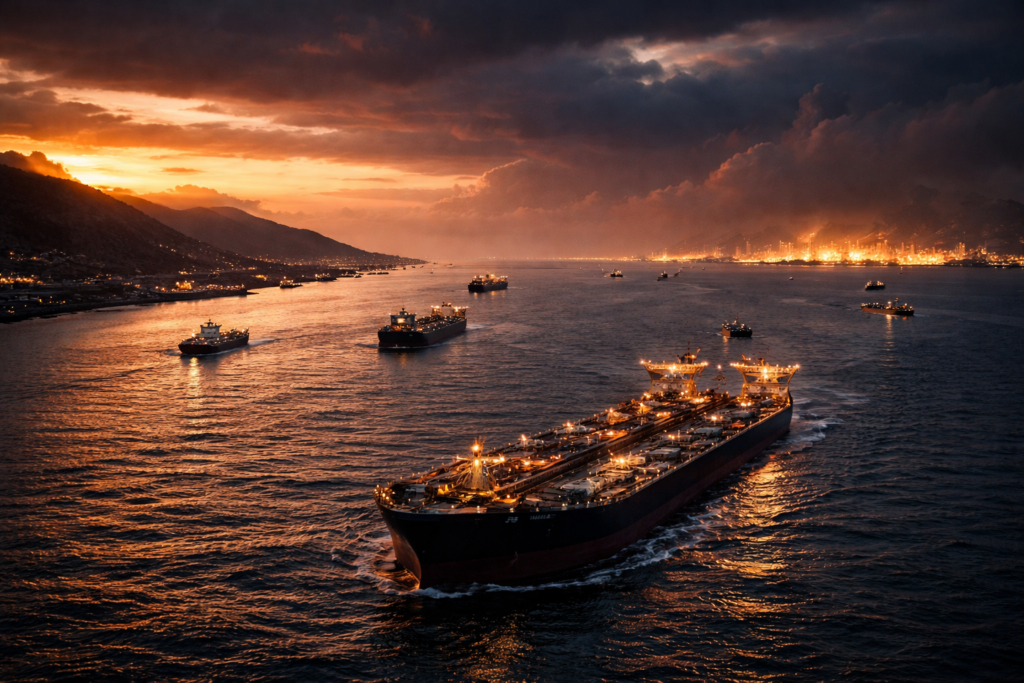
The economic landscape of the Middle East is rapidly evolving, primarily due to changing global oil demands and the urgency of climate change. Countries such as Saudi Arabia are pushing forward with ambitious initiatives like Vision 2030, aiming to diversify their economies away from oil reliance. This initiative is not just a response to economic necessity but also a strategic pivot to encourage investment in technology, tourism, and renewable energy sectors.
The economic strategies implemented by Gulf Cooperation Council (GCC) countries also highlight how regional dynamics influence economic growth. By fostering innovation and reducing oil dependency, these nations aim to position themselves effectively in the global market. However, the transition presents challenges, such as ensuring job creation and maintaining social stability amidst economic reforms, which require careful planning and execution.
The Impact of Climate Change on Middle Eastern Nations
As climate change intensifies, its impacts are felt across the Middle East, an area particularly vulnerable to environmental shifts. Rising temperatures and diminishing water sources threaten agricultural productivity and livelihood in many regions. Countries like the UAE and Saudi Arabia are recognizing the importance of addressing these environmental concerns and are committing to ambitious sustainability goals, such as becoming net-zero by 2050.
Furthermore, these environmental initiatives can catalyze economic redevelopment, opening opportunities for innovation in renewable energy and sustainable practices. As nations adapt to climate change, they face a dual challenge of mitigating environmental risks while fostering economic growth. This intersection of environment and economy will be pivotal in shaping the future stability and prosperity of Middle Eastern countries.
Advancements in Women’s Rights in the Middle East
Women’s rights in the Middle East have historically been a contentious issue, especially in the context of societal change following political turmoil. The spotlight on Afghanistan post-Taliban takeover underscores the urgent need for international advocacy and local empowerment. Efforts to improve women’s rights involve not only legal reforms but also grassroots movements that challenge traditional norms and aim to elevate women’s roles in society.
As more women become advocates for their own rights, regional dynamics are beginning to shift. Educational empowerment and access to political representation are critical factors that could lead to significant changes in gender equality. International organizations are also pivotal in supporting these movements, ensuring that the voices of women are heard and that their rights are recognized, which could ultimately influence diplomatic relations within the region.
Cultural Evolution and Global Recognition of Middle Eastern Arts
Middle Eastern culture is experiencing a renaissance, with cinema and literature gaining substantial recognition on international stages. Films from the region are increasingly showcased in film festivals worldwide, offering new narratives that challenge stereotypes and highlight the rich diversity of Middle Eastern life. These cultural representations can foster greater understanding and appreciation across different audiences, bridging socio-political divides.
Moreover, the advancement of arts in the Middle East often reflects historical contexts and contemporary realities, creating a unique space for dialogue about identity, conflict, and resilience. As these stories reach a global audience, they contribute to a richer narrative of the Middle East, one that highlights creativity and innovation amidst adversity. Such cultural dynamics are crucial not merely for entertainment but for reshaping perceptions of the region in the global context.
Frequently Asked Questions
What are the latest updates on Middle East politics affecting regional stability?
Recent updates from Middle East politics indicate significant unrest in countries like Iran, where protests have surged due to rising fuel prices. This unrest highlights economic frustrations among citizens and poses questions about governmental stability and its repercussions on regional security.
How are Israeli-Palestinian relations evolving in recent news?
Recent Israeli-Palestinian news suggests a potential thaw in diplomatic tensions, with leaders from both sides engaging in discussions aimed at peace negotiations. These efforts, if successful, could lead to significant shifts in diplomatic relations and impact broader security policies in the Middle East.
What economic changes are being seen in Gulf Cooperation Council (GCC) countries?
The Gulf Cooperation Council (GCC) is currently focusing on economic diversification, especially in the UAE, where investments in technology and renewable energy are surging. This transformation aims to reduce reliance on oil and could redefine the economic landscape of the region.
What challenges do women’s rights in the Middle East face today?
Women’s rights in the Middle East, especially in countries like Afghanistan, are under intense scrutiny following recent political shifts. Ongoing debates surrounding gender equality are fueled by international advocacy, stressing the importance of reform and support for women in affected regions.
How does climate change impact Middle Eastern nations?
Climate change poses severe threats to Middle Eastern nations, with issues like rising temperatures and water scarcity emerging as critical challenges. Countries like the UAE are taking proactive steps, pledging to achieve net-zero emissions by 2050, showcasing a growing commitment to addressing these environmental concerns.
| Key Areas | Current Affairs Update | Economic Insights | Social Dynamics | Environmental Concerns | Cultural Spotlight |
|---|---|---|---|---|---|
| Political Developments | Protests in Iran over fuel prices reflect economic dissatisfaction, affecting regional stability. | ||||
| Israeli-Palestinian Relations | Recent peace negotiations may influence international security policies. | ||||
| GCC Economic Moves | UAE’s shift towards technology and renewable energy reshapes economic forecasts and political alliances. | ||||
| Saudi Arabia’s Vision 2030 seeks economic transformation away from oil dependence. | |||||
| Discussions on women’s rights in Afghanistan underscore the impact of social justice movements on diplomacy. | |||||
| Climate change poses challenges, with UAE targeting net-zero by 2050. | |||||
| Middle Eastern cinema and literature gaining international recognition, reflecting cultural richness. |
Summary
Middle East news remains an essential topic as the region progresses through significant political, economic, and social changes. This daily digest offers valuable insights into pressing issues such as ongoing protests in countries like Iran, evolving dynamics of the Israeli-Palestinian conflict, and initiatives like Saudi Arabia’s Vision 2030 aimed at economic reform. Additionally, discussions surrounding women’s rights and climate change highlight the region’s social and environmental challenges. As Middle Eastern nations navigate these complexities, understanding their intertwined nature is crucial for grasping their impact on global affairs. Stay updated with this digest to stay informed about how these developments shape the future.