Listen to this article
The recent UK state pension changes have sparked conversations about the future of financial security in retirement for millions. As the government introduces new regulations, understanding these updates is crucial for effective retirement planning in the UK. This article aims to provide essential insights on the latest UK pension updates and how they may impact your state pension age and National Insurance contributions. Moreover, with evolving policies, individuals are encouraged to seek state pension advice to navigate this complex landscape effectively. In a time of uncertainty, staying informed and proactive about your retirement options can significantly influence your overall financial well-being.
In light of recent developments regarding pensions in the UK, it’s vital to grasp the implications of the alterations made to the state pension system. These adjustments affect eligibility, payment structures, and the age at which one can access benefits, thus reshaping how people approach retirement strategies. Understanding these pension modifications will enable current and future retirees to make educated decisions regarding their income avenues and savings plans. With continuous shifts in policy, individuals must stay abreast of UK pension news to ensure effective retirement preparation. As the landscape of pensions evolves, being equipped with knowledge will pave the way for a more secure financial future.
Understanding the Importance of National Insurance Contributions
National Insurance contributions play a fundamental role in determining your eligibility and amount for the UK state pension. These contributions are mandatory payments made by employees and self-employed individuals, designed to fund various state benefits, including the state pension. The more you contribute over your working life, the higher your eventual pension payments could be. It’s essential to regularly check your National Insurance record to ensure you are on track to receive the full state pension when you reach retirement age.
By understanding your National Insurance contributions, you can make informed decisions regarding your retirement planning UK. If you notice that there are gaps in your contributions, you may have the option to make voluntary payments to cover these shortfalls. This proactive approach can significantly impact your pension amount and overall financial security in retirement, thereby ensuring you have sufficient resources to enjoy the lifestyle you desire during your later years.
Key Updates in the UK State Pension Regulations
Recently, significant updates have been made to the UK state pension regulations, which can affect many citizens’ financial planning strategies. These updates include adjustments in payment rates and eligibility based on National Insurance contributions and changes in state pension age. For instance, as of April 2023, the full new state pension rate has increased to £203.85 per week, meaning more financial support for retirees. Keeping abreast of these changes is crucial for effective retirement planning.
Moreover, understanding how these regulations impact your own pension forecast can guide your future savings strategies. Those who have transitioned from the old to the new state pension system must carefully analyse their National Insurance contributions and the resulting pension entitlement. By doing so, individuals can better navigate these significant changes and align their retirement plans with the new financial landscape.
Frequently Asked Questions
What are the latest UK pension updates affecting state pension age?
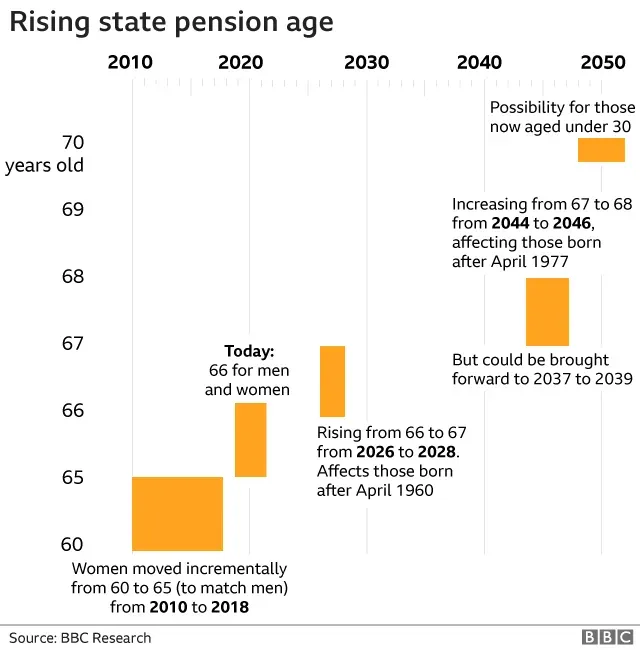
Recent UK pension updates indicate an increase in the state pension age, which is currently rising from 66 to 67 years. This change is being implemented gradually and is influenced by life expectancy trends. It’s crucial to stay informed about your state pension age to effectively plan for your retirement.
How do changes in National Insurance contributions affect my state pension?
Changes in National Insurance contributions directly impact your state pension benefits. To qualify for the full new state pension, you need a minimum number of qualifying years of contributions. Regularly checking your National Insurance records will help you understand your contributions and projected pension payouts.
Where can I find reliable state pension advice amid recent UK pension changes?
For reliable state pension advice, consider visiting the official UK government website or consulting with a qualified financial advisor. These resources can provide insights into navigating recent UK pension changes and how they affect your retirement planning.
How can I better navigate the UK state pension changes to secure my financial future?
To navigate the UK state pension changes effectively, check your National Insurance contributions, use the state pension forecast tool, explore additional pension schemes, and stay informed about policy changes. Being proactive in these areas will help you secure financial stability in retirement.
What should I do if I don’t qualify for the full state pension due to recent changes?
If you do not qualify for the full state pension due to changes in eligibility, you may still receive a reduced pension or might be eligible for alternative financial assistance through means-tested benefits. It’s advisable to seek guidance on the options available to you.
Is deferring my state pension a beneficial strategy following recent UK pension updates?
Yes, deferring your state pension can be a beneficial strategy, especially after recent UK pension updates. By delaying your pension payments, you could receive higher future payments, enhancing your financial security in retirement if you’re able to wait longer before claiming.
| Key Aspect | Description |
|---|---|
| New Rates and Payments | As of April 2023, the full new state pension rate is £203.85 per week, contingent on National Insurance contributions. |
| Transition to New Pension System | Individuals reaching pension age after April 6, 2016, may receive different pension amounts based on contributions. |
| Changes in Pension Age | The state pension age is gradually increasing from 66 to 67 years, with further rises expected based on life expectancy. |
| Tips for Navigating Changes | Check National Insurance contributions, use the state pension forecast tool, consider additional pension options, stay informed, and seek financial advice. |
Summary
UK state pension changes have introduced several critical updates that can impact your retirement planning significantly. Understanding the newly adjusted pension rates, the transition from the old pension system, and alterations to pension age are essential for anyone approaching retirement. By proactively checking your National Insurance contributions and using government resources like the state pension forecast tool, you can better prepare for your financial future. Additionally, exploring supplemental pensions and staying informed about ongoing policy changes are prudent steps to ensure your retirement is secure. Consulting with a financial advisor can also provide tailored strategies suited to your unique circumstances. The landscape of the UK state pension continues to evolve, making it ever more important for individuals to stay engaged and informed.