Listen to this article
UK mortgage rates play a pivotal role in determining the cost of your home over time, making them a critical aspect for any prospective homeowner in the UK. By understanding these rates, along with the various options available, you can significantly impact your financial future. Seeking the best mortgage deals in the UK requires keen awareness of current market trends and the influence of factors such as credit scores and deposit amounts. As we explore different types of mortgages, including fixed vs variable rates in the UK, you’ll gain insights into how to make informed choices. This guide aims to equip you with essential mortgage tips and techniques for effective mortgage comparisons, helping you secure a favorable rate.
When contemplating home financing in the United Kingdom, exploring housing loan interest rates is essential for understanding the overall investment. These lending rates dictate the monthly payments associated with property purchases and are influenced by a multitude of factors from lender policies to economic conditions. Whether it’s finding the most competitive home loan offers or navigating between fixed and variable interest options, having a clear grasp of these concepts is indispensable. This introduction to loan rates will help clarify the landscape of mortgage financing in the UK, providing you with the knowledge needed to approach potential deals with confidence.
Understanding the Importance of UK Mortgage Rates
UK mortgage rates are a pivotal aspect of the home-buying process, playing a significant role in determining the total cost of your mortgage. Whether you are a first-time buyer or looking to remortgage, understanding the rates available can help you make informed financial decisions. Mortgage rates in the UK vary depending on a multitude of factors, including market conditions and individual borrower profiles, making it essential to stay updated on current trends.
In essence, mortgage rates dictate not just your monthly payments but also the overall investment in your property. With a competitive UK mortgage rate, you can potentially save thousands over the life of your loan, highlighting the importance of thorough market research. To secure the best mortgage deals, familiarize yourself with the components that influence these rates, and ensure that you are preparing adequately before approaching lenders.
Types of Mortgages: Fixed vs Variable Rates in the UK
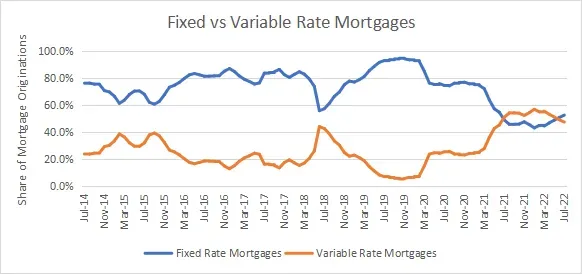
When evaluating mortgage options in the UK, it is crucial to understand the differences between fixed-rate and variable-rate mortgages. Fixed-rate mortgages offer the security of unchanging payments over a specified term, allowing borrowers to budget confidently without worrying about market fluctuations. Conversely, variable-rate mortgages can provide lower initial rates but come with inherent risks, especially during times of economic uncertainty where fluctuating rates could lead to significantly higher payments.
Moreover, it is essential to consider your personal financial situation and long-term plans when choosing between these mortgage types. If you prefer stability and predictability, fixed-rate mortgages might be the ideal choice. However, if you’re open to taking risks and potentially lowering your initial costs, a variable-rate option might be more suitable. Understanding these core differences is key in making an informed mortgage comparison.
Key Factors Influencing Mortgage Rates in the UK
Several critical factors can influence the mortgage rates you encounter when shopping for a home in the UK. A defining element is your credit score. This numerical representation of your creditworthiness affects how lenders view your application. Higher credit scores typically grant access to better rates, allowing potential homebuyers to secure more affordable options. Thus, before seeking a mortgage, it’s advisable to analyze your credit report and address any discrepancies.
In addition to credit scores, the size of your deposit plays a significant role in determining the mortgage rates you qualify for. Generally, a larger deposit reduces the lender’s risk, leading to more favourable rates. It’s also vital to consider the loan-to-value (LTV) ratio; a lower LTV indicates you are less likely to default, making you a more attractive candidate to lenders. A comprehensive understanding of these factors can significantly enhance your chances of securing the best deal.
Tips for Securing the Best Mortgage Deals in the UK
Navigating the mortgage landscape can often be overwhelming, but employing effective strategies can simplify the process. One key tip is to shop around and compare different mortgages from various lenders. Each lender has its own rates and fees, so taking the time to search for the best deals will ensure you don’t leave any potential savings on the table. Additionally, utilising a mortgage comparison tool can streamline this process by allowing you to see multiple options side by side.
Another valuable tip is to get a mortgage in principle, which demonstrates to potential sellers that you are a serious buyer and know your budget. This proactive approach not only boosts your chances during the negotiating process but can also expedite the overall home-buying journey. Combining thorough research, using mortgage brokers, and getting pre-approved will empower you to make confident decisions throughout this significant investment.
The Role of Mortgage Brokers in Finding Competitive Rates
Mortgage brokers serve as intermediaries between homebuyers and lenders, streamlining the process of finding competitive mortgage rates. They possess extensive knowledge of the mortgage market and can provide access to exclusive deals that may not be available to the public. Brokers can help identify the best mortgage products suited to your needs, whether you are looking for fixed or variable rates, thus saving you significant time and effort.
Furthermore, a good mortgage broker can offer tailored advice based on your financial situation, helping you make informed decisions. They also assist with the complex paperwork involved in securing a mortgage, ensuring that you meet all necessary requirements. Overall, using a mortgage broker not only enhances your chances of finding the best mortgage deals in the UK but also offers invaluable guidance throughout the mortgage application process.
How Economic Conditions Affect Mortgage Rates in the UK
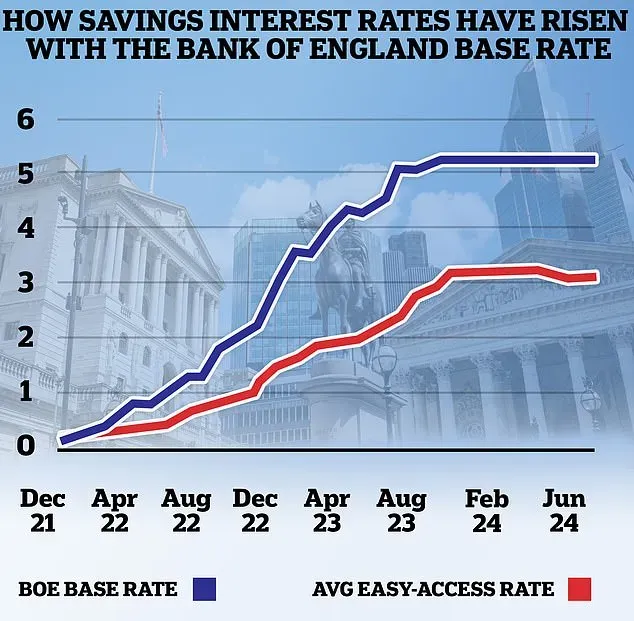
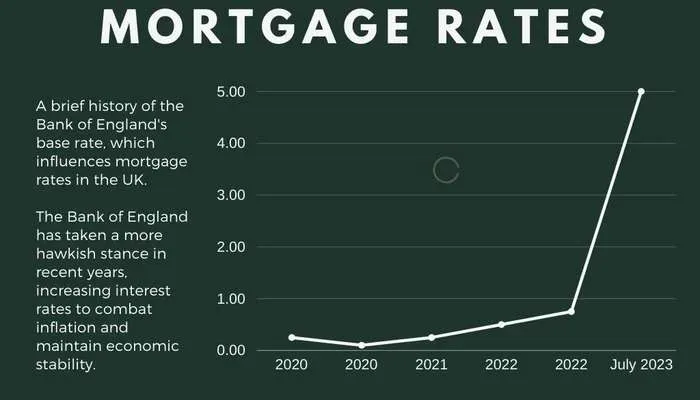
Economic conditions have a direct impact on mortgage rates in the UK, influencing everything from borrowing costs to lender risk assessments. When the economy is thriving, mortgage rates may rise as demand for loans increases, leading to higher interest charges. Conversely, during economic downturns or recessions, central banks often lower interest rates to stimulate borrowing and spending, which can lead to diminished mortgage rates.
Additionally, inflation is a crucial element that can drive rates up as central banks act to cool an overheating economy. Understanding these economic signals is vital for potential homebuyers, as it allows them to time their mortgage applications effectively. By paying attention to economic trends, borrowers can position themselves strategically, potentially locking in lower rates during periods of economic stability.
Frequently Asked Questions
What are the current UK mortgage rates and how can I find the best mortgage deals?
Current UK mortgage rates vary based on factors such as the type of mortgage and lender. To find the best mortgage deals, compare rates from different lenders, consider using a mortgage broker, and review your credit score to qualify for competitive offers.
How do fixed vs variable rates UK impact monthly mortgage payments?
Fixed rates in the UK provide predictable monthly payments as they remain the same throughout the mortgage term. In contrast, variable rates can change with market conditions, leading to fluctuating payments which can either save or cost you more over time.
What tips should I follow for understanding mortgage rates before applying?
To understand mortgage rates effectively, examine your credit report, compare various lenders’ offerings, consider different types of rates (fixed, variable), and factor in your deposit size. Always aim to secure a mortgage in principle to better gauge your budget before applying.
What factors influence UK mortgage rates when applying for a home loan?
Several factors influence UK mortgage rates, including your credit score, the size of your deposit, the loan-to-value (LTV) ratio, and current economic conditions. A higher credit score and larger deposits generally lead to better rates.
How can I use mortgage comparison tools to secure the best mortgage rates?
Using mortgage comparison tools allows you to evaluate rates, fees, and terms from multiple lenders side-by-side. This is a crucial step in identifying the best mortgage deals in the UK tailored to your financial situation.
Can locking in a mortgage rate help me secure better mortgage offers in the UK?
Yes, locking in a mortgage rate can protect you from potential future interest rate increases while your mortgage application is processed. This can be particularly beneficial in a rising rate environment, ensuring you secure a favorable deal.
| Aspect | Details |
|---|---|
| What are Mortgage Rates? | Interest charges expressed as a percentage of the loan amount. |
| Types of Mortgage Rates | 1. Fixed-Rate Mortgages: Constant rates for a specified term. 2. Variable-Rate Mortgages: Fluctuate based on the base rate. 3. Tracker Mortgages: Track the Bank of England’s base rate. 4. Discounted Variable Rates: Lower than SVR for a fixed period. 5. Capped Rate Mortgages: Cap on how high the rate can rise. |
| Factors Influencing Rates | – Credit Score – Deposit Size – Loan-to-Value Ratio (LTV) – Economic Conditions |
| Tips for Securing the Best Deal | 1. Shop Around 2. Check Your Credit Report 3. Get a Mortgage in Principle 4. Consider Different Types 5. Use a Mortgage Broker 6. Lock in Your Rate 7. Negotiate Fees |
Summary
UK mortgage rates are a critical aspect of the home buying process, influencing the affordability of your property purchase over time. Understanding the various types of mortgage rates—such as fixed, variable, and tracker—along with the factors that impact these rates, can help potential homeowners make informed decisions. By exploring financial options and knowing how to negotiate for better terms, individuals can secure a mortgage deal that suits their needs. Remember to conduct thorough research and consider enlisting the help of mortgage professionals to navigate this complex financial landscape effectively.