Listen to this article
UK mortgage rates are currently a hot topic as potential homebuyers navigate the complexities of the ever-changing housing market. With interest rates on the rise and various economic indicators fluctuating, understanding how these rates will evolve in 2024 is crucial for those looking to purchase property. Predictions suggest a potential increase in costs, driven by inflation trends and policy changes from the Bank of England. As buyers prepare for their journey, insights into fixed vs variable mortgage rates will be essential for making informed decisions. This article aims to shed light on the future of UK mortgage rates, providing key predictions and trends that will shape the landscape for home purchasers.
In the commentary on UK financing for real estate, specifically regarding lending rates, urgency and clarity are important for prospective homeowners. The evolving dynamics of interest financing in the UK housing sector not only affect affordability but also dictate the strategic choices available to buyers. As we look ahead to 2024, discerning between options such as fixed and adjustable rates is becoming an essential exercise for consumers. Upcoming financial forecasts emphasize the significance of economic stability and inflation control in shaping these lending rates. Therefore, anyone considering a property investment must stay informed about these developments to navigate the complexities effectively.
The Current Landscape of UK Mortgage Rates
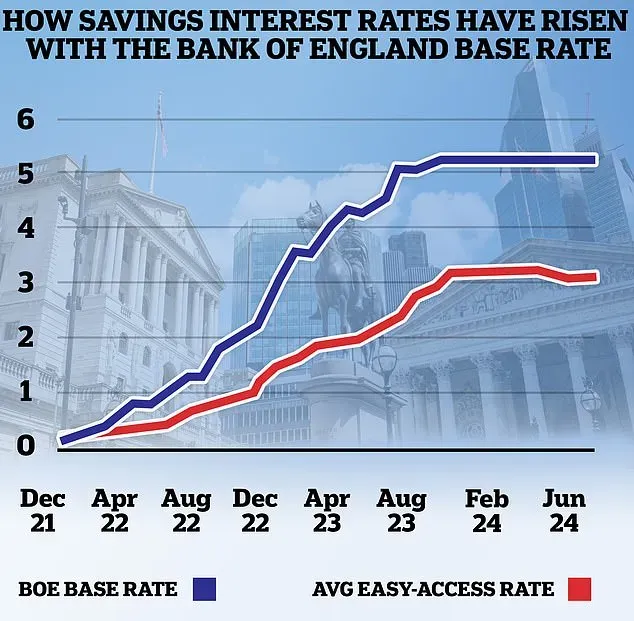
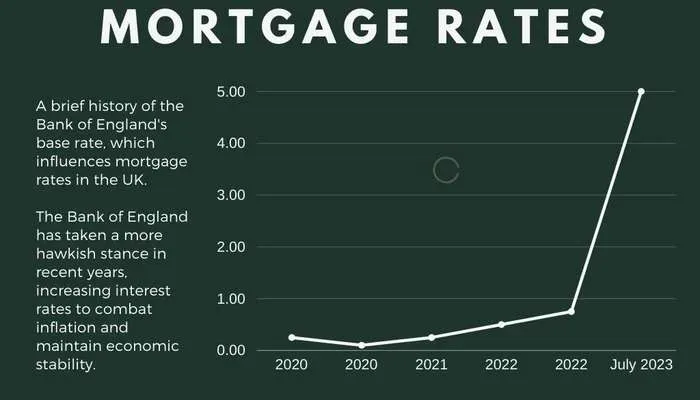
In late 2023, UK mortgage rates present a challenging environment for potential homebuyers. The ongoing adjustments by the Bank of England, particularly concerning the base rate, play a pivotal role in determining mortgage costs. As rates hover around 5%, lenders react by adjusting their offers on both fixed and variable rate products, which can vary significantly based on borrower profiles. Buyers need to be aware that this landscape is dynamic, and factors such as competition among lenders and individual creditworthiness can lead to varying outcomes in what rates are ultimately available.
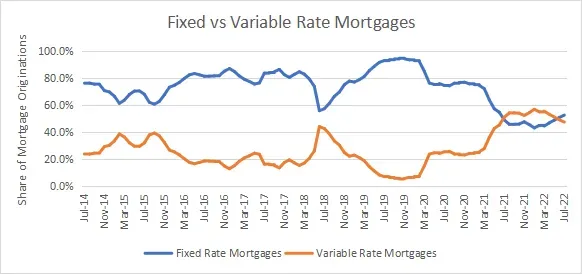
The differentiation between fixed and variable mortgage rates is increasingly apparent in this climate. Fixed-rate mortgages may offer stability against a backdrop of potential future rate increases, but borrowers should evaluate their long-term plans before committing. On the other hand, variable rates, which are currently more enticing due to lower initial rates, come with inherent risks if inflation continues to affect the economic environment. As such, consumers must weigh these options carefully in light of their financial situations and future housing plans.
Predictions for Mortgage Interest Rates in 2024
Experts are predicting a marginal increase in fixed mortgage rates throughout 2024. Analysis suggests that these rates could climb towards the 6% mark for prime borrowers, primarily in response to ongoing tightening measures by the Bank of England as it attempts to control inflation. Such forecasted rises underline the importance for potential buyers to act swiftly in the market. Buyers hoping to secure a mortgage should consider locking in current rates through pre-approval, especially if they anticipate higher costs in the future.
Conversely, variable mortgage rates are projected to remain competitive in the early part of 2024, providing a lower-cost option for many. This trend suggests that while fixed rates may stabilize or rise, variable rates could offer an attractive entry point for buyers who are comfortable with short-term fluctuations. This environment emphasizes the need for diligent market monitoring and strategic planning to find the best financial solutions tailored to individual circumstances.
Understanding Fixed vs Variable Mortgage Rates
The choice between fixed and variable mortgage rates is an essential consideration for anyone entering the UK housing market. A fixed-rate mortgage offers the certainty of stable repayments over the term of the loan, which can be particularly advantageous during periods of inflation or economic uncertainty. For buyers looking to mitigate risk, locking in a fixed rate now could prevent higher payments in the future as rates rise. These loans are ideal for those who plan to stay in their home for an extended period.
In contrast, variable-rate mortgages may initially offer lower payments, making them appealing to budget-conscious buyers. However, they are subject to change as interest rates fluctuate, which can lead to increased costs over time. Consumers must assess their risk tolerance and financial stability when considering this option. Borrowing during economically tumultuous times can be unpredictable, and understanding the potential long-term impacts of these choices is vital for making informed decisions in the current market.
Impact of Inflation on Mortgage Markets
Inflation remains a significant driver in shaping the UK mortgage landscape. The Bank of England’s approach to controlling inflation—including potential further interest rate hikes—will directly impact mortgage interest rates throughout 2024. As prices climb, the pressure to raise the base rate could mean that future mortgage deals come at a higher cost, making it crucial for prospective buyers to be mindful of these trends. Those looking to buy a home should keep close attention on economic indicators to gauge the direction of rates.
For homeowners and buyers alike, managing the impact of inflation on mortgage repayments is key. Options like pre-approval can provide financial security and allow individuals to make strategic decisions on timing their purchases relative to fluctuating rates. Given the interconnected nature of economic factors influencing loan costs, adopting an informed and proactive approach will serve buyers well as they navigate potential increases in mortgage costs associated with inflation.
Government Policies and Their Effect on Home Buying
The government plays a critical role in shaping the housing market through various policies that can influence mortgage rates and availability. Recent initiatives aimed at assisting first-time buyers reflect a broader strategy to stimulate housing purchases in the UK. By evaluating these policies, prospective homeowners can identify opportunities for financial assistance, which can make a difference in a highly competitive market. Understanding how subsidies and grants work can empower buyers to secure better mortgage terms.
Changes in housing policies also signal potential shifts in future mortgage rates. As the government strives to support growth in the UK housing market, these movements can have significant ripple effects on lenders who may adjust their offerings accordingly. Buyers must remain vigilant to adapt to these changes, ensuring they optimize the financial resources available to them. Staying informed about policy updates will aid in making educated decisions about the timing and type of mortgage fitting their needs.
Strategies for Buying a Home in the Current Market
With the UK housing market shifting rapidly, potential buyers must adopt strategic approaches to secure their future homes effectively. Securing pre-approval for a mortgage should be one of the first steps for buyers, as it not only clarifies budget capabilities but also acts as a safeguard against rising rates. Being pre-approved helps to streamline the buying process, allowing home hunters to pursue properties with confidence and potentially negotiate from a position of strength.
Additionally, considering longer fixed-term mortgages now might be wise for those anticipating rising interest rates. Even if the rates are higher at the outset, locking in a long-term fixed rate can ultimately yield savings compared to variable options that may escalate significantly in the near future. Remaining informed on rate predictions and engaging with knowledgeable mortgage brokers can provide insights tailored to individual circumstances, ensuring that buyers make the best possible decision in an evolving market.
Frequently Asked Questions
What are the current UK mortgage rates and how might they change?
As of late 2023, UK mortgage rates are influenced by the Bank of England’s base rate, which is around 5%. Predictions indicate a slight increase in fixed rates towards 6% by mid-2024, while variable options may provide lower initial rates. Keeping informed about these changes is vital for anyone looking to buy a home in the UK.
How do interest rates in the UK affect my mortgage decisions?
Interest rates in the UK directly impact mortgage rates. Higher interest rates generally translate to higher mortgage costs, which affects affordability for homebuyers. If you’re considering buying a home, being aware of the current and predicted interest rates can aid in making more informed mortgage choices.
What should potential buyers know about fixed vs variable mortgage rates in the UK?
Potential buyers should weigh the benefits of fixed vs variable mortgage rates. Fixed rates offer stability against market fluctuations, while variable rates could start lower but may increase over time. With current predictions indicating slight increases in fixed rates in 2024, understanding your financial situation is crucial in making the right decision.
How will inflation trends impact UK mortgage rates in 2024?
Inflation trends are a significant factor influencing UK mortgage rates. If inflation rates persist or rise, further increases in the Bank of England’s base rate are likely, which would elevate mortgage rates. For prospective buyers, staying attuned to inflation trends will be essential in planning your home purchase.
What role does the UK housing market play in determining mortgage rates?
The UK housing market plays a crucial role in determining mortgage rates, as supply and demand dynamics can influence lenders’ pricing strategies. A competitive housing market may lead to more favorable mortgage rates, while economic growth and buyer sentiment can also impact overall costs. Keeping an eye on housing trends is important for potential buyers.
What mortgage predictions for 2024 should first-time buyers consider?
First-time buyers should consider that mortgage predictions for 2024 suggest a stabilization of rates post-peak, with slight increases in fixed rates and attractive variable options. Engaging with a mortgage broker and getting pre-approved can provide valuable insights and better access to suitable mortgage products amidst these predicted changes.
| Key Point | Details |
|---|---|
| Mortgage Rates and Their Importance | Mortgage rates significantly influence total payment for any home loan. |
| Factors Affecting Mortgage Rates | 1. Bank of England’s Base Rate 2. Lender Competition 3. Borrower Credit Profiles. |
| Current Rates (Late 2023) | – Base rate around 5% – Fixed rates between 4%-6% – Attractive variable-rate options. |
| Key Influences on Future Rates | 1. Inflation Trends 2. Economic Growth 3. Government Policy 4. Global Market Trends. |
| Future Rate Predictions | – Fixed rates may reach 6% by mid-2024. – Rates may stabilize late 2024. – Variable rates may provide lower initial offers. |
| Insights for Potential Buyers | – Seek mortgage pre-approval – Consider longer fixed terms – Stay informed on market trends – Consult a mortgage broker. |
Summary
UK mortgage rates are crucial to understand for potential homebuyers in today’s economic climate. With fluctuations in inflation and interest rates, the landscape of UK mortgage rates is likely to evolve, making it essential for buyers to stay informed and adopt strategic approaches. As we look ahead to 2024, slight increases in fixed rates are anticipated, coupled with potential stabilization as the market adjusts. Buyers are encouraged to prepare now by seeking pre-approvals, considering fixed terms, and consulting with mortgage professionals to ensure they secure the most advantageous deals.