Listen to this article
Middle East news today reveals a complex tapestry of events that shape both the local and global landscape. As tensions rise amidst geopolitical shifts in the region, understanding the unfolding stories is more crucial than ever. From the ongoing Israel-Palestine conflict, which continues to spark international concern, to the evolving dynamics within the Gulf Cooperation Council, the interplay of Middle East politics is tightly woven with global implications. Additionally, developments in Iran’s nuclear talks carry significant weight, influencing not only regional security but also the Middle East economy as countries strive for recovery post-pandemic. With social movements advocating for human rights in the Middle East gaining momentum, being attuned to these issues helps inform not just discussions but also investment decisions in a rapidly evolving environment.
Current events from the Middle Eastern region illustrate the undercurrents of political, social, and economic shifts that can have widespread repercussions. As tensions simmer in various hotspots, including the infamous clashes tied to the Israeli-Palestinian relationship, global stakeholders are again drawn into the conversation. Meanwhile, the collaborative efforts within the Gulf Cooperation Council reflect the region’s strategic importance amid increasing diplomatic challenges. Additionally, as the negotiations surrounding Iran’s contentious nuclear program evolve, observers are keenly aware of the potential impacts on international relations. Enhanced awareness of human rights issues further complicates the narrative, making it essential for individuals and organizations to engage proactively with these pressing matters.
Middle East News Today: Key Political Developments
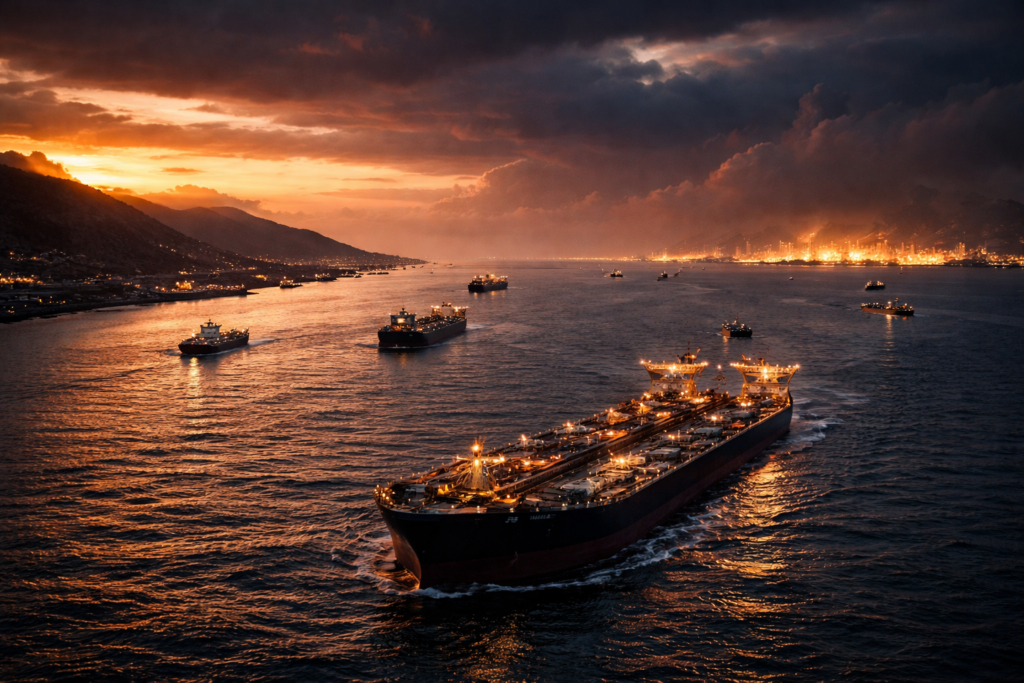
In the landscape of Middle East politics, daily updates are crucial to understanding the shifting dynamics among nations. As tensions rise and fall within the region, particularly within the Gulf Cooperation Council (GCC), proactive engagement with current affairs ensures that stakeholders remain informed. Recent conflicts over oil production quotas have underscored the fragility of alliances, prompting nations to reassess their diplomatic strategies and engage in collaborative dialogues aimed at mitigating disputes.
Moreover, the geopolitical pressures faced by GCC countries create ripple effects that extend beyond their borders, influencing international markets and foreign investment decisions. Investors should pay keen attention to Middle East news today, as developments in political relations can precipitate fluctuations in oil prices and alter economic forecasts globally. Understanding these interconnections will help businesses strategize and plan for potential impacts on their operations.
The Renewed Israel-Palestine Conflict: Implications for Peace
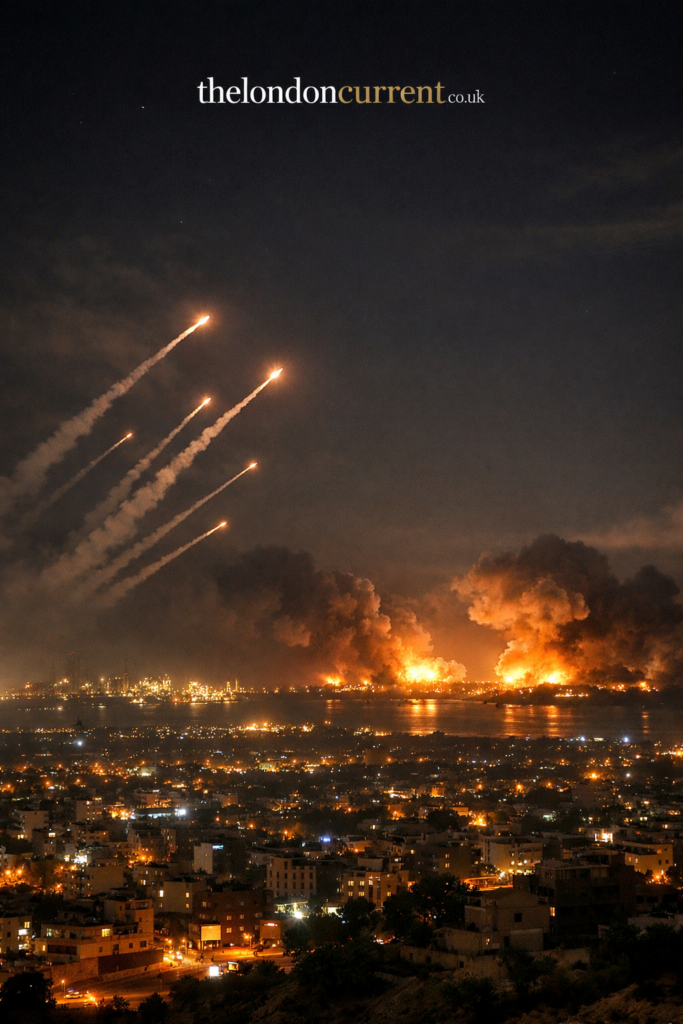
The Israel-Palestine conflict remains one of the most complex issues in Middle East politics, with current escalations heightening fears of a broader outbreak of violence. Recent street protests, military responses, and retaliatory actions serve as stark reminders of the ongoing humanitarian crises that affect thousands of lives in the region. International calls for peace and negotiations come amid a backdrop of escalating tensions, highlighting the urgent need for diplomatic efforts to achieve lasting stability.
Understanding the current landscape of the Israel-Palestine conflict is essential not only for regional stakeholders but also for global observers, as the tensions have significant implications for international relations. For businesses and governments, engaging with this conflict carries inherent risks that could affect investment decisions and strategic partnerships. As the world watches events unfold, a well-informed perspective is critical for navigating future engagements.
Iran Nuclear Talks: A Critical Turning Point
The ongoing discussions around Iran’s nuclear program represent a pivotal moment in not just the Middle East, but in international security as a whole. As Iranian officials express a willingness to engage in negotiations, the response from Western powers remains cautious, emphasizing the need for transparent agreements that limit nuclear capabilities. This complex interplay of diplomacy shapes the economic and security landscape of the region.
The potential outcomes of these talks have broad-ranging consequences that affect various sectors, particularly energy markets. Should an agreement be reached, it could alleviate economic sanctions and foster new investment opportunities in Iran, revitalizing its economy. Conversely, a breakdown in negotiations could exacerbate tensions and lead to increased instability, impacting not only Iran but surrounding nations and global markets as well.
Economic Recovery in the Middle East: Emerging Opportunities
As countries in the Middle East emerge from the economic downturn caused by the COVID-19 pandemic, efforts to diversify economies are in high gear. The UAE and Saudi Arabia, in particular, are leading the charge by investing in technology, renewable energy, and tourism sectors. Recent economic indicators suggest a rebound, allowing businesses to explore new avenues for growth and collaboration in these dynamic markets.
This recovery phase is pivotal for the Middle East’s economic future, as nations strive to attract foreign investments while enhancing infrastructure and technology sectors. Investors looking at the region must remain cognizant of these shifts and consider how their operations can align with ongoing reforms. Engaging with local markets offers not only opportunities for profit but also the chance to contribute to sustainable economic growth post-pandemic.
Human Rights Movements in the Middle East: A Social Awakening
Recent social movements across the Middle East have sparked renewed discussions about human rights and democratic reforms. Activism, often bolstered by the power of social media, has raised awareness of critical issues, leading to protests that challenge authoritarian governance. This shift in public consciousness indicates a growing demand for accountability and justice, reflecting a wider societal desire for change.
The impact of these movements is profound, as they not only influence public policy but also shape international perceptions of the region. Governments that choose to prioritize human rights and reform may find themselves attracting foreign investment and bolstering tourism, while those that resist change might face economic isolation and sanctions. Understanding these dynamics is crucial for stakeholders and analysts alike, as they navigate the evolving political landscape of the Middle East.
Frequently Asked Questions
What are the latest updates on the Israel Palestine conflict in Middle East news today?
Today, the Israel-Palestine conflict remains at the forefront of Middle East news, with reports of renewed violence and military engagements. International calls for a ceasefire are growing amid fears that these clashes could escalate further, impacting regional stability and humanitarian conditions.
How are Gulf Cooperation Council tensions affecting Middle East politics today?
Current tensions in the Gulf Cooperation Council (GCC) are significantly influencing Middle East politics. Dispute over oil production and security concerns are generating heightened political activity, making it vital for global investors to monitor these developments closely as they could affect oil prices and economic conditions.
What is the current status of the Iran nuclear talks in Middle East news today?
Recent reports indicate that while Iran is open to resuming negotiations on its nuclear program, skepticism remains among Western powers. The ongoing dialogue is crucial for Middle East stability and could have essential implications for international security and economic interests.
How is the Middle East economy recovering post-pandemic, according to today’s news?
Today’s news highlights a positive trend in the Middle East economy, with countries like the UAE and Saudi Arabia diversifying their sectors and reporting growth. This economic recovery is creating fresh opportunities for investors and businesses looking to collaborate in emerging markets.
What are the latest developments regarding human rights in the Middle East, as seen in today’s news?
Middle East news today reflects a rising awareness of human rights issues, with increased protests demanding reforms. This social unrest underscores a critical dynamic in the region, as governments face both internal pressures and international scrutiny regarding their human rights practices.
| Key Points | Details |
|---|---|
| Political Tensions in the GCC Region | Escalating tensions, disputes over oil production, and maritime security. Recent summit focused on de-escalation and economic cooperation. |
| Israel-Palestine Relations: A Renewed Surge of Violence | Recent clashes increasing fears of broader conflict. International calls for ceasefire and diplomatic resolutions. |
| Iran’s Nuclear Program Updates | Negotiations ongoing with skepticism. Developments could impact global oil markets and international security. |
| Economic Recovery Post-Pandemic | UAE and Saudi Arabia focusing on economic diversification, positive GDP growth signals opportunities for investment. |
| Social Movements and Human Rights | Protests for democratic reforms are rising. Human rights awareness could influence foreign investments and tourism. |
| Climate Change Initiatives | Middle Eastern nations improving sustainability efforts. UAE leading in renewable energy investments and climate technology discussions. |
Summary
Middle East news today reveals a complex interplay of political, social, and economic dynamics that are crucial for understanding the region’s future. With rising political tensions in the GCC and a renewed surge of violence in the Israel-Palestine conflict, the need for vigilant awareness has never been more significant. Furthermore, Iran’s nuclear negotiations showcase the delicate balance of international relations, and nations across the Middle East are working diligently to revitalize their economies post-pandemic. Social movements advocating for human rights are also gaining traction, while concerted efforts to address climate change are becoming a priority. Consequently, staying informed about these top stories in Middle East news today is essential for anyone looking to engage meaningfully with the region’s developments.