Listen to this article
The UK state pension represents a critical pillar of financial support for retirees across the nation, providing essential income during their golden years. As we navigate the complexities of retirement planning in the UK, recent state pension changes signal a shift that could substantially impact future recipients. With updates anticipated in response to an aging population and economic pressures, the landscape of state pensions is evolving, making it crucial for individuals to stay informed. Understanding the implications of possible state pension age increases and adjustments to qualifying years will be vital for anyone nearing retirement. This article will explore upcoming reforms, their potential effects on retirees, and the steps that can be taken to enhance preparedness.
In the United Kingdom, older citizens rely heavily on pensions for financial stability in retirement. With an ever-changing economic landscape, the discussion surrounding the future of pensions is becoming increasingly relevant. Recent UK pension updates are prompting serious consideration about how best to prepare for retirement, especially with the looming possibility of rises in the state pension age. Alternatives like personal savings, workplace pensions, and government reforms are essential topics that individuals must consider to safeguard their financial well-being. As reforms are introduced, it becomes important to understand these changes and actively plan for a secure retirement.
Understanding Upcoming UK State Pension Changes
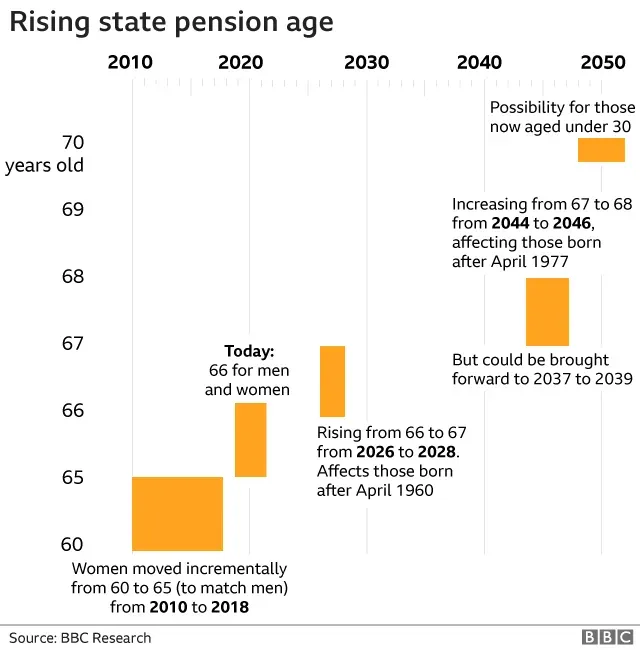
The UK state pension system is on the brink of significant changes that will reshape the financial landscape for future retirees. As we look ahead, it is essential to grasp the impending reforms that could impact the amount and eligibility criteria of the state pension. For instance, proposals to increase the state pension age could mean that individuals born in the 1970s and later may have to wait longer to access their pensions, possibly pushing the age to 68 or beyond.
In addition to potential age increases, the government is considering changes in the contribution structure needed to qualify for the full state pension. Currently, 35 qualifying years of National Insurance contributions are required; however, this number may rise, affecting not just current workers but also those planning their retirement for the coming decades.
Impact of State Pension Age Increases
One of the most significant changes on the horizon is the increase in the state pension age, which is primarily driven by the rising life expectancy in the UK. As people live longer, the government’s obligation to pay pensions for an extended period burdens public finances. Increasing the age at which individuals can start receiving their state pension not only helps alleviate this financial strain but also reflects a broader societal trend where individuals are healthier and more capable of working into their later years.
However, this change has profound implications for retirement planning across the nation. Many individuals may need to adjust their financial strategies, delaying retirement and increasing their contributions to private pensions. Additionally, younger generations might have to adopt a more proactive approach to financial literacy, understanding that the age at which they can reliably access their state pension will differ from their predecessors.
Frequently Asked Questions
What are the upcoming state pension changes in the UK?
The UK state pension is expected to undergo several changes, including a possible increase in the state pension age, adjustments to contribution requirements, the introduction of means testing, and potential modifications to how pensions are indexed. These changes are largely driven by an aging population and the need to ensure financial sustainability.
How will state pension age increases affect future retirees in the UK?
Future retirees in the UK may need to wait longer to receive their state pension due to proposed increases in the state pension age, potentially reaching 68 or higher. This shift is influenced by increased life expectancy and aims to address financial sustainability challenges within the state pension system.
What impact do UK pension updates have on retirement planning?
UK pension updates can significantly influence retirement planning, as individuals may need to adjust their savings strategies in response to potential cuts or changes in state pension benefits. Proactive financial planning, including contributions to private pensions, is advised to mitigate the effects of possible reductions in state pension income.
Is means testing being considered for the UK state pension?
Yes, the UK government is considering introducing means testing for the state pension. This would potentially lead to reduced benefits for higher-income individuals or those with substantial savings, which could create challenges for universal pension access that many rely on.
What does the future of pensions look like in the UK?
The future of pensions in the UK appears uncertain, with potential reforms that may include increasing the state pension age, altering contribution requirements, and changing how pensions are indexed. It’s important for future retirees to stay informed about these developments to ensure proper financial preparedness.
How can I prepare for changes to the UK state pension system?
Preparing for changes to the UK state pension system involves understanding the potential reforms and actively engaging in retirement planning. Individuals should consider increasing their private savings and familiarizing themselves with their pension options to secure a stable financial future in retirement.
| Key Points | Details |
|---|---|
| Current State Pension System | Includes basic state pension and new state pension, based on National Insurance contributions. |
| Full New State Pension Amount (2023) | Approximately £203.85 per week. |
| Aging Population Impact | Increasing proportion of people aged 65+, leading to sustainability concerns. |
| Potential Changes to State Pension | Higher retirement age, increased qualifying years, means testing, and indexation changes. |
| Impact on Future Retirees | Need for proactive financial planning and education on pension options. |
| Government Initiatives | Pension awareness campaigns and enhancements to workplace pensions. |
Summary
The UK state pension is poised for considerable transformation as it navigates demographic shifts and financial sustainability challenges. With an aging population and the potential reforms to the state pension age and contribution requirements, it is crucial for future retirees to stay informed. Planning financially for retirement—beyond relying solely on state provisions—will be essential. Engaging in personal savings and understanding pension options will help mitigate the impact of any changes, ensuring that retirees can secure a comfortable and stable financial future.