Listen to this article
Brexit and UK mortgage rates have become closely intertwined since the moment the United Kingdom voted to leave the European Union in 2016. The seismic shifts in economic conditions post-referendum have dramatically altered the mortgage landscape, creating both opportunities and challenges for homebuyers and property owners. As uncertainties surrounding the Brexit negotiations unfolded, UK mortgage rates faced significant fluctuations, affecting affordability for many prospective homeowners. This article aims to shed light on the Brexit impact on mortgages, elucidating how these developments continue to shape the mortgage market after Brexit. With interest rates delicately balanced amidst external pressures, understanding this complex relationship is crucial for anyone contemplating a property purchase or refinancing.
The phenomenon of the United Kingdom’s exit from the European Union, commonly referred to as Brexit, has cast a wide net of implications across various sectors, particularly in housing finance. The unfolding scenario of leaving the EU has prompted vital questions regarding interest rates and how they interplay with mortgage options for consumers. In particular, the ramifications on the lending environment and potential shifts in financial policies are becoming critical topics of discussion among homeowners and applicants alike. Analyzing how Brexit affects the housing market unveils a tapestry of economic challenges and opportunities that could reshape the trajectory of the mortgage market in the UK. Thus, understanding these dynamics provides essential insights for navigating the current real estate landscape.
The Economic Landscape Post-Brexit
The economic landscape in the UK has undergone significant changes since the Brexit referendum in June 2016. The uncertainty surrounding the departure from the EU has brought about challenges in various sectors, including the mortgage market. Economic indicators, such as GDP growth and consumer confidence, have fluctuated, making it essential for potential homebuyers and investors to stay alert. These shifts in the economy influence the cost of borrowing, which is especially important when considering UK mortgage rates during this turbulent period.
Moreover, the departure from the single market has raised questions about trade relationships with EU countries, leading to speculative shifts in currency value and inflation rates. Such economic indicators play a critical role for lenders as they adjust mortgage offerings to align with emerging economic realities, thus highlighting the importance of understanding the broader economic implications of Brexit on the housing market.
Brexit’s Impact on UK Mortgage Rates
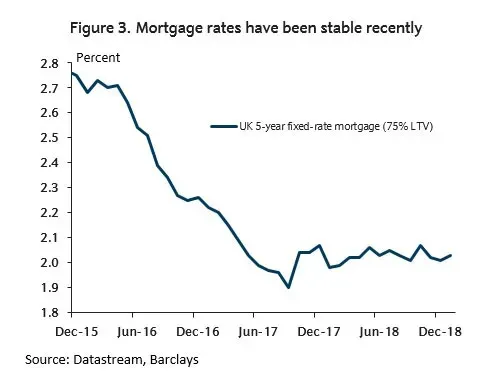
The mortgage market in the UK has seen a roller coaster of changes since the Brexit vote, largely influenced by economic uncertainty and shifting policies. Initially, following the referendum, there was a swift reduction in mortgage rates as lenders attempted to stimulate the housing market amid apprehension. This led to a temporary surge in mortgage applications as many seized the opportunity to secure favorable borrowing conditions. However, the long-term impact of Brexit has not been as straightforward, with fluctuations causing rates to vary significantly across different lenders.
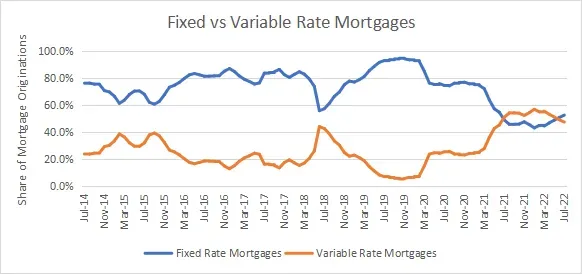
As negotiations continue to unfold, the effects of Brexit on UK mortgage rates remain a pivotal concern for borrowers. Many anticipate higher rates due to potential inflation and the adjustments necessary by the Bank of England to stabilize the economy. This unpredictability emphasizes the need for borrowers to remain vigilant, assess their borrowing options carefully, and consider locking in fixed rates to hedge against possible increases in interest rates as the market reacts to ongoing Brexit developments.
Understanding Inflation and Interest Rates in a Post-Brexit Era
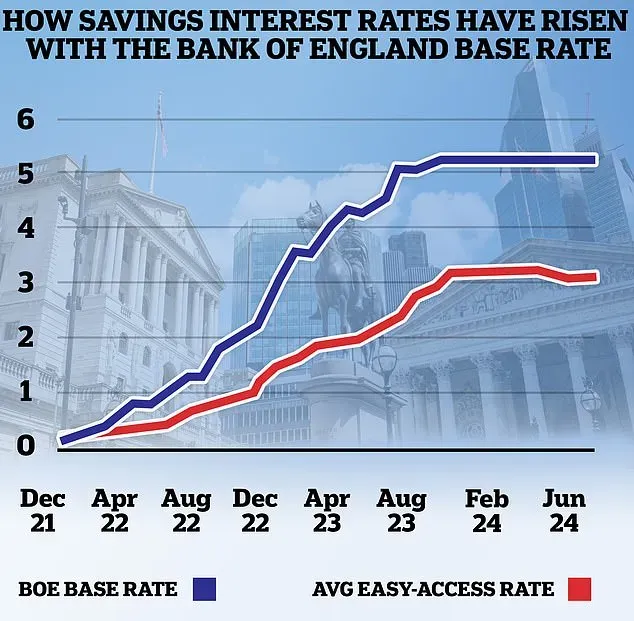
Inflation has emerged as a critical factor in the discussion around mortgage rates following Brexit. The UK has witnessed fluctuating inflation rates, primarily driven by changes in currency value and economic performance. High inflation typically triggers the Bank of England to consider raising interest rates to maintain economic balance, which subsequently affects mortgage costs. Consequently, borrowers must grasp the intricacies of how inflation intertwines with interest rates to understand the landscape better.
Furthermore, the relationship between inflation and mortgage rates is multifaceted. Borrowers with variable-rate mortgages may find themselves particularly susceptible to these shifts. As inflationary pressures persist, the potential for rising interest rates looms large, prompting wise financial planning among homeowners and prospective buyers. Staying informed about inflation trends can help borrowers navigate their mortgage decisions effectively.
Navigating the Mortgage Market in Uncertain Times
During uncertain times, such as those following Brexit, people looking to secure mortgages must approach the market with careful consideration. The volatility in mortgage rates necessitates a comprehensive understanding of market dynamics. Lenders may adopt stricter lending criteria due to perceived risks, making it essential for potential borrowers to present strong applications when seeking loans.
Additionally, the impact of government policies on the housing market can shape lending behaviors. The response to changing regulations post-Brexit may present both opportunities and challenges for borrowers. It’s crucial for individuals to remain proactive, whether through thorough research or seeking guidance from mortgage advisors, ensuring that they are well-positioned to make informed decisions despite the prevailing uncertainty.
The Role of Currency Value in Mortgage Decisions
The value of the British pound post-Brexit has played a pivotal role in shaping mortgage rates. A weak currency often leads to increased import costs, which can trigger inflationary pressures in the economy. As a result, the Bank of England might adjust interest rates to counteract inflation, directly impacting mortgage products. Borrowers need to be aware of currency fluctuations and their implications on overall borrowing costs.
This understanding becomes increasingly crucial for international buyers or those considering properties tied to foreign currencies. They must navigate the complexities of changing exchange rates and consider how these can influence their mortgage options. Being cognizant of the broader economic indicators will help borrowers make strategic financial choices in an unpredictable market.
Preparing for Future Mortgage Rate Fluctuations
In light of ongoing discussions surrounding Brexit and its aftermath, preparing for fluctuations in mortgage rates is vital for existing homeowners and potential buyers alike. As the market adjusts to new regulations and economic realities, borrowers may need to anticipate changes that could affect their borrowing costs. Having a strategy in place, whether through fixed-rate options or careful budgeting, can provide a buffer against unexpected increases.
Additionally, consumers should be equipped to navigate periods of uncertainty with flexibility. This might involve adjusting expectations regarding financing or exploring diverse mortgage products that align better with potential changes in interest rates brought about by the evolving post-Brexit landscape. By proactively planning and monitoring market trends, borrowers can enhance their readiness to respond to dynamic mortgage rate scenarios.
Frequently Asked Questions
How does Brexit impact UK mortgage rates?
Brexit has created significant uncertainty in the UK mortgage market, particularly affecting interest rates. Initially, post-referendum, many lenders reduced mortgage rates to attract borrowers. However, ongoing economic uncertainty, inflation, and potential changes in government policies continue to influence interest rates, often leading to fluctuations that can increase borrowing costs.
What changes have occurred in UK mortgage rates since Brexit?
Since Brexit, UK mortgage rates have experienced volatility. Following the referendum, there was a dip in rates due to the Bank of England’s decision to lower the base interest rate. However, as economic conditions and inflation became more unpredictable, mortgage rates have seen both increases and decreases, reflecting lenders’ cautious approach.
What should homebuyers consider about mortgage rates in a post-Brexit market?
In the post-Brexit market, homebuyers should shop around for competitive mortgage rates and consider fixed-rate options to hedge against potential future increases. Being informed about economic trends and staying updated on Brexit developments can also aid in making better mortgage decisions.
Are fixed-rate mortgages a good option in light of Brexit’s effect on interest rates?
Yes, fixed-rate mortgages can be a good option for borrowers concerned about rising interest rates due to Brexit’s impact. By locking in a rate, borrowers can protect themselves from future fluctuations in the mortgage market, offering stability in uncertain economic times.
How might inflation affect UK mortgage rates following Brexit?
Inflation levels have fluctuated significantly since Brexit, affecting UK mortgage rates. As inflation rises, the Bank of England may increase interest rates to control it, leading to higher mortgage rates. Borrowers should be aware that mortgage costs can rise along with inflation.
What resources are available to understand mortgage market changes after Brexit?
To understand mortgage market changes after Brexit, borrowers can consult financial advisors, research housing and economic reports, and follow news related to Brexit and its implications on the UK economy. These resources can provide insights into current market trends and help navigate mortgage decisions.
| Key Points | Details |
|---|---|
| Impact of Brexit | Brexit has caused significant changes in the UK mortgage market, affecting rates and lending practices. |
| Initial Rate Changes | Mortgage rates dipped after the referendum in 2016 due to economic shocks and a cut in the Bank of England’s base rate. |
| Long-Term Uncertainty | Ongoing uncertainty has made lenders more cautious, leading to potential increases in mortgage rates due to tighter lending criteria. |
| Inflation Effects | Fluctuating inflation affects mortgage rates, potentially leading the Bank of England to increase rates to control inflation. |
| Currency Value Impact | The volatility of the British pound can directly affect mortgage rates through increased costs of imports. |
| Government Policies | Changes in policies due to Brexit can influence lending practices and mortgage rates. |
| Housing Market Dynamics | Uncertainty around Brexit has affected housing supply and demand, impacting mortgage costs. |
| Advice for Borrowers | Prospective buyers should shop around, consider fixed-rate mortgages, stay informed, and be prepared for price fluctuations. |
Summary
Brexit and UK mortgage rates are intricately linked, with the UK’s exit from the EU leading to significant shifts in the mortgage market. The immediate effects post-referendum included a decline in mortgage rates as lenders sought to attract buyers amidst uncertainty. However, as the political landscape continued to evolve, long-term implications arose, characterized by economic uncertainty, inflation, currency fluctuations, changes in government policy, and evolving housing market dynamics. Homebuyers need to stay vigilant, comparing rates, and considering fixed-rate mortgages to shield against potential future increases. Ultimately, understanding these changes is crucial for making informed mortgage decisions in a landscape heavily impacted by Brexit.