
Listen to this article
Charles Dickens clothing holds a captivating allure, offering a glimpse into the flamboyant Victorian fashion that defined one of literature’s most iconic figures. A rare opportunity to see surviving items from Dickens’ personal wardrobe is being showcased at the Charles Dickens Museum, where visitors can explore historic clothing exhibits like his linen shirt collar worn during the final moments of his life. Among the treasures on display are Dickens’ only surviving suit complete with black silk stockings and intricately crafted grooming accessories, including silver razors and a gold locket. This display not only highlights the author’s meticulous attention to style but also reveals how such clothing played a role in his public persona as a distinguished dandy. With each rare Dickens item on show, the museum provides invaluable insight into the unique sartorial choices that accompanied his literary genius.
The clothing of Charles Dickens encapsulates the essence of his character and social standing during the Victorian era. This exhibition at the Charles Dickens Museum features an eclectic mix of Dickens’ attire, personal items, and grooming accoutrements, offering a fascinating insight into the lifestyle of a man who was as much a writer as he was a public figure. The rare garments, including finely detailed accessories and luxurious fabrics, reflect a distinct style that resonates with the broader trends of the time, characterized by bold colors and elaborate designs. Visitors will experience how Dickens’ sartorial choices intersected with his literary output, showcasing the relationship between his clothing and the vibrant world he created in his novels. Overall, this unique display presents a rich narrative of Dickens’ life through the lens of his clothing, inviting audiences to appreciate the deeper stories woven into his fabric.
Exploring Charles Dickens’ Fashion Statements
Charles Dickens’ clothing gives us a vivid glimpse into the flamboyant Victorian fashion of his time. The writer’s unique choices reflect not only his personal style but also the cultural milieu of the 19th century. Known for his dandy-like persona, Dickens often donned elaborate outfits that were the talk of society. His signature look included richly textured fabrics and a variety of waistcoats, which were staples in the wardrobe of a fashionable gentleman. This boutique style not only influenced contemporary fashion but also helped to establish Dickens as a charismatic figure in literary circles.
Among the items on display are some of the rare Dickens items, including his black silk stockings and the only surviving suit that belonged to him. These artifacts are not merely clothing; they embody the essence of a man who transformed the literary world through his keen observations of society. By examining these items, one can understand the significance of clothing in Dickens’ life—a reflection of his social standing, personal taste, and the vibrant spirit of his era.
Charles Dickens Museum: A Treasure Trove of Historic Clothing
The Charles Dickens Museum in Bloomsbury serves as a crucial repository for historic clothing exhibits and artifacts related to the beloved author. Visitors to the museum can engage intimately with Dickens’ legacy through his personal belongings, each telling a story of the literary giant’s life. As the only surviving London home where Dickens lived, the museum provides an immersive experience into his world, showcasing not only his clothing but also items such as silver razors and elegant grooming tools. These personal effects delve into his everyday life and offer insight beyond his renowned novels.
This rare display of Dickens’ clothing is not just about the garments themselves; it’s about what they represent within the context of Dickensian society. The museum captures the eye-catching ensemble that Dickens famously donned at St James’s Palace, allowing visitors to appreciate the intersection of fashion and identity in the Victorian era. Such pieces reinforce the idea that Dickens was not only a literary innovator but also a gentleman of considerable flair.
The Flamboyant Victorian Lifestyle of Charles Dickens
Charles Dickens epitomized the flamboyant lifestyle characteristic of the Victorian elite. His penchant for style is beautifully illustrated in the various portraits and accounts of his clothing choices, which included opulent fabrics and bold colors. This sense of flamboyance was more than vanity; it was a social statement and a reflection of an era that valued appearance as much as substance. The historic clothing exhibited at the Charles Dickens Museum highlights this vibrant lifestyle, reaffirming Dickens’ place as a cultural icon who blended artistry with fashion.
The flamboyant Victorian fashion seen in Dickens’ clothing also speaks to larger social dynamics and norms of the time. Clothing was a means of social mobility and expression, allowing individuals to distinguish themselves within the rigid class structures of Victorian society. Dickens’ bold choices, as described by contemporaries who remarked on his striking displays at public events, illustrate how fashion served as a form of storytelling, marking the transition from aspiring author to celebrated literary figure.
Rare Dickens Items: A Glimpse into the Past
Among the rare Dickens items displayed at the museum is the linen shirt collar he wore during his final hours. This poignant artifact resonates deeply with fans and scholars alike, functioning as a tangible connection to the author’s life. Items such as this collar, alongside his black silk stockings and the silver razors he used daily, weave a narrative that encapsulates the man behind the literary masterpieces. Each piece is a crucial link to the historical context and personal experiences that shaped Dickens’ writings.
Furthermore, the collection of Dickens’ clothing and accessories allows visitors to engage with an intimate portrait of the man who profoundly shaped English literature. Through the lens of historic clothing exhibits, we can trace the traits that fueled his creative genius and influence. These rare items culminate in a unique exploration of Dickens’ identity, as they highlight not only his literary pursuits but also his personal style and social interactions.
The Impact of Dickens’ Personal Style on His Work
Charles Dickens’ clothing was a defining aspect of his public persona, impacting not only how he was perceived but also how he portrayed characters in his novels. His flamboyant Victorian wardrobe, characterized by vibrant colors and intricate fabrics, influenced the descriptions of characters and settings throughout his works. When one considers his illustrative style, it becomes apparent that Dickens’ personal fashion choices informed his character crafting, enriching the vivid worlds he created.
The influence of Dickens’ personal style extended beyond his own wardrobe; it mirrored the societal trends of the time and reflected the archetypes that populate his novels. For instance, the contrasting elements of his attire often paralleled the dualities within his characters—elegance and struggle, wealth and poverty. By embodying such a conspicuous sense of style, Dickens utilized clothing not merely as a means of personal expression but also as a narrative device that enhanced his storytelling.
Portraits of a Dandy: Dickens in the Eyes of His Contemporaries
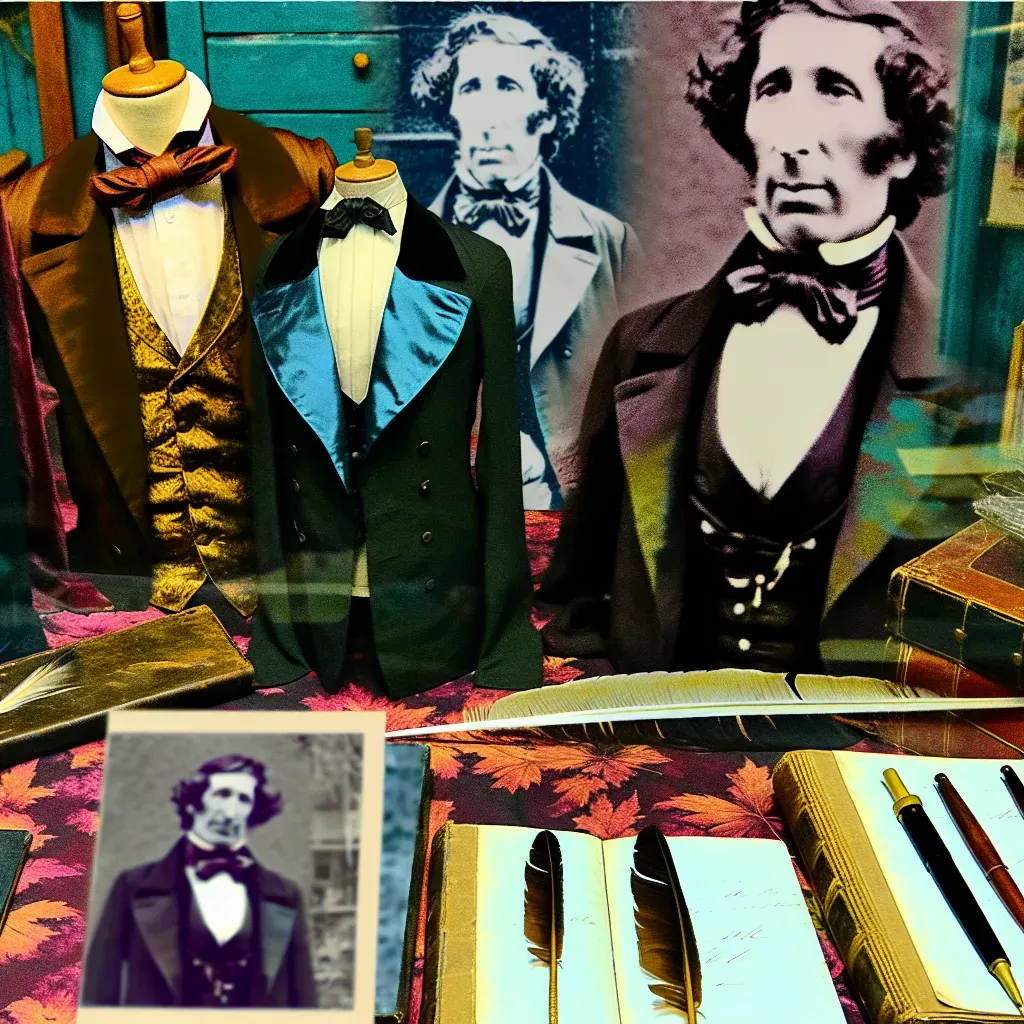
Notable portraits of Charles Dickens capture the essence of his dandyism, showcasing how his clothing choices were perceived by society. From colorized photographs to painted portraits, Dickens is often depicted in eye-catching attire that reflects his vibrant personality and literary stature. One notable image, restored and enhanced for modern audiences, presents Dickens standing confidently, a gold watch in hand, embodying the very spirit of Victorian flamboyance.
The discussions surrounding Dickens’ fashion often included comments from his contemporaries, who viewed his attire as an extension of his character. His vivid descriptions of clothing and setting often emerge in his narratives, reinforced by the elaborate costuming of himself at public receptions or gatherings. This becomes a testament to how clothing shaped not only Dickens’ public identity but also the perceptions that surrounded his literary contributions.
Grooming Habits of a Victorian Gentleman
The grooming habits of Charles Dickens reveal much about the customs and expectations of a Victorian gentleman. Personal grooming was a ritual that reflected both social standing and individual taste, and Dickens’ collection of grooming implements offers insight into his meticulous nature. Items such as silver razors, a perfume bottle, and candle snuffers provide a fascinating glimpse into the daily routines that were part and parcel of a fashionable man’s life in his era.
These grooming items serve as symbols of Dickens’ commitment to presentation and propriety, reinforcing the notion that image was a crucial aspect of life for someone in his social position. The attention to detail in his daily grooming rituals suggests that Dickens was acutely aware of how he wished to be perceived, aligning with the flamboyant style that defined many Victorian gentlemen. Through these personal effects, we gain a greater appreciation for the societal expectations placed upon men of his time.
Charles Dickens: An Icon of Literary and Fashion History
Charles Dickens stands as a figure of remarkable literary significance, but his influence extends beyond the written word to encompass the world of fashion and style. The rare surviving items of his clothing offer a tangible representation of a man who understood the power of image. Dickens’ vibrant and elaborate fashion choices not only contributed to his identity as an author but also positioned him as a cultural icon, blending literature with elements of celebrity.
As the exhibition at the Charles Dickens Museum underscores, costume and character intersected throughout Dickens’ life, making his clothing a crucial aspect of his legacy. Through this lens, we can explore the broader themes of sartorial choice in the Victorian era, ultimately recognizing that Dickens not only shaped stories but also left indelible marks on the fashion history of his time, reaffirming his status as a true dandy of literary genius.
Frequently Asked Questions
What rare surviving clothing items of Charles Dickens are displayed at the Charles Dickens Museum?
The Charles Dickens Museum showcases several rare clothing items, including the linen shirt collar worn by Dickens during his fatal stroke in 1870 and his only surviving black silk stockings from a formal suit. Personal grooming items such as silver razors, a perfume bottle, and a gold locket containing photos are also part of the historic clothing exhibits.
How does Charles Dickens’ clothing reflect his fashion style and personality?
Charles Dickens was known for his flamboyant Victorian fashion, often described as a snappy dresser. Items on display like his striking velvet jackets and the detailed descriptions of his attire during public appearances reveal his dandy-like persona, contrasting with the more austere styles of his time.
Where can I find historic clothing exhibits related to Charles Dickens?
Historic clothing exhibits related to Charles Dickens can be found at the Charles Dickens Museum located at 48 Doughty Street, Bloomsbury, London. This museum is the only surviving house where Dickens lived and offers insights into his clothing and accessories, reflecting his unique style.
What items associated with Charles Dickens’ personal grooming will be on display?
The exhibit includes rare Dickens items related to his personal grooming, such as a set of six silver razors, a perfume bottle, and silver candle snuffers. These items provide a glimpse into the daily life and grooming habits of the author.
Are there any special events or notable items being displayed during the exhibition at the Charles Dickens Museum?
Yes, the Charles Dickens Museum is showcasing a rare display of Dickens’ clothing items, including his famous linen shirt collar and black silk stockings. This exhibition runs from March 11 and offers a unique window into Dickens’ personal style, complemented by a colorized portrait highlighting his distinctive fashion.
What is the significance of the formal suit worn by Charles Dickens during public receptions?
Charles Dickens’s formal suit, which includes the black silk stockings and a fancy dress jacket, showcases his flamboyant Victorian fashion. He wore this to a notable reception at St James’s Palace, illustrating how he embraced dandyism, as described by contemporaries who admired his distinctive and colorful clothing choices.
How did Charles Dickens’ clothing influence his image during his lifetime?
Dickens’ clothing significantly influenced his public image, portraying him as a flamboyant dandy. Eyewitness accounts from his contemporaries, combined with surviving clothing items, paint a portrait of Dickens not just as a literary figure, but also as a man known for his vibrant and stylish appearance, which enhanced his charismatic persona.
| Key Item | Description |
|---|---|
| Linen Shirt Collar | Worn by Dickens during his fatal stroke in 1870. |
| Black Silk Stockings | Part of his only surviving suit, worn to a reception at St James’s Palace. |
| Silver Razors | Set of six used for his daily grooming routine. |
| Perfume Bottle | Used in Dickens’ personal grooming. |
| Gold Locket | Contains photos and locks of hair from Dickens and his son, Henry. |
| Colorized Portrait | Shows Dickens in a flamboyant outfit, originally photographed in 1858. |
| Velvet Jacket | Made especially for a formal occasion, showcasing Dickens’ fashion sense. |
Summary
Charles Dickens clothing is a fascinating aspect of his life, revealing the personal style of one of literature’s greatest figures. The upcoming exhibition at the Charles Dickens Museum showcases rare and personal items that belonged to Dickens, offering a unique glimpse into his flamboyant fashion sense. From the linen shirt collar he wore during his final moments to luxurious velvet jackets and stylish silk stockings, these items highlight Dickens not just as a literary genius but as a man of distinctive taste. This display not only celebrates Dickens’ legacy but also emphasizes how limited the surviving examples of his clothing are, making this exhibition especially precious for fans and historians alike.