Listen to this article
UK state pension changes have become a pivotal topic for many approaching retirement. Recent reforms have significantly altered the state pension age, calculation methods, and benefits such as Pension Credit, impacting countless retirees. Understanding these adjustments is essential to maximizing your state pension and ensuring financial stability in retirement. With annual state pension increases governed by the Triple Lock system and potential tax implications looming, it’s vital for retirees to stay informed. In this article, we will delve into the key changes that could influence your pension benefits and help you navigate this complex landscape.
The alterations to the pension system in the UK, often referred to as pension reforms, encompass a variety of aspects that affect how individuals prepare for their retirement. Among these changes are the elevation of the retirement age and the recalibration of pension calculations, which directly influence the benefits seniors receive. Additionally, adjustments made to supplementary benefits like Pension Credit are crucial for maintaining a stable income in later years. With ongoing increases tied to economic factors and considerations regarding taxation, understanding these reforms is indispensable for effective pension planning. Join us as we explore these significant modifications in detail, allowing you to secure a more reliable financial future.
Understanding the Increasing State Pension Age
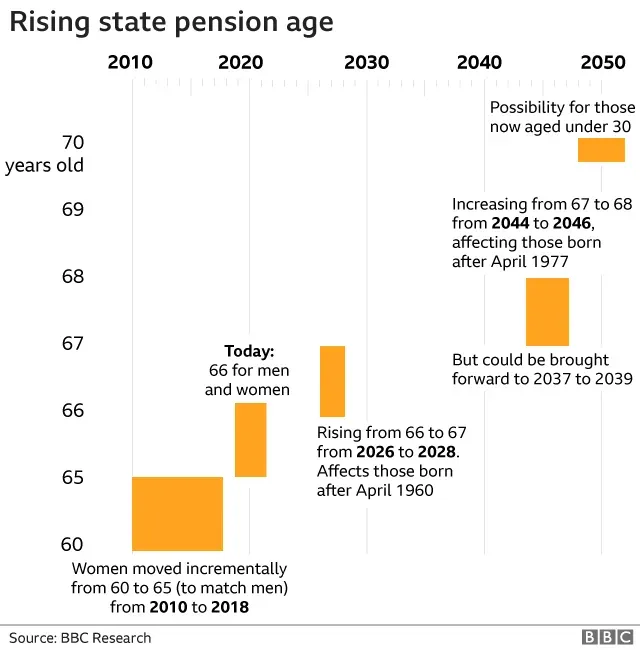
The increasing UK state pension age is a key reform impacting many individuals nearing retirement. As it currently stands, those born after April 1970 will see their state pension age gradually rise to 68. This change, while designed to ensure the sustainability of the pension system, requires careful financial planning for future retirees. It is essential for people to review their retirement timelines and assess how this shift might affect their overall savings and financial strategies.
The implications of an increasing state pension age extend beyond just the individual; they also affect family dynamics and workforce planning. With adulthood stretching further into middle age, individuals may need to remain in the workforce longer. Additionally, this change can create a ripple effect on personal finances, savings strategies, and even potential career shifts well ahead of retirement. Monitoring government announcements regarding these adjustments can provide clarity and aid in planning for a financially secure retirement.
Significant Changes to State Pension Calculation
Recent modifications to the state pension calculation directly impact what individuals can expect to receive upon retirement. With the introduction of the new flat-rate state pension scheme in 2016, the calculation now hinges on an individual’s National Insurance contributions. To qualify for the maximum amount, you must accumulate at least 35 years of contributions, which is a departure from the previous system. It emphasizes the importance of consistent work and contributions throughout one’s career.
Understanding how the state pension is calculated is crucial for retirement planning. Individuals may need to review their employment history and ensure their National Insurance records are complete to maximize their benefits. Additionally, being aware of factors such as the minimum qualifying years and early retirement options can significantly influence the final pension amount. Those who are unsure about their projections should consider seeking guidance from financial advisors or using government tools to estimate their expected state pension.
Updates on Pension Credit Eligibility
Pension Credit has undergone significant reforms, reshaping the financial landscape for low-income pensioners in the UK. As of April 2023, the eligibility age for Pension Credit aligns with the state pension age, now set at 66. This change means that individuals who may have relied on this benefit earlier will now need to adjust their expectations and financial plans. With income thresholds also changing, it’s essential for potential claimants to assess their eligibility.
Moreover, Pension Credit serves as a crucial safety net for those who may find themselves struggling financially post-retirement. Understanding the updated income thresholds is vital, as it can help vulnerable pensioners secure additional financial support. For many, this means not just survival but an improved quality of life during retirement. Regularly reviewing eligibility and ensuring all criteria are met can provide essential assistance in making ends meet.
Examining State Pension Increases and the Triple Lock System
The Triple Lock system is a hallmark of the UK’s state pension increases policy, ensuring that pensions rise annually based on inflation, average wage growth, or a fixed rate of 2.5%, whichever is highest. This system was put in place to safeguard the purchasing power of retirees, and for 2023, the state pension increase was set at a significant 3.1% due to inflation adjustments. Understanding this mechanism is crucial for retirees, as it can directly impact their financial health.
However, discussions surrounding the sustainability of the Triple Lock have raised concerns. Public debates contemplate whether this promise can continue in the years ahead, especially amid economic fluctuations. Such potential changes may affect future retirees’ expectations, making it essential to stay informed about these policy discussions. Being proactive about these shifts can aid in effective retirement planning and ensure individuals are prepared for any new realities.
Navigating the Tax Implications of State Pension
While the state pension provides a vital source of income during retirement, it’s essential to understand the tax implications that come with it. The state pension is considered taxable income and may push retirees above the personal allowance threshold set by the government. In recent years, the personal allowance for income tax has shifted, which can significantly influence how much tax retirees may owe each year.
For many, the added layer of tax considerations is often overlooked when planning retirement finances. Understanding how the state pension fits into the broader context of total income will ensure individuals are prepared for potential tax liabilities. Consulting with a tax professional or financial advisor can provide tailored advice to help navigate these complexities and optimize financial strategies for retirement.
Proactive Steps for Any Changes to UK State Pension
Given the numerous changes impacting the UK state pension, taking proactive steps to prepare for these shifts is essential. Regularly checking official resources regarding state pension age, calculation methods, and benefit eligibility ensures individuals remain informed and can plan accordingly. In light of changes like the rising state pension age, it’s advisable for those nearing retirement to review their savings and investment options periodically.
Additionally, staying connected with financial advisors or pension specialists can help demystify the complex nature of pension planning. This way, retirees can tailor their financial plans to incorporate the implications of state pension adjustments, maximizing their benefits while navigating any potential roadblocks. Proactivity can ultimately lead to a more stable and formidable financial future in retirement.
Frequently Asked Questions
What are the recent changes to the state pension age in the UK?
As of 2023, the UK state pension age is 66, and it is set to rise to 67 by 2028 and 68 by 2037 for those born after April 1970. This increase affects when individuals can start claiming their state pension benefits, so it’s essential for retirees to plan accordingly.
How is the state pension calculation changing under the new rules?
The state pension calculation has changed with the introduction of the flat-rate system in 2016. To qualify for the full new state pension, individuals now need at least 35 years of National Insurance contributions, significantly affecting how future pensions will be determined.
What are the new eligibility requirements for Pension Credit in the UK?
In April 2023, the minimum age to receive Pension Credit was raised to 66, in line with the state pension age. Additionally, the income thresholds for eligibility have been adjusted, making it essential for low-income pensioners to check the current rates.
How often does the UK state pension increase, and what factors determine this?
The UK state pension increases annually based on the Triple Lock system, which guarantees an increase aligned with average earnings, inflation, or 2.5%, whichever is highest. For example, in April 2023, the state pension rose by 3.1%.
What are the tax implications on state pension income in the UK?
Receiving a state pension can have tax implications as it counts towards your total income. Depending on your overall earnings, including the state pension, you may be liable to pay income tax, making it crucial for retirees to understand how this affects their financial situation.
How can I find out my state pension age and benefits based on recent UK state pension changes?
To find out your specific state pension age and potential benefits, visit the official UK government website. It offers resources to check your state pension age and calculate estimates based on your National Insurance contributions and the latest changes.
| Key Points | Details |
|---|---|
| Increasing State Pension Age | The state pension age is rising to 67 by 2028 and 68 by 2037 for those born after April 1970. |
| Changes to the State Pension Calculation | A flat-rate pension system now requires 35 years of National Insurance contributions for full benefits. |
| Pension Credit Reform | Minimum age for Pension Credit raised to 66 with updated income thresholds. |
| State Pension Increases | Pension increased by 3.1% in April 2023 under the Triple Lock system. |
| Tax Implications on State Pension | Understanding your total income is essential as it may affect tax liabilities. |
Summary
UK state pension changes are significant and have far-reaching implications for retirees. With the state pension age increasing, adjustments in pension calculations, and modifications to Pension Credit, it is essential for those approaching retirement to stay informed. Additionally, the annual increases under the Triple Lock and the potential tax liabilities related to pension income cannot be overlooked. By understanding these changes, individuals can better prepare for a financially secure retirement. Always consult authoritative resources or financial advisors to navigate these new regulations effectively.