
Listen to this article
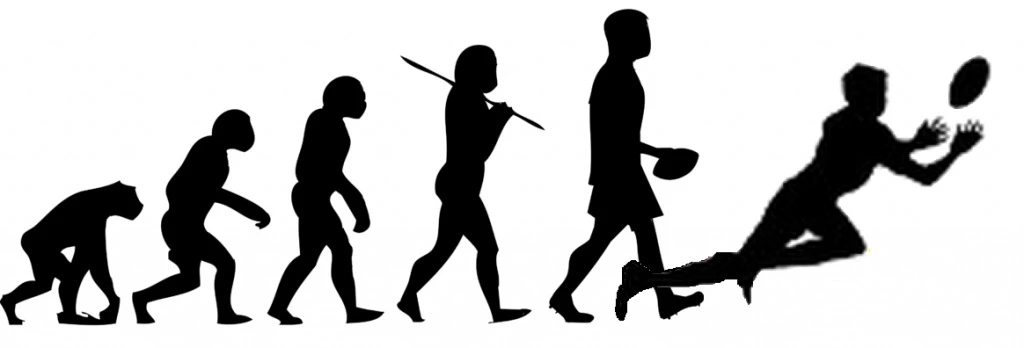
The evolution of sports chronicles humanity’s journey through ancient traditions to the competitive landscapes we see today. From the rituals of ancient sports like the Mesoamerican ballgame to the modern competitions of the Olympic Games, the history of sports reflects not only athletic prowess but also societal values and technological advancements. With the advent of sports technology, athletes today are able to push the boundaries of performance, while spectator experiences are enhanced through media and digital platforms. Furthermore, the rise of eSports highlights a new era where competition spans beyond traditional realms, reshaping sports culture in unprecedented ways. By understanding this evolution, we see how sports have seamlessly woven themselves into the fabric of our lives, embodying both our competitive spirit and cultural identity.
The journey of athletics, from primitive contests to structured contests and international events, reveals a captivating narrative of societal transformation. Throughout history, we have witnessed a remarkable development in recreational activities, shaping collective experiences that bind communities together. The enduring legacy of iconic competitions such as the Olympic Games not only highlights human endurance but also emphasizes the significant role of technology, media, and evolving sports culture. As we delve deeper, it’s fascinating to observe how sports have transitioned through various eras, paving the way for modern phenomena like eSports and signaling the dawn of new hybrid forms of competition. This exploration opens up avenues for understanding the intricate relationship between sports and societal evolution, reflecting changing values and aspirations.
The Ancient Roots of Sports
The roots of sports extend back thousands of years into ancient civilizations, where they were often coupled with rituals and community bonding. The Mesoamerican ballgame is one of the earliest recorded sporting events, reflecting both athletic prowess and cultural significance. This ballgame showcased not only physical skill but also strategic thinking, as teams competed in front of crowds that revered the players. Moreover, ancient sports were typically intertwined with societal values, marking rites of passage and fostering community cohesion.
In ancient Greece, the Olympic Games were established in 776 BC, becoming a cornerstone of cultural heritage and a celebration of human achievement. Athletes from various Greek city-states competed in disciplines such as running, wrestling, and boxing, all of which emphasized bodily excellence and honor. These competitions transcended mere athleticism, infusing a sense of unity among participants, as cities put aside hostilities to participate in these grand events in honor of Zeus, signifying the profound impact of sports on social identity.
Traditional Sports and Their Evolution in the Middle Ages
With the advent of the Middle Ages, traditional sports began to flourish in various forms across Europe, particularly amid the decline of the Roman Empire. Activities such as jousting, which embodied chivalric values, became popular among the nobility, while common folk engaged in less formalized sports like football (soccer) and shin-kicking. These sports provided essential recreation and served as communal bonding experiences, illustrating how competition was perceived differently depending on social class.
The Renaissance sparked a revival of interest in the athletic traditions of ancient Greece and Rome, integrating these ideals back into society. This period saw the emergence of traditional sports clubs and organizations, serving as precursors to modern competitive structures. As sports evolved, there was a growing emphasis on standards and regulations, setting the stage for the formalization of competitions that allowed for a broader participation framework.
Modern Sports: The Birth of Organization and Governance
The late 19th century marked a transformative phase in the history of sports, with the establishment of governing bodies that codified rules and facilitated standardized competitions. This period saw the creation of associations and leagues, most notably the Football Association (FA) in 1863, which unified the rules of football and led to greater international competition. Such developments not only organized sports as we know them today but also set the foundation for the global reach of sports, effectively transforming player development and competitive integrity.
During this time, the rebirth of the Olympic Games in 1896 under Pierre de Coubertin ushered in a new era of international athletic competition focused on fostering goodwill and peace among nations. The Olympics became a symbol of global unity and athletic excellence, distancing itself from its ancient roots while still celebrating the spirit of competition. The intersection of these organized efforts with cultural identity marked a pivotal shift in how sports would continue to evolve through the 20th century.
The 20th Century: Growth, Globalization, and Commercialization
The 20th century marked an era of rapid growth for sports, catalyzed by technological advancements and an explosion of media coverage. Innovations such as radio and television allowed for broad dissemination of sports events, transforming them into a major form of entertainment that captured the interest of millions. Not only did this help commercialize professional sports, but it also led to the establishment of iconic leagues, such as the NFL and NBA, radically shifting the athletes’ roles from amateur players to commercial icons and paving the way for modern sports culture.
Major global events like the FIFA World Cup and the Olympic Games emerged as pinnacles of sporting culture, often reflecting broader social and political contexts. The 1960 Rome Olympics showcased unprecedented diversity among athletes, particularly highlighting black athletes’ contributions and paving the way for sports to serve as a platform for social change. The globalization of sports not only emphasized athletic excellence but also united people across different cultures, which underscored the universal appeal of competitive sports.
Technological Advancements in Sports
As we entered the 21st century, technological innovations began to permeate the world of sports, profoundly altering how athletes train, compete, and interact with their fans. New technologies such as wearables, performance analytics, and video review systems like VAR in football made significant impacts on athlete performance and officiating. These advancements not only enhance the athlete’s competitive edge but also influence training methodologies and strategies at all levels of play.
Additionally, the rise of social media has revolutionized the relationship between athletes and fans, allowing for unprecedented communication and engagement. Athletes now leverage platforms such as Instagram and Twitter to promote their personal brands, connect with audiences, and cultivate a loyal fanbase. This digital transformation underscores how technology continues to shape modern sports, creating new avenues for connection and commerce, and broadening the overall cultural impact of sports in society.
Understanding Contemporary Sports Culture
Today, sports represent a complex tapestry woven into the societal fabric, encapsulating various issues such as racism, gender inequality, and mental health awareness. Movements advocating for social justice, like Black Lives Matter, exemplify how athletes have harnessed their platforms to address pressing societal concerns. Campaigns for female athletes’ recognition and support have also gained momentum, reshaping public perceptions of gender equity in sports.
Moreover, the emergence of eSports challenges traditional perceptions of athletic competition, ushering in a new category of engagement that caters to a digitally-savvy generation. With its own set of tournaments, fanbases, and acknowledgment from global organizations, eSports represent a significant evolution in sports culture, reflecting contemporary changes in leisure and entertainment preferences. The growth of both traditional and emerging sports highlights the ever-changing dynamics of competition and community in the 21st century.
The Relationship Between Sports and Identity
The connection between sports and identity is deeply entrenched, as historical competitions often reflect broader societal values and cultural narratives. For communities, local teams serve as symbols of pride and belonging, while international events, such as the Olympic Games, unite countries under the banner of sportsmanship. This relationship emphasizes how sports can transcend simple competition, fostering unity and shared identity among individuals from diverse backgrounds.
Furthermore, athletes often embody the aspirations and struggles of their communities, serving as powerful role models and advocates. Their journeys encapsulate personal and communal identities in ways that resonate deeply with fans. As sports continue to evolve, the emphasis on identity—whether national, cultural, or individual—will play a critical role in shaping the future landscape of both participation and viewership.
The Impact of Global Events on Sports
Global sporting events have long served as stages for not only athletic excellence but also significant moments in history and politics. Events such as the FIFA World Cup or the Olympic Games transcend entertainment, often reflecting the sociopolitical climates of their times. The participation of nations, particularly underrepresented ones, amid events filled with nationalistic fervor highlights how sports can unify diverse populations while also revealing underlying global tensions.
Moreover, the influence of major global events extends beyond the sports arena; they often catalyze social movements and cultural shifts. For example, athletes utilizing their platforms to advocate for change during these globally viewed events can amplify their messages, driving societal conversations forward—confirming that the intersection of sports and global events is indeed a powerful channel for promoting awareness and inspiring change.
The Future Directions of Sports in Society
Looking ahead, the future of sports appears to be shaped by a blend of tradition and innovation, as emerging trends continue to challenge established norms. The rise of virtual sports and gamification, spurred by advancements in technology, indicates a shift in how competition will be defined and experienced. As eSports continues to gain legitimacy and attract sizeable audiences, the landscape of competitive sports may expand to include varied forms of participation that reflect contemporary interests.
Additionally, the focus on inclusivity and sustainability is likely to play a critical role in shaping future sports culture. As advocate organizations campaign for greater recognition of marginalized communities and call for eco-friendly practices within sporting events, there is a growing emphasis on responsible engagement in sports at all levels. The convergence of these elements will likely continue to evolve, ensuring that the essence of sports as a communal and competitive endeavor remains vibrant in an ever-changing world.
Frequently Asked Questions
What role did ancient sports play in early civilizations?
Ancient sports were integral to early civilizations, serving as both entertainment and a means of ritualistic expression. For example, the Mesoamerican ballgame and the Olympic Games in ancient Greece highlighted physical prowess and social identity, demonstrating how sports shaped cultural structures.
How have modern competitions evolved from historical sports traditions?
Modern competitions evolved through the standardization of rules and the establishment of governing bodies during the 19th century. This transformation was marked by the codification of games, leading to the formation of international competitions and the revival of the Olympic Games in 1896.
What was the significance of the Olympic Games in the evolution of sports?
The Olympic Games, originating in ancient Greece around 776 BC, played a crucial role in promoting athletic excellence and camaraderie among city-states. Their revival in 1896 symbolizes the bridge between ancient sports traditions and the contemporary cultural celebration of athletic achievements.
In what ways has sports technology influenced the evolution of sports?
Sports technology has dramatically influenced the evolution of sports through innovations like performance-enhancing equipment, analytics, and data-driven training methods. Technologies such as VAR in football have improved decision-making, while data analysis optimizes athlete performance.
How have eSports contributed to the evolution of sports culture?
eSports have emerged as a significant part of modern sports culture, challenging traditional definitions of competition. With huge followings and lucrative revenues, eSports have transformed the sports landscape, emphasizing the evolution of spectator engagement in the digital age.
What challenges do contemporary sports face in their evolutionary journey?
Contemporary sports face challenges such as racism, gender inequality, and mental health awareness. Movements advocating for social change, like Black Lives Matter, have reshaped the conversation, demanding equality and recognition in sports governance.
How did the commercialization of sports occur in the 20th century?
The commercialization of sports in the 20th century was driven by technological advancements and media expansion, leading to professional leagues and global sporting events like the World Cup. This shift transitioned athletes from amateurs to commercial icons, significantly influencing the sports industry.
What impact did the Renaissance have on the evolution of sports?
The Renaissance ignited a rediscovery of ancient Greek and Roman ideals, leading to a resurgence in organized sports. This period fostered the establishment of modern sports clubs and recreational activities, setting the stage for competitive sports in future centuries.
How have major global events like the Olympic Games impacted sports worldwide?
Major global events like the Olympic Games have showcased athletic talent while fostering cultural exchange and national pride. They provide a platform for social change and unity, emphasizing the evolving nature of sports as a reflection of societal values.
What is the relationship between sports and community as seen throughout the evolution of sports?
Throughout the evolution of sports, there’s been a deep connection between sports and community. From ancient competitions fostering city-state identities to modern-day sports engaging global audiences, sports serve as a unifying force that brings people together across cultures.
| Period | Key Developments | Impact on Society |
|---|---|---|
| Ancient Civilization | Mesoamerican ballgame; Olympic Games established in 776 BC | Integration of sports with rituals and societal identity. |
| Middle Ages | Emergence of jousting, archery, and traditional games | Sports reflected social hierarchies and community engagement. |
| 19th Century | Formation of governing bodies and standardization of rules; establishment of modern sports clubs | International competitions began, enhancing global connections. |
| 20th Century | Commercialization and globalization; rise of professional leagues | Sports became a major form of entertainment, impacting cultural exchange. |
| 21st Century | Integration of technology, rise of eSports, and social media influence | Emerging sports challenge traditional norms; greater discussion on equality. |
Summary
The Evolution of Sports reflects a remarkable historical journey, beginning with ancient games and extending into the complexities of modern competitions. Initially, sports were deeply intertwined with rituals and societal structures, as seen in the Mesoamerican ballgame and the Greek Olympic Games. Following the Middle Ages, sports developed into organized forms, cultivating camaraderie among communities. The 19th century marked a turning point with the establishment of modern sports clubs and governing bodies that standardized rules, setting the stage for international play. The 20th century transformed sports into a commercial phenomenon, driven by technological advancements and global reach. Now, as we advance into the 21st century, issues such as equality in sports and the rise of eSports illustrate a continued evolution in this dynamic landscape. Overall, the trajectory of sports reveals how they have shaped and been shaped by human experience across eras.

