Listen to this article
UK mortgage rates are a critical component of the real estate landscape, directly influencing the decisions of homebuyers and sellers alike. With recent fluctuations in these rates, understanding their impact is essential for those navigating the UK housing market. As mortgage rate changes ripple through the economy, they can significantly alter affordability and purchasing power, shaping the interactions between potential buyers and available property. This article seeks to explore how varying mortgage rates affect the overall market, particularly during periods of economic uncertainty. By analyzing current trends and their implications, homebuyers and sellers can better prepare themselves for successful transactions in an evolving marketplace.
When discussing property finance in the UK, the interest rates associated with home loans take center stage as a decisive factor in property transactions. Changes in these borrowing costs can reshape the landscape for both prospective homeowners and those looking to sell their properties. The interplay between interest rates and market dynamics creates a vital framework that influences buyer sentiment and seller strategies. Understanding this relationship not only helps individuals make informed decisions when purchasing or offloading property but also sheds light on broader real estate trends in the UK. Staying abreast of these fluctuations is crucial for navigating opportunities and challenges in the housing sector.
Understanding the Importance of UK Mortgage Rates
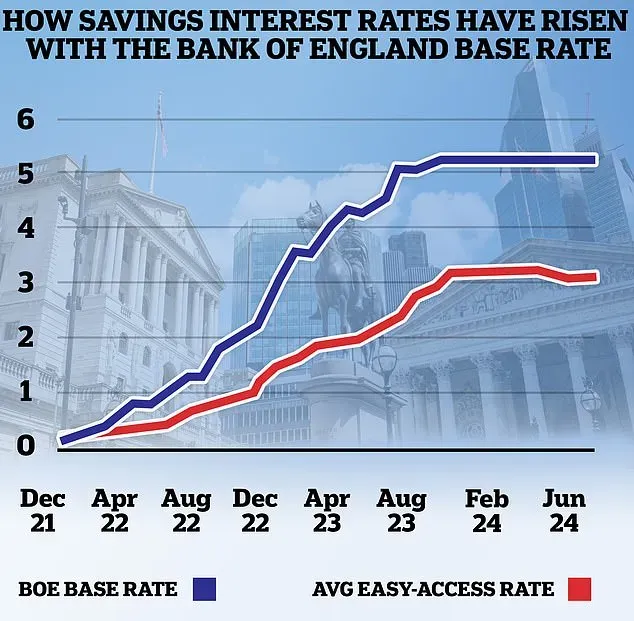
Understanding UK mortgage rates is essential for anyone looking to navigate the housing market. These rates influence not only monthly payments but also dictate the overall affordability of purchasing a home. When the Bank of England makes adjustments to the base rate, it sets off a chain reaction within mortgage lenders, leading them to modify their rates accordingly. This creates a ripple effect on homebuyers and sellers, shaping the dynamics of the housing market significantly.
Additionally, mortgage rates play a crucial role in influencing consumer sentiment. Heightened interest rates can deter potential homebuyers from entering the market, thereby reducing the overall demand for properties. Conversely, when rates decline, they often invigorate buyer interest, highlighting the importance of staying informed about current market conditions. By regularly reviewing mortgage rate trends, buyers and sellers can make informed decisions that align with their financial goals.
Frequently Asked Questions
How do UK mortgage rates impact homebuyers’ affordability?
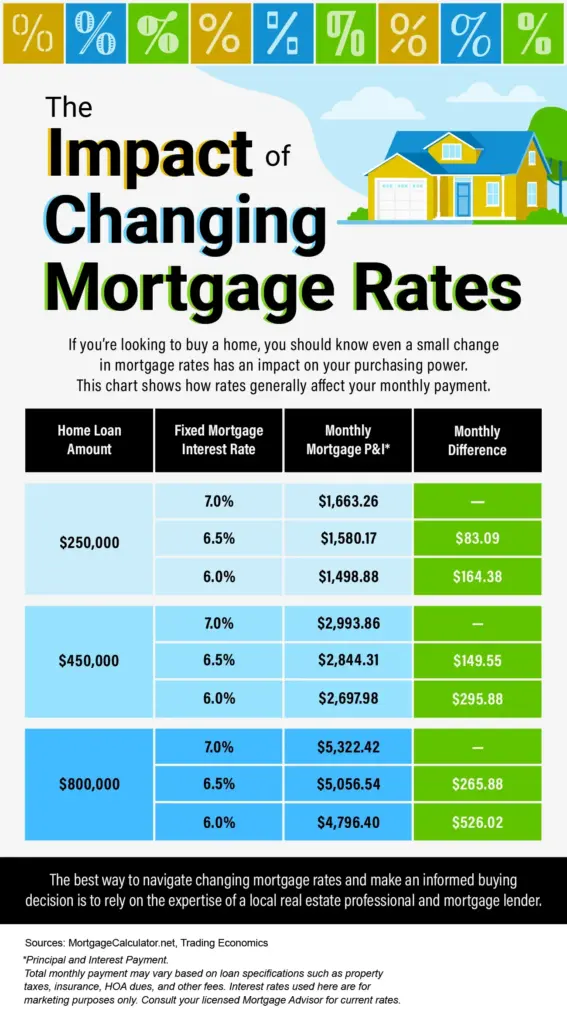
UK mortgage rates are essential in determining how much buyers can afford when purchasing a home. Higher rates lead to increased monthly payments, which can reduce the overall affordability of properties for homebuyers in the UK.
What should sellers in the UK consider when mortgage rates rise?
When UK mortgage rates increase, sellers may experience slower sales and need to adjust their pricing strategies to attract buyers who may be less willing to spend due to decreasing affordability.
What effect do falling UK mortgage rates have on the housing market?
Falling UK mortgage rates typically increase affordability for homebuyers, leading to higher demand for properties. This surge can create a competitive market, potentially raising property prices.
How can UK homebuyers navigate mortgage rate changes?
To navigate mortgage rate changes, UK homebuyers should consider locking in rates when they are low, exploring mortgage products that suit their financial situation, and being flexible in their property search to adjust for affordability.
Why is it important for sellers to monitor UK mortgage rates?
Sellers should monitor UK mortgage rates because fluctuations can influence buyer demand and their home’s market competitiveness. Understanding these trends can help sellers make informed pricing and timing decisions.
How do UK mortgage rate changes influence real estate trends?
UK mortgage rate changes significantly influence real estate trends by affecting buyer demand, property prices, and overall market activity. Rising rates can slow the market, while falling rates often stimulate increased activity.
| Key Point | Homebuyers | Home Sellers |
|---|---|---|
| Rising Mortgage Rates | Higher monthly payments reduce affordability, leading to decreased demand and longer search times. | Slower sales as buyers are discouraged, potentially requiring price adjustments. |
| Falling Mortgage Rates | Lower monthly payments increase affordability and demand, leading to quicker sales and competition for properties. | Higher sale prices and faster transactions as more buyers enter the market. |
Summary
UK mortgage rates are a critical factor influencing the housing market, affecting both homebuyers and sellers significantly. Changes in these rates can lead to varying market conditions, where rising rates tend to burden homebuyers with higher costs and diminished purchasing power, while slow sales arise for sellers. On the other hand, falling mortgage rates create a more vibrant market, enhancing affordability and increasing buyer demand, which can lead to faster sales for sellers. Being informed about these dynamics is essential for making informed decisions within the ever-fluctuating landscape of the UK housing market.