Listen to this article
In recent years, UK state pension changes have become a focal point of discussion, particularly as the government implements new policies impacting retirees. Understanding state pension updates is essential for effective retirement planning in the UK, especially with the evolving criteria for pension eligibility and the introduction of various pension credit changes. These adjustments can significantly influence the financial well-being of individuals approaching retirement age, making it vital to stay informed about how these changes might affect your payouts. As life expectancy continues to rise, age thresholds for receiving the pension have shifted, necessitating longer working years for future retirees. This comprehensive guide aims to clarify the complexities surrounding UK state pension changes and equip you with the knowledge to navigate your retirement options confidently.
The recent reforms surrounding the UK’s pension system have generated considerable interest, particularly concerning how they impact individuals planning for their retirement. Enhanced regulations regarding retirement benefits and eligibility have emerged, aimed at ensuring that all contributors receive fair compensation for their National Insurance contributions. Additionally, updates to pension credit systems play a crucial role in safeguarding low-income retirees and enhancing financial stability. With the rise in the state pension age and modifications to contribution rules, comprehending these all-encompassing shifts is imperative for anyone looking to secure their financial future. This guide will delve deeper into these advancements, offering insights on how to effectively adapt to the evolving landscape of retirement income in the UK.
The Importance of Understanding Recent UK Pension Policy Changes
Understanding the nuances of recent UK pension policy changes is crucial for anyone nearing retirement. With shifts in eligibility, contribution rules, and the introduction of the new state pension, being well-informed allows individuals to adapt their retirement planning effectively. Those who are unaware of these changes may face unexpected financial shortfalls, as the state pension is a significant component of most retirees’ income. Informed citizens can better prepare for their future, ensuring they meet the necessary criteria to access their pensions.
Moreover, a comprehensive grasp of these shifts enables retirees to strategize their savings more intelligently. For instance, aware of the increased state pension age, individuals can choose to delay retirement or increase their private pension contributions. This proactive approach can lead to greater financial security later in life, making it essential to stay updated on such policies and their implications.
Navigating the New State Pension System: Key Features
The introduction of the new state pension in April 2016 marked a pivotal change in how pensions are administered in the UK. This new system provides a flat-rate pension, making it simpler yet requiring individuals to accumulate at least 35 qualifying years of National Insurance contributions to receive the full amount. Those with fewer contributions will receive a reduced pension, highlighting the need for individuals to track their NI contributions throughout their working lives. Familiarity with these requirements is vital for assertively navigating one’s pension landscape.
Additionally, the new state pension promotes a fairer and clearer system but also means that fewer people may qualify for higher amounts if they did not contribute sufficiently. Therefore, understanding the distinctions between the old and new systems is necessary to ensure that retirees can accurately calculate their expected pensions and plan accordingly.
Eligibility for Pension Credit: Recent Changes and Implications
Recent changes to Pension Credit eligibility criteria are pivotal for the financial security of many pensioners in the UK. These adjustments aim to make the system fairer, ensuring that couples and single claimants have adequate support. With updates allowing more individuals access to financial benefits, those who might have previously been excluded may now qualify, which can significantly enhance their retirement income.
Understanding these changes can empower retirees to take advantage of available benefits. It is essential to review eligibility requirements regularly, especially given that many financial conditions can affect one’s qualification status. This increased awareness can lead to improved financial planning and securing a more comfortable lifestyle in retirement.
Understanding the Impact of Private Pensions on Retirement Planning
As the state pension age rises and the new state pension structure continues to evolve, the importance of private pensions in retirement planning cannot be overstated. Auto-enrollment in workplace pensions has encouraged many workers to save for retirement, but it’s crucial to recognize that these savings are often not enough on their own. To maintain a desired standard of living, individuals should consider both their state pension and additional private pension contributions.
Understanding the details of both public and private pension systems allows individuals to develop a more robust and holistic approach to retirement. This might involve increasing voluntary contributions to workplace pensions or considering personal pension plans. Evaluating one’s retirement savings options can ensure that future retirees are not solely reliant on their state pension benefits.
The Role of National Insurance Contributions in Pension Eligibility
National Insurance contributions (NI) play a pivotal role in determining eligibility for the state pension. For those close to retirement, checking one’s NI record is imperative to ensure that they have enough qualifying years. With recent policy updates altering the classification of eligible contributors, many self-employed individuals may now find themselves qualifying for the state pension, which enhances their financial security.
By understanding how NI contributions relate to pension eligibility, individuals can proactively plan their contributions, close any gaps in their records, and ultimately secure their financial future. Engaging with resources that outline NI requirements can simplify this process and promote greater consumer awareness around pension benefits.
Staying Informed: The Key to Effective Retirement Planning
In a landscape where UK state pension changes are frequent, staying informed is essential for effective retirement planning. Regular monitoring of policy updates ensures that individuals are aware of their rights and entitlements, allowing them to make informed financial decisions. Government websites and reputable financial news sources provide the latest information and practical advice for citizens as they navigate their retirement choices.
Moreover, actively engaging in financial education through workshops or seeking advice from financial advisors can help demystify complex state pension policies and contribute to smart, proactive retirement planning. This engagement is critical for individuals aiming to bolster their retirement savings and ensure they meet the requirements for receiving their state pension benefits.
Frequently Asked Questions
What are the recent UK State Pension changes affecting retirement planning?
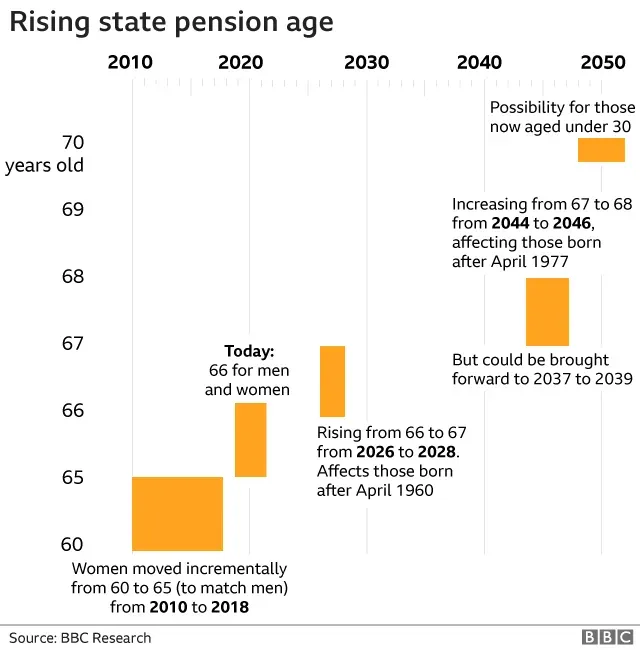
Recent UK State Pension changes affecting retirement planning include the increase in state pension age to 66, the introduction of the new state pension system which provides a flat-rate amount based on National Insurance contributions, alterations in eligibility for contributions, and updates to Pension Credit aimed at providing better financial support for low-income retirees.
How do UK State Pension changes impact pension eligibility?
UK State Pension changes impact pension eligibility by revising the criteria for qualifying National Insurance contributions. More self-employed individuals can now qualify under the new rules, ensuring a wider coverage among retirees. However, to receive the full new state pension, claimants must have 35 qualifying years of contributions.
What is the new state pension and how does it differ from the old system?
The new state pension, introduced in April 2016, differs from the old system by providing a flat-rate payment based solely on an individual’s National Insurance contributions. Unlike the old system which varied based on different pension rates, the new state pension simplifies the process and mandates 35 qualifying years for full benefits.
What changes have been made to Pension Credit within UK pension policy?
Recent UK pension policy changes have adjusted Pension Credit, which serves as a financial lifeline for low-income pensioners. Updates have increased allowances for couples and single claimants and modified eligibility criteria, aiming to enhance financial security for those relying on this benefit.
How can I prepare for the changes to the UK State Pension?
To prepare for changes to the UK State Pension, review your National Insurance contributions for qualification, calculate your expected retirement needs to gauge if the state pension will be adequate, and consider seeking professional financial advice to tailor a retirement plan that addresses these pension changes.
Why is it important to stay informed about UK state pension changes?
Staying informed about UK State Pension changes is vital because it enables you to adapt your retirement planning and savings strategies in response to policy adjustments. This proactive approach ensures that you maximize your pension eligibility and secure a comfortable standard of living in retirement.
| Key Point | Details |
|---|---|
| State Pension Definition | Regular payment from the government to those who reached retirement age and have sufficient National Insurance contributions. |
| Increase in State Pension Age | The age increases to 66 as of late 2021, aiming for 67 by 2028. This means longer work periods before benefits. |
| New State Pension | Introduced in April 2016, providing a flat-rate pension based on National Insurance contributions. 35 qualifying years required for the full amount. |
| Changes in Contribution Rules | Extended eligibility for NI contributions includes more self-employed individuals. |
| Pension Credit Updates | Changes aimed at improving financial security for low-income pensioners through adjusted eligibility and increased allowances. |
| Impact of Private Pensions | Auto-enrollment in workplace pensions leads to greater recognition of private pensions as part of retirement planning. |
Summary
UK State Pension Changes are reshaping the retirement landscape for many individuals. These changes, including the increase in pension age and the introduction of the new state pension system, require everyone to be more informed and proactive regarding their retirement planning. Understanding these adjustments not only helps clarify the eligibility and benefits of state funding but also encourages the integration of private pension contributions for a more secure financial future. By taking steps to review your National Insurance contributions and seeking professional guidance, you can navigate these changes confidently and ensure a comfortable retirement.