Listen to this article
The Bank of England interest rates play a pivotal role in the UK’s economic framework, directly impacting everything from inflation levels to consumer spending habits. As the central bank adjusts these rates, it influences mortgage rates, thereby affecting both homeowners and potential buyers across the nation. When the Bank of England modifies its interest rates, it sends ripples throughout the UK economy, shaping the decisions of consumers who are navigating fixed-rate and variable-rate mortgages. Understanding how the Bank’s interest rate adjustments work can empower homeowners and prospective buyers to make informed decisions regarding their finances and remortgaging options. In this article, we will explore the intricate connections between the Bank of England’s interest rates and the broader economic landscape, including factors such as inflation, consumer confidence, and economic growth.
Central bank interest rates are crucial for shaping economic conditions within a nation, influencing factors such as borrowing costs and consumer behavior. The term ‘monetary policy’ encompasses the strategies employed by the Bank of England to manage inflation and foster economic growth through interest rate adjustments. These changes impact various aspects of the mortgage market, directly affecting fixed-rate and variable-rate loans. As the UK grapples with economic challenges, understanding the relationship between central bank actions and mortgage affordability becomes essential for anyone involved in the housing market. This discussion aims to shed light on how fluctuations in interest rates can guide financial decisions for homeowners and prospective buyers in the current economic climate.
The Role of the Bank of England in Shaping Interest Rates
The Bank of England (BoE) operates as the central bank of the UK and is a pivotal player in managing the country’s monetary policy. One of the key responsibilities of the BoE is the adjustment of interest rates, which serves as a tool to influence the overall economic activity in the UK. By setting the base interest rate, the Bank aims to maintain price stability and control inflation. These interest rate adjustments can either stimulate economic growth or cool down an overheating economy, depending on the prevailing economic conditions.
Moreover, the decisions made by the BoE can lead to significant implications for consumers and businesses alike. For instance, a higher interest rate can increase borrowing costs for banks, which in turn translates to more expensive loans for consumers. This delicate balancing act ensures that the BoE’s interventions aim to promote a stable economic environment, impacting everything from mortgage rates to consumer spending patterns.
Economic Indicators Influencing Bank of England Rate Decisions
The Bank of England’s decisions are heavily influenced by a variety of economic indicators, making it essential to understand these factors. Key among them is the inflation rate, which the Bank closely monitors to ensure that it remains around the target level of 2%. If inflation rates begin to rise, the BoE may increase interest rates to mitigate excessive spending and cool off inflationary pressures in the economy.
Another important factor is economic growth, which is assessed through indicators such as GDP and employment levels. A rapidly growing economy could prompt the BoE to raise rates to prevent market overheating, whereas slow growth may lead to rate cuts to stimulate economic activity. By comprehensively analyzing these economic indicators, the Bank of England can navigate rate adjustments effectively, influencing the overall health and stability of the UK economy.
The Direct Impact of Interest Rates on Mortgage Rates
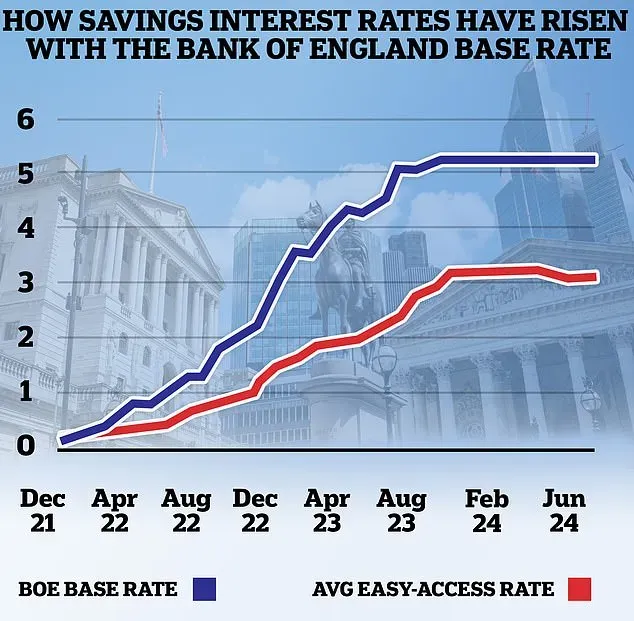
Interest rate changes imposed by the Bank of England have a direct and profound effect on mortgage rates in the UK. When the BoE raises interest rates, lenders often pass these costs onto consumers, leading to higher mortgage rates for both fixed and variable-rate loans. This effect can diminish the affordability of homes for prospective buyers and can also impact current homeowners who are considering remortgaging their existing loans.
Conversely, when interest rates are lowered, the cost of borrowing decreases, often resulting in lower mortgage rates. This can stimulate activity in the housing market as first-time buyers and existing homeowners take advantage of favorable lending conditions. Understanding how these adjustments affect mortgage rates can help consumers make better-informed decisions when purchasing a home or renewing their mortgage contracts.
Inflation and Its Relationship with Economic Growth
Inflation plays a critical role in the economic landscape and is intricately linked to the Bank of England’s interest rate decisions. A key responsibility of the BoE is to maintain inflation at a manageable level, which is vital for sustaining economic growth. When inflation rises too quickly, it can erode purchasing power and create uncertainty in the economy, prompting the Bank to consider increasing interest rates to stabilize prices.
However, if inflation is low, the Bank might opt to lower interest rates to encourage spending and investment, fostering economic expansion. This balance between controlling inflation and stimulating growth is often a challenging endeavor for the BoE, as it must carefully consider the timing and extent of rate changes in response to dynamic economic conditions.
Understanding Fixed and Variable Rate Mortgages
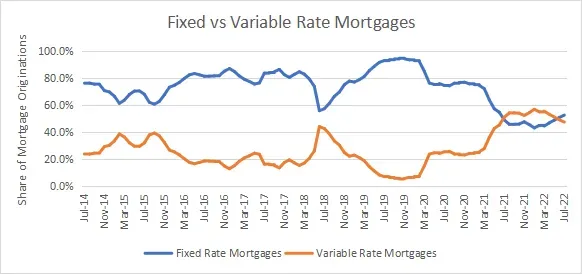
When it comes to mortgages, borrowers generally have two main options: fixed-rate and variable-rate mortgages. Fixed-rate mortgages provide borrowers with a stable interest rate over a specified period, shielding them from market fluctuations during that time. This can be particularly advantageous in an environment where the Bank of England is expected to raise interest rates, as it locks in a lower rate before any increases occur.
In contrast, variable-rate mortgages are more susceptible to changes in the Bank’s interest rates. When the BoE increases rates, those with variable-rate mortgages will see an immediate rise in their monthly payments. This can create challenges for homeowners if their budgets do not accommodate higher repayments. Understanding the implications of each type of mortgage in relation to the Bank’s interest rates is crucial for homeowners and potential buyers alike.
The Future of Interest Rates and Consumer Confidence
As the economic landscape continues to evolve, the future of interest rates set by the Bank of England will likely depend heavily on consumer confidence and overall economic performance. When consumers feel confident about their financial situation and the economy at large, they are more willing to engage in spending, which can drive economic growth and influence the Bank’s monetary policy decisions.
On the other hand, if consumer confidence drops, potentially due to economic uncertainties or increasing inflation, the Bank may lower interest rates to stimulate growth. Monitoring these trends not only informs consumers about potential mortgage decisions but also provides insights into broader economic health in the UK.
Frequently Asked Questions
How do Bank of England interest rates influence mortgage rates in the UK?
Bank of England interest rates are pivotal in determining mortgage rates in the UK. When the BoE raises interest rates, lenders typically respond by increasing mortgage rates, particularly for variable-rate mortgages. Conversely, when the BoE lowers rates, mortgage rates may decrease, making borrowing cheaper for homeowners.
What effect do interest rate adjustments by the Bank of England have on the UK economy?
Interest rate adjustments by the Bank of England significantly impact the UK economy by influencing consumer borrowing and spending. Higher interest rates typically dampen consumer confidence and reduce borrowing, which can slow economic growth. In contrast, lower rates encourage spending and can stimulate the economy by making loans more affordable.
How does inflation affect the Bank of England’s decisions on interest rate adjustments?
Inflation plays a crucial role in the Bank of England’s interest rate adjustments. If inflation rises above the target of 2%, the BoE may increase interest rates to control spending and bring inflation back down. This dynamic is essential for maintaining economic stability and consumer confidence.
What are the implications of Bank of England interest rates for first-time homebuyers?
For first-time homebuyers, Bank of England interest rate changes have direct implications. An increase in interest rates can result in higher mortgage rates, affecting affordability and the maximum price they can pay for a home. This can limit access to the housing market or affect overall housing demand.
Why might homeowners consider remortgaging when Bank of England interest rates change?
Homeowners often consider remortgaging in response to Bank of England interest rate changes to either secure lower fixed-rate mortgages or to adapt to rising costs associated with variable-rate mortgages. Remortgaging can potentially lower monthly payments when rates are favorable.
What role does consumer confidence play in the Bank of England’s interest rate decisions?
Consumer confidence is a key factor in the Bank of England’s interest rate decisions. When consumer confidence is high, spending tends to increase, which can lead to inflationary pressures. In such scenarios, the BoE may opt to raise interest rates to prevent overheating the economy, whereas low consumer confidence can lead to rate cuts to stimulate economic activity.
| Key Points | ||
|---|---|---|
| Monetary Policy Overview | Bank of England’s Role | Goals of Monetary Policy |
| Control money supply, credit availability, and interest rates to achieve economic objectives. | Aims to maintain price stability in the UK economy. | Typically targets an inflation rate of 2%. |
| Impact of Interest Rates | Low rates encourage borrowing, high rates discourage spending. | Interest rates affect loans for significant purchases. |
| Economic Factors Influencing Rates | Inflation, Economic Growth, Employment, Consumer Confidence, Global Conditions | These factors guide the BoE in rate decisions. |
| Effects on Mortgages | Fixed-rate mortgages face delayed impacts from rate hikes. | Variable-rate mortgages experience immediate changes with interest rate adjustments. |
| First-Time Buyers | Increased mortgage rates affect home affordability. | Can limit maximum purchase prices for homes. |
| Remortgaging Decisions | Remortgaging can be beneficial during low rate periods. | Higher rates may divert borrowers from remortgaging opportunities. |
Summary
Bank of England interest rates play a vital role in shaping the UK’s economic landscape and directly influence the mortgage market. The Bank of England (BoE) implements interest rate adjustments as part of its monetary policy to manage inflation, economic growth, and overall economic stability. Understanding how these interest rates affect mortgages is essential for homeowners and potential buyers alike. Low interest rates tend to encourage borrowing for major purchases, while higher rates can suppress consumer spending and investment. Key economic indicators guide the BoE’s decisions, and staying informed about these factors can empower consumers when navigating their financial commitments. Since interest rates impact different types of mortgages, awareness of potential rate changes is crucial for strategic financial planning. Given the dynamic nature of both the economy and interest rates, keeping abreast of BoE updates helps individuals make informed decisions regarding mortgages.