Listen to this article
UK mortgage rates are a critical consideration for anyone stepping into the housing market in 2023. With a multitude of mortgage options available, understanding how these rates function can unlock the door to effective home financing. As economic conditions shift, keeping an eye on current mortgage trends will help you navigate the landscape more easily. By knowing how to secure a mortgage amid fluctuating rates, potential homeowners can find the best mortgage options UK has to offer. This guide will break down everything from the impact of interest rates to the strategies you can implement to achieve the most favorable terms.
In today’s ever-changing real estate market, mortgage interest rates in the UK play a pivotal role in shaping homeownership opportunities. As prospective buyers and homeowners assess their financial futures, it’s vital to grasp how these borrowing costs align with the broader economic environment. Additionally, understanding various financing methods, including fixed and variable rates, can help individuals streamline their mortgage applications. The mortgage landscape in 2023 is influenced by many factors, from inflation trends to lender policies, making it essential to stay informed. This comprehensive overview aims to clarify these components, assisting you in making insightful decisions throughout your journey in home financing.
Understanding Current Mortgage Trends in the UK
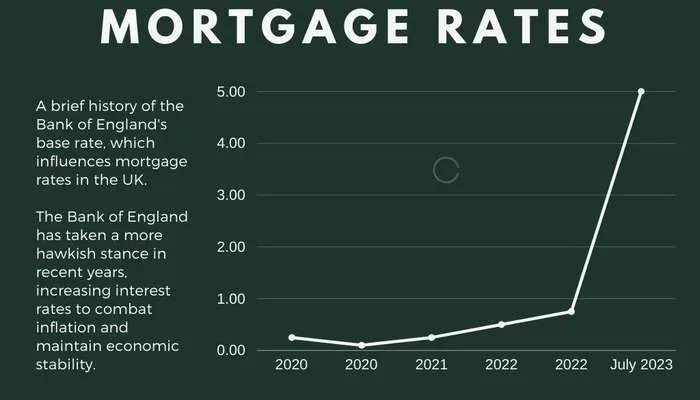
In 2023, current mortgage trends in the UK are intricately linked to the economic climate, housing demand, and shifting interest rates. As inflation impacts the Bank of England’s base rate decisions, mortgage lenders react accordingly, frequently adjusting their rates. This year, potential homeowners and investors should closely monitor these trends, as changes can directly affect the affordability of home financing. Understanding current mortgage trends plays a crucial role in helping borrowers make timely decisions that reflect the most advantageous rates available.
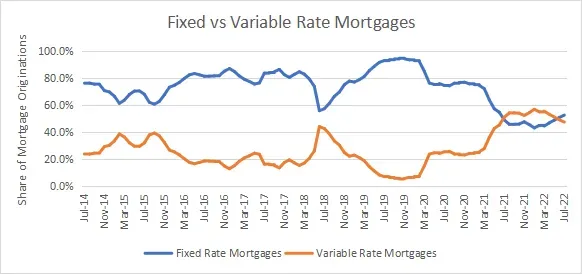
The most prominent trend currently shaping UK mortgage rates is the rise in demand for fixed-rate mortgages. As borrowers seek stability against an unpredictable economic backdrop, many are opting to lock in fixed rates for longer durations. This trend has been catalyzed by a general increase in interest rates, prompting individuals to secure affordable terms before they rise further. Additionally, financial institutions are also diversifying their offerings, leading to a broader range of choices for customers looking to balance security and flexibility.
How to Secure the Best Mortgage Rates in 2023
Securing the best mortgage rates in 2023 can seem overwhelming, yet with informed preparation, potential homeowners can significantly enhance their chances. One of the most critical factors in this process is understanding how lenders assess risk, usually reflected in the mortgage rates they offer. Improving your credit score is paramount; a strong score can lead to lower rates and better lending terms. To achieve this, individuals are encouraged to manage existing debts effectively and ensure timely bill payments.
Moreover, presenting a substantial deposit can also facilitate access to more favourable mortgage rates. Lenders reward lower loan-to-value (LTV) ratios with reduced interest rates, given the diminished risk involved. Beyond these factors, exploring options with various lenders or utilizing a mortgage broker can open doors to competitive deals that might not be available through major banks, making this an essential step in securing the best financing for your home.
The Role of Inflation in Changing Mortgage Rates
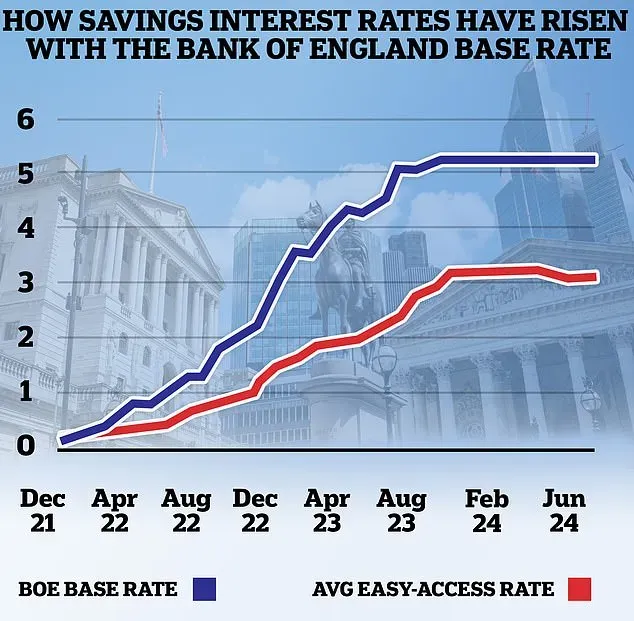
Inflation is one of the primary drivers of fluctuations in mortgage rates across the UK. As the cost of living rises, the Bank of England often increases the base rate to manage inflation levels, thus impacting the interest rates that lenders offer. In 2023, borrowers must understand that rising inflation typically translates to higher mortgage costs, which can significantly alter monthly repayment obligations and overall affordability.
Consequently, keeping abreast of inflation trends can provide potential homeowners with strategic insights into when to secure a mortgage. For instance, if signs indicate an upward shift in inflation, it may be prudent to lock in a mortgage rate sooner rather than later to avoid higher costs in the future. By remaining aware of economic indicators, borrowers can navigate mortgage options more strategically.
Exploring Fixed vs. Variable Rate Mortgages
Choosing between fixed and variable rate mortgages is a fundamental decision that can affect your financial stability over the long term. Fixed-rate mortgages provide predictability, offering consistent payments that protect against fluctuating interest rates for the agreed period. This predictability is particularly appealing in uncertain economic climates, making fixed mortgages an attractive option for first-time buyers or those on a strict budget.
On the other hand, variable rate mortgages, such as tracker and standard variable rates, can provide initial savings during periods of lower interest rates. However, these options carry inherent risks, as payments can vary in line with interest rate fluctuations determined by the Bank of England. Understanding the pros and cons of each mortgage type, along with the current market trends, is essential for homeowners aiming to make the best decisions for their personal circumstances.
Factors Influencing UK Mortgage Rates in 2023
Several factors are influencing UK mortgage rates in 2023, and understanding these can empower potential homeowners to make informed decisions. First and foremost, the Bank of England’s monetary policy plays a crucial role in determining base rates, which directly impact lender rates. As inflation pressures persist, actions taken by the Bank can result in fluctuations that could either benefit or disadvantage borrowers depending on the economic outlook.
Additionally, the dynamics of supply and demand within the housing market are actively shaping mortgage rates. A competitive housing market characterized by high demand and low supply can drive rates up, as lenders may use higher rates to manage risk. By staying informed about these factors and understanding how they interplay, borrowers can strategize effectively to secure the most favourable mortgage options in this evolving market.
The Importance of Mortgage Documentation
Gathering the right documentation when applying for a mortgage is a crucial step that can streamline the approval process significantly. Lenders will typically request several key documents, including proof of income, credit history, and identification, to assess your eligibility and risk profile. Having these documents prepared in advance not only expedites your application but also demonstrates to lenders that you are a serious and organised applicant.
Furthermore, detailed documentation supports the assessment of your financial status, allowing lenders to offer competitive rates based on your income stability and debt-to-income ratio. As such, being proactive in collecting the necessary paperwork is vital in your journey to securing a mortgage in 2023, ultimately leading to more favourable lending terms and a smoother transaction process.
Frequently Asked Questions
What are the current UK mortgage rates for 2023?
As of 2023, UK mortgage rates vary significantly depending on the type of loan and lender. Fixed-rate mortgages generally offer stability with rates locked in for 2-10 years, while variable-rate mortgages can fluctuate based on the Bank of England’s base rate. It is essential to check with multiple lenders to find the most competitive rates available.
How can I secure better UK mortgage rates in 2023?
To secure better UK mortgage rates in 2023, consider improving your credit score by reducing debts and ensuring timely payments. Additionally, increasing your deposit size enhances your loan-to-value ratio, potentially leading to better rates. Shopping around and comparing offers from various lenders can also help you find the best mortgage options in the UK.
What factors are influencing UK mortgage rates in 2023?
Several factors are influencing UK mortgage rates in 2023, including inflation rates, economic growth, and housing market dynamics. As the Bank of England adjusts its base rate in response to inflation, lenders typically follow suit, affecting mortgage rates. Increased demand for housing amid limited supply can also drive rates up.
What are the best mortgage options in the UK for first-time buyers?
For first-time buyers in the UK, the best mortgage options often include government schemes like Help to Buy and shared ownership. Fixed-rate mortgages are popular due to their predictability and ease of budgeting. It’s advisable to consult with a mortgage advisor to explore tailored options that fit your financial circumstances.
How often do UK mortgage rates change?
UK mortgage rates can change frequently, influenced by factors such as the Bank of England’s base rate movements, economic conditions, and lender policies. Borrowers should stay informed about current mortgage trends and be prepared to act quickly when favorable rates become available.
What is the process of applying for a mortgage in the UK?
Applying for a mortgage in the UK involves several steps: gather necessary documentation (income proof, ID, etc.), undergo eligibility checks and credit assessments, and have the property valued. After receiving a mortgage offer, engaging a solicitor for the legal process is crucial. It’s essential to approach the process organized and informed to improve your chances of securing preferred UK mortgage rates.
| Key Point | Description |
|---|---|
| UK Mortgage Rates | Understanding mortgage rates is essential for homebuyers in the evolving housing market of 2023. |
| What Are Mortgage Rates? | The cost of borrowing money to buy a home, expressed as a percentage. |
| Types of Mortgage Rates | Fixed-rate (stable payments for a set time) and variable-rate (fluctuates with the market). |
| Impact of Bank of England | Changes in the base rate directly affect mortgage rates. |
| Factors Affecting Mortgage Rates | Inflation, housing market trends, and economic growth influence rate shifts. |
| Tips for Securing Rates | Improve credit score, save for a larger deposit, compare lenders, and stay informed. |
| Application Process | Involves gathering documentation, eligibility checks, and legal procedures. |
Summary
UK mortgage rates are a critical consideration for anyone looking to buy property in 2023. Understanding the various types of mortgage rates, including fixed and variable options, allows potential homeowners to make informed decisions that could save them money over the life of their loan. Factors such as the Bank of England’s base rate, inflation, and economic conditions play significant roles in determining these rates, and staying informed can offer borrowers advantages in securing better deals. For those considering a mortgage, being proactive in improving credit scores and shopping around with different lenders can also lead to more favourable terms, ensuring that home financing is manageable and aligned with financial goals.