
Listen to this article
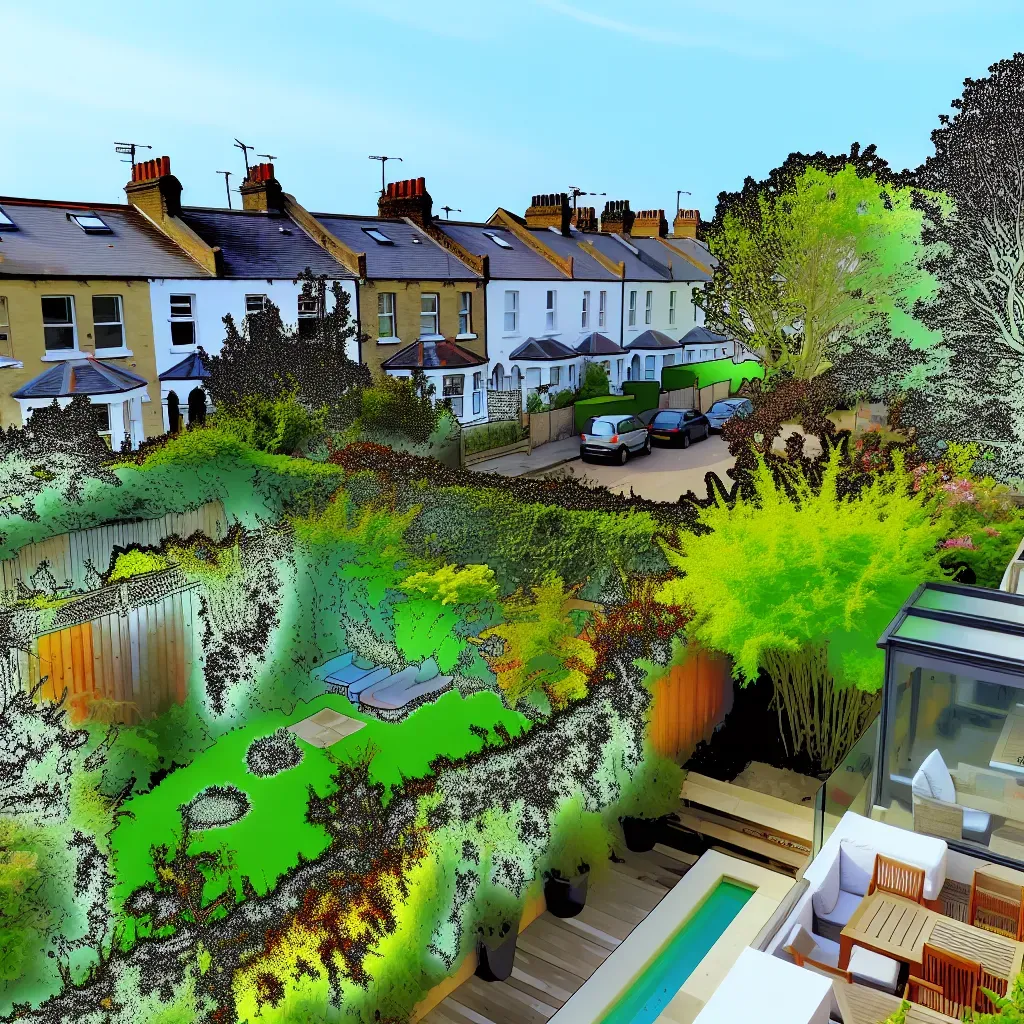
Self-build homes are revolutionizing the way we think about housing solutions, particularly in the context of the ongoing housing shortage. For many, these self-build opportunities represent a chance to create personalized living spaces that reflect individual styles and needs while adhering to sustainable building practices. The experience of Will and Sogand Howard, who built their modern Catford terrace home in a previously underutilized garden plot, illustrates how innovative housing solutions can arise from determination and creativity. As architects, they tackled the complexities of home construction with an eye on quality and efficiency, showcasing the potential for self-build projects to redefine urban living. Through their journey, they not only provided a comfortable home for their family but also contributed positively to their community by easing housing pressures.
The concept of constructing one’s own residence opens up a world of possibilities for those looking to secure a place to live. Often referred to as home self-construction or owner-built housing, this approach allows individuals to become the architects of their dreams, merging their visions with effective design principles. In the case of the Howards, their transformative journey led them to design and execute a modern dwelling that harmonizes with its traditional surroundings. By embracing innovative architectural methods, they have set an example of how sustainable living can be achieved even in urban settings. Such initiatives not only cater to personal desires in home design but also address the broader challenge of accommodating growing populations, indicating a vital pathway forward in housing development.
Exploring Self-Build Opportunities in Catford
In the heart of Catford, the Howards have turned the concept of self-building into a reality, showcasing the myriad of opportunities available for aspiring homeowners. Their journey began during the lockdown, emphasizing the idea that careful planning and creativity can pave the way for unique housing solutions. By transforming an underutilized garden lot into a modern home, they have demonstrated that alternative sites can be a viable avenue for new constructions, especially in urban settings where the housing market is saturated.
The story of the Howards also highlights the potential for self-build homes to serve as vital components in addressing the ongoing housing shortage in the UK. With many individuals seeking alternative pathways to home ownership, it becomes essential for both private developers and policymakers to work collaboratively to unlock the potential of obscured lands. Their journey can inspire others to grasp the self-build opportunities that exist right in their neighborhoods.
Modern Home Design Meets Sustainability
The Howards approached their self-build project with a focus on modern home design, ensuring that their new catford terrace home was not just aesthetically pleasing but also functional and energy-efficient. This combination of contemporary architecture with sustainable building practices signifies the changing landscape of home construction, where eco-friendliness and design go hand in hand. Thoughtfully designed spaces can optimize natural light and ventilation, reducing reliance on artificial energy sources.
Moreover, by investing in sustainable materials and practices, the Howards have set a precedent for future self-build projects, encouraging a shift towards environmentally responsible construction. Their home stands as a testament to the balance between modern design and ecological mindfulness, making it clear that new homes can be both elegant and sustainable, paving the way for other builders to consider sustainable options in their own designs.
By integrating these principles, the Howards have not only created a stylish and modern dwelling but have also contributed positively to the environment, showcasing how responsible building practices can help mitigate climate change while fulfilling the need for new housing.
Navigating the Challenges of the Housing Market
The challenges within the land market in London are undoubtedly significant, as highlighted by the Howards. With limited land available for development, individuals looking to self-build often find themselves navigating a complex regulatory environment. Building plots are frequently co-owned, creating hurdles for potential buyers who may not understand the intricacies involved in securing the land. This complexity can deter many from pursuing their own self-build projects, despite the evident demand for affordable housing.
To facilitate a smoother journey for future self-builders, informed policies and guidance are essential. The Howards’ experience underscores the need for comprehensive frameworks that simplify the acquisition of small plots while encouraging innovation in housing design. By addressing bottlenecks within the land market, stakeholders can foster a culture of self-building that could ultimately ease the residential strain faced in urban environments.
The Role of Self-Builds in Alleviating Housing Shortages
The introduction of self-build homes, as demonstrated by the Howards, has the power to serve as a meaningful solution to the UK’s housing crisis. Their project has freed up their previous flat for new occupants, thereby directly contributing to alleviating housing pressures in their local community. By efficiently utilizing available land and constructing well-designed smaller homes, they have shown that self-builds can play a crucial role in resolving the housing shortage, especially in densely populated areas like London.
Additionally, promoting self-build initiatives could transform the urban landscape, creating new opportunities for individuals who desire to own a home without being bound by the constraints often associated with traditional housing. With innovative policies supporting the growth of self-build communities, policymakers can encourage sustainable living while addressing the pressing demand for housing across the country, providing a practical approach to creating homes where they are needed most.
Cultivating Community through Self-Build Homes
Self-build homes not only address the housing shortage but also foster a sense of community and belonging among residents. As exemplified in Catford, when neighbors participate in building their homes, they create strong connections that contribute to the overall fabric of the community. The Howards seamlessly integrated their new home into the neighborhood, underlining how carefully considered architectural practices can enhance the existing street environment while supporting community interactions.
Moreover, when individuals engage in self-building, there is a greater chance that their designs reflect the needs and preferences of the local residents. This personalized approach can cultivate a more harmonious community, tailored to the desires and lifestyle of its inhabitants. Communities that embrace self-building can tap into local talent and resources, leading to a richer and more diverse residential experience that further strengthens local ties.
Finance Options for Self-Build Projects
Financing self-build projects requires careful consideration, as evidenced by the Howards’ financial journey. By purchasing a garden plot and building a new home, they strategically aligned their expenses to match the average cost of conventional terrace homes in their area. This financial foresight enabled them to create a space that truly suited their family’s needs and aesthetic preferences without overextending themselves financially.
For aspiring self-builders, understanding various financial options such as self-build mortgages, equity loans, and government funding can help navigate the sometimes daunting financial landscape associated with home construction. By exploring these financial avenues, individuals can empower themselves to transform their self-built dreams into reality without being hindered by financial constraints.
Unlocking the Potential of Small Urban Spaces
The Howards’ venture serves as a valuable lesson in maximizing small urban spaces, showcasing the transformation of a seemingly unassuming garden into a modern home. This approach is crucial in metropolitan areas where space is at a premium. Their project highlights the idea that urban landscapes can be enriched through thoughtful small-scale developments, challenging the perception that new homes must be vast, elaborate structures.
By identifying and utilizing smaller plots, self-builders can contribute significantly to urban revitalization efforts. Local councils and city planners should consider accommodating policies that support the development of such homes, as this could create vibrant, livable neighborhoods while simultaneously addressing housing shortages. Through innovative designs that prioritize space efficiency, many more individuals could realize their dreams of home ownership in bustling urban environments.
Planning for Success in Self-Build Initiatives
Planning is vital in ensuring the success of any self-build initiative. The Howards benefitted from their background as architects, which provided them with the insight needed to navigate the planning processes smoothly. Their experience underscores the importance of having a strategic plan, understanding local regulations, and aligning designs to the expectations of local councils to avoid unnecessary headaches during construction.
For many aspiring self-builders, seeking advice from professionals or engaging with local planning experts can help demystify the complexities of the planning process. A clear understanding of achievable objectives, zoning laws, and local policies can better position self-builders for success, making the dream of creating a personalized home a tangible goal rather than a high hurdle.
The Future of Self-Build Housing in the UK
The success of projects like the Howards’ showcases the potential for self-build housing to flourish in the UK. With rising demand for individualized homes paired with innovative building solutions, there is a growing movement advocating for and embracing self-build initiatives. This change reflects a cultural shift towards valuing personal expression and sustainable practices in home construction.
Looking forward, it is crucial for government bodies and local authorities to recognize and seize the opportunity that self-build housing presents. By creating supportive policies, improving access to land, and streamlining planning approvals, the future of self-build housing can thrive as a viable and attractive option for many. This shift could lead to substantial improvements in addressing the housing crisis while fostering community-led development across England.
Frequently Asked Questions
What are self-build homes and how do they relate to housing shortage solutions?
Self-build homes are properties constructed by individuals or families, allowing them to design and create their living spaces tailored to their needs. They offer a viable solution to the housing shortage by increasing the availability of affordable, personalized homes. This approach can utilize underused land, such as gardens, contributing to the replenishment of housing stock in urban areas.
Can self-build opportunities be found in Catford or similar locations?
Yes, Catford presents various self-build opportunities, especially with its heritage of Victorian terraces and spacious back gardens. Individuals looking for plots can often find potential sites by exploring local listings or engaging with residents who may be considering selling their garden land.
What are some sustainable building practices important for self-build homes?
Sustainable building practices for self-build homes include using eco-friendly materials, implementing energy-efficient designs, utilizing renewable energy sources, and maximizing natural light. These practices not only reduce the environmental impact but also lower energy costs for homeowners.
How does modern home design influence self-build homes?
Modern home design significantly influences self-build homes by emphasizing open spaces, energy efficiency, and integration with nature. Homeowners can incorporate personalized features while leveraging contemporary aesthetics to create comfortable, stylish, and functional living environments.
What challenges do self-builders face in the housing market?
Self-builders often encounter challenges such as navigating planning permissions, securing suitable plots, and managing construction costs. Accessing land can be complicated due to high prices and stringent regulations, which may deter potential self-builders from pursuing their projects.
| Key Points | Details |
|---|---|
| Location and Inspiration | The Howards built a modern home in a garden of a Catford terrace, inspired during lockdown. |
| Purchasing Land | They bought a garden plot for £200,000, which was ready for sale. |
| Construction Costs | Total construction cost was £360,000, aligning with buying a traditional terrace without renovation. |
| Planning Permission | Easier for them due to their architectural experience and local policy support. |
| Market Challenges | Identifying suitable small plots is difficult; the self-build land market is stifled. |
| National Self-Build Rates | Only 4,302 planning permissions for serviced plots granted in the UK, much lower than Europe. |
| Creating Impact | Their build has freed up their old flat and showcases small homes’ potential to alleviate housing shortages. |
Summary
Self-build homes present a unique opportunity for individuals seeking to create their perfect living space while addressing housing shortages. The story of Will and Sogand Howard in Catford illustrates how creativity and determination can turn a garden plot into a sustainable, modern home. Their journey emphasizes the importance of support from local policies in facilitating self-building, along with the potential positive ripple effect on the housing market. As the demand for self-build homes grows, it could drive significant changes in how we approach housing solutions.