Listen to this article
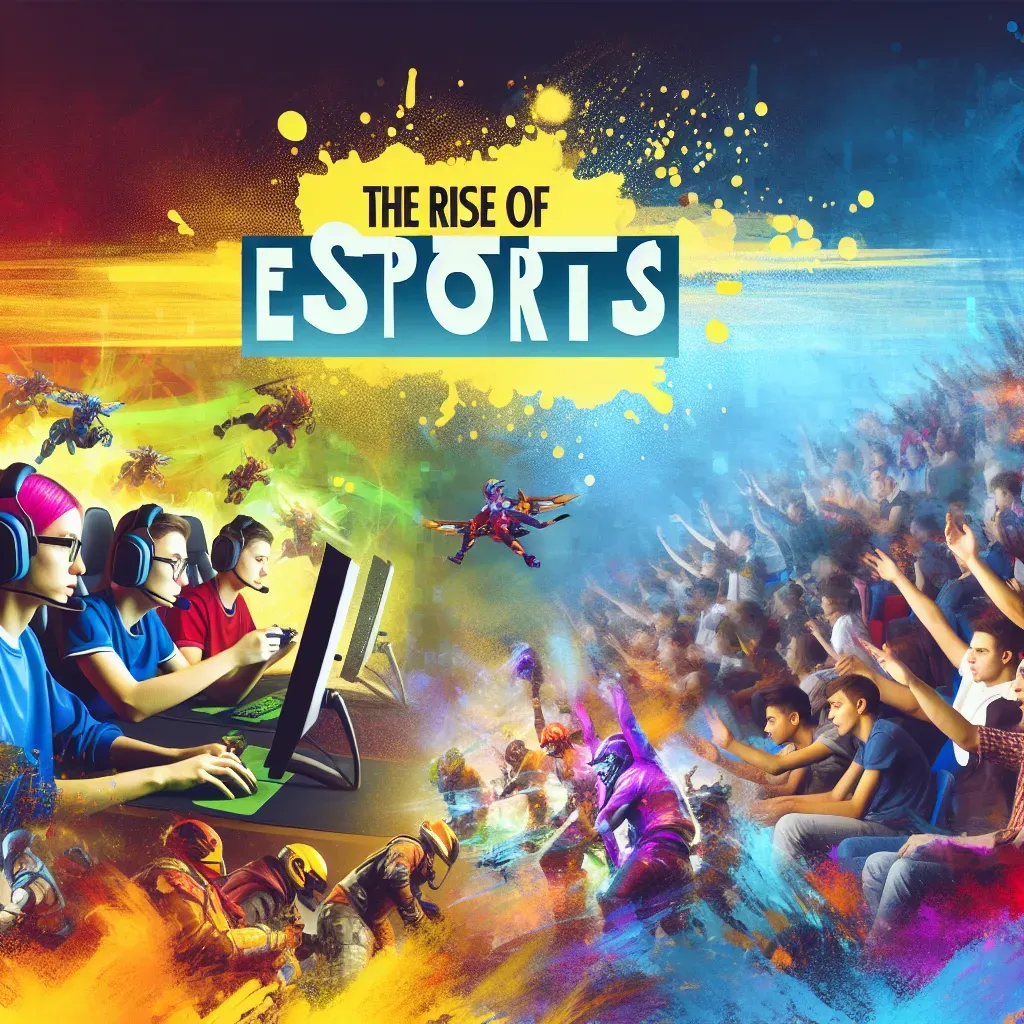
The Rise of eSports has marked a revolutionary change in the landscape of competitive gaming. Over the past decade, what started as a niche interest has exploded into a global phenomenon, attracting millions of enthusiasts, viewers, and significant investment from major brands. Popular eSports games like League of Legends and Fortnite have propelled this growth, bringing competitive gaming into mainstream consciousness. As the world embraces eSports tournaments, they showcase the exceptional skills of players and the vibrant communities surrounding them. Looking ahead, the future of eSports promises even greater advancements, making it an exciting time to explore the dynamism of this field.
The surge of electronic sports, often termed competitive gaming, has become increasingly apparent in recent years. This shift reflects a broader societal acceptance of multiplayer video game competitions as not only entertainment but also as a legitimate sport. The eSports growth is fueled by advancements in streaming technology and extensive sponsorships, enabling a wide array of popular eSports games to flourish. As we explore this digital arena, we uncover the factors that have contributed to the rise in viewership, including exhilarating eSports tournaments that attract fans worldwide. The exciting trajectory of the future of eSports suggests that its impact will continue to resonate across various facets of culture and community.
The Evolution of Competitive Gaming
The history of competitive gaming can be traced back to the early arcade era, where games like Space Invaders and Pac-Man sparked a burgeoning interest in player competition. In the 1970s and 80s, players gathered in arcades to compete for high scores, laying the groundwork for the competitive spirit that would soon evolve into organized tournaments. As gaming technology advanced, so too did the competitive landscape, leading to the rise of multiplayer formats that fostered deeper player interaction and rivalry.
In the late 1990s, competitive gaming began to emerge as a formalized sport thanks to the introduction of land parties, internet gaming, and the establishment of iconic games like Quake and StarCraft. The turn of the millennium saw the first major online tournaments, setting the stage for eSports as we know it today. As players formed teams and gained sponsorship, audiences began to take notice, indicating that competitive gaming was on a trajectory toward mainstream acceptance.
Understanding eSports
eSports refers to organized competitions of video games, pitting individuals or teams against one another in a structured format. These competitions often take place in various game genres, including first-person shooters, real-time strategy games, and multiplayer online battle arenas (MOBAs). With titles like League of Legends and Counter-Strike: Global Offensive leading the charge, eSports has demonstrated remarkable growth, attracting millions of players and viewers worldwide.
The competitive gaming phenomenon has its roots in traditional sports structures, with leagues, tournaments, and team management becoming integral parts of the eSports ecosystem. Fans have begun to follow teams and players much like they would in traditional sports, and the associated fan culture has created a vibrant community that extends far beyond mere gameplay. This engagement has contributed to the growing legitimacy of eSports as a recognized competitive field.
The Rise of eSports
In recent years, eSports has transitioned from a niche entertainment option to a global phenomenon. Factors contributing to the rise of eSports include increased access to high-speed internet and the proliferation of gaming consoles and PCs. The ability for gamers to compete from their homes has encouraged aspiring players to engage in the competitive scene, while popular titles have captivated the public’s attention, drawing millions of spectators to events.
The rise of popular streaming platforms like Twitch and YouTube Gaming has also played a crucial role in elevating eSports into the mainstream. These platforms allow fans to watch live competitions and engage with players, creating a shared experience that was previously unavailable. With celebrities, influencers, and traditional sports stars endorsing eSports, the industry’s growth trajectory shows no sign of slowing down.
Key Factors in eSports Growth
Several critical factors have contributed to the rapid growth of eSports, positioning it as a significant player in the global entertainment landscape. The accessibility of competitive games has increased thanks to free-to-play models and cross-platform play, allowing players from diverse backgrounds to participate. Major titles like Fortnite and Dota 2 have made competitions available to a wider audience, encouraging grassroots engagement.
Technological advancements have further accelerated growth, facilitating real-time streaming and the creation of dynamic viewing experiences. Social media integration has allowed fans to engage with players and events directly, elevating fandom and community building. As companies continue to invest in sponsorships and event organization, the significant financial backing propels eSports into a new era of prominence.
Popular eSports Games
Among the multitude of titles that have shaped the competitive gaming landscape, several stand out as pillars within the eSports community. League of Legends, for instance, has established itself as a flagship game, with its annual World Championship attracting millions of viewers and boasting prize pools worth millions. Its strategic depth and team-oriented gameplay foster excitement and ongoing engagement among players and fans alike.
Other notable titles include Counter-Strike: Global Offensive, which has remained a staple in the eSports world due to its competitive integrity and community support. Dota 2, with its International tournament, showcases some of the largest prize pools in eSports history, further solidifying its place in the competitive gaming hierarchy. As new games continue to emerge, the ecosystem diversifies, catering to a wide array of interests and skill levels.
The Role of Sponsorship in eSports
Sponsorship has played a vital role in the professionalization of eSports, facilitating the growth of tournaments and leagues. Companies have recognized the advertising potential of reaching millions of engaged viewers, leading to substantial investments from major brands like Coca-Cola and Intel. These sponsorships provide essential funding for teams and events, contributing to the operational infrastructure that supports the eSports industry.
Moreover, sponsorship deals also enhance the visibility of eSports, as brands integrate their messaging within tournaments and team promotions. As more traditional corporations enter the space, the legitimacy of eSports continues to solidify, drawing in a diverse audience that transcends the typical gamer demographic. The influx of resources allows for better production quality and larger prize pools, enticing both players and fans.
Social Interaction in Competitive Gaming
One of the most compelling aspects of eSports is the strong sense of community it fosters among players and fans. Competitive gaming events have become social spectacles, drawing crowds that fill stadiums and arenas, creating an atmosphere akin to traditional sporting events. These events offer fans opportunities to connect with their favorite players and engage with other enthusiasts, which strengthens relationships and enhances the overall experience.
Online platforms have transformed how fans interact with games and players, as live streams and social media allow for real-time engagement. Fans can participate in discussions, cheer for their favorite teams, and share gameplay moments, all contributing to a vibrant community surrounding eSports. This social component is integral to the appeal of competitive gaming, as it promotes friendships and camaraderie among diverse individuals.
The Future of eSports Tournaments
As eSports continues to expand, the future of tournaments looks promising, with analysts predicting exponential growth in terms of viewership and revenue. The integration of new technologies, such as virtual and augmented reality, will likely create immersive experiences for players and spectators alike, transforming how competitions are conducted. The expansion of professional leagues and the inclusion of collegiate competitions signal a maturation of the industry.
With more universities forming competitive gaming teams and offering scholarships to talented players, eSports is increasingly seen as a viable career path. This trend not only promotes competitive gaming among the youth but also elevates its cultural status. As traditional sports align closer with eSports, we may see collaborative events and cross-promotion, further embedding eSports into the entertainment mainstream.
The Impact of Technology on Competitive Gaming
Technological advancements have reshaped the landscape of competitive gaming, paving the way for innovations in gameplay, streaming, and viewer engagement. Enhanced graphics, faster refresh rates, and improved connectivity have made competitive games more accessible and enjoyable, attracting a broader audience. Streaming platforms have revolutionized how players showcase their skills, allowing fans to watch live competitions from the comfort of their homes.
Technological integration enhances not only gameplay but also spectator experience, with features like real-time commentary, player statistics, and interactive elements engaging viewers in unprecedented ways. Virtual reality and augmented reality possibilities hold further potential to immerse players and fans into the competitive gaming environment. Consequently, this ongoing technological evolution plays a crucial role in sustaining eSports growth and its future expansion.
Frequently Asked Questions
What is the significance of The Rise of eSports in today’s entertainment industry?
The Rise of eSports has transformed competitive gaming into a mainstream entertainment phenomenon, attracting millions of viewers and significant investments, redefining how we engage with video games.
How has the growth of competitive gaming impacted the gaming industry?
The eSports growth has led to increased revenues for game developers, a rise in the popularity of competitive gaming genres, and greater investment in gaming infrastructure and innovations.
What are some of the most popular eSports games currently dominating tournaments?
Popular eSports games include League of Legends, Dota 2, CS:GO, Fortnite, and Overwatch, each hosting major tournaments that draw millions of viewers and participants.
What factors are contributing to the rise of eSports as a cultural phenomenon?
Accessibility of games, technological advancements in streaming, increased sponsorships, and strong community engagement all play crucial roles in the rise of eSports.
What is the future of eSports and how will it evolve?
The future of eSports looks promising with projections of significant market growth, potential integration with traditional sports, and the emergence of virtual reality experiences enhancing competitive gaming.
How do eSports tournaments influence player careers and opportunities?
Successful players in eSports tournaments can earn substantial income through sponsorships, prize money, and brand partnerships, making gaming a viable career path.
Are there educational benefits to The Rise of eSports?
Yes, educational institutions are recognizing the value of eSports, offering scholarships, and promoting teamwork and strategic skills through competitive gaming programs.
What role do streaming platforms play in the growth of eSports?
Streaming platforms like Twitch and YouTube Gaming are pivotal in the rise of eSports, allowing players to reach global audiences, fostering community, and enhancing fan engagement.
Why are major brands investing in eSports events and sponsorships?
Brands are investing in eSports due to its vast and engaged audience, providing unique marketing opportunities and connecting to a younger demographic.
How has the accessibility of games contributed to The Rise of eSports?
The availability of diverse and downloadable competitive games has made it easier for players worldwide to participate in eSports, greatly enhancing the overall growth of the industry.
| Aspect | Details |
|---|---|
| Definition of eSports | Organized multiplayer video game competitions between individuals or teams across various genres. |
| History of Competitive Gaming | Originated in the 1970s with arcade games; gained traction in the 1990s with LAN parties; mainstream recognition in the 2000s with games like StarCraft and Counter-Strike. |
| Factors for Growth | 1. Accessibility of games. 2. Technological advancements in streaming. 3. Increasing sponsorship and investment. 4. Strong sense of community. |
| Popular Titles | League of Legends, CS:GO, Dota 2, Fortnite, Overwatch. |
| Future of eSports | Projected growth in market revenue; increased investment from traditional sports; potential rise of VR technology in competitive gaming. |
Summary
The Rise of eSports has marked a pivotal change in the gaming landscape, beginning with early competitive gaming in the 1970s, progressing through the rise of LAN parties in the 1990s, and reaching a peak in the 2000s with widespread tournament broadcasts. As technological advancements afforded greater accessibility and community engagement, the popularity of eSports soared, attracting major sponsorship and investment. Today, popular titles like League of Legends and Fortnite captivate millions, and with continued growth projected, the future of eSports promises even more exciting developments as it becomes an integral part of mainstream entertainment.