Listen to this article
Middle East news today reveals a region in the grip of transformative shifts across both its economy and political structure. As we witness significant moves within the Gulf Cooperation Council and various economic shifts, the implications of these changes are both profound and widespread. Notably, Saudi Vision 2030 stands out as a testament to the ambition of this region, aiming to pave the way for diversification beyond oil dependency. Political developments are equally consequential, affecting stability and governance within the region. In this blog post, we explore how current events are intertwining economic growth with political strategies, providing a clearer picture of the Middle East’s evolving landscape.
Today’s developments in the Middle East paint a complex picture of change, highlighting the interplay between the region’s rapidly evolving economic conditions and its political climate. From strategic initiatives like Saudi Vision 2030 aiming to redefine the regional economy to the shifting alliances influenced by the Gulf Cooperation Council, there is much to unpack. The ongoing economic adjustments, fueled by a need for diversification and innovation, are reshaping traditional power dynamics. Meanwhile, political movements and reform initiatives are echoing the aspirations of a youthful populace eager for accountability and progress. By examining these integral shifts, we can better understand the vibrant and often tumultuous landscape of the Middle East.
Understanding Economic Shifts in the Middle East
The Middle East has been experiencing significant economic shifts that have transformed its traditional reliance on oil-based revenues. With the decrease in oil prices and the repercussions of the COVID-19 pandemic, countries like Saudi Arabia and the UAE are now striving towards diversification of their economies. The move away from oil dependency includes substantial investments in sectors such as tourism, entertainment, and technology. This transformation is crucial for achieving a sustainable economic future, allowing these economies to become more resilient against global market fluctuations.
Initiatives like Saudi Vision 2030 stand at the forefront of this economic evolution, pledging to uplift additional sectors while reducing overall oil consumption. Vision 2030 encompasses a wide array of projects aimed at fostering innovation and sustainability, such as NEOM, a futuristic city that symbolizes Saudi Arabia’s commitment to modernization and economic reform. Similarly, the UAE’s focus on innovation has paved the way for a burgeoning technology sector, as seen in their investments in artificial intelligence and fintech, reflecting a collective effort to reimagine the region’s economic landscape.
Political Developments and Stability in the Region
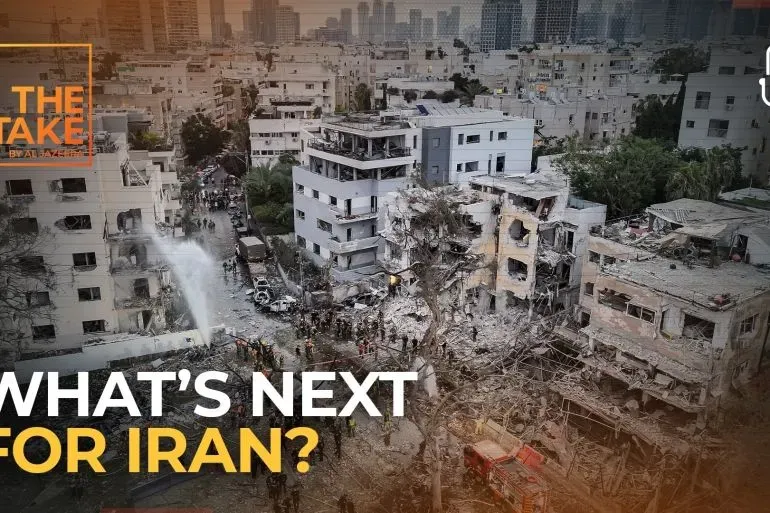
Political developments throughout the Middle East are equally transformative, directly affecting the balance of power and governance. A pivotal aspect of the contemporary political landscape involves grassroots movements seeking reform in various nations, as dissatisfaction with existing regimes fuels public protests and activism. Countries like Iran are facing internal challenges, with the populace increasingly vocal against government mismanagement and demanding accountability. The situation in Iran underscores how economic troubles can intertwine with political unrest, potentially destabilizing the nation further.
Furthermore, Turkey’s strategic positioning as a regional influencer adds complexity to the political fabric of the Middle East. Engaging with NATO while managing conflicts in Syria and Libya, Turkey’s foreign policy reflects its aspirations for leadership. Cooperation and conflict next to other Middle Eastern states notably emphasize the need for diplomatic strategies to maintain regional stability. As challenges continue to emerge, understanding these political developments is crucial for comprehending the underlying shifts that impact both regional and global politics.
The Future of Trade Relations in the Middle East
Recent trade relations in the Middle East have evolved significantly, particularly following the Abraham Accords, which marked a pivotal change in diplomacy between Israel and several Arab nations. This landmark agreement has opened new avenues for trade and cooperation, fostering economic integration across borders. The shifting dynamics are likely to enhance investment opportunities in sectors such as agri-tech and renewable energy, showcasing the region’s potential to transition towards more collaborative economic frameworks that prioritize technological advancements.
Moreover, the strategic alliances formed through these agreements help stimulate the regional economy, potentially elevating the United States’ interest in further diplomatic engagements within the area. As trade relations strengthen between nations once considered adversaries, a new phase of economic interdependence emerges, which could lead to sustainable growth and improved socio-economic conditions across the Middle East. Understanding these developments is essential for players within the international market who are keen on capitalizing on the evolving trade landscape.
Youth-Initiated Social Movements Across the Middle East
The youth of the Middle East play an instrumental role in shaping political discourse through social movements driven by a desire for change. With a highly connected generation utilizing social media platforms to spread activism, young people increasingly demand accountability, rights, and reforms that challenge outdated norms. Countries like Lebanon and Iraq have seen significant mobilizations spearheaded by the younger demographics, highlighting issues such as corruption and government inefficiency.
These social movements signify not just a yearning for political reform, but also a transformative wave that seeks economic inclusivity and opportunities for the future. Engaged and empowered, the youth of the Middle East seek to redefine their nations’ destinies, fostering environments conducive to innovation and progress in line with future aspirations. As these movements gain momentum, they are reshaping the narrative around governance and societal values in the region.
The Importance of the Gulf Cooperation Council (GCC)
The Gulf Cooperation Council (GCC) serves as a critical platform for collective efforts among its member states to address regional challenges. Recent reconciliations, particularly following the blockade against Qatar, reflect a renewed commitment to collaboration in tackling shared interests such as security, trade, and crisis management. This unity not only enhances the geopolitical stability of the region but also signifies an understanding of the need for collective economic vision that aligns with goals similar to those outlined in Saudi Vision 2030.
The GCC’s function as a mediating body can potentially reshape economic policies that promote collective growth while maintaining peace among member states. As regional conflicts persist, the cooperation and policies developed by the GCC provide frameworks for collaborative economic initiatives that can lead to a more stable and prosperous Gulf region. Understanding the dynamics of the GCC is essential for grasping how regional powers intend to navigate their futures amidst global economic and political currents.
Frequently Asked Questions
What are the key economic shifts in Middle East news today?
Middle East news today highlights significant economic shifts driven by diversification efforts amid falling oil prices. Countries like Saudi Arabia and the UAE are focusing on reducing oil dependency through initiatives such as Saudi Vision 2030, which emphasizes sectors like tourism and renewable energy, marking a pivotal change in the regional economy.
How is Saudi Vision 2030 impacting Middle East news today?
Saudi Vision 2030 is a cornerstone of Middle East news today, representing an ambitious framework aimed at transforming the Saudi economy. It seeks to decrease reliance on oil by investing in sectors such as tourism and entertainment, enticing global investment, and initiating mega-projects like NEOM to foster innovation and sustainable development.
What role does the Gulf Cooperation Council play in current Middle East news?
The Gulf Cooperation Council (GCC) is central to Middle East news today as it navigates a new phase of unity among member states. Following the resolution of tensions with Qatar, the GCC is working towards collaborative policies on trade and security, essential for maintaining stability and fostering economic growth in the region.
What political developments are shaping Middle East news today?
Political developments in Middle East news today are marked by ongoing tensions and social movements advocating for reform. The youth-led activism highlights demands for accountability and governance reforms in countries like Iran and Lebanon, indicating significant shifts in the political landscape as populations seek change.
How are trade relations in the Middle East evolving according to today’s news?
Current Middle East news shows evolving trade relations, particularly influenced by the Abraham Accords, which have normalized ties between Israel and several Arab nations. This shift opens new opportunities for investment and cooperation in sectors like technology and agriculture, enhancing regional economic interdependence.
| Key Points | Details |
|---|---|
| Economic Shifts | The Middle East has seen major economic changes due to falling oil prices, COVID-19, and diversification efforts. |
| Saudi Vision 2030 | An initiative to reduce oil dependency by promoting sectors like tourism, entertainment, and renewable energy. |
| UAE’s Innovation Push | The UAE is investing in AI, fintech, and green technologies, highlighted by Expo 2020. |
| COVID-19 Aftermath | The pandemic’s impact is leading to digital transformations in business and consumer behavior. |
| Trade Relations | The Abraham Accords have increased trade and cooperation between Israel and Arab nations. |
| Iran’s Economic Challenges | Iran is negotiating to revive the nuclear deal amidst ongoing sanctions and protests. |
| Turkey’s Role | Turkey maintains a complex position in regional conflicts and relationships with NATO. |
| Social Movements | Youth activism is on the rise, with social media empowering demands for reform. |
| Gulf Cooperation Council (GCC) | The GCC is experiencing renewed unity after the blockade against Qatar. |
| Palestinian-Israeli Conflict | New alliances are forming as countries address humanitarian concerns while engaging with Israel. |
Summary
Keeping up with Middle East news today is essential to understanding the significant economic shifts and political developments that are reshaping the region. As nations pursue diversification away from oil and engage in new political alliances, they are navigating a complex landscape marked by challenges and opportunities. The interplay between economic initiatives like Saudi Arabia’s Vision 2030 and the evolving political dynamics, including grassroots movements and international negotiations, highlights the region’s rapid transformation. Staying informed on these changes helps illuminate the broader implications for both Middle Eastern societies and global geopolitical stability.