Listen to this article
In recent weeks, Lebanon air strikes have escalated dramatically, resulting in horrifying civilian casualties and devastation across the region. Major Israeli air and ground operations aimed at the Iran-backed group Hezbollah have claimed dozens of lives, further intensifying the ongoing Hezbollah Lebanon conflict. Reports indicate that at least 41 individuals were killed during a nighttime operation in the Bekaa Valley, raising urgent concerns about the impact of military actions on local communities. As severe destruction unfolds, towns like Nabi Chit bear the brunt of aggressive military strategies, leaving families in mourning and destruction in their wake. With the specter of conflict looming large, analysis of Lebanon’s military operations highlights the urgent need for a resolution to prevent further loss of life and suffering.
In the context of escalating regional tensions, recent military engagements involving aerial bombardments over Lebanon have raised alarm about the ramifications for civilian populations. The ongoing confrontation between Israeli forces and militant groups has led to widespread devastation, particularly in areas like the eastern Bekaa Valley. As hostilities continue, reports of significant casualties among non-combatants highlight the grave humanitarian crisis developing in the region. Communities such as Nabi Chit have seen their lives uprooted by these military campaigns, increasing fears among residents about their safety and future. The pressing nature of these military operations underscores the need for international attention and diplomatic efforts to quell the violence and protect innocent lives caught in the crossfire.
The Impact of Israeli Air Strikes on Lebanon
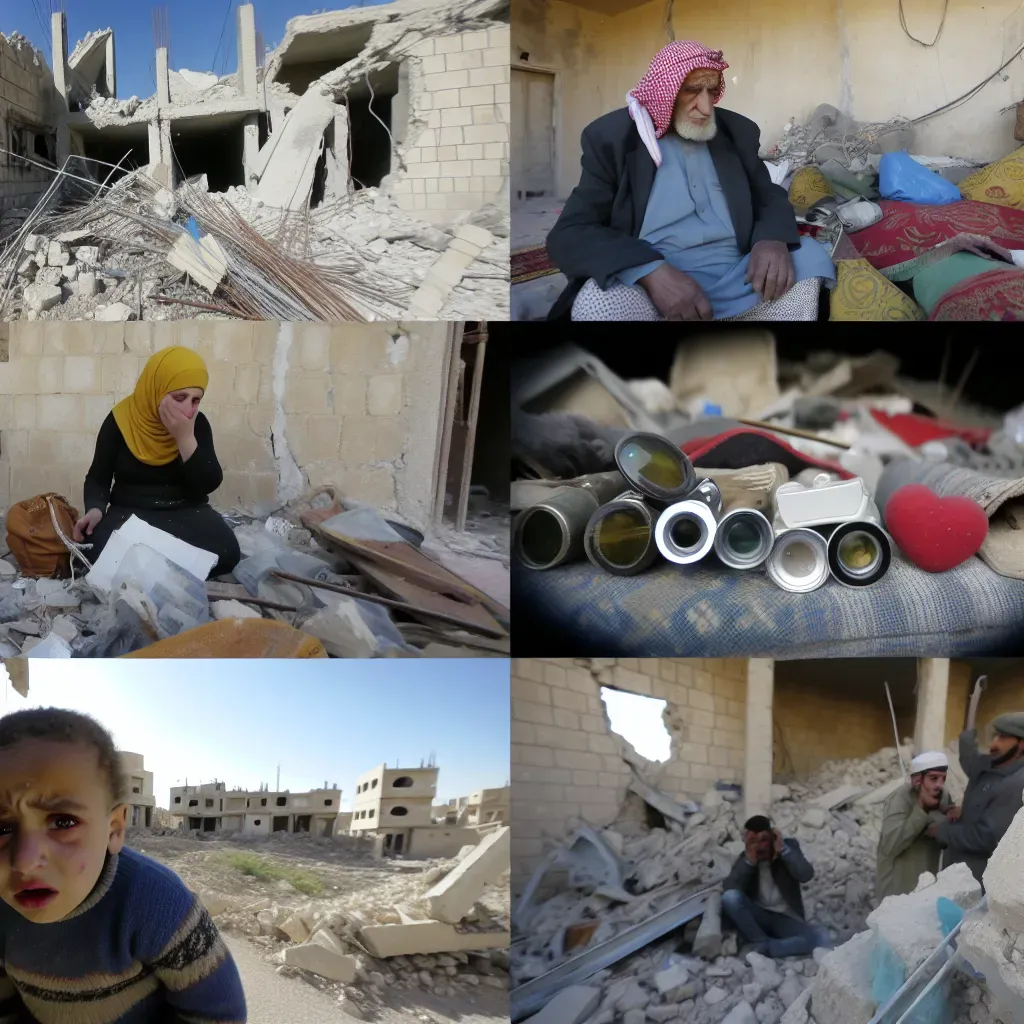
The recent Israeli air strikes in Lebanon have resulted in devastating consequences, with the death toll climbing significantly in the aftermath of extensive military operations. According to the Lebanese health ministry, the overnight attacks have claimed at least 41 lives, including civilians and Lebanese soldiers. The air strikes serve not only as a military tactic against Hezbollah but have also decimated entire neighborhoods, leaving many families in mourning and entire communities in anguish. Local residents have reported seeing the destruction, with remnants of homes and civilian items scattered across the streets.
Furthermore, the humanitarian implications are dire, highlighting the plight of civilians caught in the crossfire. The ongoing conflict has seen an influx of casualties, with reports indicating over 294 deaths due to Israeli military actions in the region. The extensive number of Israeli air strikes underscores the severity of the current situation, necessitating urgent international attention to prevent further loss of innocent lives and to seek a resolution to this escalating conflict.
Understanding the Hezbollah-Lebanon Conflict
The Hezbollah-Lebanon conflict has deep roots, stemming from a combination of military, political, and ideological factors. The group, officially designated a terrorist organization by several countries, has a significant presence in Lebanon, particularly in areas like Nabi Chit. This involvement has led to heightened tensions with Israel, where allegations of militant operations often escalate into military confrontations. The latest air strikes are indicative of how quickly the situation can deteriorate, as seen with the recent incidents leading to substantial civilian casualties and destruction.
As residents grapple with the repercussions of these hostilities, the conflict’s ramifications extend beyond immediate violence. The Lebanese military’s attempts to distance itself from Hezbollah reflect the complexities of dual loyalties and the challenges of governance in a nation deeply divided along sectarian lines. With ever-increasing pressure on local populations to navigate their allegiance between state and militia, the reality is compounded by the presence of military operations that often disregard civilian safety. This underscores the precariousness of life in Lebanon as the conflict continues to unfold.
Nabi Chit: A Ground Zero for Conflict
Nabi Chit has emerged as a pivotal location in this ongoing conflict, witnessing some of the most intense military operations and civilian suffering. The village’s strategic significance is illustrated by the significant military presence and frequent clashes between Israeli forces and Hezbollah fighters. Witnesses have recounted the harrowing experiences during operations, where airstrikes accompany ground assaults, leaving devastation and grief in their wake. The local community has not only faced military aggression but also the psychological toll it has taken, with families losing loved ones and struggling to cope with the aftermath.
The recent operations aimed at recovering an Israeli airman missing for decades further complicated the situation, as families in Nabi Chit echoed sentiments of loss and fear. The collateral damage inflicted upon civilians has reinforced Hezbollah’s narrative of resistance and bolstered local support despite the destruction. This unique dynamic showcases the resilience and defiance among the villagers, where even amidst the wreckage, there are resonates of solidarity against external threats. The strategic and emotional depths of Nabi Chit mirror the broader Lebanese experience of navigating the geopolitical tensions in the region.
Civilian Casualties: The Unseen Victims of War
In any military conflict, civilian casualties pose some of the most heartbreaking consequences, and the recent airstrikes in Lebanon are no exception. The toll on innocent lives—exemplified by the deaths of families and children—has been alarming as the Lebanese health ministry reports an increasing number of civilian fatalities. Local narratives reveal the sorrow and disarray in communities as they grapple with loss, not just of lives but of homes and livelihoods. Eyewitness accounts illustrate the anguish of those who have lost loved ones during the unrelenting bombardments.
Moreover, addressing civilian casualties raises crucial humanitarian questions about the obligations of military forces in conflict zones. The striking of civilian areas not only brings forth questions of legality but also highlights the moral imperatives involved in military operations. As local populations bear the brunt of the violence, the necessity for dialogue and urgent humanitarian intervention has never been more pressing. The impact on families—shattered by loss and fear—underscores the urgent need for strategies that prioritize the protection of non-combatants in ongoing hostilities.
Lebanon’s Military Operations and Strategic Responses
Lebanon’s military operations play a critical role in mediating the escalating tensions between Hezbollah and Israel. The Lebanese Armed Forces are caught in a complex web of strategies, aiming to maintain national sovereignty while navigating their relationship with Hezbollah. Reports of heightened military readiness and defensive measures emphasize the urgency for Lebanon to establish a clear stance amidst these hostile engagements. The military has implemented procedures to protect civilians, such as utilizing flare bombs to identify the landing sites of foreign forces, highlighting the delicate balance they must strike.
However, the effectiveness of Lebanon’s military operations is often challenged by external pressures and the dominating presence of Hezbollah in the region. The Lebanese army’s efforts to distance itself from Hezbollah underscore the precarious nature of their operations, often occurring alongside or in response to militia activities. This raises significant concerns about the broader implications for Lebanon’s national security and political stability as they navigate the multifaceted pressures of an ongoing conflict and the imperative of protecting their citizens.
The Role of International Diplomacy Amidst Conflict
Amidst the chaos of military engagements and civilian suffering, international diplomacy remains a crucial, if complicated, component of conflict resolution in Lebanon. Several global actors are involved in mediating peace and advocating for humanitarian assistance, seeking to address not only the immediate crises but also the underlying issues fueling tensions. The persistent air strikes and violent confrontations underscore the importance of dialogue, as well as the need for a coherent strategy to assure both local and international stakeholders of stability in Lebanon.
However, the path to peace is often obstructed by geopolitical interests and the intricacies of regional alliances. With global powers having vested interests in the outcomes of Hezbollah’s strength and Israel’s security, international efforts can become mired in complications. These geopolitical dynamics necessitate careful negotiations that respect Lebanon’s sovereignty while advancing humanitarian objectives to protect civilians caught in conflict. As diplomatic channels strive for clarity in the midst of turmoil, the urgency for sustained efforts and genuine commitment to resolve the crisis remains paramount.
Witnessing Destruction: Eyewitness Accounts from Nabi Chit
Eyewitness accounts from Nabi Chit paint a vivid picture of the destruction caused by the latest conflict. Local residents describe harrowing scenes, from the reverberating sounds of airstrikes to the palpable fear on the streets as communities attempt to defend their homes against overwhelming military force. The testimonials reflect the horrific scale of destruction, with bullet casings littering the ground and homes reduced to debris—as they attempt to cope with the aftermath of violence directed at both military and civilian targets. This personal lens on the conflict humanizes the statistics and brings to light individual stories at risk of being overlooked.
Residents detail the emotional toll on families—narratives of loss intertwine with expressions of defiance, showcasing the resilience of a community unwilling to surrender. The juxtaposition of mourning for lost loved ones with the determination to resist captures the complexity of experiences in the face of persistent danger. As families continue to gather around the remnants of their lives, it is clear the ethos of resilience is not merely a slogan but a lived reality amid profound tragedy. The stories from Nabi Chit serve as a reminder of the human spirit’s endurance against the backdrop of relentless conflict.
Humanitarian Needs: Responding to the Crisis in Lebanon
As the crisis in Lebanon intensifies, humanitarian needs are increasingly dire. The destruction wrought by Israeli air strikes has left numerous families without shelter, access to basic necessities, and critical medical care for those injured in the conflict. Relief organizations face significant challenges in accessing affected areas like Nabi Chit due to ongoing hostilities, heightening the urgency for an effective response to meet immediate needs. The international community must mobilize to provide assistance, ensuring that survival resources reach those most affected by the conflict.
Additionally, addressing the psychological trauma that many civilians experience is equally important, as the memories of bombings and violence can have enduring impacts on mental health. Providing psychological support services becomes essential in the aftermath of such catastrophic events, enabling communities to heal and rebuild. Successful humanitarian efforts must therefore be holistic, encompassing not only physical aid but also mental health support to help individuals overcome the profound traumas inflicted by war. Without such a comprehensive approach, the path to recovery for Lebanon remains perilously fragile.
Resilience in the Face of Adversity: The Voice of the People
Amidst the dark clouds of conflict, the spirit of resilience continues to shine through in Lebanon. As citizens face the aftermath of Israeli air strikes, their voices reveal an unwavering determination to resist and rebuild. Residents of Nabi Chit express hopes of continuity despite the destruction around them, vowing to stand firm against adversity. The villagers’ declarations of unity reflect a deep-seated commitment to their homes and communities, underscoring the human spirit’s ability to persevere even in the bleakest circumstances.
The resilience displayed by the people of Lebanon is not merely a response to conflict; it embodies a broader cultural identity intertwined with a history of struggle and resistance. Their stories reveal a profound connection to their land and heritage, driving home the notion that even as they endure immense loss, hope remains alive. The collective will of the Lebanese people suggests that while Israeli air strikes have attempted to dismantle their communities, they are poised to rise from the ashes and reclaim their future.
Frequently Asked Questions
What recent events occurred during the Israeli air strikes in Lebanon?
Recent Israeli air strikes in Lebanon have resulted in significant casualties, including dozens of deaths and injuries in the eastern Bekaa Valley, particularly in the town of Nabi Chit. These strikes were part of a larger operation involving the Israeli military and have heightened tensions in the ongoing conflict with Hezbollah.
How many civilian casualties have been reported due to the Lebanon air strikes?
According to the Lebanese health ministry, at least 294 people have been killed across Lebanon from Israeli military actions since the escalation began, with many civilian casualties reported in areas heavily affected, such as Nabi Chit.
What is the role of Hezbollah in the Lebanon air strikes conflict?
Hezbollah, the Iran-backed group, plays a significant role in this conflict, actively engaging in clashes with Israeli forces and being targeted in Israeli air strikes. The group’s presence in Lebanon, particularly in regions like Nabi Chit, has complicated the military operations and increased civilian danger.
What was the objective of the Israeli operation in Nabi Chit?
The Israeli operation in Nabi Chit primarily aimed to recover the remains of an Israeli airman who went missing in Lebanon approximately 40 years ago. This operation led to extensive air strikes and ground clashes, resulting in severe destruction and civilian casualties.
What were the immediate impacts of the Israeli air strikes on civilians in Lebanon?
The immediate impacts include numerous civilian casualties, widespread destruction of property, and deepening fear within the local population of further military actions. Residents reported seeing homes reduced to rubble and experiencing intense military operations that left the community in shock.
How is the Lebanese military responding to the air strikes?
The Lebanese military has taken defensive measures in response to the air strikes, including heightened alertness and using flare bombs to identify potential landing sites for Israeli forces. They have aimed to distance themselves from the conflict while addressing the national security concerns posed by Israeli operations.
What justification does Israel provide for its air strikes in Lebanon?
Israel justifies its air strikes in Lebanon as necessary operations to target Hezbollah’s military capabilities and to recover remains of fallen soldiers. The Israeli Defense Forces (IDF) claim their actions are aimed at dismantling weapons sites used by Hezbollah, which they designate as a terrorist organization.
What has been the international reaction to the recent Lebanon air strikes?
The international reaction to the Lebanon air strikes has been mixed, with some countries expressing concern over civilian casualties and the humanitarian impact, while others support Israel’s right to defend itself against threats posed by Hezbollah.
Are there any evacuation orders for civilians during the Lebanon air strikes?
Yes, there have been sweeping evacuation orders issued to civilians in areas like Nabi Chit, with locals reporting directives to leave their homes just before the Israeli air strikes began. This has led to chaotic evacuations and heightened fears among residents.
What evidence has emerged regarding combat tactics used during the air strikes?
Witnesses and local reports indicate that Israeli forces allegedly operated under cover during the air strikes, even using ambulances marked with Hezbollah’s insignia to facilitate operations. This tactic has raised significant concerns among local residents and humanitarian organizations.
| Key Point | Details |
|---|---|
| Lebanon Air Strikes | Dozens killed during Israeli air and ground operations in Lebanon. |
| Casualties | At least 41 people killed and 40 injured, including civilians and Lebanese soldiers. |
| Location of Conflict | The focus was in Nabi Chit, a town in the eastern Bekaa Valley. |
| Objectives of Israeli Operations | The main goal was to recover the remains of an Israeli airman missing for 40 years. |
| Hezbollah’s Role | Hezbollah heavily engaged in defending the region against Israeli strikes. |
| Israeli Military Tactics | Israel executed around 40 airstrikes to cover special forces operations. |
| Civilian Impact | Many civilians remained in the area, and widespread destruction occurred. |
| Broader Conflict Perspective | The situation aligns with the ongoing conflict between Hezbollah and Israel. |
Summary
The recent Lebanon air strikes have led to significant casualties, including both military personnel and civilians, marking a dangerous escalation in the ongoing conflict. In the backdrop of regional tensions, particularly with Hezbollah, it’s evident that the violence has deep roots and has resulted in immense suffering for the local population. As the strikes continue, the international community watches closely, recognizing that these hostilities reflect broader geopolitical struggles.