Listen to this article
Credit card interest rates play a crucial role in your overall financial health, as they determine how much you pay in interest when carrying a balance. Understanding how credit card interest works, including the intricacies of credit card APR explained, can empower you to make informed decisions. With various types of credit card interest rates—such as purchase APR and cash advance interest—it’s essential to know what you’re signing up for. Properly managing credit card debt involves not just paying on time but also strategically minimizing the interest you incur. By grasping the nuances of these rates, including how interest rates on cash advances can differ significantly, you can navigate your credit card choices with confidence.
When dealing with plastic payment methods, comprehending the concept of interest charges becomes imperative for cardholders. The cost associated with borrowing money through these financial tools is typically referred to as APR, or Annual Percentage Rate, which represents the annualized cost of borrowing. Variations of interest rates, including rates applicable on cash withdrawals and those for balance transfers, highlight the need for consumers to be discerning. Developing effective strategies for overseeing credit-related expenses can significantly impact your financial stability. By equipping yourself with knowledge about the different aspects of credit interest, you can create a more sustainable approach to your spending and repayment habits.
Understanding Credit Card APR Explained
The Annual Percentage Rate (APR) is a crucial element to comprehend when managing credit card interest rates. Credit card APR represents the yearly cost of borrowing expressed as a percentage. For example, if you have an APR of 15%, it implies that for every $100 you owe, you will incur $15 in interest over one year if no payments are made. It is important to know that the APR can vary based on your creditworthiness, the card issuer, and the type of card.
Furthermore, APR can also differ vastly among various offers. For instance, some cards may offer promotional rates that are significantly lower than standard APRs to attract new customers. Understanding the nuances of how your credit card APR works can empower you to choose the best card for your spending habits and financial situation.
Frequently Asked Questions
How do credit card interest rates work?
Credit card interest rates, or APR, reflect the cost of borrowing on your credit card. This rate determines how much interest you accrue each month if you carry a balance. Understanding how credit card interest works can help you make informed payment decisions to minimize interest charges.
What is the difference between purchase APR and cash advance APR on credit cards?
The purchase APR applies to regular purchases made with the credit card, while the cash advance APR is charged when you withdraw cash from your card, typically at a higher rate. Furthermore, interest on cash advances usually starts accruing immediately, unlike purchase APR, which may have a grace period.
How is credit card interest calculated on outstanding balances?
Credit card interest is usually calculated using the daily periodic rate, which is derived from your APR. Interest accumulates daily based on your average daily balance, and at the end of your billing cycle, total interest charges are added to your account.
What are the types of credit card interest rates I should know about?
Key types of credit card interest rates include Purchase APR, Cash Advance APR, Balance Transfer APR, and Penalty APR. Each serves different purposes and can significantly affect your overall credit card costs, especially if you carry a balance.
What factors can influence my credit card interest rates?
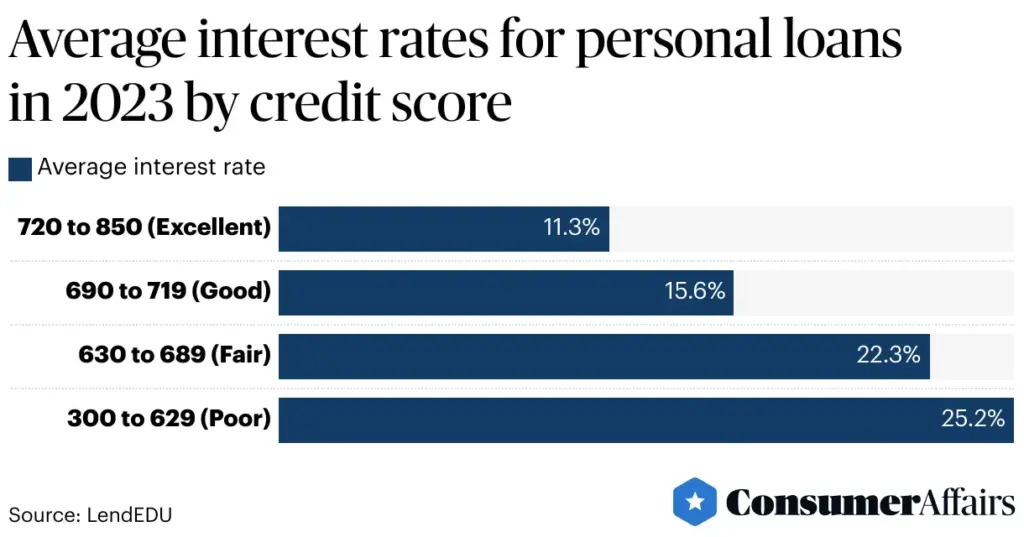
Factors that influence your credit card interest rates include your credit score, the type of credit card you hold, overall market conditions, and your payment history. A higher credit score usually results in lower interest rates due to perceived lower risk.
How can I manage high credit card interest rates effectively?
To manage high credit card interest rates, consider timely payments, paying more than the minimum, negotiating for lower rates, and exploring balance transfer options with lower or promotional APRs. These strategies can dramatically reduce the amount you spend on interest.
| Topic | Key Points |
|---|---|
| What Is a Credit Card Interest Rate? | The cost incurred for borrowing money, often expressed as an APR, charging interest on outstanding balances. |
| How Is Credit Card Interest Calculated? | Using a daily periodic rate derived from APR and averaging the daily balance during the billing cycle. |
| Types of Interest Rates | 1. Purchase APR 2. Cash Advance APR 3. Balance Transfer APR 4. Penalty APR |
| Understanding Grace Periods | A time frame (21-25 days) to pay off balance without interest, varying by card terms. |
| Factors Influencing Your Interest Rate | 1. Credit Score 2. Credit Card Type 3. Market Conditions 4. Payment History |
| Tips for Managing Credit Card Interest | 1. Pay on Time 2. Pay More than Minimum 3. Negotiate for Lower Rates 4. Consider Balance Transfers 5. Use Credit Savvy Cards |
Summary
Credit card interest rates are crucial for understanding the cost of borrowing on your credit card. By comprehending how these rates work, including their calculation and various types, you can manage your credit card use better. With strategies like timely payments and effective management of your balances, you can keep interest charges at bay, ultimately leading to smarter financial decisions. Stay informed about your credit card terms to maintain better control over your finances and achieve a healthier financial future.