
Listen to this article
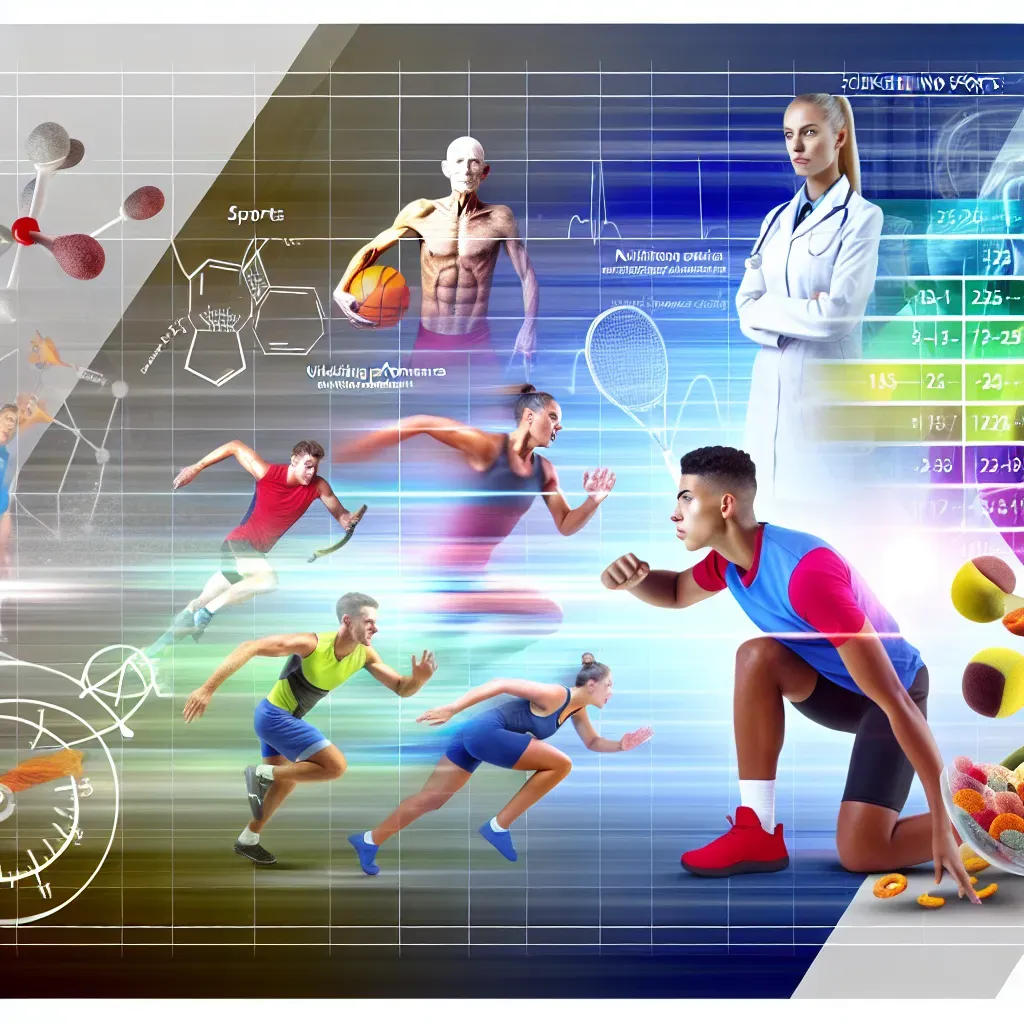
Sports science is revolutionizing the way athletes approach their training, recovery, and overall performance enhancement. This dynamic field combines principles from sports physiology, nutritional strategies, mental conditioning, and fitness technology to optimize athletic output. By understanding how the body reacts to physical stress, athletes can fine-tune their training regimens and recovery tactics for maximum efficiency. Moreover, the integration of cutting-edge technology aids in performance tracking and injury prevention, empowering athletes and coaches alike. In a world where every second counts, sports science emerges as the vital key to unlocking peak performance and achieving athletic excellence.
The realm of athletic performance enhancement encompasses various disciplines that are crucial for athletes striving to excel. This domain spans from the physiological aspects of exercise science, highlighting how athletes can harness their body’s capabilities, to nutritional tactics aimed at fueling workouts and fortifying recovery. A focus on mental resilience and coaching further enriches an athlete’s toolkit, enabling them to navigate the challenges of competitive sports. Advances in fitness technology play an indispensable role in providing real-time data and insights, allowing for tailored training approaches. Collectively, these elements weave together a comprehensive framework that defines the science of maximizing athletic performance.
The Significance of Sports Science in Athlete Development
Sports science plays a crucial role in athlete development by combining various disciplines, including biomechanics, physiology, and psychology, to optimize performance. Coaches and trainers are increasingly relying on these scientific principles to create training programs that are tailored to the unique needs of each athlete. This systematic approach not only enhances physical abilities but also ensures that athletes understand the impact of training on their performance, making them more resilient and informed competitors.
As the field has evolved, sports science has introduced innovative methods that help track and analyze performance metrics. For instance, wearable technology collects data on heart rate, sleep patterns, and even muscle fatigue. This real-time feedback allows athletes and their coaches to adjust training regimens dynamically, ensuring that each session is maximally effective. Ultimately, the integration of sports science into athlete development is setting the standard for how modern athletes approach their training and competition.
Frequently Asked Questions
What is sports science and its role in performance enhancement?
Sports science is the study of how scientific principles apply to athletic performance. It encompasses various fields, including sports physiology, nutrition, and psychology, focusing on optimizing performance enhancement through evidence-based practices.
How does sports physiology impact athletic performance?
Sports physiology studies the body’s responses to exercise, helping athletes maximize performance through tailored training programs. It explores cardiovascular efficiency, musculoskeletal strength, and metabolic responses to enhance overall athletic performance.
What nutritional strategies are effective for performance enhancement in athletes?
Effective nutritional strategies include prioritizing carbohydrates for energy, increasing protein intake for muscle recovery, and incorporating healthy fats for sustained energy. These elements play critical roles in enhancing athletic performance and recovery.
How can mental conditioning improve athletic performance?
Mental conditioning techniques, such as visualization and mindfulness, help athletes prepare psychologically for competition. These strategies enhance focus, confidence, and reduce anxiety, which are crucial for optimal performance.
What role does athlete recovery play in sports science?
Athlete recovery is essential for performance longevity. Recovery strategies include sleep, active recovery exercises, and manual therapy, all of which support muscle repair, energy replenishment, and overall performance enhancement.
How does fitness technology contribute to performance enhancement?
Fitness technology, including wearables and video analysis tools, provides real-time data on performance metrics. This information enables personalized training plans and recovery strategies, facilitating enhanced athletic outcomes.
What are the benefits of understanding metabolic responses in sports?
Understanding metabolic responses helps determine whether an athlete relies more on aerobic or anaerobic energy systems. This knowledge enables the development of customized training and nutritional strategies to enhance performance.
How can hydration strategies optimize athletic performance?
Hydration is critical for maintaining performance. Personalized hydration strategies, which account for factors like temperature and exertion levels, help prevent dehydration and ensure optimal athletic function during activities.
In what ways do psychological factors influence sports performance?
Psychological factors such as motivation, focus, and mental resilience significantly influence sports performance. Understanding these aspects can help athletes cultivate better mental strategies for training and competition.
What is the significance of strength training in sports performance enhancement?
Strength training is crucial as it significantly boosts musculoskeletal strength, power, and overall athletic performance metrics, such as sprint speed and explosive movements, leading to enhanced competitive outcomes.
| Key Area | Definition | Importance |
|---|---|---|
| Sports Physiology | Study of the body’s responses to exercise. | Optimizes performance and reduces injury risk. |
| Cardiovascular Fitness | Efficiency of heart, lungs, and muscles during activity. | Essential for endurance athletic performance. |
| Musculoskeletal Strength | Strength and power derived from weight training. | Enhances overall performance metrics. |
| Metabolic Response | Energy usage pathways during physical activity. | Informs customized training and nutrition strategies. |
| Nutrition and Hydration | Fueling the body with macronutrients and fluids. | Crucial for performance and recovery. |
| Psychological Aspects | Mental strategies for enhancing performance. | Improves focus, motivation, and confidence. |
| Technology in Training | Use of data and tools to analyze performance. | Enables tailored training and injury prevention. |
| Recovery Strategies | Methods to facilitate recovery post-training. | Vital for performance longevity and health. |
Summary
Sports science has dramatically evolved over the years, leading to a deeper understanding of performance enhancement. Initially, the focus was on basic training methods and general fitness. As time progressed, researchers began exploring sports physiology, emphasizing the body’s response to exercise and how it could be optimized. In parallel, advancements in nutrition were recognized, with macronutrient impacts on performance being extensively studied. The role of psychology also emerged, highlighting the vital mental aspects that influence athletic success. In recent years, technology has surged forward, with wearable devices enabling athletes to track performance metrics in real-time. Today, recovery strategies are as crucial as training, with emphasis on sleep and active recovery becoming commonplace. Overall, the journey of sports science continues to illuminate the path for athletes seeking peak performance, showcasing that understanding and applying these multifaceted strategies is essential for success.

