Listen to this article
UK mortgage rates are a critical topic for anyone looking to enter the housing market or refinance their current mortgage. As the implications of recent economic changes and the decisions made by the Bank of England unfold, understanding how interest rate adjustments may influence home loan interest rates is essential. Financial expert insights indicate that future mortgage rates could see fluctuations driven by inflation, housing market trends, and governmental policies. With predictions suggesting potential upward trends in the longer term, now is the time for prospective borrowers to stay informed and prepared. In this article, we will delve deeper into what the future holds for UK mortgage predictions and how you can navigate the evolving landscape.
When discussing UK home financing options, one cannot overlook the importance of mortgage interest rates, which play a pivotal role in determining monthly payments and overall affordability. As we assess future lending scenarios, various economic indicators and the influence of the Bank of England’s policy decisions are essential to consider. Understanding the dynamics surrounding these financial products is crucial for first-time buyers and seasoned investors alike. As experts project potential trends in mortgage borrowing costs and gauge the impact of inflation on rates, having a solid grasp of these elements can steer your decisions in a favorable direction. Therefore, staying ahead of developments in home financing becomes not just beneficial but vital for securing advantageous terms.
The Impact of Bank of England Policies on Mortgage Rates
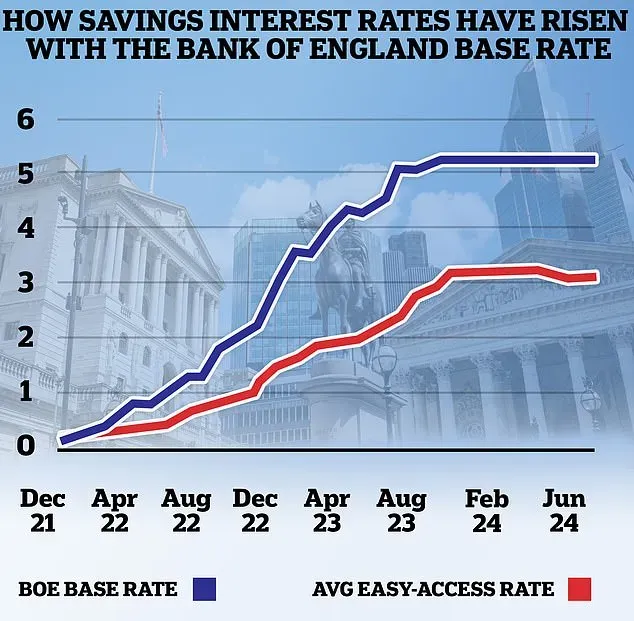
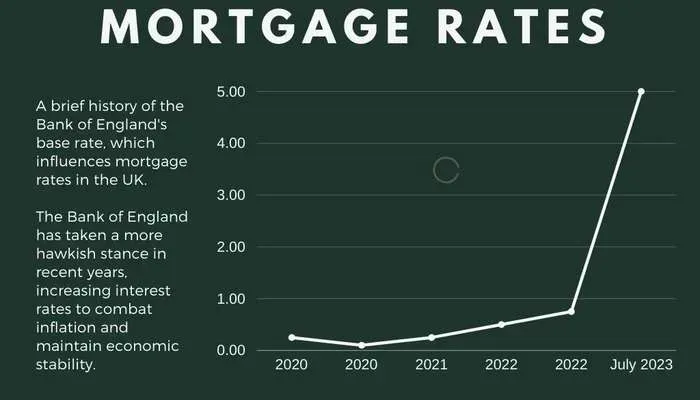
The Bank of England plays a pivotal role in determining mortgage rates in the UK. As the central bank, its monetary policies directly influence the base interest rates, which in turn affect borrowing costs across the financial sector. For instance, when the Bank of England lowers its base rate, lenders often adjust their mortgage products accordingly, leading to a decrease in home loan interest rates. Conversely, if the bank raises the base rate to counter inflation, homeowners may experience increased mortgage costs. Understanding these dynamics is crucial for prospective buyers.
Moreover, financial experts suggest that potential buyers should closely monitor the Bank of England’s announcements, as these can indicate future trends in mortgage rates. Stability or volatility in the base rate can signal whether now is a good time to secure a mortgage or if waiting might lead to better rates. As economic conditions fluctuate, keeping abreast of the Bank’s strategies and forecasts can significantly impact decisions regarding home purchases.
Understanding Current UK Mortgage Rates
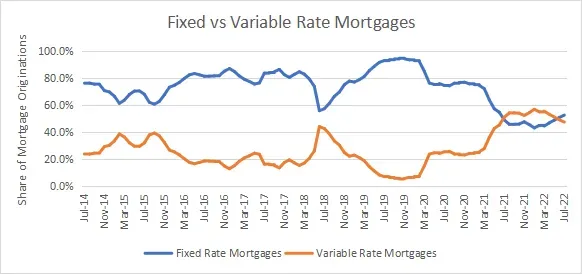
Current UK mortgage rates fluctuate based on factors such as inflation, housing market dynamics, and economic indicators. As of now, many lenders offer competitive rates to attract borrowers, especially after the recent economic recovery post-COVID-19. Fixed-rate mortgages are particularly appealing in this context, as they provide stability against potential future rises in interest rates. Homebuyers are encouraged to explore various mortgage products available to them to find the best fit for their financial situation.
For anyone considering a mortgage, understanding how these rates affect overall borrowing potential is crucial. Lower mortgage rates can mean savings of hundreds of pounds over the term of a loan, whereas higher rates can significantly increase the cost of homeownership. Thus, analyzing current rates and their long-term trends is essential for making informed decisions during the mortgage application process.
Predictions for Future Mortgage Rates in the UK
Based on expert analysis, future mortgage rates in the UK are expected to gradually rise as the economy continues to recover. Financial experts point out that while short-term stability is anticipated, long-term trends suggest that borrowers might face higher rates as inflation remains a pressing concern for the Bank of England. As inflation rises, the Bank may respond with rate hikes to maintain economic balance, further impacting mortgage lending rates.
Additionally, potential changes in government policies aimed at stimulating housing market activity may also influence future mortgage rates. If the government introduces new support measures for first-time buyers, it may lead to competitive pricing in the mortgage market. Such developments could play a significant role in shaping borrowers’ decisions and strategies in the coming years as they seek to secure the best possible mortgage terms.
Tips for Choosing the Right Mortgage Rate
When selecting a mortgage, it’s important to evaluate the various types of interest rates available, including fixed-rate and variable-rate mortgages. Fixed-rate mortgages can provide predictability and make it easier to budget for monthly payments, especially important during times of economic uncertainty. Conversely, while variable rates may start lower, they are subject to market fluctuations, which can affect payments over time.
In addition to interest type, borrowers should also consider the overall cost structure of their mortgage, including fees and potential penalties for early repayment. Consulting with financial experts can help elucidate these details and ensure prospective homeowners choose a mortgage product that aligns with both their financial capabilities and long-term goals.
The Role of Financial Experts in Mortgage Planning
Engaging with financial experts can provide invaluable insights for anyone navigating the mortgage landscape. These professionals can offer tailored advice based on the most current economic data, helping potential buyers understand how changing market conditions may influence their mortgage options. Their expertise can be particularly beneficial for first-time buyers who may be unsure of the best way to approach financing their home purchase.
Moreover, financial experts can assist in evaluating different lenders and mortgage products, ensuring that borrowers have access to the most competitive rates available. By leveraging their industry knowledge, these experts can help clients avoid common pitfalls and make informed decisions that align with their financial objectives, ultimately leading to more favorable mortgage outcomes.
How Economic Indicators Shape Mortgage Rates
Economic indicators, such as GDP growth, unemployment rates, and inflation metrics, significantly influence mortgage rates in the UK. A robust economy often results in increased consumer confidence, leading to higher demand for mortgages, which in turn can push rates upward. Conversely, a sluggish economy typically leads to lower demand and a decrease in mortgage rates as lenders strive to attract borrowers.
In light of these factors, it is essential for potential homebuyers to monitor key economic indicators, as changes can provide crucial insights into when to lock in a mortgage rate. Understanding these economic signals can empower consumers to make informed decisions, whether they are looking to purchase their first home or refinance an existing mortgage.
Frequently Asked Questions
What are the current UK mortgage rates and how do they vary?
Current UK mortgage rates vary based on several factors including the type of loan, lender, and borrower’s financial situation. As of now, fixed-rate mortgages tend to range from 2% to 4% while variable rates may be lower. These rates are influenced by the Bank of England’s base rate, economic conditions, and housing market demand.
What predictions do financial experts have for future mortgage rates in the UK?
Financial experts predict that UK mortgage rates may remain stable in the short term due to current economic conditions. However, as inflation and economic recovery from the COVID-19 pandemic continue to influence the market, there may be gradual increases in long-term mortgage rates in the next few years.
How does the Bank of England influence UK mortgage rates?
The Bank of England significantly influences UK mortgage rates by setting the base interest rate, which affects borrowing costs throughout the banking system. When the Bank adjusts its base rate, lenders typically adjust their mortgage rates accordingly, impacting home loan interest rates available to borrowers.
What factors should I consider when predicting future UK mortgage rates?
When predicting future UK mortgage rates, consider factors such as inflation rates, the Bank of England’s monetary policy, housing market trends, and economic indicators like GDP growth and employment rates. These elements can impact both short-term stability and long-term trends in mortgage rates.
Should I choose a fixed or variable mortgage rate based on future predictions?
Choosing between a fixed or variable mortgage rate depends on your financial situation and outlook on future mortgage rates. If experts predict rising rates, a fixed-rate mortgage can provide stable payments and protect against future increases. Conversely, a variable rate may offer lower initial payments but could become more expensive over time.
How can government policies affect UK mortgage rates and borrowing costs?
Government policies can significantly shape UK mortgage rates and borrowing costs through initiatives that support first-time buyers or adjust lending criteria. Such policies can increase competition among lenders, leading to more favorable home loan interest rates for consumers, ultimately influencing overall mortgage affordability.
| Aspect | Details |
|---|---|
| Mortgage Rate Definition | The amount of interest charged on a mortgage loan, influencing monthly payments and affordability. |
| Influencing Factors | 1. Bank of England Base Rate 2. Inflation Rates 3. Housing Market Trends 4. Economic Indicators |
| Short-term Predictions | Stable mortgage rates expected due to the current economic climate and no drastic base rate increases anticipated. |
| Long-term Trends | Gradual increase in mortgage rates expected as the economy improves post-COVID-19 and inflation concerns persist. |
| Government Policy Impact | New government initiatives could lead to changes in borrowing costs, affecting mortgage availability and competitiveness. |
| Preparation Strategies | 1. Stay informed about economic trends 2. Assess financial readiness 3. Shop around for competitive rates 4. Consider fixed-rate mortgages 5. Explore available government schemes |
Summary
UK mortgage rates are influenced by a range of economic factors and government policies that shape the mortgage landscape. Currently, financial experts predict a period of stability in short-term mortgage rates, with no major increases expected soon. However, as the economy rebounds from recent challenges and inflation remains a concern, long-term trends may indicate a gradual rise in rates. For prospective homeowners and current mortgage holders, staying informed and preparing financially are essential steps to secure the best mortgage terms in this evolving market.