Listen to this article
Navigating mortgage choices is crucial in today’s fluctuating financial landscape, particularly as the Bank of England’s interest rates continue to evolve. For prospective homeowners and those looking to refinance, understanding the implications of these rates on mortgage options is essential to making informed decisions. A fixed-rate mortgage can offer stability in uncertain times, whereas a variable-rate mortgage might provide competitive initial rates but carries the risk of increased payments when rates rise. As the market shifts, it’s important to evaluate your home buying strategy and consider how current economic conditions will influence your financial commitments. Ultimately, being proactive in exploring various mortgage choices can empower you to secure the best deal tailored to your needs.
Exploring different home financing options has never been more vital, especially with the current shifts in the monetary policy driven by the Bank of England. Mortgage alternatives, such as fixed and adjustable-rate loans, determine how much you’ll pay monthly and for how long you’ll owe. As interest rates rise or fall, borrowing trends in the housing market change, affecting everything from application processes to repayment strategies. Understanding these nuances, especially in the context of home buying or refinancing, allows consumers to adapt their financial plans accordingly. By evaluating an array of mortgage choices, buyers can better navigate this complex landscape and make strategic decisions that align with their long-term goals.
The Impact of Bank of England’s Interest Rates on Mortgage Choices
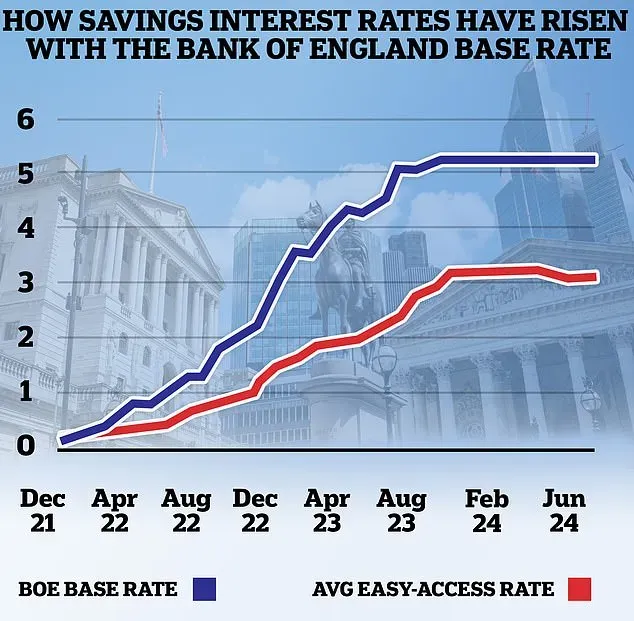
The decisions made by the Bank of England regarding interest rates play a crucial role in shaping the mortgage landscape. As interest rates fluctuate, borrowers are faced with various mortgage options, each influenced by the current base rate set by the bank. In periods of rising interest rates, fixed-rate mortgages become increasingly attractive to homebuyers seeking stability in their monthly payments, providing a safeguard against future rate hikes.
Conversely, when interest rates decrease, variable-rate mortgages often present an appealing option due to their initial lower rates. However, the risk of these rates increasing creates uncertainty for borrowers. Understanding how the Bank of England’s monetary policy affects your mortgage choice is essential; it can drastically change your financial obligations over time and should be a pivotal aspect of your home-buying strategy.
Differentiating between Fixed-Rate and Variable-Rate Mortgages
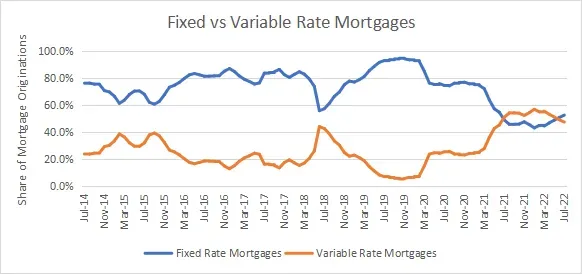
When navigating mortgage choices, one of the primary decisions borrowers face is whether to opt for a fixed-rate or a variable-rate mortgage. Fixed-rate mortgages remain constant throughout the term, making them beneficial in times of rising interest rates as they provide long-term predictability and security. This stability can be especially valuable for families planning their long-term budgets and financial commitments.
On the other hand, variable-rate mortgages are initially more affordable, as they typically start with lower rates that can change in accordance with the Bank of England’s adjustments. Although this option could lead to significant savings if interest rates remain low, the concern of rising rates can introduce financial risk. Therefore, borrowers should weigh their risk tolerance against the potential benefits of either mortgage type according to their specific financial circumstances.
Exploring Different Mortgage Types and Their Benefits
In today’s dynamic lending environment, understanding the various mortgage types available can significantly influence your home buying experience. Standard variable rate mortgages (SVR) typically adjust in alignment with the Bank of England’s base rate, providing flexibility but also uncertainty regarding future payments. Borrowers should analyze their financial situations to determine if this type aligns with their long-term goals and capabilities.
Tracker mortgages, which follow the Bank of England’s rates with a margin added by the lender, are another option that can appeal to savvy consumers. These products can be advantageous in a low-rate climate, but their costs can rise sharply alongside Base Rate increases. Similarly, discounted variable mortgages offer an initial lower cost but might not always provide the long-term savings needed if rates rise unexpectedly.
Strategies for Managing Mortgages During Economic Fluctuations
To navigate the complexities of mortgage choices during times of economic change, developing a strategic plan is essential. Evaluating your financial readiness by calculating a realistic budget—including potential fluctuations in interest rates—ensures you enter the mortgage market prepared. Homebuyers should engage with mortgage calculators that factor current and expected interest rates into their financial planning.
Additionally, comparing various lenders and mortgage products can unveil opportunities for securing favorable rates. As institutions may respond differently to fluctuations in the Bank of England’s policy, being diligent in researching various options ensures you find a mortgage that fits your unique circumstances and financial aspirations.
Taking Advantage of Mortgage Refinancing Opportunities
Refinancing your mortgage can be a powerful tool for homeowners looking to optimize their financial health. As interest rates drop, existing mortgage holders should consider whether refinancing could lead to lower monthly payments or better loan terms. Understanding the potential for refinancing becomes crucial in a fluctuating market influenced by the Bank of England’s monetary policy.
However, it’s vital to consider associated costs with refinancing, such as lender fees and potential prepayment penalties. Conducting a thorough cost-benefit analysis ensures that the savings realized through lower interest payments outweigh any immediate costs, leading to a more informed decision that aligns with your long-term financial goals.
The Importance of Monitoring Economic Indicators for Mortgage Decisions
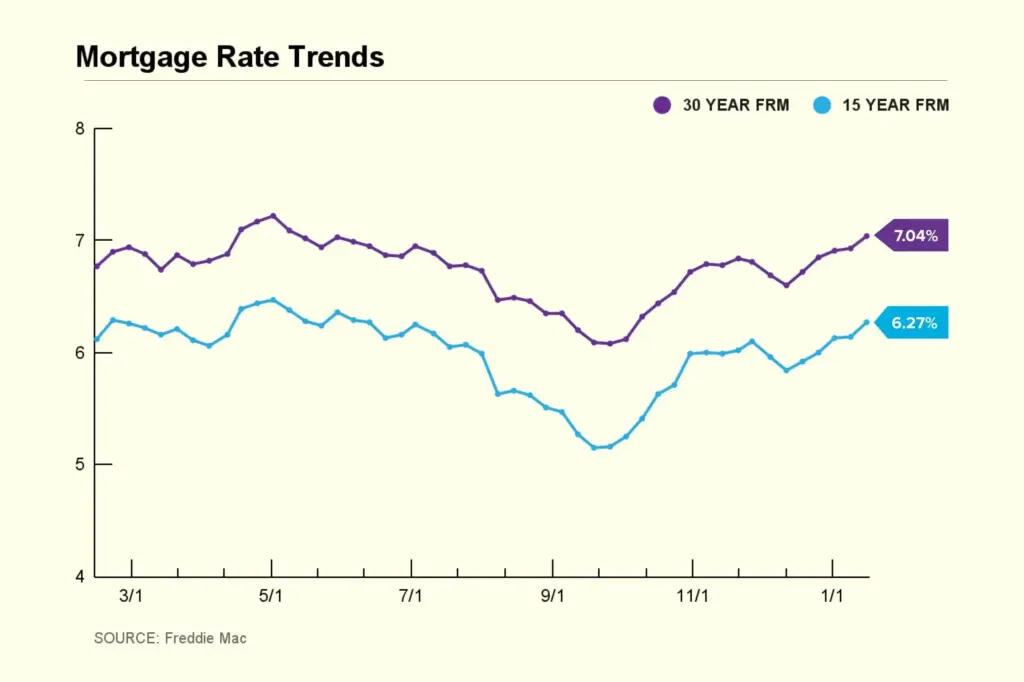
Keeping an eye on economic indicators is vital for anyone looking to navigate the mortgage landscape successfully. Inflation trends and employment data can signal potential shifts in the Bank of England’s interest rate policies, directly affecting mortgage choices. Borrowers who proactively monitor these factors can position themselves to secure favorable mortgage terms based on anticipated changes in the economic environment.
Additionally, understanding how these economic conditions impact home buying trends will equip prospective buyers with insights that facilitate better timing for their mortgage applications. With knowledge of when the Bank of England may act, effective decision-making can significantly improve your overall financial outcomes in the real estate market.
Frequently Asked Questions
How do Bank of England interest rates affect my mortgage choices?
The Bank of England’s interest rates directly impact mortgage choices as they influence the rates lenders offer on loans. When the bank raises the base rate, mortgage rates generally increase, which can lead to higher monthly payments for consumers.
What are the benefits of a fixed-rate mortgage in a changing interest rate environment?
A fixed-rate mortgage provides stability as the interest rate remains unchanged throughout the loan term, protecting you from rising rates set by the Bank of England. This can be particularly beneficial during periods of economic uncertainty.
What should I consider when choosing between a fixed-rate mortgage and a variable-rate mortgage?
When deciding between a fixed-rate and a variable-rate mortgage, consider your financial stability and future plans. A fixed-rate mortgage offers predictability, while a variable-rate mortgage may provide lower initial payments but carries the risk of rate increases linked to the Bank of England’s adjustments.
How can mortgage refinancing help when interest rates drop?
Mortgage refinancing can be advantageous when interest rates drop as it allows you to secure a lower rate, potentially reducing your monthly payments significantly. Always evaluate the costs associated with refinancing to ensure it’s financially beneficial.
What trends should I monitor regarding Bank of England interest rates and mortgages?
Monitoring trends in Bank of England interest rates, such as inflation rates and economic growth, can help you anticipate future moves in mortgage rates. Keeping updated on these indicators allows you to time your mortgage application strategically.
Is it wise to refinance my mortgage during volatile interest rate periods?
Refinancing your mortgage during volatile interest rate periods can be wise, but you need to assess the potential benefits against any costs involved. If the potential savings from lower rates outweigh the refinancing fees, it may be a good option.
| Key Points |
|---|
| Interest Rates impact mortgage lending; increasing rates lead to higher monthly payments. |
| Understanding fixed vs. variable rates is crucial; fixed rates provide stability while variable rates can fluctuate with market changes. |
| Current Bank of England trends show rising mortgage rates due to inflationary pressures, necessitating proactive mortgage planning. |
| Consider different mortgage types: Standard Variable Rate (SVR), Tracker Mortgages, and Discounted Variable Mortgages. |
| Strategies include evaluating financial readiness, shopping for the best deals, and monitoring economic indicators. |
| Be prepared to refinance when rates drop to take advantage of lower payments. |
Summary
Mortgage choices are influenced heavily by the fluctuating interest rates set by the Bank of England. As these rates change, it is essential for both homeowners and prospective buyers to remain informed about the implications on their financial decisions. Understanding the dynamics between fixed and variable rates, as well as current mortgage trends, plays a significant role in planning effectively. By evaluating personal financial readiness, exploring various mortgage options, and monitoring economic indicators, individuals can navigate their mortgage choices with confidence. This proactive approach positions them to make strategic decisions that support their long-term financial goals.