Listen to this article
The Bank of England interest rates have a pivotal influence on the financial landscape of the UK, particularly concerning mortgage affordability. As these rates fluctuate, they directly impact the overall cost of borrowing, shaping the accessibility of the housing market for countless individuals and families. Understanding the implications of the Bank of England’s interest rates is crucial for anyone looking to dive into property ownership or reassess their mortgage options. Consequently, the relationship between interest rates and mortgage affordability can determine a buyer’s capacity to secure a home within their financial means. As we analyze these dynamics, it becomes increasingly clear how vital financial literacy plays a role in navigating the UK mortgage market and its evolving trends.
When discussing the monetary policies set forth by the central bank, it’s important to recognize the impact of the BoE’s rate adjustments on overall housing affordability. The base lending rates established by the Bank of England serve as a crucial benchmark, influencing everything from mortgage costs to financial strategies for potential homeowners. As interest rates fluctuate, they can alter consumer behavior within the property sector, making it essential for individuals to remain updated on current trends. Exploring the implications of these rate changes allows for a deeper understanding of the UK property market and equips borrowers with the knowledge needed to make informed financial decisions. In essence, grasping the relationship between borrowing costs and mortgage accessibility is fundamental for all segments of the housing market.
The Importance of Understanding Interest Rates for Homebuyers
Interest rates are a fundamental aspect of the mortgage process, significantly influencing monthly payments and overall affordability. For potential homebuyers, comprehending how interest rates work is critical. When mortgage rates rise, the cost of borrowing increases, causing monthly payments to soar and making homes less affordable. Conversely, lower interest rates can improve affordability, allowing individuals and families to enter the housing market or refinance their existing loans.
Additionally, understanding interest rates helps buyers assess their financial standing and plan their budgets accordingly. With fluctuating rates set by the Bank of England, homebuyers must monitor economic indicators and BoE announcements closely. This awareness allows them to make informed decisions, such as timing their purchase or choosing between adjustable or fixed-rate mortgages, thus enhancing their financial literacy in the competitive UK mortgage market.
Impact of Bank of England Interest Rates on Mortgage Affordability
The Bank of England’s decisions regarding interest rates have a direct correlation with mortgage affordability in the UK. When the BoE lowers rates, it stimulates the economy by making borrowing cheaper, allowing homeowners to enjoy more manageable monthly repayments. This accessibility is especially beneficial during economic downturns, encouraging prospective buyers to enter the market while fostering housing market stability.
In contrast, an upward adjustment in interest rates can lead to increased mortgage repayments, putting pressure on household budgets and potentially limiting the number of eligible borrowers. As a result, many individuals may find themselves priced out of the housing market or forced to settle for less expensive homes, thereby impacting overall demand and property values.
Current Trends in the UK Housing Market and Interest Rates
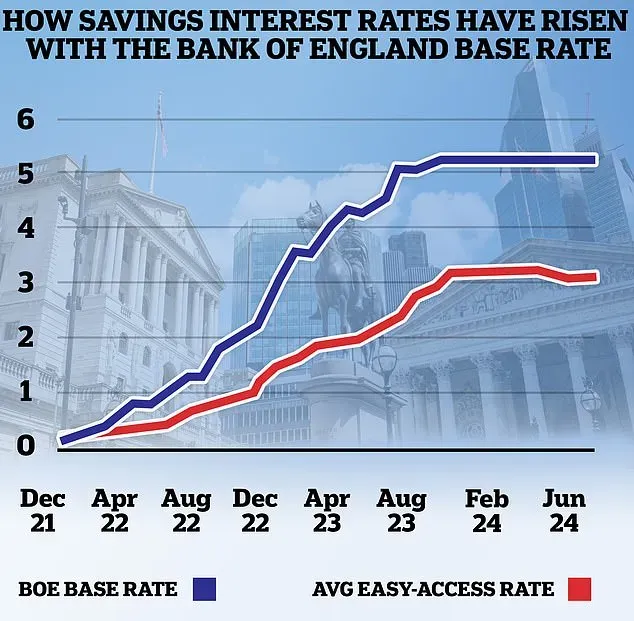
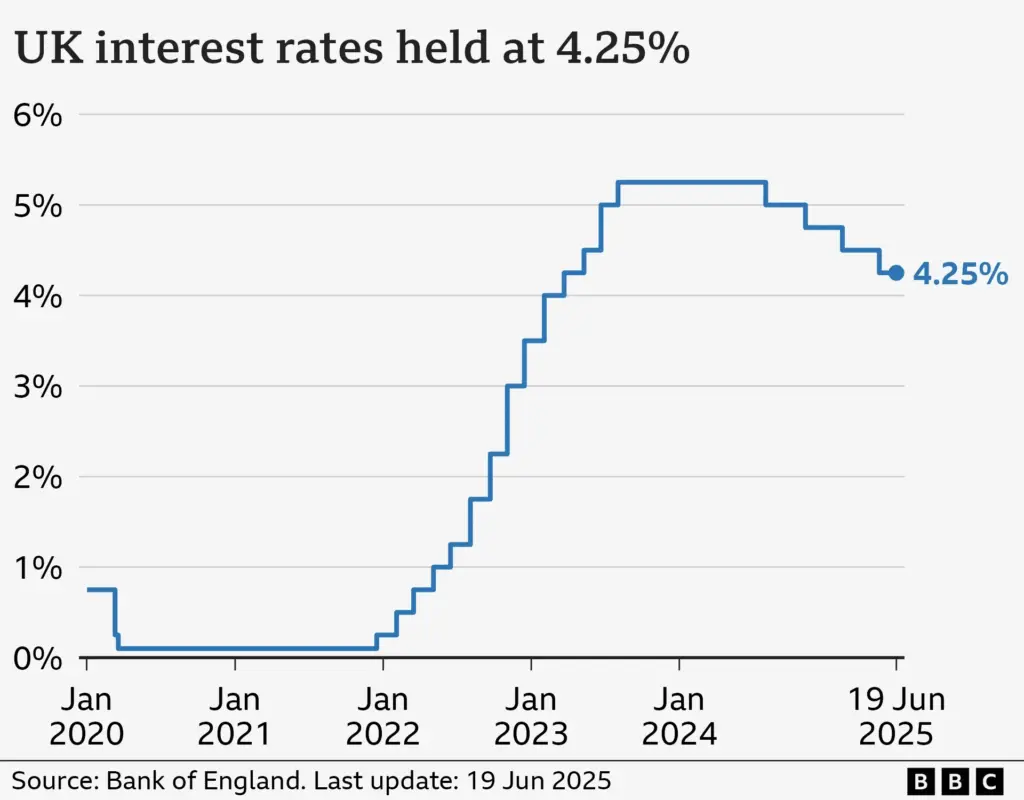
The ongoing fluctuations in the Bank of England interest rates are playing a pivotal role in shaping the current trends within the UK housing market. In response to the economic challenges posed by events such as the COVID-19 pandemic, the BoE initially lowered rates to encourage spending and investment. As the economy has started to recover, the gradual increases indicate an attempt to stabilize inflation, which, in turn, has profound effects on mortgage affordability.
This shifting landscape prompts homebuyers to reconsider their strategies carefully. With rates rising, potential buyers might be encouraged to act sooner rather than later, fearing that additional increases could further tighten their financial capabilities. Keeping abreast of these fluctuations is essential for individuals seeking to navigate the complexities of the current housing market.
Navigating Financial Literacy in a Changing Rate Environment
Financial literacy is a critical factor that empowers individuals to make informed decisions concerning their mortgage options in a fluctuating interest rate environment. A solid grasp of fundamental financial concepts, such as how interest rates impact mortgage payments, can help homebuyers assess their affordability accurately. Employing this knowledge enables potential homeowners to estimate their budgets effectively and foresee how changes in rates may affect their purchasing power.
Moreover, enhancing financial literacy through educational resources or consulting with financial advisors can further equip buyers to manage their expenditures efficiently, especially when faced with changing interest rates. By fostering an understanding of the relationship between borrowing costs and consumer behavior, individuals can pursue home ownership more confidently and strategically.
Strategies for Homebuyers Amid Rising Interest Rates
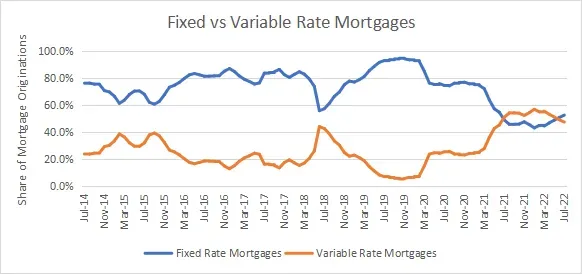
As interest rates continue to fluctuate, homebuyers must adopt specific strategies to safeguard their financial well-being. One effective approach is securing a fixed-rate mortgage, which protects lenders and borrowers from future rate increases. This proactive step allows buyers to maintain stable payments and better aligns their budgets with long-term financial planning.
Additionally, staying informed about Bank of England policies and economic trends can provide critical insights into when to buy, refinance, or postpone purchasing decisions. Potential homeowners should also consider increasing their deposits, as a larger down payment can lessen the financial impact of rising rates and improve loan affordability.
The Future Outlook for Mortgage Affordability in the UK
Looking ahead, the future of mortgage affordability in the UK will likely remain closely tied to the Bank of England’s interest rate policies. With economic recovery on the horizon, fluctuations in interest rates will continue to influence the housing market’s dynamics. Prospective buyers must remain vigilant and adaptable to these changes, ensuring they maintain affordability in a potentially volatile market.
As the housing market evolves, the importance of financial literacy and an understanding of economic indicators will become increasingly vital for homebuyers. By equipping themselves with the knowledge and tools necessary to navigate this landscape, individuals can position themselves for success in both securing a mortgage and maintaining their financial health.
Frequently Asked Questions
How do Bank of England interest rates affect mortgage affordability?
Bank of England interest rates play a crucial role in determining mortgage affordability. When the BoE increases its base rate, lenders typically raise mortgage rates, leading to higher monthly repayments. This can strain household budgets and reduce the number of individuals who can afford to buy homes, as a larger portion of their income goes towards mortgage payments.
What is the current trend of Bank of England interest rates and its impact on the housing market?
The current trend of Bank of England interest rates is towards gradual increases as the economy recovers from the pandemic. This upward trend influences the housing market by making mortgages more expensive, which can dampen demand and impact pricing. Prospective buyers should be aware of these changes, as even small rate increments can significantly affect affordability.
Why are Bank of England interest rates important for UK mortgage market participants?
Bank of England interest rates are crucial for UK mortgage market participants because they set the benchmark for borrowing costs. Changes in these rates directly impact mortgage rates offered by lenders and, consequently, the overall affordability of housing for buyers and homeowners looking to refinance.
What strategies should homebuyers use in response to rising Bank of England interest rates?
Homebuyers should consider securing a fixed-rate mortgage to protect against future interest hikes, stay informed about rate changes, increase their deposits, and consult with financial advisors. Each of these strategies can help mitigate the impact of rising interest rates on mortgage affordability.
How does financial literacy influence awareness of Bank of England interest rates and mortgage decisions?
Financial literacy significantly enhances an individual’s understanding of Bank of England interest rates and their implications for mortgage decisions. A knowledgeable borrower is better equipped to navigate fluctuating rates, assess affordability, and make informed choices regarding their mortgage options.
What is the impact of Bank of England interest rates on loan approvals in the UK?
As Bank of England interest rates rise, lenders may tighten their lending criteria, which can impact loan approvals. Borrowers might face stricter affordability assessments, resulting in lower loan amounts or higher deposit requirements, making it more challenging for first-time buyers to enter the housing market.
| Key Points | Details |
|---|---|
| Bank of England Interest Rates | The BoE sets interest rates, which influence borrowing costs, including mortgages. |
| Impact on Mortgage Affordability | Lower interest rates lead to lower monthly payments and greater affordability; higher rates increase monthly payments. |
| Economic Context | Interest rates are adjusted to control inflation and stabilize the economy. |
| Recent Trends | The BoE has raised interest rates gradually as the economy recovers post-pandemic. |
| Loan Seeker Behavior | Increased rates can lead to stricter lending criteria, affecting loan approvals. |
| Strategies for Homebuyers | Options include securing a fixed-rate mortgage, increasing deposits, and consulting advisors. |
Summary
Bank of England interest rates play a vital role in shaping mortgage affordability. As these rates fluctuate, prospective homeowners must understand the implications on their purchasing power. Low rates enhance affordability, making mortgages more accessible, while rising rates can strain budgets significantly. Staying informed about these changes and leveraging strategies such as fixed-rate mortgages or increased deposits can help buyers navigate the complexities of the housing market effectively. By being proactive and knowledgeable, individuals can make informed decisions that align with their financial goals.