Listen to this article
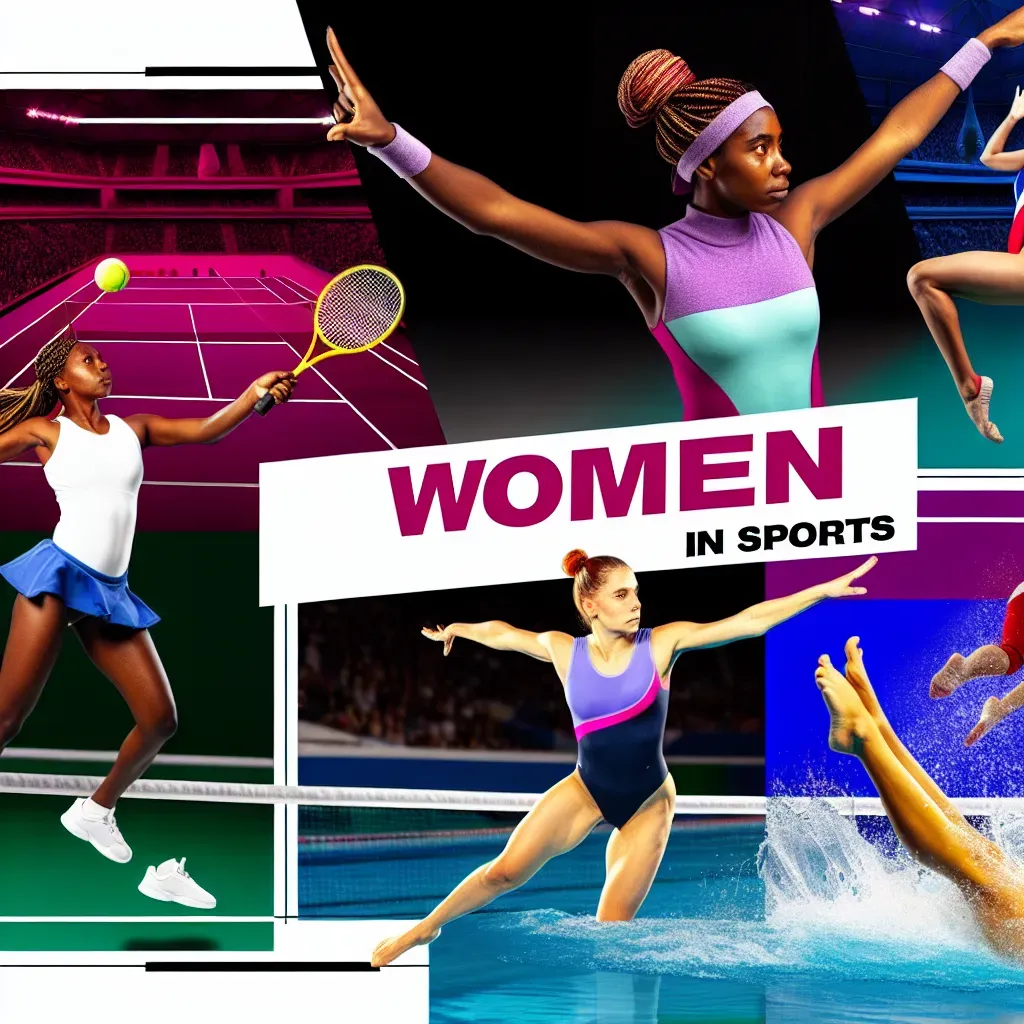
Women in sports have played a transformative role in shaping the athletic landscape, celebrating the prowess and achievements of female athletes across the globe. Over the years, we’ve witnessed incredible moments that not only highlight women in athletics but also break down barriers that have historically limited their participation. The trajectory of female athletes includes inspiring stories that celebrate their commitment, resilience, and outstanding accomplishments, from trailblazers in the history of women in sports to today’s icons. With strong movements empowering female athletes, we see a bright future where women sports icons take center stage, inspiring a new generation to dream big and challenge the status quo. This exciting evolution in women sports achievements is a testament to the strength and determination of women who refuse to be sidelined in the world of athletics.
The realm of athletics has undergone significant shifts that embrace the critical role of women in sports, showcasing their remarkable talents and dedication. Female athletes are continuously breaking through ceilings that once seemed impenetrable, making headlines with their extraordinary performances and setting new standards in competitions. The emphasis on empowering female athletes has grown, encouraging young girls to actively engage and excel in sports, and expanding the scope of opportunities available in cultures that once sidelined them. With each passing decade, the narrative surrounding women in athletics evolves, revealing inspiring new stories of triumph and persistence that reshape the athletic community. As we look back on the journey of women in sports, it’s clear that their legacies continue to pave the way for future generations.
The Evolution of Women’s Sports
The evolution of women’s sports has been a remarkable journey shaped by societal changes and increasing recognition of female athletes. Historically, women faced significant barriers that restricted their participation in competitive sports, often categorized as unsuitable or physically incapable of competing at high levels. However, as societal attitudes shifted, particularly during the late 20th century, we began to witness a gradual acceptance of women in athletics, paving the way for a future where female athletes could thrive. Over decades, numerous milestones were reached, including the establishment of Title IX in 1972, which mandated equal funding and opportunities for women in education and sports.
With the implementation of Title IX, schools and colleges began to offer more athletic opportunities for women, culminating in a greater emergence of female sports teams and competitions. This legislative change ignited a passion for athletics among young girls, who started to see their potential realized through participation in organized sports. From the early days of female participation in track and field events to the increasing prevalence of women in traditionally male-dominated sports, the evolution of women’s sports reflects a broader movement towards gender equality, inspiring countless female athletes to pursue their dreams.
Trailblazing Female Athletes
Trailblazing female athletes have played a pivotal role in changing the landscape of sports forever. Icons like Billie Jean King not only championed women’s rights in sports but also became household names for their achievements on the field. King’s legendary 1973 ‘Battle of the Sexes’ match not only showcased her sporting prowess but also served as a powerful statement about gender equality and the fight for fair treatment in athletics. Her tenacity and commitment to advocacy have inspired generations of female athletes to advocate for themselves and their peers, advancing the conversation around equality in sports.
Another notable trailblazer is Serena Williams, whose fierce competitiveness and numerous Grand Slam victories have cemented her place as one of the greatest athletes of all time. Williams’ journey transcends tennis, as she uses her platform to advocate for women’s rights, health, and representation in sports. By sharing her struggles and triumphs, Williams continues to empower female athletes, highlighting the critical need for voices that speak up against injustice and marginalization within the athletic domain, setting an example for countless others.
History of Women in Athletics
The history of women in athletics is a testament to resilience, courage, and determination. In ancient civilizations, women often participated in sports, but their roles were limited and circumscribed by societal norms. It wasn’t until the late 19th and early 20th centuries that women began to push against these barriers, embarking on a formerly male-dominated journey into athletics. Events like the first Women’s Olympic Games in 1922 marked significant milestones in this history, providing a platform for women to showcase their athleticism and skills on a global scale.
As the century progressed, the first female athletes made their marks, leading to increased participation and recognition. Icons like Kathrine Switzer, who famously ran the Boston Marathon in 1967 despite being told women were not allowed, were instrumental in challenging societal perceptions and advancing gender equality in athletics. The focus on women in athletics continued to evolve, showcasing their talent and tenacity, ultimately fostering a community that honors and recognizes the contributions of female athletes who have shaped the history of sports.
Empowering Female Athletes
Empowering female athletes is crucial for the ongoing advancement of women in sports. By providing resources, support, and mentorship, we can cultivate a culture that encourages young girls to pursue athletics. Initiatives are being implemented on local, national, and global levels to uplift female athletes, ranging from grassroots programs to organizational support. Empowerment is not just about enabling participation; it’s about fostering an environment where young girls can flourish both personally and athletically, allowing them to overcome societal barriers and limitations.
Programs dedicated to empowering female athletes often emphasize building self-confidence, promoting teamwork, and enhancing physical fitness. These initiatives encourage not only participation in competitive sports but also lifelong skills that extend beyond the playing field. Notable sports organizations and figures within the industry actively work to inspire the next generation of athletes, ensuring that their experiences and insights contribute to a supportive and nurturing atmosphere where female athletes can thrive.
Women Sports Icons and Their Impact
Women sports icons have made an indelible impact on the landscape of athletics, inspiring countless individuals through their achievements and advocacy. Athletes like Mia Hamm and Michelle Kwan have transcended their respective sports, using their recognition and platforms to bring attention to critical issues facing female athletes. Hamm’s legacy as a soccer star has inspired a generation of girls to embrace their love for sports, while Kwan’s achievements in figure skating demonstrate the power of perseverance and talent.
The influence of these women extends beyond competition; they have become role models and advocates for social change, pushing for gender equity within sports. Their stories remind us that female athletes are not only competitors but also pioneers who lead the charge for future generations. As they break records and make history, they encourage young girls to view athletics as an avenue for self-expression and empowerment, changing perceptions of women in sports along the way.
The Rise of Women’s Sports Leagues
The rise of women’s sports leagues signifies a pivotal moment in the recognition and support of women athletes. Over the last few decades, leagues like the WNBA and NWSL have emerged, providing professional platforms for female athletes. These leagues enable women to showcase their skills and compete at the highest levels while also garnering substantial media attention and fan engagement. The surge in viewership and attendance is indicative of the growing appreciation for women’s sports, further fostering an environment where female athletes can perform and be celebrated.
Additionally, women’s leagues have stimulated conversations around equality in sports, creating a ripple effect that extends well beyond competition. Women’s leagues often advocate for equal pay and improved working conditions, drawing attention to the disparities that have existed for far too long in athletics. By leveraging their influence, these leagues are reshaping the narrative around women’s sports and encouraging new generations to participate and invest in the future of women’s athletics.
Breaking Records: Celebrating Women’s Achievements
Breaking records in women’s sports is no small feat, and yet female athletes continue to redefine what is possible. The stories of athletes like Katie Ledecky and Florence Griffith-Joyner resonate beyond their respective sports, showcasing the relentless pursuit of excellence that characterizes the female athletic experience. Ledecky’s world records in swimming have set a benchmark for aspiring swimmers, enabling young girls to see the scope of what they can achieve when they commit to their goals.
Similarly, Florence Griffith-Joyner’s legacy as a sprinter remains unparalleled. Her record-setting times from the late 1980s remind today’s athletes of the heights women can reach. Celebrating these achievements not only honors these athletes but also motivates future generations to chase their dreams fearlessly, proving that records are meant to be broken and history rewritten through the relentless spirit of women in sports.
The Role of Media in Women’s Sports
The role of media in promoting women’s sports has never been more crucial. In recent years, increased coverage of female athletes and women’s leagues has played a significant role in shaping public perception and interest in women’s sports. Media representation can amplify the stories of female athletes, highlighting their achievements and struggles while fostering a sense of community among fans and aspiring athletes. The focus on women’s sports in mainstream outlets has led to improved visibility and recognition, breaking down previous barriers that sidelined female athletes.
Moreover, social media platforms have provided female athletes with a direct line to their audience, enabling them to share their journeys, engage with fans, and raise awareness about important issues within sports. The ability to control their narratives empowers female athletes to challenge stereotypes and advocate for change, garnering support and creating advocates among their followers. Media has the potential to be a powerful ally in the fight for equality in sports, ensuring that women’s voices and stories are heard loud and clear.
Inspiring the Next Generation of Female Athletes
Inspiring the next generation of female athletes is paramount for the future of women in sports. The stories of current female athletes not only motivate young girls but also serve as a reminder of what can be achieved through hard work and determination. Programs targeted at girls and young women increasingly focus on mentorship and skill development, introducing them to different sports while emphasizing the importance of self-belief, perseverance, and resilience. By showcasing role models, we provide young athletes with tangible examples of success they can aspire to.
In addition to mentorship, community engagement plays a significant role in nurturing talent in young female athletes. Local clubs and organizations dedicated to girls’ sports encourage participation and offer resources to help them develop their skills. Events, workshops, and competitions foster a supportive atmosphere that celebrates young female athletes, ensuring they feel valued and recognized. By investing in the next generation, we can secure a brighter future for women’s sports where female athletes can thrive and achieve their dreams.
Frequently Asked Questions
What are some key achievements of female athletes in history?
Throughout history, women in sports have achieved extraordinary milestones, from Billie Jean King’s fight for gender equality to Katie Ledecky’s record-setting swims. These achievements highlight the resilience of female athletes and inspire future generations.
How have female athletes impacted the landscape of athletics?
Female athletes have significantly transformed athletics by breaking records and advocating for equal opportunities. Icons like Serena Williams and Simone Biles challenge the status quo and bring attention to issues such as mental health and gender equality in sports.
What role do women sports icons play in empowering female athletes?
Women sports icons serve as role models, inspiring young female athletes to pursue their dreams. Their stories, such as those of Michelle Kwan and Abby Wambach, emphasize the importance of mentorship and representation in encouraging the next generation.
Why is the history of women in sports important?
The history of women in sports is crucial as it showcases the struggles and triumphs female athletes have faced. Understanding this history fosters appreciation for current achievements and motivates continued support for equity in athletics.
What are some notable women sports achievements in recent years?
Recent years have seen remarkable women sports achievements, including the U.S. Women’s National Soccer Team’s World Cup victories and Katie Ledecky’s world records. These accomplishments illustrate the ongoing growth and success of female athletes.
How can we support and empower female athletes today?
Supporting and empowering female athletes can involve promoting women’s sports events, advocating for equal pay, and providing resources and platforms for young female athletes to develop their skills and confidence.
What initiatives exist to promote women in athletics?
Initiatives like the Women’s Sports Foundation and programs such as ‘Girls on the Run’ focus on empowering female athletes and providing them with access to resources, mentorship, and competitive opportunities in athletics.
What are the challenges women in sports currently face?
Women in sports face challenges such as pay disparity, lack of media coverage, and limited sponsorship opportunities. These issues hinder the growth and recognition of female athletes, underscoring the need for continued advocacy.
How has media coverage of women sports evolved?
Media coverage of women sports has improved significantly, with increased visibility for leagues like the WNBA and NWSL. However, more effort is required to ensure consistent and equitable coverage of female athletes.
What impact do young female athletes have on the future of sports?
Young female athletes are critical to the future of sports as they represent the next generation. Their participation and success will drive further recognition for women in sports and contribute to a more equitable athletic landscape.
| Key Points | Details |
|---|---|
| Significant Progress | The narrative around women in sports has drastically evolved, showcasing their impressive achievements and resilience. |
| Trailblazers | Billie Jean King fought for gender equality in sports, inspiring athletes like Serena Williams and Simone Biles to advocate for women’s rights and mental health awareness. |
| Record Setters | Katie Ledecky and Florence Griffith-Joyner set remarkable records, while the U.S. Women’s National Soccer Team has achieved global success and championed equal pay. |
| Growing Platforms | Women’s sports, including basketball and soccer, have seen increased visibility, opportunities, and fan engagement in leagues like the WNBA and NWSL. |
| Inspiration for Future Generations | Programs for young girls, like ‘Girls on the Run,’ foster empowerment and confidence, supported by legendary athletes encouraging involvement in sports. |
Summary
Women in sports have made remarkable advancements over the decades, starting from the groundbreaking efforts of pioneers like Billie Jean King in the 1970s to today’s leading athletes such as Serena Williams and Simone Biles. From the emergence of record-setting champions like Katie Ledecky and Florence Griffith-Joyner to the rise of leagues bolstering women’s visibility, like the WNBA and NWSL, the evolution is significant. As organizations foster opportunities for young female athletes, the future looks promising, emphasizing empowerment and encouragement. Ultimately, the journey of women in sports reflects resilience and a continual push towards equality, inspiring future generations to dream big.