Listen to this article
Long-term investing in the UK is a powerful strategy for building wealth and achieving financial security over time. With diverse opportunities ranging from stocks and bonds to real estate investments and burgeoning cryptocurrencies in the UK, investors have a wealth of options at their disposal. As the financial landscape evolves, adopting effective investment strategies such as ETF investing and employing robust diversification strategies become vital. Notably, the best assets for investment are those that not only withstand market fluctuations but also capitalize on the country’s economic growth. In this guide, we will delve into the key sectors and asset classes that can aid investors in reaping substantial returns for their future.
The practice of strategic asset allocation for long-term financial growth—commonly referred to as sustained investment—plays a pivotal role in wealth accumulation in the United Kingdom. This approach encompasses a variety of asset categories, including equities, fixed income instruments, tangible real estate, and novel digital currencies, enabling investors to tap into different market segments. With well-devised investment strategies in place, such as investing in index funds or implementing diversification methods, individuals can effectively manage their financial risks. Additionally, the current interest in emerging investment vehicles, particularly cryptocurrency in the UK, highlights the dynamic nature of today’s investment landscape. This blog post will elucidate the optimal paths and choices available for savvy investors looking to secure their financial futures.
Understanding the Benefits of Long-Term Investing in the UK
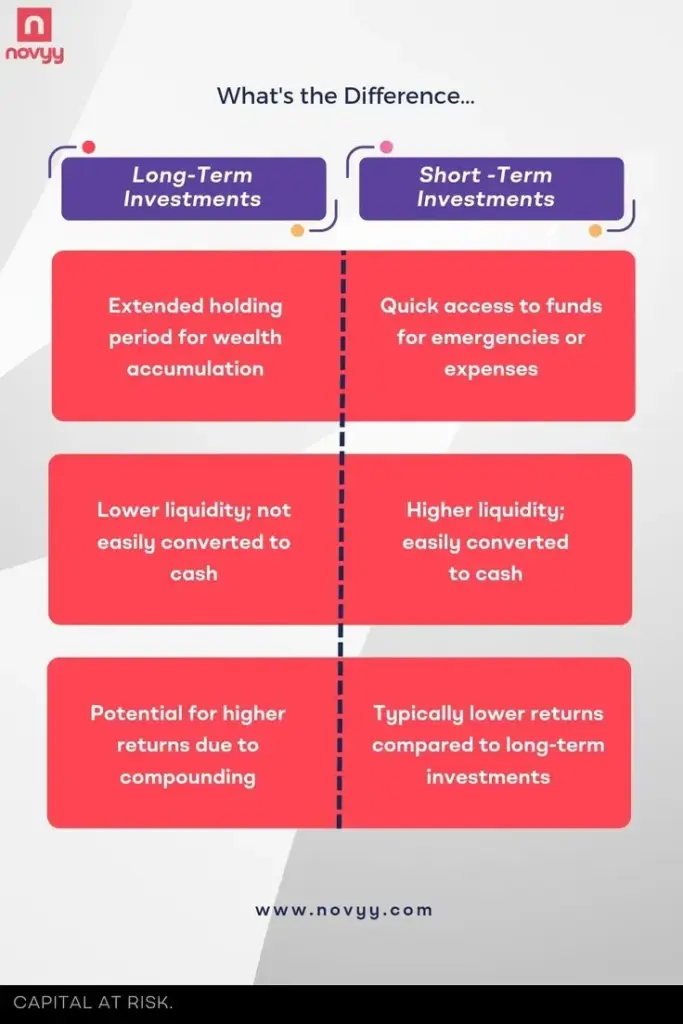
Long-term investing is not just a strategy; it’s a commitment to a future vision of wealth accumulation and financial security. When you choose to invest your money for an extended period, it allows you to withstand the inevitable fluctuations of the market. Over time, even the most volatile stocks tend to settle into a growth curve, highlighting the importance of patience and disciplined investing. This strategy not only helps you capitalize on compound interest but also allows you to take advantage of market recoveries after downturns, thereby maximizing your overall return on investment.
Furthermore, long-term investing cultivates a habit of saving and the discipline of sticking to a financial plan. It encourages investors to focus on the fundamentals of investments, allowing them to evaluate the intrinsic value of the assets they are considering. Whether it’s exploring the best assets for investment or developing effective investment strategies, long-term investors tend to make more informed decisions, contributing to greater financial literacy and stability in the long run.
Exploring the Best Assets for Investment in the UK
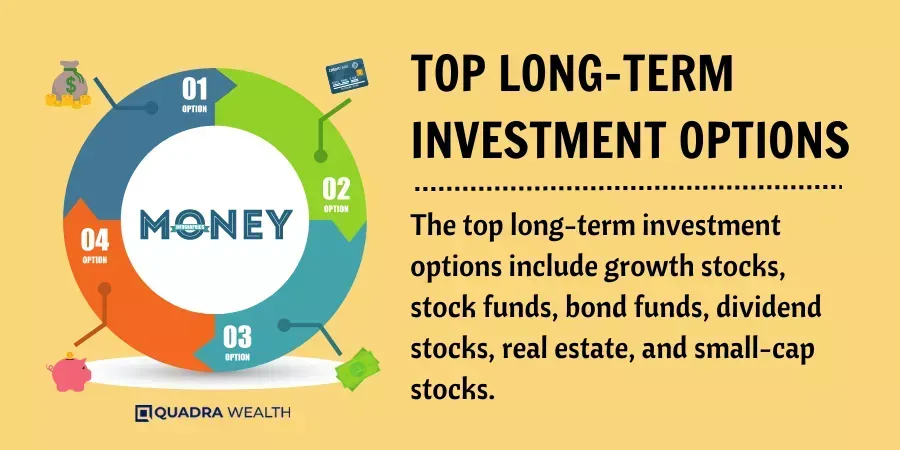
The UK market presents a range of investment options, each with its own merits. Among the best assets for investment, stocks consistently rank high due to their historical performance. Investing in blue-chip companies listed on the FTSE 100 can deliver considerable value over time, as these firms are typically well-established with strong financial health. Additionally, equities can provide dividends, which serve as a source of passive income, reinforcing the notion that stocks are not just a growth vehicle but also a reliable income-producing asset.
On the other hand, real estate presents another compelling avenue for long-term growth. Despite market fluctuations, the demand for housing in the UK continues to rise. Investing in rental properties or REITs allows investors to benefit from cash flow through rents while also positioning themselves for property value appreciation over time. Both stocks and real estate form the backbone of a diversified investment portfolio, catering to different risk appetites and investment goals.
Creating Effective Investment Strategies for the UK Market
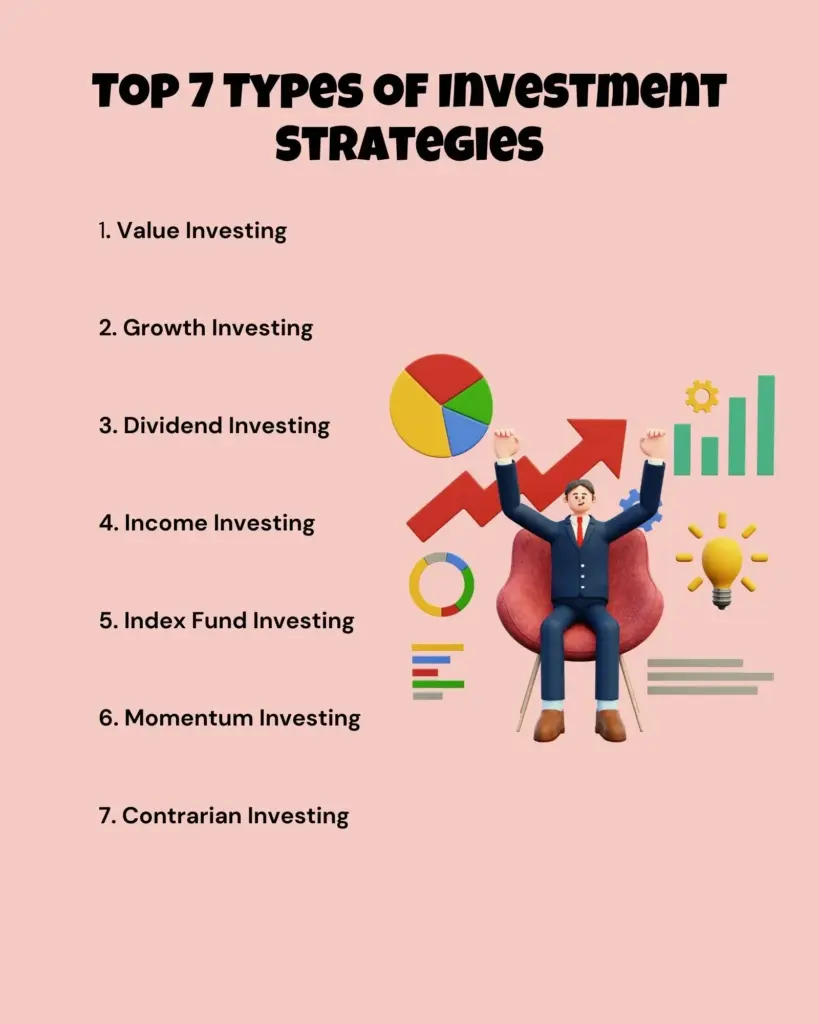
An effective investment strategy is critical for success in the UK market. One widely recommended approach is diversification, which entails spreading your investments across various asset classes. This not only reduces risk but also enhances the potential for returns. For instance, blending stocks, bonds, and real estate can create a balanced portfolio that withstands economic downturns while capitalizing on growth opportunities. Understanding different investment strategies helps investors to tailor their portfolios based on their risk tolerance and financial objectives.
In addition to diversification, regular contributions to your investment portfolio can significantly enhance long-term wealth accumulation. By employing dollar-cost averaging—investing a fixed amount regularly regardless of market conditions—investors can reduce the impact of volatility on their overall returns. This technique promotes a disciplined investment approach, ensuring that setting aside money for investments becomes a habitual practice.
The Role of ETFs and Index Funds in Long-Term Investing
Exchange-Traded Funds (ETFs) and index funds have become increasingly popular among UK investors seeking long-term growth. These investment vehicles allow individuals to invest in a broad range of assets with ease and efficiency. By tracking market indices such as the FTSE 100, investors can gain exposure to a diverse array of stocks in a single transaction. This bulk-buying approach fosters diversification, mitigating the risks associated with individual stock selection while minimizing fees compared to actively managed funds.
Moreover, the passive management structure of ETFs and index funds makes them ideal for long-term investors. Lower expense ratios mean that a greater share of investor returns is retained over time, amplifying the benefits of compounding. For someone looking to build wealth steadily, initiating an investment in a diversified index fund can be a strategic long-term play that aligns well with their financial goals.
Evaluating Cryptocurrencies as Long-Term Investments in the UK
Cryptocurrencies represent a newer and more speculative asset class, yet they are gaining traction among investors in the UK. As digital currencies like Bitcoin and Ethereum gain maturity and wider acceptance, they present an attractive opportunity for those willing to navigate their volatility. Understanding the fundamentals behind each cryptocurrency, including its technological backbone and market adoption rates, is crucial for any long-term investment strategy in this space.
While cryptocurrencies can offer significant rewards, they also come with inherent risks. Therefore, it’s advisable for investors to consider only allocating a small portion of their overall portfolio to this asset class. Implementing a strategy of gradual investment, rather than making large speculative bets, can help mitigate risks while allowing investors to benefit from potential growth in this emerging market.
The Importance of Regular Portfolio Review for Long-Term Success
Regularly reviewing your investment portfolio is a vital practice that contributes to long-term success in the UK market. As economic conditions change and personal financial goals evolve, so should your investment approach. Periodic assessments allow investors to identify underperforming assets, rebalance their portfolios, and adjust strategy to stay aligned with market shifts. This proactive managing style is essential for ensuring that your investment objectives continue to be met over time.
Additionally, staying informed about market trends, economic indicators, and regulatory changes can afford you a significant advantage. Keeping abreast of such developments enables investors to make educated adjustments to their holdings, bolstering the resilience of their portfolios against unforeseen market challenges. By integrating a habit of regular portfolio review, long-term investors can better position themselves to capitalize on opportunities and minimize losses.
Frequently Asked Questions
What are the best assets for long term investing in the UK?
The best assets for long term investing in the UK include stocks, real estate, bonds, index funds, and commodities. Stocks tend to provide high returns over time, while real estate offers stability and potential cash flow. Bonds can add security to your portfolio, and index funds/ETFs provide broad market exposure with lower fees.
How can I implement effective investment strategies for long term investing in the UK?
To implement effective investment strategies for long term investing in the UK, focus on diversification by spreading investments across various asset classes like stocks and bonds. Regular contributions, staying informed about market trends, and periodic portfolio reviews can enhance your investment performance.
Is cryptocurrency in the UK a viable long term investment?
Cryptocurrency in the UK can be a viable long term investment, but it is highly speculative. While assets like Bitcoin and Ethereum have shown substantial growth potential, their volatility means you should limit your exposure to a small portion of your overall portfolio.
What role do index funds and ETFs play in long term investing in the UK?
Index funds and ETFs play a crucial role in long term investing in the UK by offering broad market exposure and diversification at low costs. They track major market indices, allowing investors to gain access to a wide range of stocks without the need for extensive research.
How important is diversification in long term investing in the UK?
Diversification is extremely important in long term investing in the UK as it helps mitigate risk by spreading investments across different asset classes such as stocks, bonds, real estate, and ETFs. This strategy reduces the impact of poor performance in any single investment.
What should investors consider when investing in real estate for long term returns in the UK?
When investing in real estate for long term returns in the UK, investors should consider factors such as location, property management costs, potential rental income, and long-term market trends. Areas with high rental demand and growth potential can yield significant returns.
| Asset Class | Overview | Benefits | Considerations |
|---|---|---|---|
| Stocks | Shares of ownership in companies that historically yield high returns over the long term. | High potential returns and dividend income. | Research company fundamentals and market position. |
| Real Estate | Investment in properties either directly through rental properties or indirectly via REITs. | Stable income and capital appreciation. | Consider market demand and property management costs. |
| Bonds | Debt investments yielding periodic interest payments. | Steady income and risk hedging. | Government bonds offer lower risk; corporate bonds offer higher yields but more risk. |
| Index Funds & ETFs | Funds that track market indices, allowing broad market exposure. | Lower fees and diversified investment. | Invest in reputable indices like the FTSE 100 for diversification. |
| Commodities | Investing in physical goods like gold, silver, and agricultural products. | Hedge against inflation and diversify portfolio. | Understand market dynamics affecting prices. |
| Cryptocurrencies | Digital currencies seen as speculative investments with potential for significant growth. | Opportunity for high returns if adoption increases. | High volatility; limit investment to a small percentage of your portfolio. |
Summary
Long term investing in the UK is a strategic approach to building wealth over the years by focusing on diverse asset classes that can withstand market fluctuations. Investing in stocks, real estate, bonds, index funds, commodities, and cryptocurrencies each offers unique benefits and risks, making diversification crucial for a balanced portfolio. To achieve long-term financial success, it is essential to stay informed, contribute regularly, and reassess investment strategies as market conditions change. With patience and discipline, anyone can navigate the UK markets effectively, ensuring a comfortable financial future.