
Listen to this article
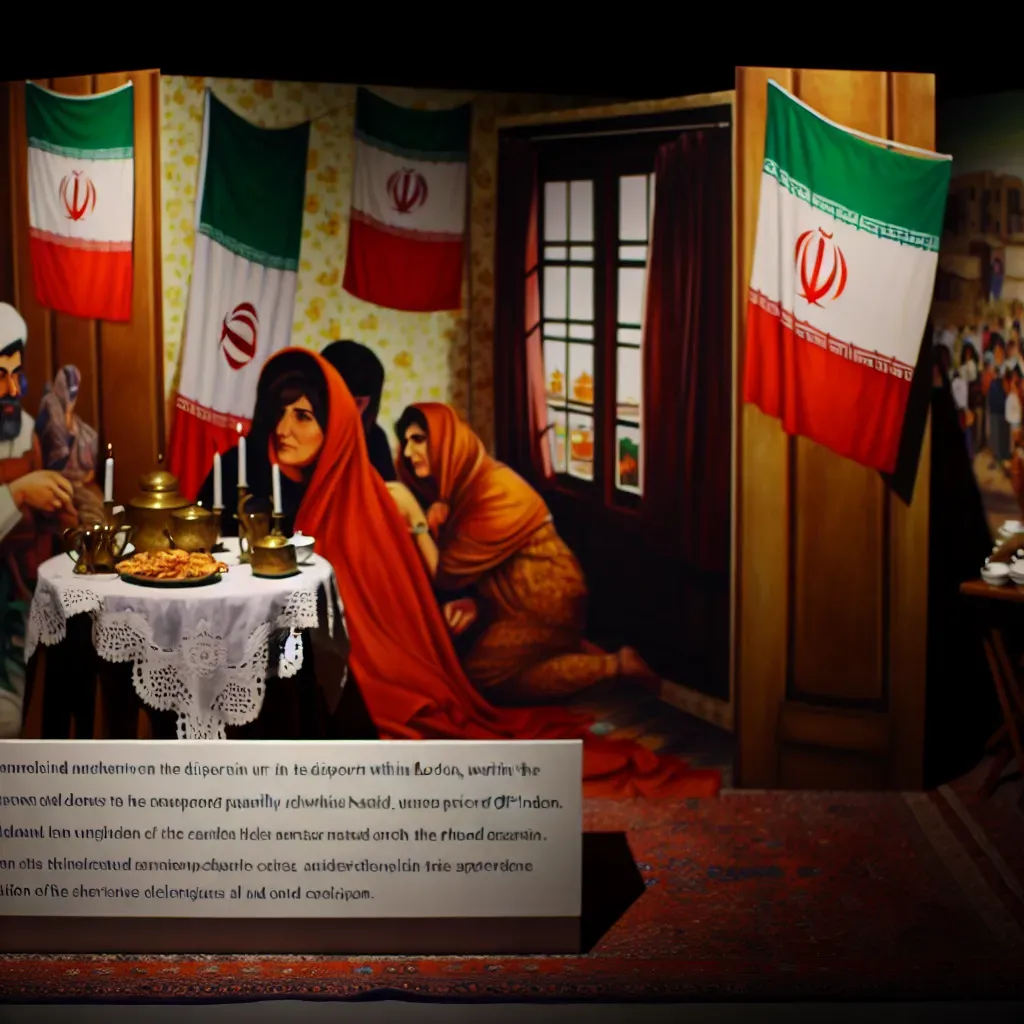
The ongoing Iran war has stirred deep emotions within the Iranian diaspora, particularly in cities like London where communities feel the impact of conflict across the globe. As protests erupt in Iran amidst the volatile backdrop of a changing regime, the recent death of Khamenei fuels both celebration and trepidation among exiles. Supporters of US intervention in Iran perceive this military action as an essential step toward liberation, while others voice concerns about the long-term consequences of foreign involvement. The complexities of the Iran conflict are reflected in the divided sentiments of Iranians abroad, who grapple with their identities straddling two worlds. With every chant and flag unfurled in solidarity, an underlying apprehension about the future looms large, as the diaspora wonders what the aftermath of this conflict will truly entail.
The turmoil surrounding the ongoing hostilities in Iran encapsulates a struggle that has reverberated across borders, especially among those connected to the Iranian community overseas. Many find themselves caught in a web of conflicting allegiances, as the calls for an end to tyranny resonate strongly while simultaneously presenting the dilemma of foreign military involvement. The recent shift in governance, marked by the absence of Khamenei, raises questions about the readiness of the global community, particularly the United States, to intervene genuinely in support of the people. Yet, the historical context of US intervention often evokes skepticism among those who have witnessed the consequences of past foreign policies in the region. As protests proliferate both in Iran and among the expatriates, the collective hope for progress battles with fears of escalating conflict and further destabilization.
The Impact of the Iran War on the Iranian Diaspora
The ongoing Iran war has profoundly affected the Iranian diaspora, especially in regions with concentrated communities, such as London. With many Iranians expressing a mix of relief and anxiety over the recent demise of Khamenei, the sentiments in the diaspora are varied and complex. While some celebrate what they view as a potential turning point for their homeland, others express apprehension about the consequences of foreign intervention and the immediate risks that come with it. The diaspora finds itself caught between a longing for freedom and the harsh realities of war, amplifying the emotional turmoil experienced by families far from home.
For individuals like Sara, the celebrations ignited by the war are overwhelming and distressing. While she recognizes the significance of Khamenei’s departure, Sara is cautious and fears the glorification of violence, as the diaspora is not directly facing the ramifications of the conflict. Her perspective reflects that of many in the Iranian community, who are apprehensive that U.S. intervention may not yield the desired outcomes for the Iranian populace. The perception that American involvement could lead to a new wave of oppression leaves many feeling a sense of doom.
Iran Protests and the Iranian Diaspora’s Response
The recent protests emerging from Iran have amplified tensions within the diaspora communities, as many activists are directly connected to those suffering at home. News of protests met with brutal crackdowns resonates deeply with exiled Iranians, who often bear witness to the sacrifices of their counterparts still in the country. The diaspora is in a unique position to advocate for change, yet varying opinions on how international actors, particularly the U.S., should engage complicate the collective response. This divergence can lead to discord among community members about the best course of action during a time when unity is crucial.
Community events and gatherings often serve as platforms for discussing the implications of the protests and the subsequent responses from foreign powers. Some members advocate for non-violence and diplomatic pressure on the regime, while others support calls for intervention, reflecting a broad spectrum of beliefs shaped by individual experiences. The urgency for change fuels activism; nonetheless, the fear of further civil strife weighs heavily on the discussions in these settings, revealing a split between hope for a new regime and concerns about the ramifications of external involvement.
Khamenei’s Death: A Turning Point or a Symbol of Unrest?
The death of Khamenei has been interpreted by many as a potential turning point for Iran. However, the mixed reactions among the Iranian diaspora illustrate a complex reality. While some view his passing as an opportunity to overthrow an oppressive regime, others are mindful of how power vacuums often lead to chaos rather than liberation. The Iranian diaspora, thus, grapples with conflicting emotions—relief coupled with the fear that new leadership may emerge just as tyrannical. This raises questions about the future of democracy in Iran and how the exiled community can influence positive change.
Reflecting on Khamenei’s legacy, many within the diaspora express concern that the move toward a new chapter in Iran’s history will not come easily. The fears surrounding the possible escalation of conflict are palpable, with echoes of past uprisings that resulted in even harsher crackdowns. The diaspora’s role becomes crucial as they rally for international support while also pushing for an internal resistance. They find themselves in a precarious position, strongly desiring freedom for those back home but recognizing the severe implications that foreign military intervention could have on the overall quest for peace.
US Intervention in Iran: Hopes and Realities
US intervention in Iran, while welcomed by some within the diaspora, also sparks a plethora of concerns. Many remember past foreign interventions that led to unforeseen complications and protracted conflict, leading to increased suffering for ordinary citizens. As sentiments around the American role in Iran’s future grow mixed, questions arise regarding the true motives behind such interventions. Will the US act as a liberator or merely pursue its strategic interests at the expense of the Iranian people? This skepticism is prevalent among older generations who have witnessed the devastating effects of geopolitical decisions in their homeland.
Despite the fears, there is a yearning within a segment of the diaspora for tangible support against the repressive regime. Some see US intervention as a necessary evil, fearing that without external pressure, the regime will continue its oppressive tactics unchallenged. However, this perspective is not universally accepted, as others advocate for indigenous solutions that empower the Iranian people rather than rely on foreign powers, fearing the repercussions of such dependency. The debates surrounding US involvement reflect broader themes of agency, autonomy, and the long-term vision for Iran’s future, creating an emotional division within the diaspora.
Cultural Tensions in the Face of Conflict
Cultural tensions inevitably arise within the diaspora as divergent views on the war and the regime’s fate bubble to the surface. For those who fled the regime’s oppression, expressions of enthusiasm for military actions can feel dissonant amid their history. The joy seen in celebrations contrasts starkly with the complex legacy left by leaders like Khamenei. This strain reflects the deep-seated fear that, amidst euphoria, the realities of war could result in lasting trauma for both the diaspora and those left behind in Iran.
These cultural tensions manifest in everyday interactions, with community gatherings becoming flashpoints for disagreements. While some find solace in unity and a collective identity rooted in experiences of oppression, others struggle to reconcile their feelings about U.S. intervention and their personal ties to Iran. As the Iranian diaspora navigates these challenging waters, the blending of celebration and mourning becomes emblematic of their struggle—ensuring the voices of dissent and remembrance coexist amid a backdrop of shifting allegiances and hopes for change.
The Future of the Iranian Conflict: Challenges Ahead
As the war unfolds and geopolitical dynamics shift, the future of the Iranian conflict carries significant challenges for the diaspora. Many are left wondering what post-war Iran might look like and whether it will lead to a new era of freedom or greater hardship. A looming concern focuses on how the international community will react once violence subsides and what strategies will be employed to support a stable governance structure that respects human rights and democracy.
In their quest for clarity, members of the diaspora actively engage in dialogues and advocacy efforts to shape narratives surrounding Iranian interests. Yet, there is a palpable realization that the path ahead will not be straightforward. Some fear increased militarization and the potential for further Iranian civil strife as a result of foreign involvement, leading to more displacement among citizens. The challenges facing the diaspora, therefore, extend beyond mere conflict, pointing to a future where unity and resilience will be crucial in shaping a new narrative for Iran.
The Role of Media in Shaping Narratives
Media plays a critical role in framing the narratives surrounding the Iranian conflict, influencing perceptions both within Iran and among the diaspora. As news outlets portray varying perspectives on the protests, interventions, and the reactions of the Iranian populace, the diaspora becomes acutely aware of how these narratives impact their own identities and the international response to their plight. The complexities of media representation highlight the need for balanced reporting that captures the nuances of the situation rather than oversimplifying dynamic experiences.
Moreover, social media has transformed how Iranians communicate with one another and share their experiences, fostering a global dialogue that transcends geographical barriers. However, this democratization of information also introduces challenges, as misinformation can spread rapidly within the diaspora, causing friction over differing opinions about the war. Engaging critically with media narratives is essential for building a cohesive understanding of events, ensuring that the voices of the Iranian people are accurately captured and amplified amidst the ongoing conflict.
Lessons from History: The Iranian Experience
The Iranian diaspora’s understanding of their historical context is pivotal in shaping their responses to the current conflict. Many bear witness to previous uprisings, internal strife, and foreign interventions that have paved the way for the current reality. The memory of how past decisions and actions have contributed to suffering reinforces a collective wisdom, urging the diaspora to proceed with caution when it comes to expectations of foreign powers. This historical context serves as a reminder that liberation must come from within, accompanied by support from the international community that recognizes the right to self-determination.
Lessons from the Iranian experience also serve as a call to action for the diaspora community. There is a shared understanding that unity and informed advocacy can catalyze change, transcending individual narratives to create a more comprehensive approach to the future of Iran. As history often teaches, the pursuit of freedom is fraught with challenges, yet the diaspora remains hopeful that their collective resilience will forge a path toward lasting positive change, underscoring the importance of remembrance and mutual support.
Conclusion: A Hopeful Horizon for Iran
Amidst the turmoil and uncertainties presented by the Iran conflict, there lies a glimmer of hope among the Iranian diaspora. Many believe that with change comes the potential for groundbreaking reform and the chance for a more democratic society that values human rights. This belief keeps the spirit of activism alive, propelling individuals and organizations to rally support for their homeland from abroad. The connections fostered within the diaspora serve not just as a reminder of one’s roots, but also as a beacon of hope for a brighter future.
Furthermore, the strength of the Iranian diaspora lies in their diverse experiences and shared commitment to advocating for the principles of freedom and justice. As they navigate the complex emotions and realities of the ongoing conflict, the diaspora’s solidarity will be vital in articulating a holistic vision for Iran’s future. It is this commitment to collective action that stands poised to challenge any resurgence of tyranny and drive forward a new era of peace and prosperity for generations to come.
Frequently Asked Questions
What are the implications of the Iran war on the Iranian diaspora?
The Iran war has led to a divided Iranian diaspora, with some celebrating perceived freedom while others express fear of escalating violence and instability. Many feel that US intervention will not necessarily lead to lasting change and may result in a more oppressive regime in the long run.
How is the Iranian diaspora reacting to US intervention in Iran during the current conflict?
Reactions within the Iranian diaspora to US intervention in Iran are mixed. Some support the actions as a means to challenge the regime, while others worry about the potential consequences for the Iranian people and question the sincerity of US motives in pursuing their interests over genuine liberation.
What effect has Khamenei’s death had on the sentiments regarding the Iran conflict?
Khamenei’s death has sparked both elation and concern within the Iranian diaspora. While many feel relieved at the demise of a longstanding oppressive leader, there is an underlying fear that such a significant political shift could lead to intensified conflict and uncertainty about what comes next.
Are the celebrations among Iranian exiles justified in the context of the Iran war?
While some Iranian exiles see celebrations of Khamenei’s death as justified, others identify it as premature and harmful. Celebratory sentiments among the diaspora can overlook the complex reality on the ground in Iran, where civilians could face increased repercussions from the regime amid heightened conflict.
What are the potential risks of war in Iran for the Iranian people?
The potential risks of war in Iran for the Iranian people include increased violence, a rise in civil unrest, and a potential clampdown by the regime, which could exacerbate the human rights crisis. Many within the diaspora fear for the safety and future of their loved ones still in Iran.
How has the dynamics of the Iran war affected opinions on leaders like Donald Trump among the Iranian diaspora?
The dynamics of the Iran war have shifted opinions on leaders like Donald Trump within the Iranian diaspora. Some view his aggressive stance against the regime as a positive intervention that could lead to the liberation of the Iranian people, despite skepticism about the underlying motivations of US foreign policy.
What role do Iranian protests play in the current context of the Iran war?
Iranian protests are central to the current context of the Iran war, as they represent the continuous struggle of the Iranian people against oppression. The war has reframed these protests in a new light, seen by some as an opportunity to dismantle an unjust regime, while others worry that external intervention could compromise their goals.
How does the Iranian community perceive the relationship between the UK and the Iranian regime?
Many in the Iranian community are critical of the UK’s historical engagement with the Iranian regime, perceiving it as appeasement. They express disappointment over diplomacy that seemingly legitimizes a regime that has been oppressive towards its citizens, and call for a more principled stance against it.
What are the strategic interests of the US in the Iran war, according to the Iranian diaspora?
The Iranian diaspora often views the strategic interests of the US in the Iran war as primarily self-serving, aimed at regional dominance rather than genuine support for Iranian freedom. This skepticism reflects a broader concern that interventions might prioritize political goals over the welfare of the Iranian people.
Is there any concern about civil war in Iran following Khamenei’s departure?
Yes, there is significant concern among the Iranian diaspora that Khamenei’s departure could lead to civil conflict. With various factions vying for power, there are fears that instability could escalate into civil wars, further endangering the lives of ordinary Iranians.
| Key Point | Explanation |
|---|---|
| Divided Diaspora | The Iranian diaspora in London is split in their reactions to the war, with joyous celebrations among some and deep concern among others. |
| Mixed Emotions | Individuals like Sara express relief at the toppling of Khamenei but fear the potential consequences of the war, highlighting a sense of doom. |
| American Involvement | Critics like Geff are wary of the U.S. intentions, fearing that America’s interests may overshadow genuine support for the Iranian people. |
| International Complicity | Many see the war as a result of the international community’s past appeasement of the Iranian regime, leading to calls for stronger action. |
| Consequences of War | Concerns abound regarding the aftermath of war, with worries about civil unrest and intensified regime retaliation against the populace. |
Summary
The Iran war has ignited a spectrum of reactions among the Iranian diaspora in places like London. While some jubilantly celebrate the deaths of regime leaders, others are overwhelmed by anxiety about what lies ahead for their homeland. This division reflects a deeper struggle within the community, balancing hope for a free Iran against the perils of foreign intervention. As fears about the ramifications of the U.S. and Israeli actions grow, many worry that the war could lead to further suffering rather than liberation. Thus, the discourse around the Iran war remains critical, emphasizing the complexities of political intervention and the lives at stake.